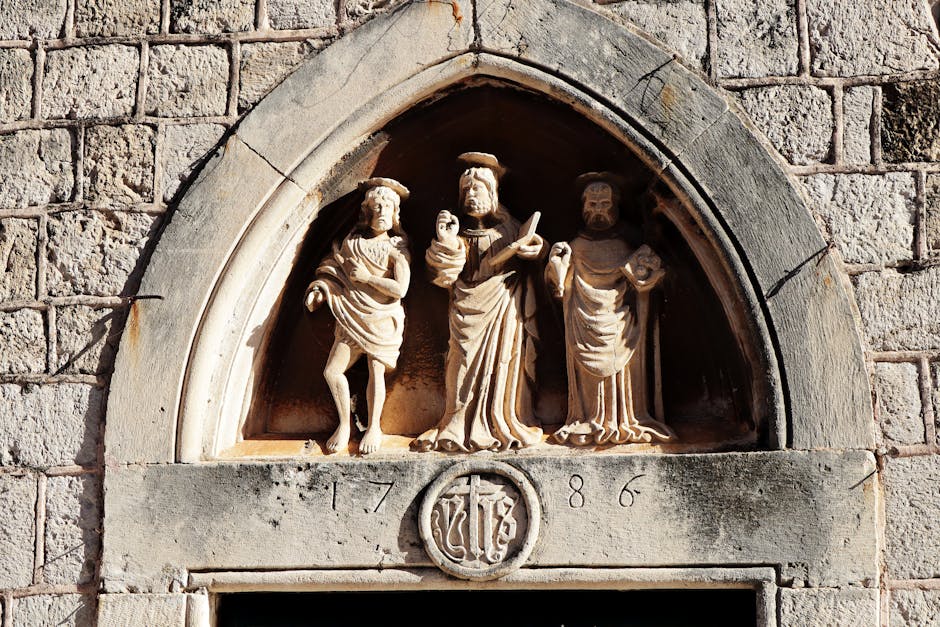
Self-guided audio tour in Dubrovnik
Start Free on iPhone
Start free on iPhone to unlock this self-guided walking tour in Dubrovnik. Hear all the stories that make it amazing, walk at your own pace, and begin whenever you want.
Your Private Tour Guide
Perched on the edge of the Adriatic, the city of Dubrovnik—formerly the Republic of Ragusa—stands as a masterpiece of medieval engineering and strategic architecture. This self-guided walking route takes you through the history of a city that managed to maintain its independence for centuries through a combination of savvy diplomacy and impenetrable stone. As you explore the massive bastions and forts that encircle the Old Town, you will discover how the architecture of Ragusa evolved to meet the growing threats of the Ottoman Empire and the Venetian Republic. This neighborhood stroll focuses on the 'Bastions of Ragusa,' the formidable defensive structures that define the city's skyline. Unlike a standard walking tour Dubrovnik visitors might take to see filming locations, this route dives deep into the military history and architectural ingenuity of the 14th to 16th centuries. You will encounter the iconic Minčeta Tower, the highest point of the city's defenses, and the separate Fort Lawrence, which stands guard over the sea on a 37-meter high cliff. Each stone in these walls tells a story of the 'Libertas' (Liberty) that the Ragusans valued above all else. Beginning at the western edge of the city, the route leads you past the ceremonial Pile Gate and along the seaward fortifications. You will see how the Bokar Fortress was designed to protect the gate, and how the massive St. John Fortress once guarded the harbor with a heavy iron chain. The journey concludes at the Revelin Fortress, an irregular, massive structure built in record time to face a specific existential threat. Along the way, the route offers breathtaking views of the terracotta roofs and the shimmering blue sea, providing endless opportunities for photography. This walking tour Dubrovnik experience allows you to appreciate the scale of these defenses at your own pace, moving between the city's most significant historical landmarks while understanding the engineering challenges overcome by the master builders of the Renaissance.
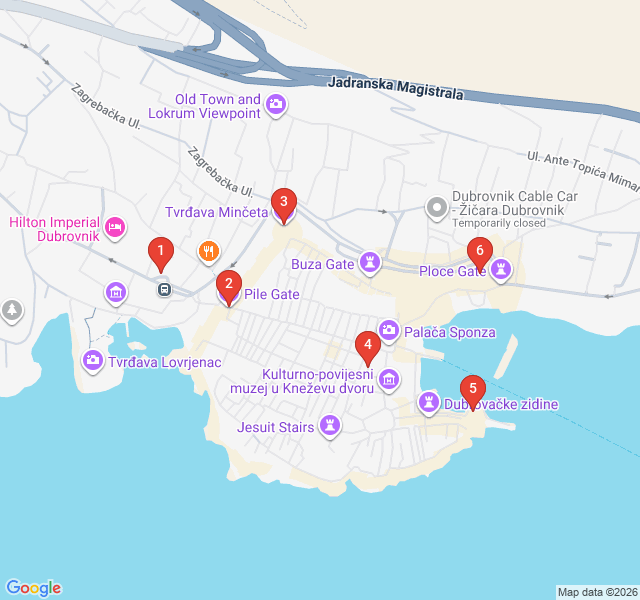
Numbers indicate the order of stops on the tour.
Standing separate from the main city walls on a 37-meter high cliff, Fort Lawrence is often called the 'Gibraltar of Dubrovnik.' Its primary purpose was to prevent the Venetians from building a fort on this same spot, which would have allowed them to dominate the city. Legend says the Ragusans built the initial structure in just three months in the 11th century. Look for the famous Latin inscription above the entrance: 'Non Bene Pro Toto Libertas Venditur Auro,' meaning 'Liberty is not sold for all the gold in the world.' This motto encapsulates the spirit of the Republic of Ragusa. The fort's walls facing the sea are up to 12 meters thick, while the walls facing the city are only 60 centimeters thick—a clever design to ensure that if the fort was ever captured, the city's cannons could easily reclaim it.
The Pile Gate has served as the main entrance to the city for centuries. Built in the 15th and 16th centuries, it features a complex defensive system including an outer and inner gate. Historically, the wooden drawbridge was pulled up every night, and the keys to the city were handed to the Rector of Ragusa. Above the arch, you will see a statue of Saint Blaise, the patron saint of Dubrovnik, holding a model of the city in his hand. The architecture here transition from the Gothic style of the inner gate to the Renaissance style of the outer gate, reflecting the city's long period of prosperity and continuous modernization of its defenses.
Minčeta Tower is the highest point of the Dubrovnik city walls and perhaps the most recognizable symbol of the city's strength. Originally built as a quadrilateral tower in 1319, it was later transformed into its iconic circular shape by the famous architects Michelozzo and Juraj Dalmatinac to better withstand artillery fire. Its massive walls and crown-like battlements were designed to dominate the landward approach to the city. From the top, the view of the terracotta roofs of the Old Town against the backdrop of the Adriatic is unparalleled. It represents the pinnacle of Ragusan defensive architecture, combining military necessity with Renaissance aesthetic elegance.
Designed by the Florentine architect Michelozzo, Bokar Fortress is a beautiful example of early functionalist fortification. It was built to protect the Pile Gate and the moat on the western side of the city. This circular tower is one of the oldest preserved forts of its kind in the world. It is particularly interesting because it was built partly on a detached rock; the sea flows through the arches at its base. During the time of the Republic, the fortress was used to test cannons and as a storage facility for gunpowder. Its harmonious proportions and sturdy construction make it a favorite for those interested in the evolution of coastal defense systems.
Guarding the entrance to the Old Port, the St. John Fortress (Sveti Ivan) was once the most critical maritime defense point for the Republic. In the past, a massive iron chain was stretched from this fort to the Kase jetty across the harbor to prevent enemy ships from entering the port at night. The structure we see today was built in the 16th century, merging several smaller towers into one massive complex. Today, the fortress houses the Maritime Museum and the Aquarium, continuing its long-standing connection to the sea. The broad, flat roof of the bastion provides a perfect vantage point to watch local boats coming and going from the historic harbor.
The Revelin Fortress was built outside the city walls to protect the eastern Ploče Gate. Construction began in the 15th century but was accelerated in 1538 due to the threat of an attack by the Venetian fleet. The threat was so great that all other construction in the city was halted, and every citizen was required to assist in the building process. This massive, irregular-shaped fort survived the devastating earthquake of 1667 almost entirely intact, serving as the treasury and administrative center for the Republic during the subsequent reconstruction. Its vast interior and thick stone walls are a testament to the speed and skill of Ragusan builders in the face of imminent danger.
Start Free on iPhone
Explore “The Bastions of Ragusa” with your very own Private Tour Guide with Zigway. Start free on iPhone, skip the large group and the fixed routes, and hear the city come alive as you go.
Your Private Tour Guide
Don't miss the good stuff
Explore Freely
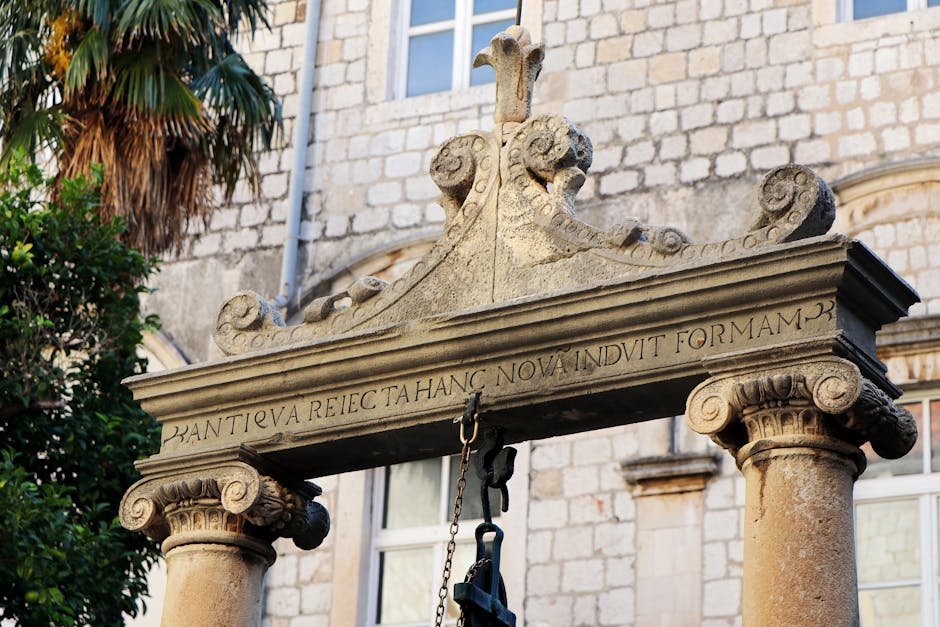 Easy
EasyDubrovnik, Croatia
Explore Dubrovnik’s legendary maritime history on this self-guided walk through the Old Port, ancient shipyards, and the historic quarantine station.
 Easy
EasyDubrovnik, Croatia
Discover Dubrovnik's nocturnal charm on this self-guided walk through lantern-lit alleys, jazz spots, and hidden cliffside bars.
 Moderate
Dubrovnik, Croatia
Escape the crowds and discover Dubrovnik's wild side on this scenic self-guided coastal walk through Lapad's pine forests and hidden bays.
 Easy
EasyDubrovnik, Croatia
Discover Dubrovnik's intellectual soul on this self-guided walk through ancient libraries, historic pharmacies, and serene monastic cloisters.
 Moderate
Gothenburg, Sweden
Discover Gothenburg’s maritime soul on this self-guided walk from the historic Central Station to the scenic riverfront at Stenpiren.
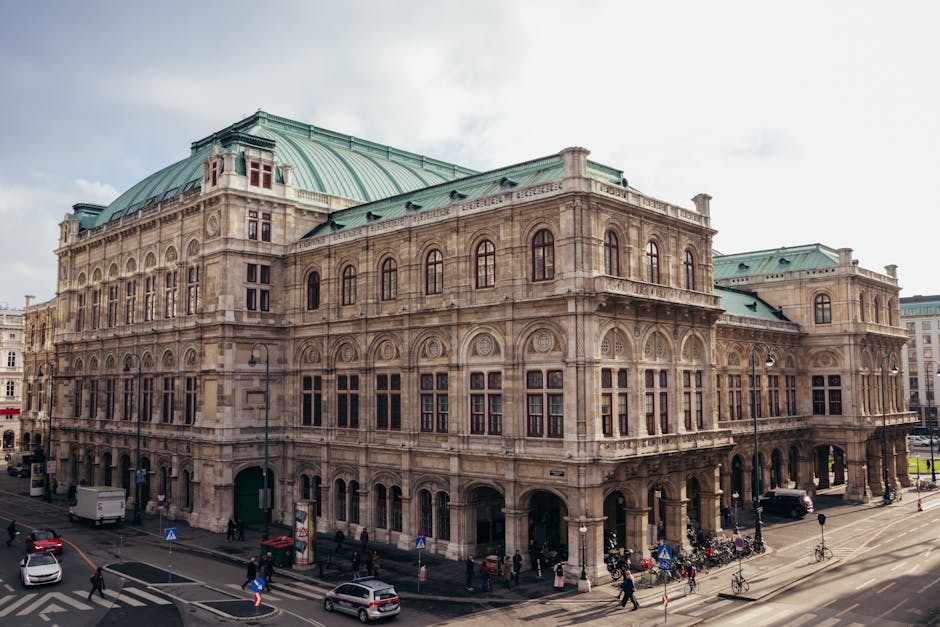 Moderate
Vienna, Austria
Follow the footsteps of Mozart and Strauss through Vienna’s historic center on this self-guided walk through the city's rich musical history.
 Moderate
Helsinki, Finland
Explore the 'Gibraltar of the North' on this independent walking route through the historic bastions and hidden gardens of Suomenlinna Sea Fortress.
 Easy
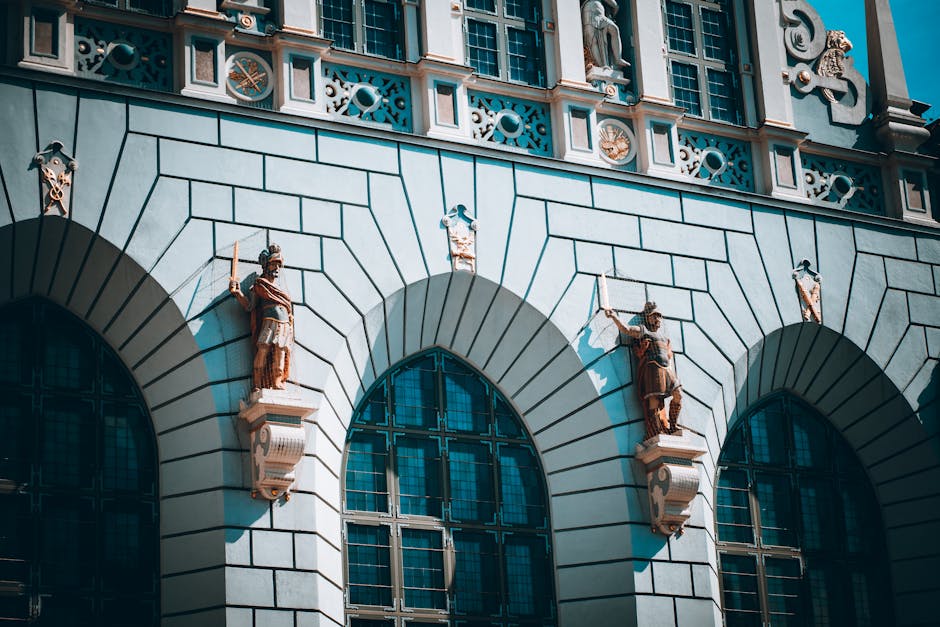
EasyGdansk, Poland
Discover the opulent Royal Way of Gdansk at your own pace. Explore Hanseatic history, gilded architecture, and the iconic Neptune's Fountain.
 Moderate
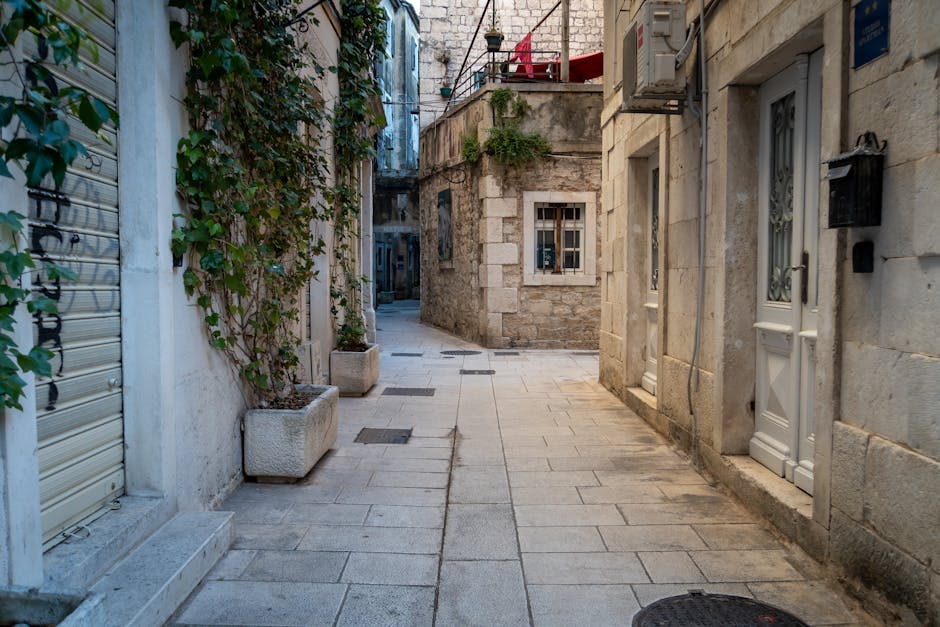
Split, Croatia
Wander through the narrow stone alleys and hidden medieval chapels of Split's historic fisherman's quarter on this scenic self-guided adventure.
 Easy
EasySplit, Croatia
Taste the heart of Dalmatia on this self-guided walk through Split's historic markets, legendary taverns, and vibrant street food spots.
 Easy
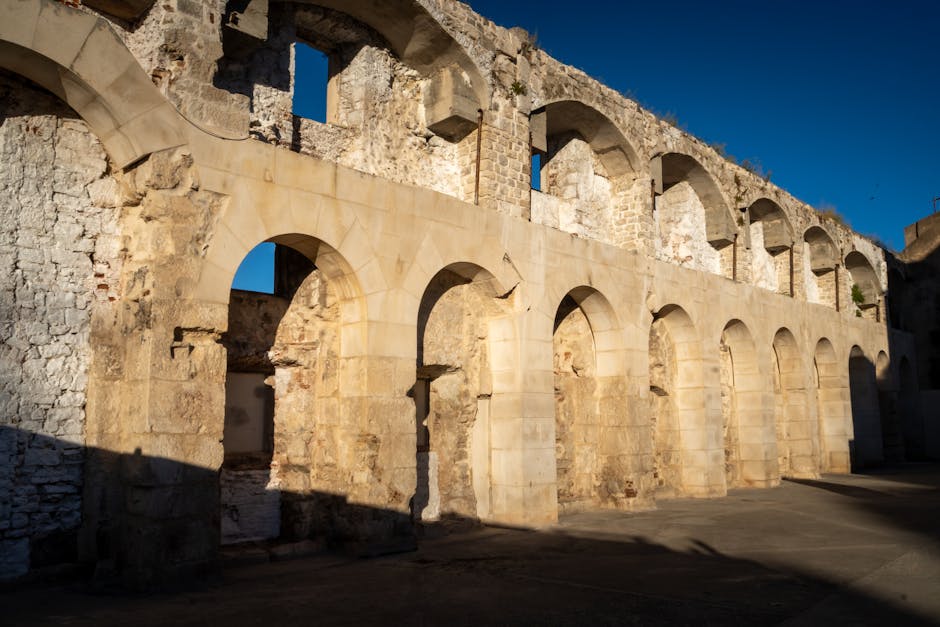
EasySplit, Croatia
Explore a 1,700-year-old Roman palace turned vibrant city. Discover ancient temples and medieval streets at your own pace with this audio walk.
 Easy
EasySplit, Croatia
Explore Split's literary heritage on this self-guided walk through the Old Town, featuring iconic poets, playwrights, and historic theaters.