Self-guided audio tour in Dubrovnik
Start Free on iPhone
Start free on iPhone to unlock this self-guided walking tour in Dubrovnik. Hear all the stories that make it amazing, walk at your own pace, and begin whenever you want.
Your Private Tour Guide
Step into the golden age of the Republic of Ragusa with this self-guided walk through the heart of Dubrovnik. As you move through the limestone-paved streets of the Old Town, you will uncover the story of a city-state that balanced diplomacy, trade, and architectural brilliance for centuries. This walking route focuses on the Rector’s Legacy, exploring the unique political system where a Rector was elected every month to prevent any single individual from seizing absolute power. This 'prisoner of the state' lived within the palace walls, serving the public good while surrounded by some of the most beautiful Gothic and Renaissance structures in the Mediterranean. This neighborhood stroll begins at the western entrance of the city, the Pile Gate, and leads you toward the spiritual and political center of the old republic. You will encounter the Church of St. Savior, a rare survivor of the catastrophic 1667 earthquake, and the Large Onofrio's Fountain, a masterpiece of medieval engineering that brought fresh water to the city from 12 kilometers away. As you continue toward Luža Square, the architecture tells a story of resilience and artistic evolution. You will see the Sponza Palace, where merchants once weighed their goods and the city’s archives are still kept today. The highlight of the route is the Rector’s Palace, a building that harmonizes Gothic, Renaissance, and Baroque styles, reflecting the various reconstructions necessitated by explosions and earthquakes. This explore-at-your-own-pace experience concludes at the Dubrovnik Cathedral, a site of deep religious significance built upon the ruins of several earlier churches. Along the way, this audio walk provides context to the intricate stone carvings, the history of the patron saint St. Blaise, and the maritime prowess that made Dubrovnik a rival to Venice. Whether you are a fan of history or simply wish to admire the 'Pearl of the Adriatic,' this walking tour Dubrovnik offers a comprehensive look at the city's enduring heritage.
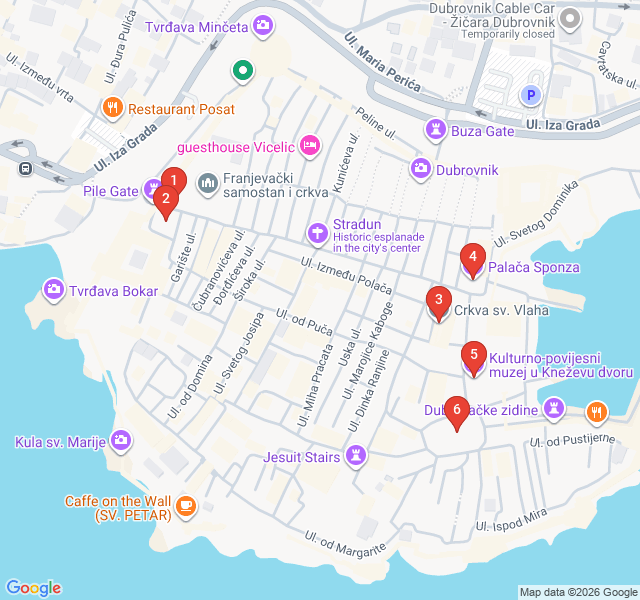
Numbers indicate the order of stops on the tour.
Start your journey at the Church of St. Savior, located right next to the Pile Gate. This modest but elegant church is a miracle of survival. Built between 1520 and 1528 as a token of gratitude for being spared from an earthquake, it ironically became one of the few buildings to remain standing after the Great Earthquake of 1667. Notice the fine Renaissance facade and the Gothic windows, which represent the transitional architectural style of the period. For centuries, this church has stood as a symbol of Dubrovnik's gratitude and resilience. It serves as the perfect introduction to the architectural journey you are about to begin through the limestone streets of the Old Town.
Just across from the church stands the Large Onofrio's Fountain, a circular structure that has been the city's primary meeting point since 1438. Named after its builder, Onofrio della Cava, this fountain was the terminus of an impressive 12-kilometer aqueduct system. While the fountain lost much of its ornate sculpture in the 1667 earthquake, the 16 stone masks, or 'maskeroni,' still pour fresh, drinkable water today. In the days of the Republic, this water system was a point of immense civic pride, ensuring the city's independence and health. Feel free to refill your water bottle here, just as travelers and locals have done for over five centuries.
Walk down the Stradun toward Luža Square to find the Church of St. Blaise. Dedicated to the city's patron saint, this Baroque masterpiece was built in the early 18th century. St. Blaise is everywhere in Dubrovnik—you will see his likeness on city walls and gates. Look closely at the silver statue of the saint on the main altar; he holds a model of Dubrovnik as it looked before the 1667 earthquake. Legend says St. Blaise appeared in a vision in 971 AD to warn the city of a Venetian invasion. Since then, his protection has been considered the cornerstone of the city’s freedom and identity.
On the northern side of the square sits the Sponza Palace, a stunning blend of Gothic and Renaissance architecture. Historically, this was a hive of activity, serving as the custom house, mint, treasury, and armory. Above the main arch, a Latin inscription reads: 'Our weights avoid cheating. When I measure goods, God measures me.' This reflects the Republic's strict adherence to fair trade. Today, the palace houses the State Archives, containing documents dating back nearly a millennium. The courtyard, with its elegant columns, remains one of the most photographed spots in the city and provides a glimpse into the sophisticated administrative life of old Ragusa.
Continue a few steps south to the Rector's Palace, the most significant secular building in Dubrovnik. This was the seat of the government and the residence of the Rector. To prevent corruption, the Rector served only a one-month term and was forbidden from leaving the palace except for official business. The architecture you see today is a mix of styles; the original Gothic palace was damaged by gunpowder explosions and earthquakes, leading to Renaissance and Baroque renovations. Look for the capital of the column depicting Aesculapius, the Greek god of medicine. Inside the atrium, the atmosphere is so regal and acoustically perfect that it is often used for classical concerts today.
Your walk concludes at the Dubrovnik Cathedral of the Assumption. The current Baroque structure was built after the 1667 earthquake, but excavations have revealed foundations of a 7th-century Byzantine basilica and a 12th-century Romanesque cathedral underneath. Legend says the Romanesque version was funded by King Richard the Lionheart after he was shipwrecked nearby. Inside, don't miss the polyptych of the Assumption by the Venetian master Titian above the main altar. The cathedral’s treasury is equally famous, housing over 130 gold and silver reliquaries. It is a fitting end to your journey, representing the spiritual heart that sustained the Republic through centuries of change.
Start Free on iPhone
Explore “The Rector's Legacy” with your very own Private Tour Guide with Zigway. Start free on iPhone, skip the large group and the fixed routes, and hear the city come alive as you go.
Your Private Tour Guide
Don't miss the good stuff
Explore Freely
 Easy
EasyDubrovnik, Croatia
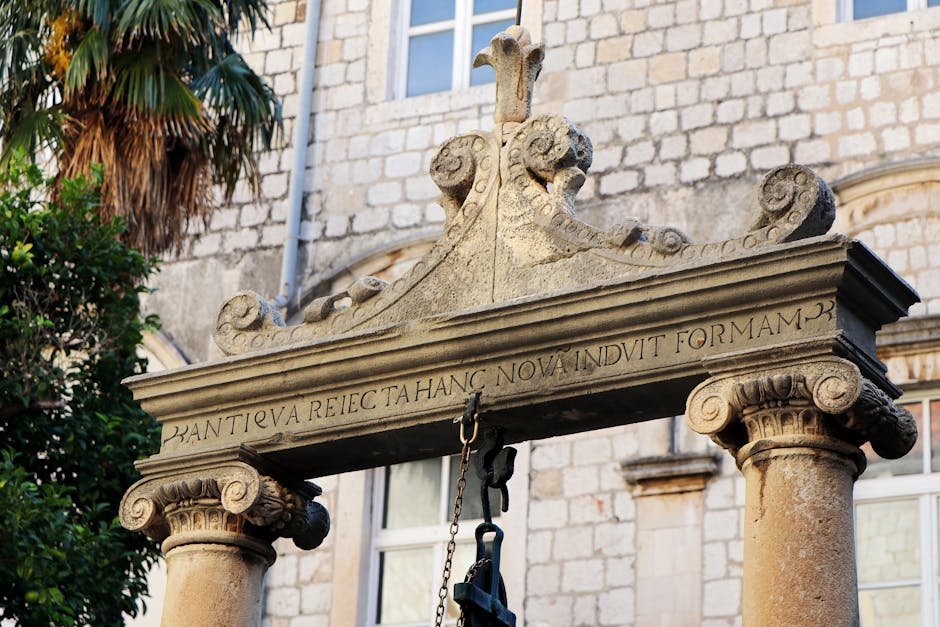
Explore Dubrovnik’s legendary maritime history on this self-guided walk through the Old Port, ancient shipyards, and the historic quarantine station.
 Easy
EasyDubrovnik, Croatia
Discover Dubrovnik's nocturnal charm on this self-guided walk through lantern-lit alleys, jazz spots, and hidden cliffside bars.
 Moderate
Dubrovnik, Croatia
Escape the crowds and discover Dubrovnik's wild side on this scenic self-guided coastal walk through Lapad's pine forests and hidden bays.
 Easy
EasyDubrovnik, Croatia
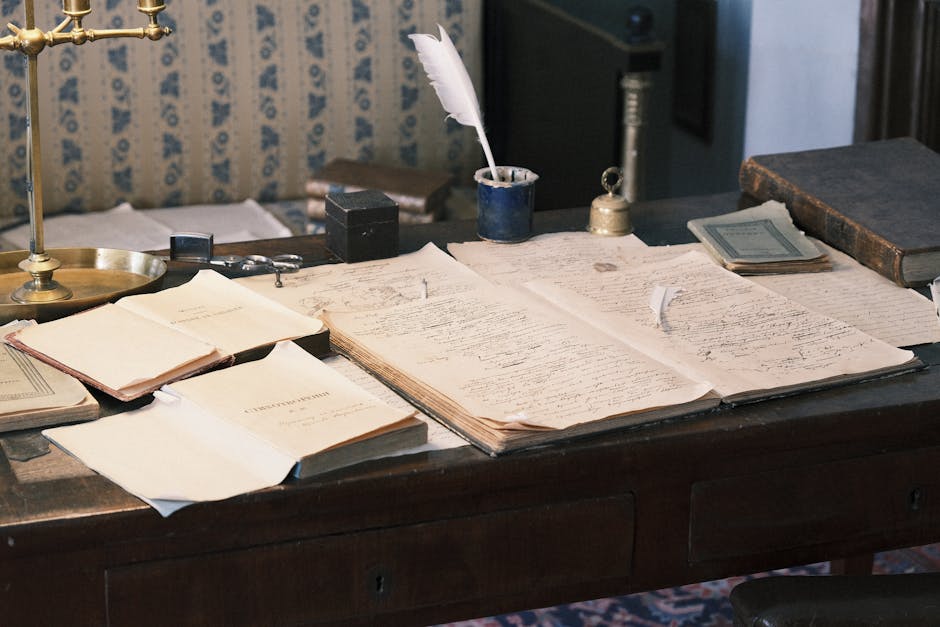
Discover Dubrovnik's intellectual soul on this self-guided walk through ancient libraries, historic pharmacies, and serene monastic cloisters.
 Easy
EasyNairobi, Kenya
Explore Nairobi's architectural evolution from colonial-era landmarks to iconic Brutalist skyscrapers on this historic self-guided walking route.
 Easy
EasyNairobi, Kenya
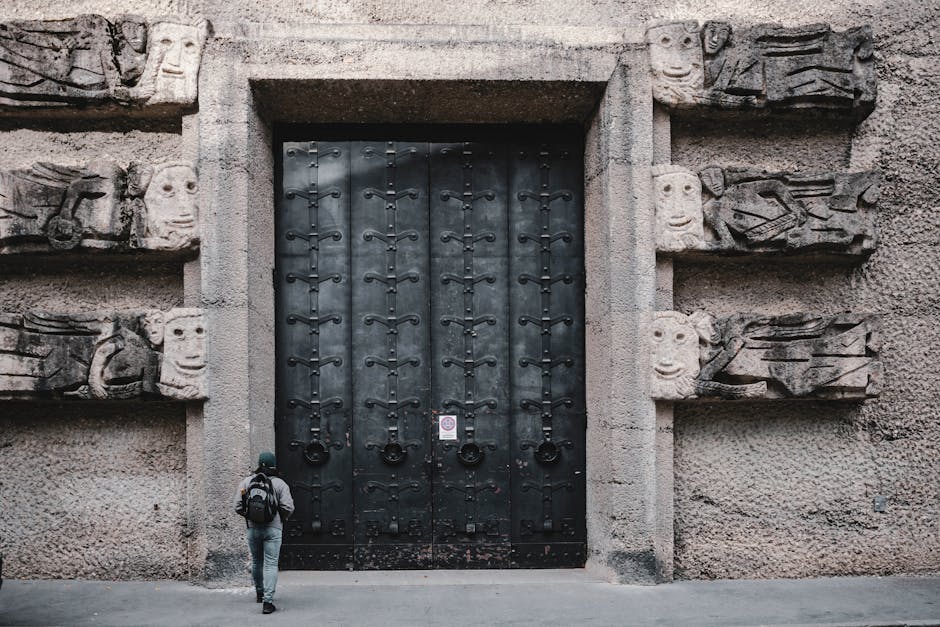
Discover Nairobi's iconic skyline on this self-guided architecture walk through the CBD’s most famous modernist and Brutalist landmarks.
 Easy
EasySalzburg, Austria
Discover the 'Rome of the North' on this self-guided walk through the Baroque squares and monumental legacy of Salzburg’s Prince-Archbishops.
 Easy
EasyGothenburg, Sweden
Discover Gothenburg’s 17th-century Dutch foundations, historic canals, and military fortifications on this self-guided architectural walk.
 Moderate
Split, Croatia
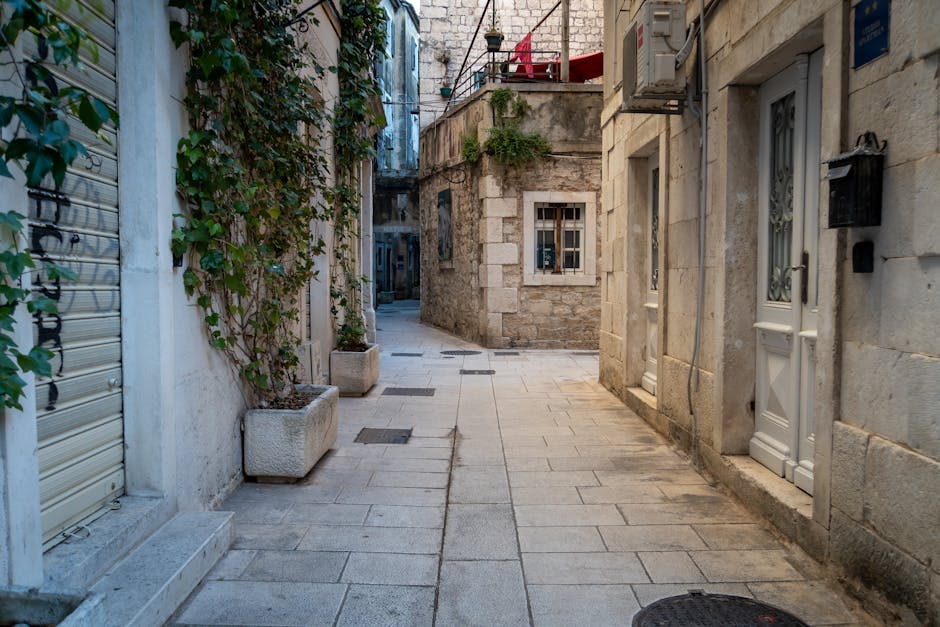
Wander through the narrow stone alleys and hidden medieval chapels of Split's historic fisherman's quarter on this scenic self-guided adventure.
 Easy
EasySplit, Croatia
Taste the heart of Dalmatia on this self-guided walk through Split's historic markets, legendary taverns, and vibrant street food spots.
 Easy
EasySplit, Croatia
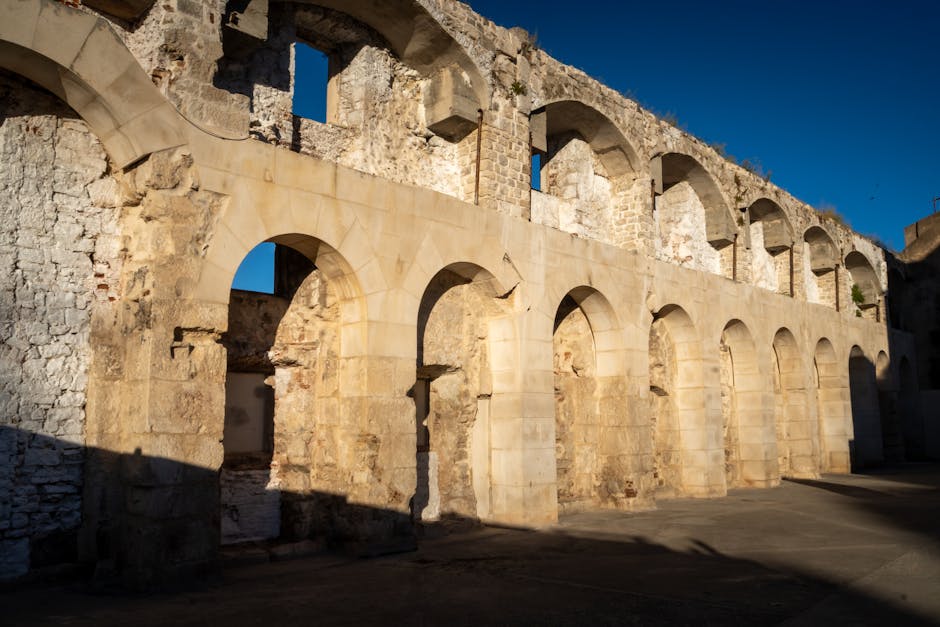
Explore a 1,700-year-old Roman palace turned vibrant city. Discover ancient temples and medieval streets at your own pace with this audio walk.
 Easy
EasySplit, Croatia
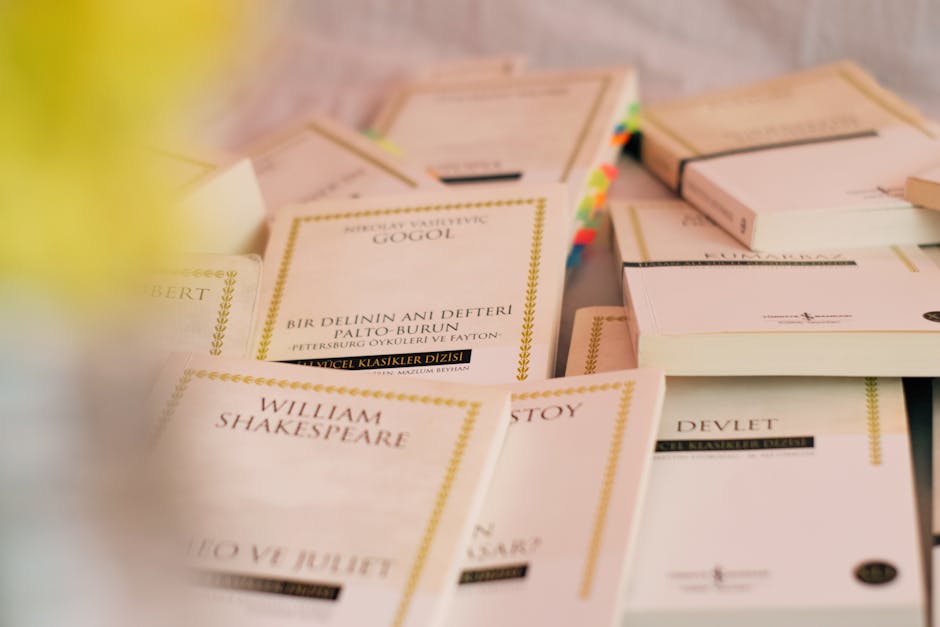
Explore Split's literary heritage on this self-guided walk through the Old Town, featuring iconic poets, playwrights, and historic theaters.