Self-guided audio tour in Split
Start Free on iPhone
Start free on iPhone to unlock this self-guided walking tour in Split. Hear all the stories that make it amazing, walk at your own pace, and begin whenever you want.
Your Private Tour Guide
Step into the ancient world of Meereen and Braavos without leaving the limestone streets of Split. This self-guided walk explores the 1,700-year-old Diocletian's Palace, a UNESCO World Heritage site that served as a primary filming location for the hit series Game of Thrones. As you navigate the winding alleys and subterranean vaults, you will see how the Roman Emperor's retirement residence was transformed into the city of Meereen, the site of Daenerys Targaryen's quest to liberate the enslaved. This neighborhood stroll offers a unique blend of authentic Roman history and cinematic fantasy, allowing you to stand exactly where the Mother of Dragons kept her children and where the Sons of the Harpy staged their deadly ambushes. The route begins in the heart of the palace at the Peristyle Square, a majestic courtyard that captures the scale of the Great Pyramid of Meereen. From there, you will descend into the cool, dark depths of the Palace Cellars, known to fans as the Dragon Pit. This walking route also leads you through the narrow, high-walled streets of the Papalić Palace area, where the slaves of Meereen rose up against their masters. You will visit the Golden Gate, the most ornate entrance to the city, and finish at a dedicated museum where you can see props and replicas from the show. Whether you are a die-hard fan of the series or simply interested in how modern film production interacts with ancient architecture, this walk provides a fascinating layer of storytelling to Split's historic center. By exploring independently, you can take as much time as you need to capture the perfect photo in the shadows of the Roman columns or spend extra time marvelling at the engineering of the subterranean vaults. This walking tour Split experience is designed to be flexible, letting you soak in the atmosphere of the Adriatic coast while retracing the steps of Khaleesi and her Unsullied army.
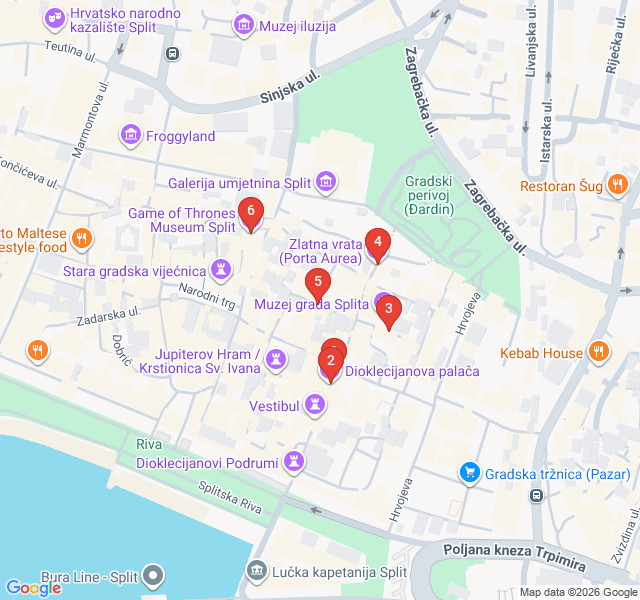
Numbers indicate the order of stops on the tour.
Welcome to the heart of the Roman Empire in Dalmatia. This central courtyard was the ceremonial hub of Emperor Diocletian’s palace, built at the turn of the 4th century. In the world of Game of Thrones, this majestic space, with its towering Corinthian columns and ancient Egyptian sphinxes, served as the exterior of the Great Pyramid of Meereen. Imagine Daenerys Targaryen standing above, overlooking her newly liberated city. The architecture here is so well-preserved that very little CGI was needed to make it look like a fantasy capital. Take a moment to look at the prothyrum—the entrance to the imperial apartments—which provided the perfect regal backdrop for the Mother of Dragons.
Below the palace lies one of the most iconic filming locations in the world: the Dragon Pit. These subterranean halls are a mirror image of the palace layout above, preserved for centuries by the refuse that was dumped here. In the show, this is where Daenerys kept Viserion and Rhaegal locked away. The damp, cavernous atmosphere and the echoing acoustics make it easy to imagine the dragons' roars. As you walk through these massive stone arches, you are standing in the very spot where the Unsullied guarded the queen’s most dangerous assets. Note the impressive Roman masonry that has supported the city above for nearly two millennia.
As you move through the narrow alleys near the Papalić Palace, you are entering the streets of Meereen during its most turbulent times. This area, with its high walls and overlapping balconies, was used for the scenes where the slaves of Meereen revolted against the Great Masters. In the show, the Unsullied distributed weapons to the enslaved people in these dark corners. The Gothic architecture of the Papalić Palace itself adds a medieval grit to the Roman foundations. It is one of the most atmospheric parts of the Old Town, where the shadows of the past—both Roman and fictional—seem to linger in every doorway.
The Porta Aurea, or Golden Gate, was the main entrance to the palace for the Emperor arriving from the nearby city of Salona. In the series, this gate served as an entrance to Meereen. It was near here that the iconic 'Kill the Masters' graffiti was seen by the liberating forces. The intricate niches once held statues of the four tetrarchs who ruled the Roman Empire. Today, it stands as a testament to the grandeur of the city. Just outside the gate, you'll see the massive statue of Gregory of Nin; while not in the show, rubbing his toe is a local tradition for good luck—perhaps something the masters of Meereen could have used.
This narrow corridor is a prime example of the 'kalas' or streets of Split that provided the perfect setting for the urban warfare seen in the show. Dominisova Street was used for the tense sequences where the Sons of the Harpy, wearing their gold masks, ambushed the Unsullied and Ser Barristan Selmy. The tight turns and hidden alcoves of the Old Town were ideal for the guerrilla tactics used by the insurgents of Meereen. Even without the masks and spears, the street retains a sense of mystery and history, showing how the living city of Split continues to inhabit its ancient shell.
Your journey through Meereen concludes at the Game of Thrones Museum. While the city itself is the set, this museum offers a chance to see the details up close. Inside, you can find high-quality replicas of armor, swords like Longclaw and Needle, and life-sized figures of the characters. It is a great place to contextualize what you have seen on your walk. You can even sit on a replica of the Iron Throne for a final photo. This stop bridges the gap between the ancient stone walls you've just traversed and the global phenomenon that brought the world's attention back to the historic heart of Split.
Start Free on iPhone
Explore “Game of Thrones: Real Meereen and Braavos” with your very own Private Tour Guide with Zigway. Start free on iPhone, skip the large group and the fixed routes, and hear the city come alive as you go.
Your Private Tour Guide
Don't miss the good stuff
Explore Freely
 Moderate
Split, Croatia
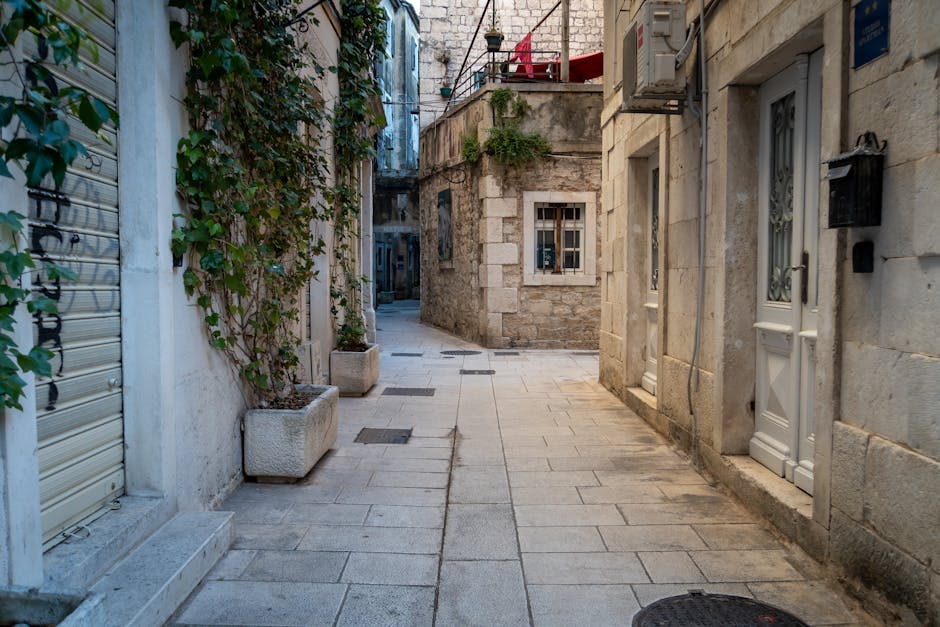
Wander through the narrow stone alleys and hidden medieval chapels of Split's historic fisherman's quarter on this scenic self-guided adventure.
 Easy
EasySplit, Croatia
Taste the heart of Dalmatia on this self-guided walk through Split's historic markets, legendary taverns, and vibrant street food spots.
 Easy
EasySplit, Croatia
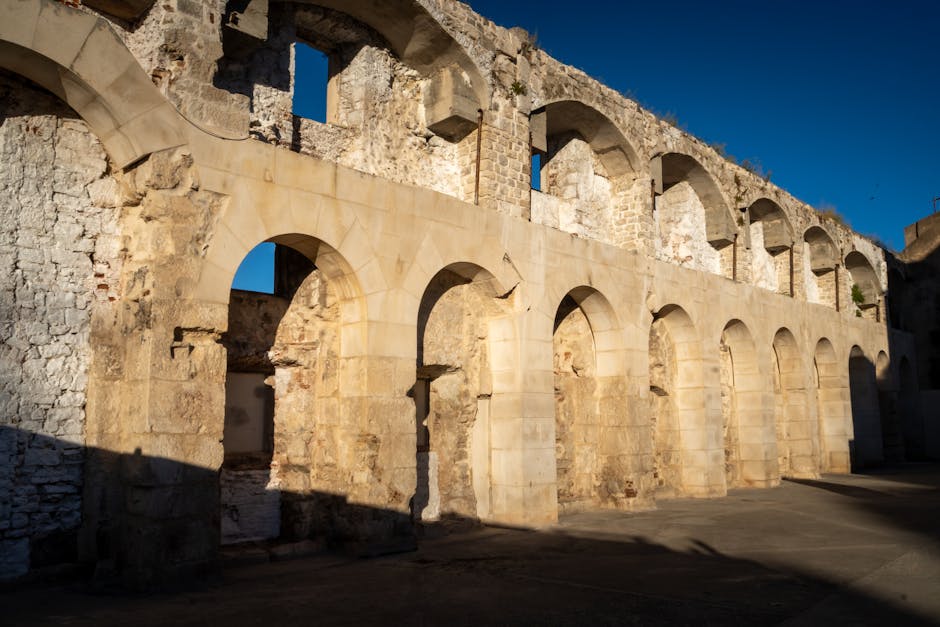
Explore a 1,700-year-old Roman palace turned vibrant city. Discover ancient temples and medieval streets at your own pace with this audio walk.
 Easy
EasySplit, Croatia
Explore Split's literary heritage on this self-guided walk through the Old Town, featuring iconic poets, playwrights, and historic theaters.
 Easy
EasyNairobi, Kenya
Explore Nairobi's architectural evolution from colonial-era landmarks to iconic Brutalist skyscrapers on this historic self-guided walking route.
 Easy
EasyNairobi, Kenya
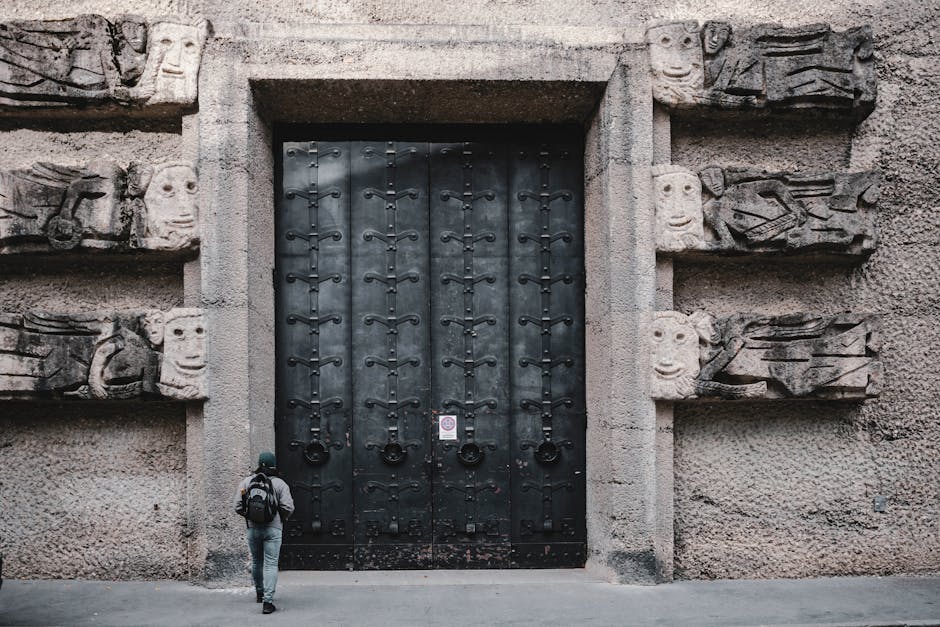
Discover Nairobi's iconic skyline on this self-guided architecture walk through the CBD’s most famous modernist and Brutalist landmarks.
 Easy
EasySalzburg, Austria
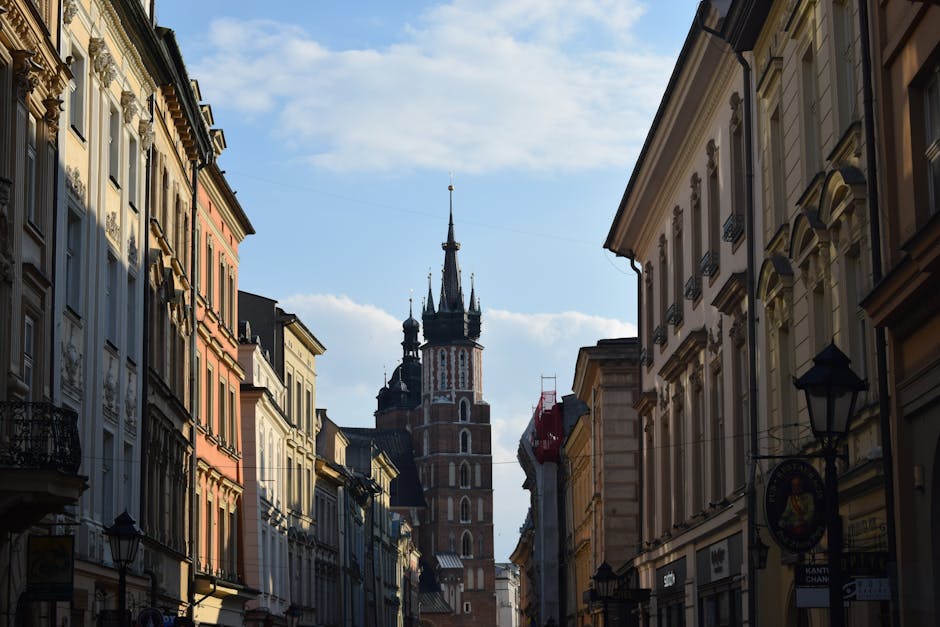
Discover the 'Rome of the North' on this self-guided walk through the Baroque squares and monumental legacy of Salzburg’s Prince-Archbishops.
 Easy
EasyKrakow, Poland
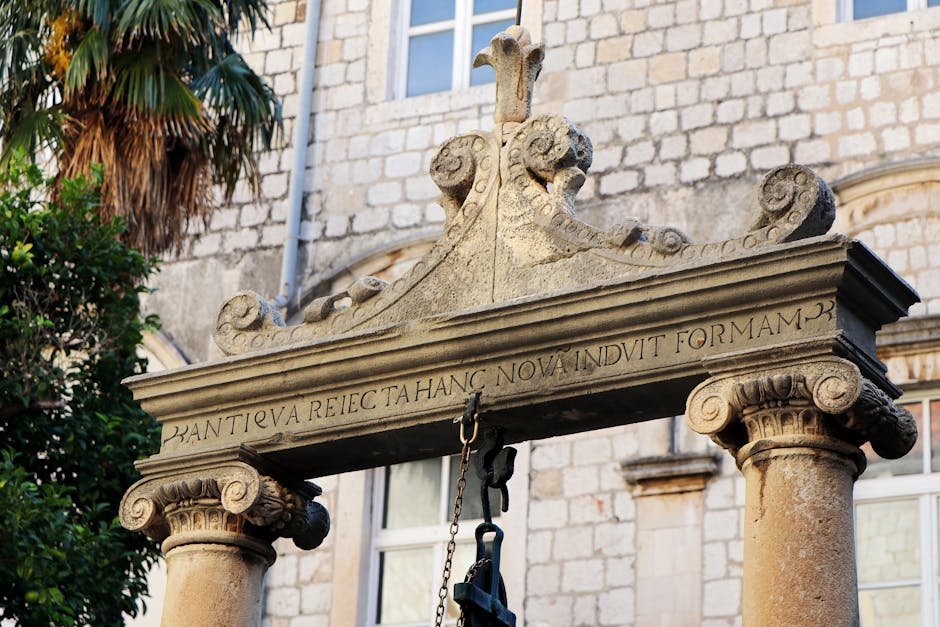
Uncover Krakow's legendary past on this self-guided walk from literary monuments to the fire-breathing Wawel Dragon.
 Easy
EasyDubrovnik, Croatia
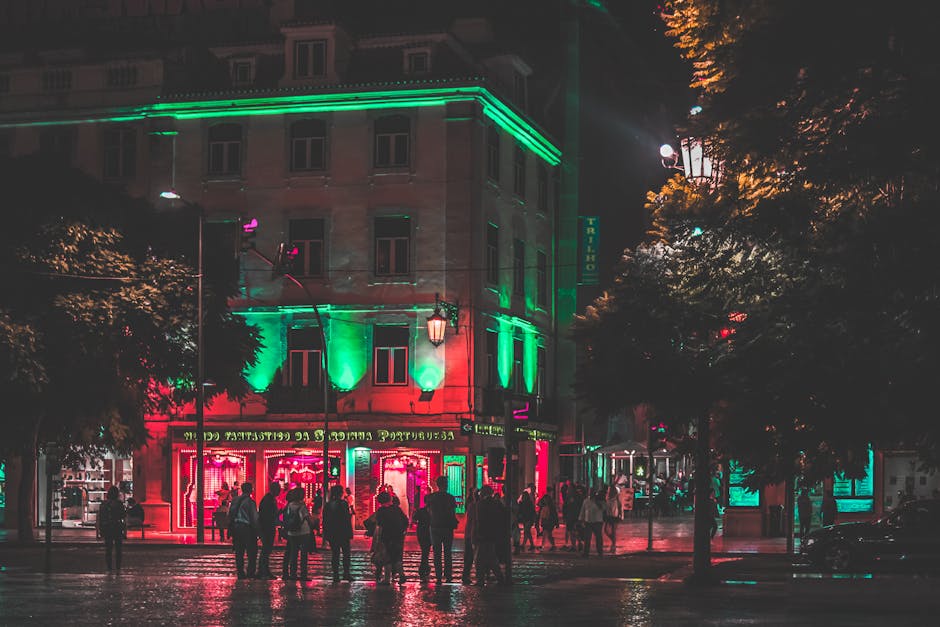
Explore Dubrovnik’s legendary maritime history on this self-guided walk through the Old Port, ancient shipyards, and the historic quarantine station.
 Easy
EasyDubrovnik, Croatia
Discover Dubrovnik's nocturnal charm on this self-guided walk through lantern-lit alleys, jazz spots, and hidden cliffside bars.
 Moderate
Dubrovnik, Croatia
Escape the crowds and discover Dubrovnik's wild side on this scenic self-guided coastal walk through Lapad's pine forests and hidden bays.
 Easy
EasyDubrovnik, Croatia
Discover Dubrovnik's intellectual soul on this self-guided walk through ancient libraries, historic pharmacies, and serene monastic cloisters.