Self-guided audio tour in Belgrade
Start Free on iPhone
Start free on iPhone to unlock this self-guided walking tour in Belgrade. Hear all the stories that make it amazing, walk at your own pace, and begin whenever you want.
Your Private Tour Guide
While modern Belgrade is often defined by its 19th-century European facades and Socialist-era blocks, a deeper layer of history lies just beneath the surface. For nearly three and a half centuries, Belgrade was a key outpost of the Ottoman Empire, serving as a bustling crossroads between East and West. Today, much of that heritage has been erased by time and urban renewal, but for those who know where to look, the 'Forgotten Belgrade' still speaks through its stones. This self-guided walk invites you to peel back the layers of the Stari Grad neighborhood and Kalemegdan Fortress to find the mosques, mausoleums, and fountains that survived the centuries. You will explore the atmospheric streets of Dorćol, a name derived from the Turkish 'Dört Yol' meaning 'four roads,' and discover how the city's architectural DNA was shaped by dervishes, grand viziers, and pashas. This walking route is perfect for history enthusiasts who want to see a side of the Serbian capital that most visitors miss. From the only remaining mosque in the city to the mysterious tomb of a Grand Vizier tucked away in a fortress, this audio walk offers a window into a vanished world. Along the way, you'll encounter the legacy of Mehmed Paša Sokolović, a man who rose from a Serbian village to the highest ranks of the Ottoman court, and see how the Ottoman past still influences the layout of the city's oldest districts. Whether you are a first-time visitor or a local history buff, this walking tour Belgrade experience provides a unique perspective on the city's complex identity. By following this neighborhood stroll, you can explore at your own pace, stopping to admire the intricate masonry or enjoy a traditional coffee in the heart of the old town. This travel experience is designed for those who prefer to discover history independently, away from the crowds, focusing on the hidden gems that make Belgrade truly unique.
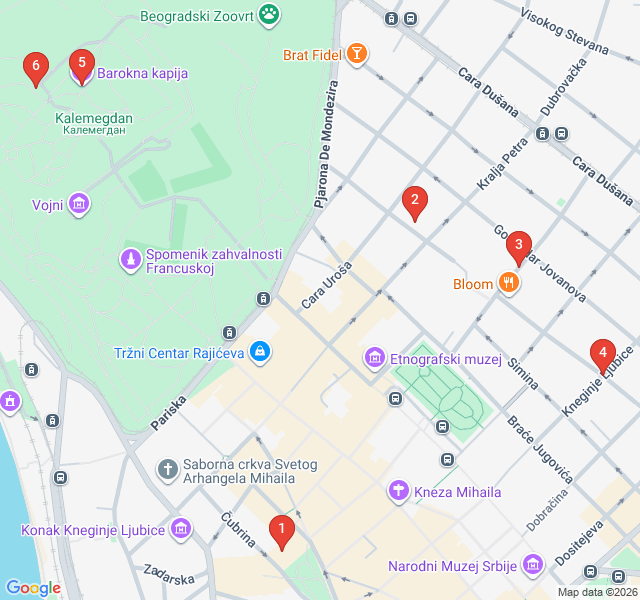
Numbers indicate the order of stops on the tour.
Our self-guided adventure begins here, at the Museum of Applied Arts. While the building itself is a beautiful example of early 20th-century architecture, its location is steeped in much older history. This site once sat near the heart of the Ottoman city. As you stand here, imagine the area not as a modern European street, but as a dense network of wooden houses and small shops. Excavations in this immediate area have frequently revealed the stone foundations of Ottoman-era structures, including remnants of dervish lodges known as tekkes. These buildings were centers of spiritual life and social gathering. The layers of Belgrade are literally piled on top of one another here, with the Ottoman city serving as the foundation for the Serbian capital that emerged in the 19th century.
You are standing before the Bajrakli Mosque, built around 1575. Its name comes from the Turkish word 'Bayrak,' meaning flag; it was the mosque that would raise a flag to signal the start of prayer to the other mosques in the city. At the height of Ottoman rule, Belgrade boasted over 200 mosques and prayer houses, but this is the only one that remains active today. Over the centuries, it has been converted into a Catholic church and back again, depending on who held the city. Look at the simple, elegant stonework and the single minaret. This building is a survivor, having withstood fires, wars, and the radical reconstruction of the city. It remains the spiritual heart of Belgrade's Muslim community.
This small, hexagonal stone building is the Türbe of Sheikh Mustafa, dating back to 1783. A türbe is a mausoleum, and this one was originally part of a larger complex belonging to a dervish order. Sheikh Mustafa was a highly respected leader of the tekke that once stood where the neighboring park is now. Inside the tomb, the Sheikh and several other dervish leaders were laid to rest. While the dervish lodge was demolished in the late 19th century as Belgrade sought to modernize and 'Europeanize' its image, this sacred tomb was spared. It stands today as one of the most significant examples of Islamic funerary architecture in the Balkans, a quiet sentinel of the city's spiritual past.
As you walk through these narrow streets in the lower part of Dorćol, you are following the original urban plan of the Ottoman city. While most of Belgrade was redesigned with wide, straight boulevards in the 1860s, this pocket of Stari Grad retains its winding, organic character. The name Dorćol itself is a Turkish legacy, coming from 'Dört Yol,' signifying the intersection of four major trading roads. This was once the city's most vibrant commercial district, where merchants from across the empire traded spices, silks, and coffee. Notice how the streets don't follow a strict grid; this layout allowed for shaded paths and private residential courtyards, typical of Ottoman urban design where life was lived both in the bustling market and the secluded home.
Located within the Upper Town of the Belgrade Fortress, this elegant stone structure is the Tomb of Damad Ali-pasha. Built in 1722, it is one of the few remaining examples of Ottoman secular monuments in the city. Damad Ali-pasha was a Grand Vizier who died in battle against the Austrians. Interestingly, while the tomb bears his name, it also holds the remains of other high-ranking Ottoman officials. The architecture is classic Ottoman—a simple square base topped with an octagonal drum and a dome. Its prominent position within the fortress walls highlights how central the Ottoman administration was to the military defense of the city. It remains a peaceful spot with a commanding view of the confluence of the Sava and Danube rivers.
Our final stop is the fountain of Mehmed Paša Sokolović, a masterpiece from 1576. Sokolović is one of history's most fascinating figures: born a Serbian Orthodox Christian, he was taken to Istanbul as a boy, converted to Islam, and rose to become the Grand Vizier under three Sultans. He never forgot his roots and commissioned many works in his homeland, including this fountain. For centuries, it provided fresh water to soldiers and travelers in the fortress. It was buried for a long time and only rediscovered and restored in the 20th century. The simple beauty of the stone and the sound of the water offer a perfect moment of reflection on the complex, intertwined histories of the people who have called Belgrade home.
Start Free on iPhone
Explore “Secrets of the Ottoman Past: Forgotten Belgrade” with your very own Private Tour Guide with Zigway. Start free on iPhone, skip the large group and the fixed routes, and hear the city come alive as you go.
Your Private Tour Guide
Don't miss the good stuff
Explore Freely
 Easy
EasyBelgrade, Serbia
Discover Lower Dorćol, where 18th-century history meets industrial revival and vibrant street art on this self-guided stroll through Belgrade.
 Easy
EasyBelgrade, Serbia
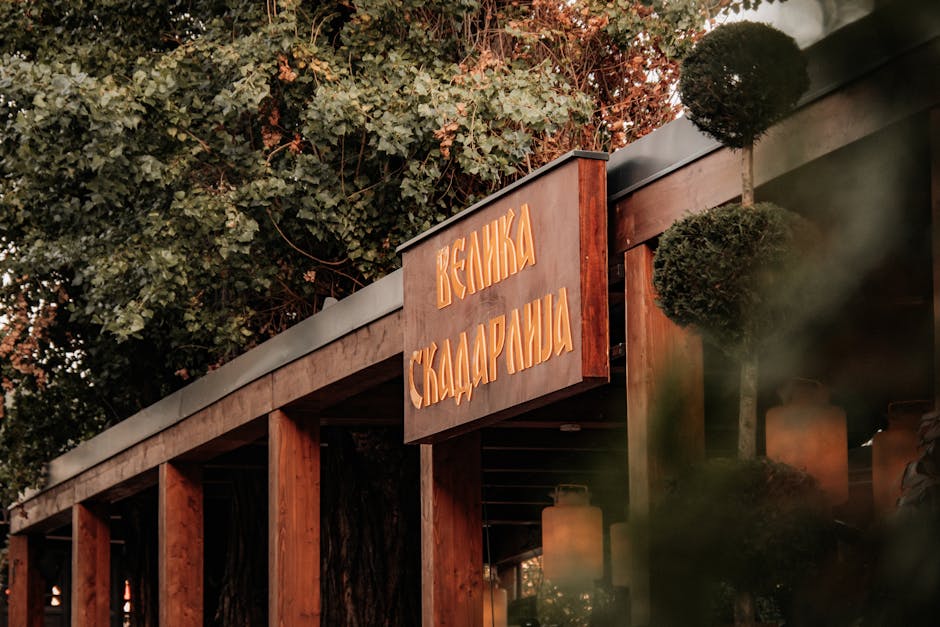
Discover Belgrade’s bohemian heart. Explore the historic Skadarlija quarter and Dorćol’s hidden Ottoman gems on this self-guided audio walk.
 Easy
EasyBelgrade, Serbia
Explore the future of Serbia's capital on this self-guided walk through the modern Belgrade Waterfront and the scenic Sava Promenada.
 Moderate
Belgrade, Serbia
Explore the legacy of Yugoslavia on this self-guided walk from Tito’s tomb to the historic ruins and monuments of central Belgrade.
 Easy
EasySalzburg, Austria
Discover Salzburg's oldest medieval alley, the birthplace of the 'Silent Night' author, and breathtaking views on this quiet self-guided walk.
 Easy
EasyKrakow, Poland
Explore the prestigious Jagiellonian University district, featuring Neo-Gothic architecture, Baroque churches, and Krakow's hidden scholarly gems.
 Easy
EasyKrakow, Poland
Explore the historic heart of Kazimierz on this self-guided walk through synagogues, ancient cemeteries, and vibrant squares.
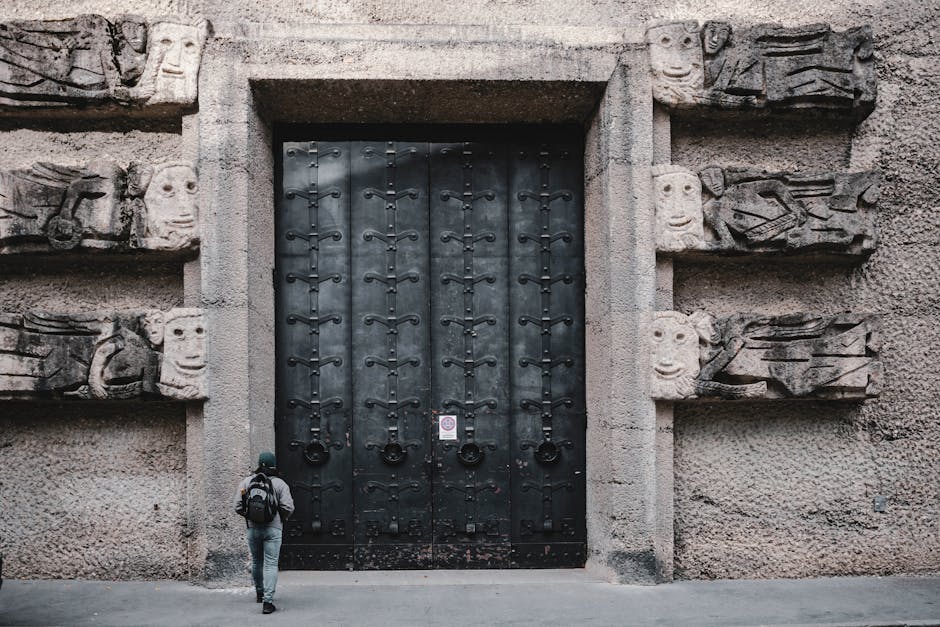 Easy
EasySalzburg, Austria
Discover the 'Rome of the North' on this self-guided walk through the Baroque squares and monumental legacy of Salzburg’s Prince-Archbishops.
 Easy
EasyNovi Sad, Serbia
Explore the vibrant soul of Novi Sad's nightlife on this self-guided walk through iconic pubs, craft beer gems, and the famous Laze Telečkog street.
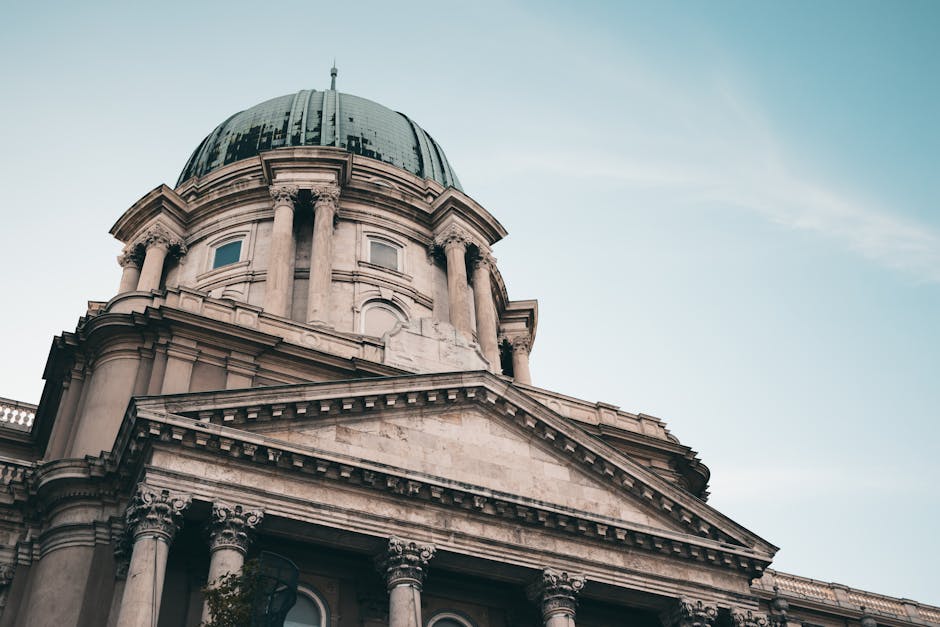 Easy
EasyNovi Sad, Serbia
Explore the Austro-Hungarian grandeur of Novi Sad's historic center on this self-guided walking route through the elegant streets of Stari Grad.
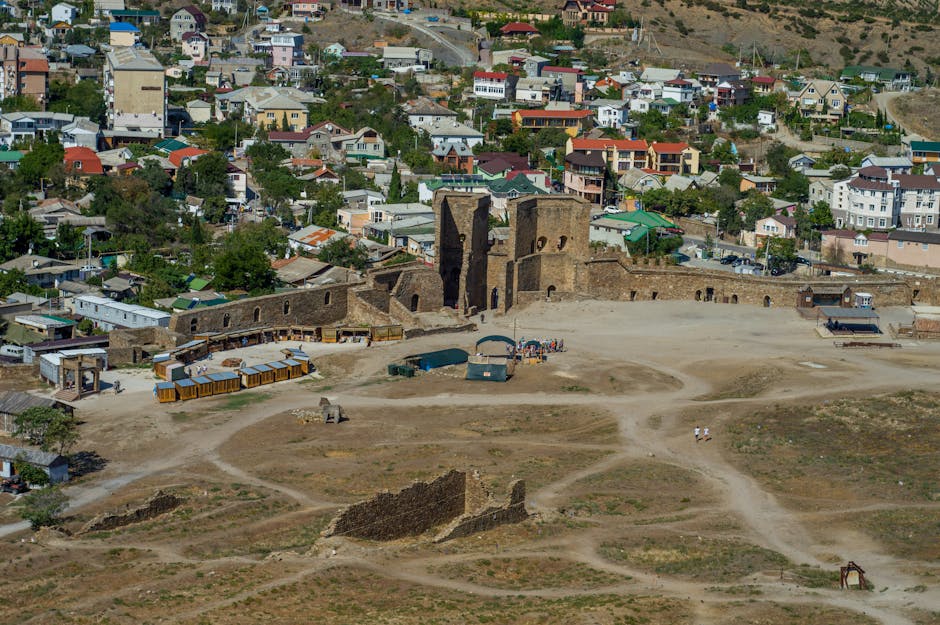 Moderate
Novi Sad, Serbia
Explore the 'Gibraltar on the Danube' from Novi Sad's elegant city center to the massive underground tunnels of Petrovaradin Fortress.
 Easy
EasyNovi Sad, Serbia
Taste your way through Novi Sad's vibrant markets and iconic street food on this self-guided culinary stroll through the heart of Vojvodina.