Self-guided audio tour in Belgrade
Start Free on iPhone
Start free on iPhone to unlock this self-guided walking tour in Belgrade. Hear all the stories that make it amazing, walk at your own pace, and begin whenever you want.
Your Private Tour Guide
Step back into a time when Belgrade was the beating heart of a third-way superpower on this self-guided walk through the socialist legacy of Josip Broz Tito. This walking route is designed for those who want to understand the complex layers of Yugoslavia, from its idealistic beginnings to its dramatic dissolution. You will begin in the elite Dedinje neighborhood, the former seat of power, before making your way toward the city center to see how the architecture of the state reflects the history of its people. This is more than just a historical journey; it is an exploration of the 'Yugo-nostalgia' that still permeates the city today. Belgrade served as the capital of the Socialist Federal Republic of Yugoslavia, a nation that famously broke with Stalin and positioned itself as a bridge between the East and the West. Along this neighborhood stroll, you will encounter the final resting place of Tito, the visionary who held the diverse republics together for decades. As you transition from the quiet greenery of the museums toward the bustling city center, the landscape changes from manicured parks to the haunting ruins of the General Staff Building, a stark reminder of the 1999 NATO bombings that signaled the end of an era. This self-guided walk Belgrade offers provides a unique perspective on how a city reconciles its grand socialist past with its modern European identity. You will see the House of the National Assembly, a site of revolution and regime change, and find peace in Tašmajdan Park, a space that has witnessed centuries of struggle. Whether you are a history buff interested in the Cold War or a traveler seeking to understand the soul of the Balkans, this walking tour Belgrade visitors can enjoy at their own pace offers deep insights into the monuments and memories of a vanished country. Discover the stories of the Non-Aligned Movement, the architectural experiments of the Brutalist era, and the resilient spirit of the Serbian people as you explore independently through Belgrade's historic streets.
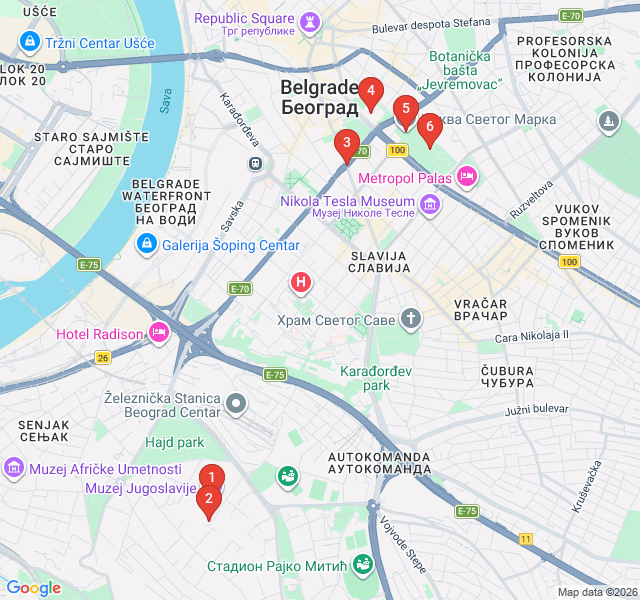
Numbers indicate the order of stops on the tour.
Begin your exploration at the Museum of Yugoslavia, the most visited museum in Serbia. This complex is dedicated to the history of the Socialist Federal Republic of Yugoslavia and its charismatic leader, Josip Broz Tito. As you walk through the exhibits, you'll see a vast collection of gifts presented to Tito by world leaders, from golden swords to lunar rocks. The museum documents the 'Third Way'—Yugoslavia's unique position during the Cold War as a leader of the Non-Aligned Movement. It provides a fascinating look at how the state used art, culture, and international relations to build a distinct national identity that transcended ethnic divisions.
Adjacent to the museum is the House of Flowers, the final resting place of Josip Broz Tito and his wife, Jovanka Broz. Built in 1975 as a winter garden for the leader, it was converted into a mausoleum after his death in 1980. The simple marble tomb is surrounded by lush greenery, reflecting Tito's love for nature. Every year on May 25th, the anniversary of his birth, crowds of 'Yugo-nostalgics' still gather here to pay their respects. Observe the relay batons on display nearby—symbols of the 'Relay of Youth' that once traveled across all six republics to celebrate the unity of the Yugoslav people.
After a short transit or a long downhill walk from Dedinje, you reach the intersection of Nemanjina and Kneza Miloša. Here stand the twin ruins of the Yugoslav Ministry of Defence and General Staff Building. Designed by architect Nikola Dobrović in the late 1950s to resemble the Sutjeska canyon, these buildings were masterpieces of Serbian Modernism. They were severely damaged during the 1999 NATO bombings. Today, the skeletal remains serve as a powerful monument to the conflict and a controversial landmark in the city’s skyline, representing the painful transition from the socialist era to the present day.
Continue your route to the House of the National Assembly, a monumental building that has served as the seat of various parliaments since 1936. While its origins predate the socialist era, it was here that the laws of Socialist Yugoslavia were debated and where the dramatic 'October 5th' revolution took place in 2000, leading to the fall of Slobodan Milošević. The architecture is a blend of Neo-Renaissance and Neo-Baroque styles, guarded by the famous 'Black Horses at Play' sculptures by Toma Rosandić. It remains the political heart of modern Serbia, standing as a witness to the country's turbulent 20th-century history.
Just behind the Assembly lies St. Mark's Church, one of the largest and most beautiful Orthodox churches in Belgrade. Built in the 1930s in the Serbo-Byzantine style, it was modeled after the Gračanica monastery. During the socialist period, while religious practice was often discouraged in favor of state ideology, St. Mark's remained a vital spiritual center. Inside, you will find the sarcophagus of Emperor Dušan the Mighty and the tomb of Patriarch German. The church’s red brick exterior and massive domes provide a striking visual contrast to the surrounding socialist-era administrative buildings and the modern city skyline.
Conclude your walk in Tašmajdan Park, a favorite local spot with a deep history. Built over an ancient Roman quarry and a network of underground caves, the park was transformed into a public green space during the socialist era. Look for the 'Child' monument, dedicated to the children killed during the 1999 bombings, and the monument to Russian writer Alexander Pushkin. Tašmajdan has served as a site for protests, concerts, and quiet afternoons. It is the perfect place to reflect on the layers of Belgrade’s history—from Roman stones to socialist planning—while watching local families enjoy the vibrant atmosphere of the present day.
Start Free on iPhone
Explore “Yugo-Nostalgia: Walking Tito’s Socialist Legacy” with your very own Private Tour Guide with Zigway. Start free on iPhone, skip the large group and the fixed routes, and hear the city come alive as you go.
Your Private Tour Guide
Don't miss the good stuff
Explore Freely
 Easy
EasyBelgrade, Serbia
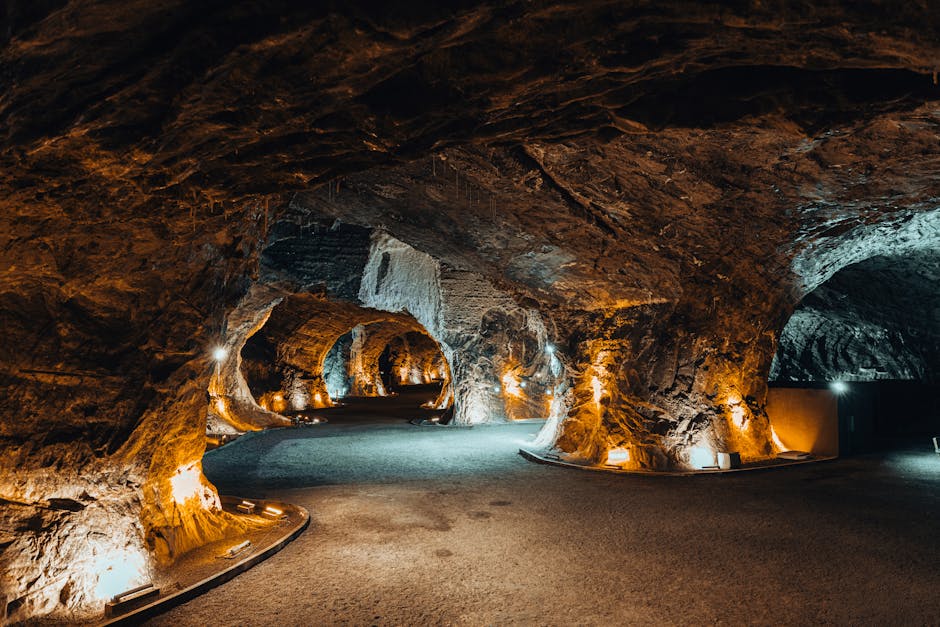
Discover Lower Dorćol, where 18th-century history meets industrial revival and vibrant street art on this self-guided stroll through Belgrade.
 Easy
EasyBelgrade, Serbia
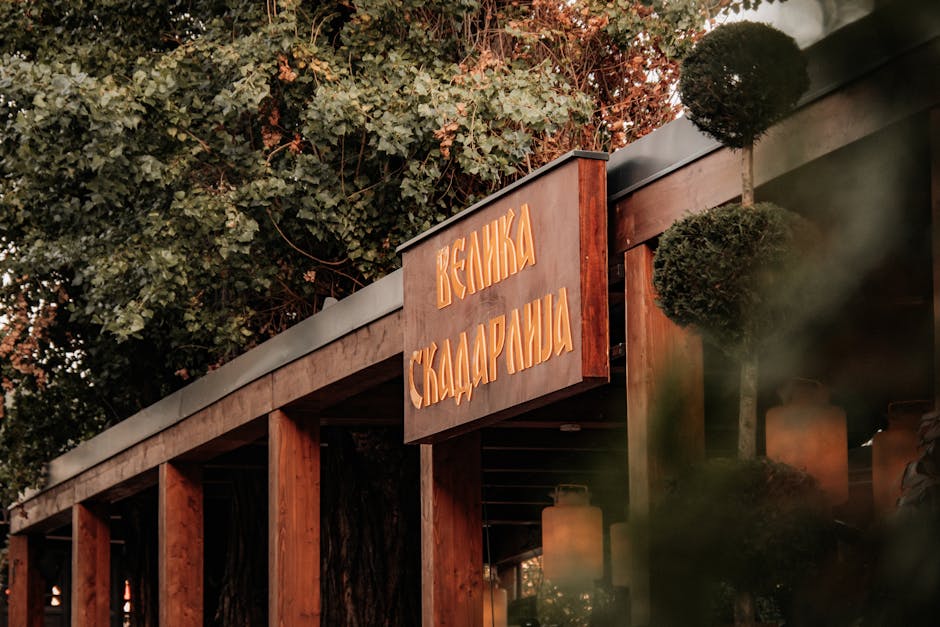
Discover Belgrade’s bohemian heart. Explore the historic Skadarlija quarter and Dorćol’s hidden Ottoman gems on this self-guided audio walk.
 Easy
EasyBelgrade, Serbia
Explore the future of Serbia's capital on this self-guided walk through the modern Belgrade Waterfront and the scenic Sava Promenada.
 Easy
EasyBelgrade, Serbia
Discover the intellectual soul of Belgrade on this self-guided walk through the haunts of Nobel laureates, poets, and revolutionary thinkers.
 Moderate
Warsaw, Poland
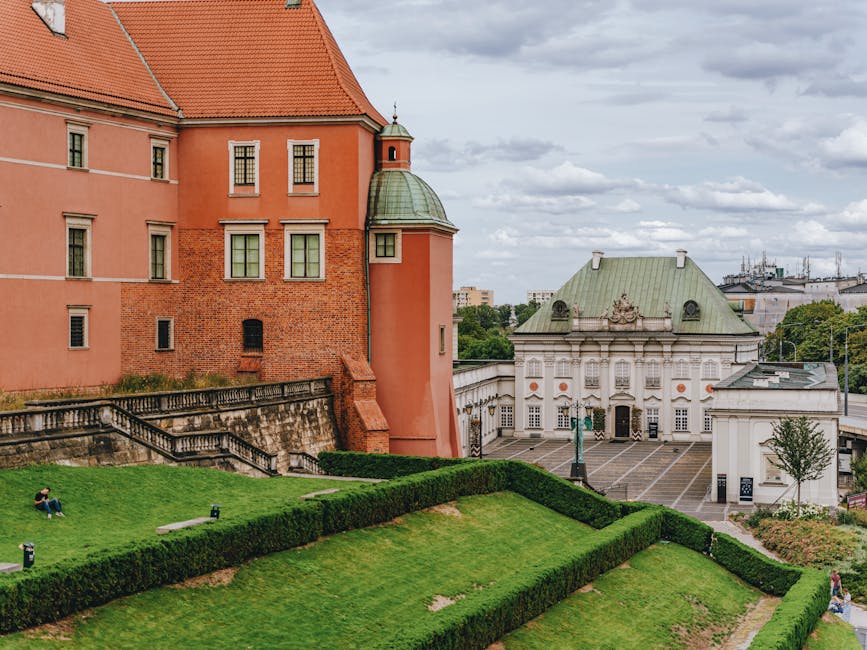
A powerful self-guided walk through Warsaw's WWII history, tracking the 1944 Uprising from ruined skyscrapers to solemn memorials.
 Easy
EasyNairobi, Kenya
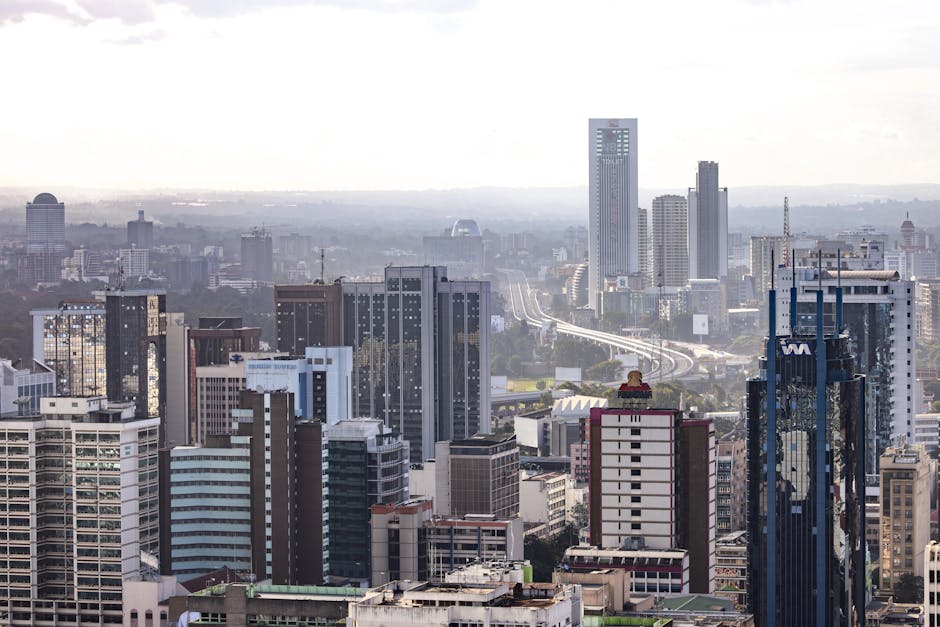
Explore Nairobi's architectural evolution from colonial-era landmarks to iconic Brutalist skyscrapers on this historic self-guided walking route.
 Easy
EasyNairobi, Kenya
Discover Nairobi's iconic skyline on this self-guided architecture walk through the CBD’s most famous modernist and Brutalist landmarks.
 Moderate
Vienna, Austria
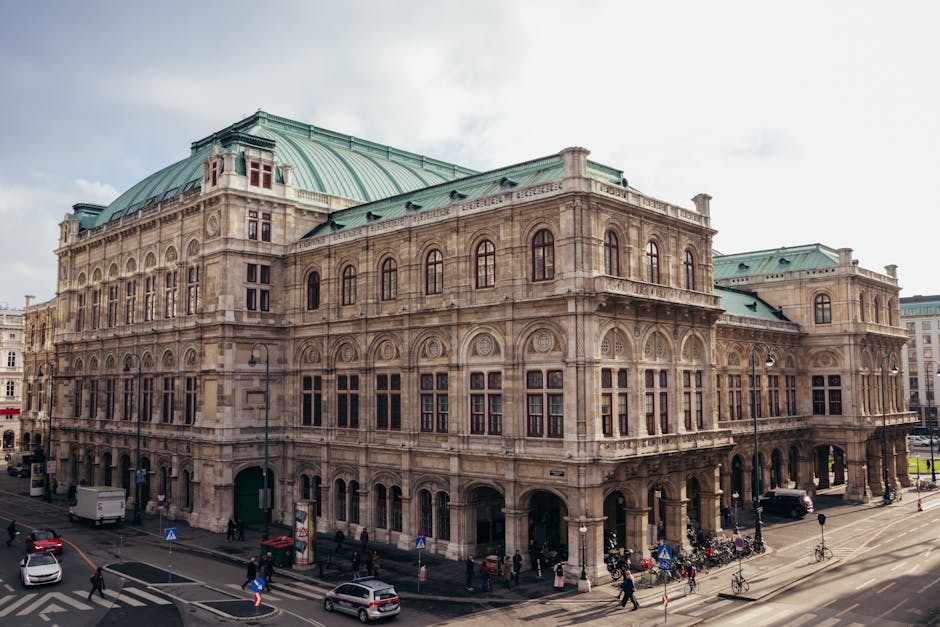
Follow the footsteps of Mozart and Strauss through Vienna’s historic center on this self-guided walk through the city's rich musical history.
 Easy
EasyNovi Sad, Serbia
Explore the vibrant soul of Novi Sad's nightlife on this self-guided walk through iconic pubs, craft beer gems, and the famous Laze Telečkog street.
 Easy
EasyNovi Sad, Serbia
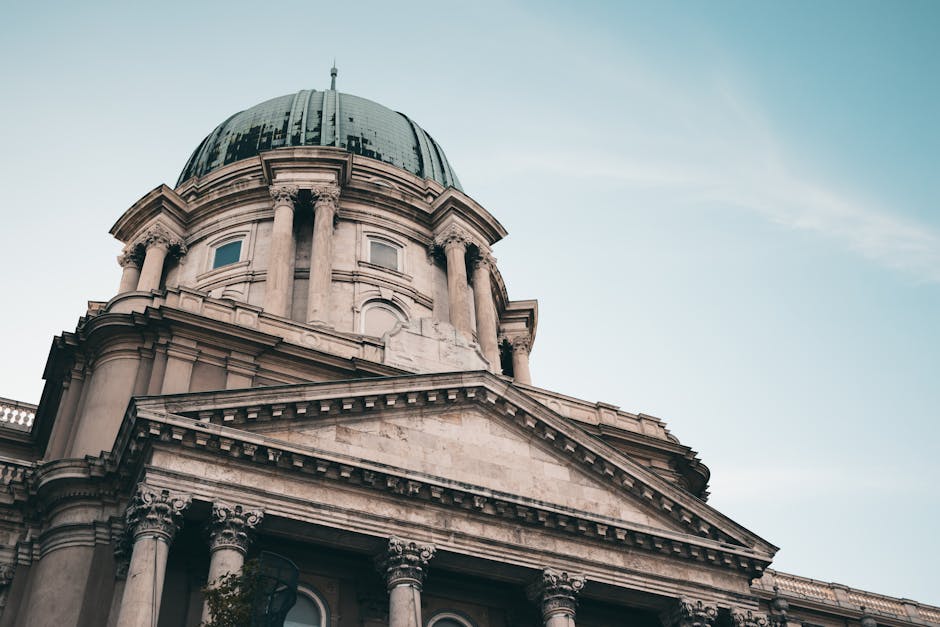
Explore the Austro-Hungarian grandeur of Novi Sad's historic center on this self-guided walking route through the elegant streets of Stari Grad.
 Moderate
Novi Sad, Serbia
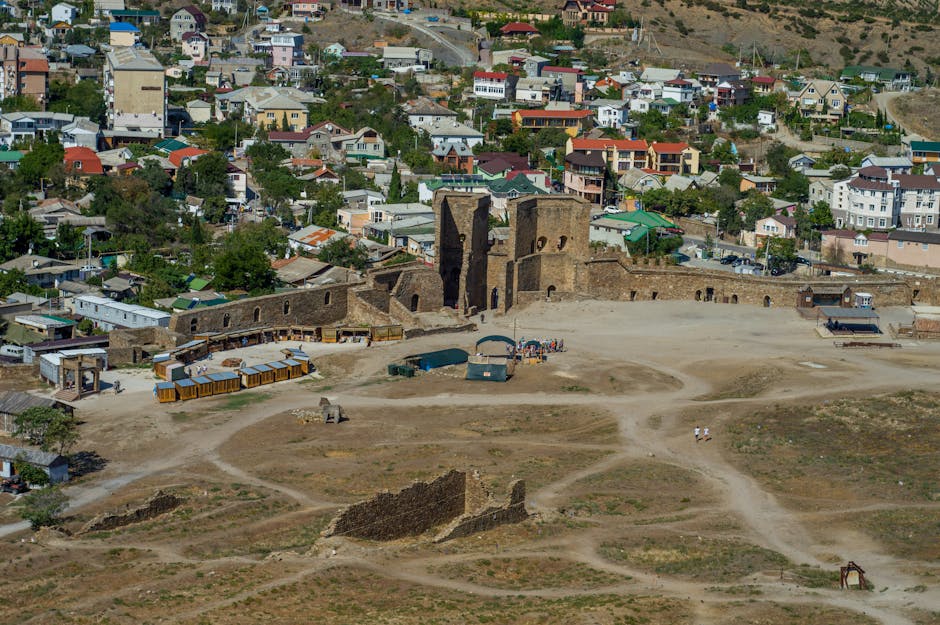
Explore the 'Gibraltar on the Danube' from Novi Sad's elegant city center to the massive underground tunnels of Petrovaradin Fortress.
 Easy
EasyNovi Sad, Serbia
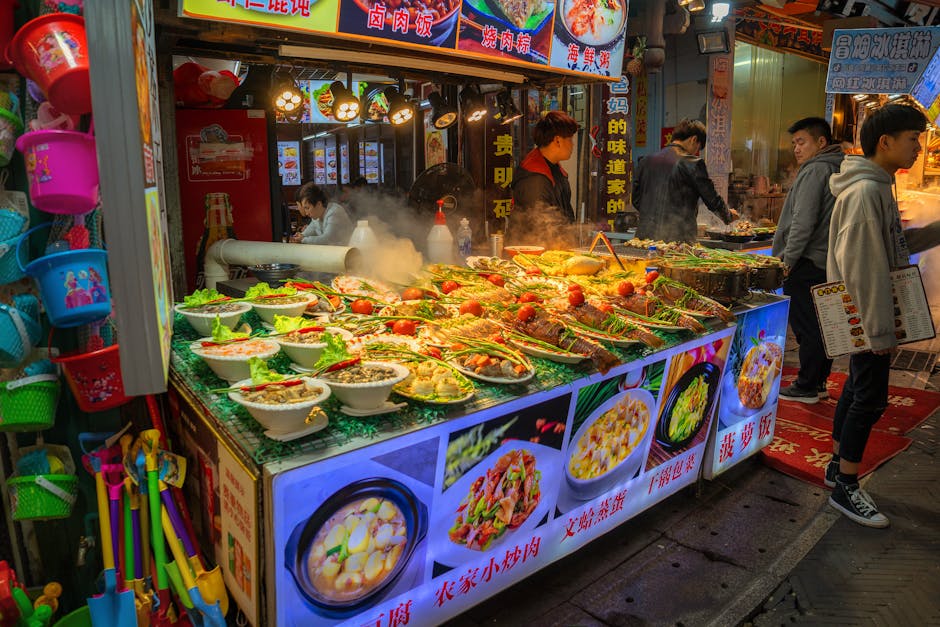
Taste your way through Novi Sad's vibrant markets and iconic street food on this self-guided culinary stroll through the heart of Vojvodina.