Self-guided audio tour in Belgrade
Start Free on iPhone
Start free on iPhone to unlock this self-guided walking tour in Belgrade. Hear all the stories that make it amazing, walk at your own pace, and begin whenever you want.
Your Private Tour Guide
Lower Dorćol is Belgrade's coolest contradiction. It is a place where 18th-century architecture rubs shoulders with brutalist silos and contemporary street art. This self-guided walk invites you to peel back the layers of a neighborhood that was once the heart of the city's Jewish community and later its industrial powerhouse. Starting in the upper reaches and descending toward the Danube, you will see how Belgrade reinvents itself. Explore the Jewish Historical Museum to understand the pre-WWII fabric of the city, then visit a house that has survived three centuries of conflict and change. As you move toward the river, the landscape shifts dramatically. You will witness the transformation of massive industrial grain silos into vibrant cultural hubs and see how spaces like Dorćol Platz have become sanctuaries for modern urbanites. This neighborhood stroll isn't just about landmarks; it's about the grit and the glamour of Belgrade's soul. The air here is a unique mix of fresh river breezes and the scent of roasting coffee from the many independent roasteries that line the narrow streets. Whether you are interested in the somber history of the Holocaust or the bright future of Belgrade's creative scene, this walking route provides a comprehensive look at the city's most eclectic district. Exploring independently allows you to stop for a craft beer or a traditional Balkan pastry whenever the mood strikes, truly soaking in the local atmosphere. Discover the 'Belgrade Berlin' vibe at your own pace, away from the crowded main thoroughfares of the city center. This self-guided walking tour Belgrade experience offers a deeper look than any standard guided tour Belgrade visitors might typically find. From the medieval Nebojša Tower, which has guarded the river for centuries, to the towering murals of Silosi, the path reveals a city that refuses to be defined by just one era. It is a place of transition, where old-world European charm meets the raw energy of a post-industrial revival. By the time you reach the banks of the Danube, you will have traversed centuries of history, from the Ottoman and Austrian empires to the modern day. This is Belgrade at its most authentic—unfiltered, historic, and creatively restless. **Note:** This area is known for its ever-changing character. Street art, pop-up venues, and temporary exhibitions may differ from what's described. That's part of the adventure - you might discover something entirely new!
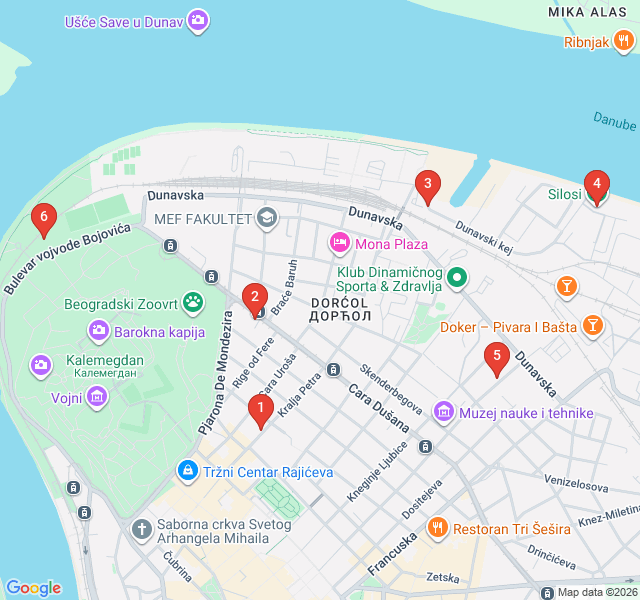
Numbers indicate the order of stops on the tour.
Kralja Petra street is one of the oldest in the city, and the Jewish Historical Museum is a poignant starting point for this route. Located on the first floor of the Jewish Community building, which was designed in 1928 by architect Samuel Sumbul, the museum preserves the rich heritage of Sephardic and Ashkenazi Jews in the Balkans. Before WWII, this neighborhood, known as Jalija, was the heart of Belgrade's Jewish life. The exhibits inside trace centuries of history, from the Ottoman era to the tragic events of the Holocaust. Even if you only view the building from the outside, notice the architectural elegance that reflects the community's historical prominence. This site serves as a vital reminder of the cultural fabric that defined Dorćol for generations.
At Cara Dušana 10, you are standing before the oldest residential building in Belgrade. Constructed between 1724 and 1727 during a brief period of Austrian rule, this modest Baroque structure has survived countless sieges and bombings that leveled much of the surrounding city. While it appears simple today, it represents a rare link to the 18th-century urban plan of Belgrade. The house once belonged to a glass-cutter and has served various commercial purposes over the last 300 years. Its low ceilings and thick walls are characteristic of the era. As you look at the weathered facade, imagine this street as it was centuries ago—a primary thoroughfare on the edge of the Habsburg Empire, bustling with merchants and soldiers.
As you reach the Danube Quay, you'll encounter the 'Menorah in Flames' memorial. This powerful bronze sculpture by artist Nandor Glid commemorates the Jewish citizens of Belgrade who were killed during the Nazi occupation. The twisted, flame-like forms of the menorah symbolize both the destruction of the community and its enduring spiritual resilience. Its location by the river is significant, as this area was once the vibrant center of the Jewish quarter. The surrounding park offers a quiet space for reflection. The wind coming off the Danube often adds a somber atmosphere to the site, echoing the neighborhood's complex past. It is a key landmark for understanding the historical depth and the scars of Lower Dorćol.
Welcome to Silosi Belgrade, a monumental example of industrial heritage reclaimed by the creative community. These massive former grain silos have been transformed into a non-profit center for art, education, and ecology. The concrete towers are now adorned with some of the city's most impressive large-scale murals. Because the site is a living gallery, the art and installations change frequently, reflecting the pulse of Belgrade's contemporary scene. Explore the honeybee gardens and urban allotments that surround the base of the silos. It is a favorite local hangout for sunset drinks and cultural events. The contrast between the brutalist industrial architecture and the green, creative initiatives here perfectly captures the spirit of modern Belgrade's renewal.
Tucked away in a former transport company depot, Dorćol Platz is the beating heart of the neighborhood's alternative scene. This multi-purpose creative hub serves as a theater, market, and social space. It is the best place to observe Belgrade’s urban culture in action. The courtyard walls are a canvas for local street artists, and the vibe is perpetually buzzing with creative energy. As you wander through, look for repurposed industrial equipment and quirky design elements that pay homage to the site’s past. Whether there is a design market, a play, or just a typical afternoon crowd, Dorćol Platz is a sanctuary for independent thought. It's an ideal spot to stop for a coffee and soak in the 'Belgrade Berlin' atmosphere.
Standing guard at the base of the Belgrade Fortress, Nebojša Tower is the only surviving medieval water tower of the city's ancient fortifications. Built around 1460, it originally protected the entrance to the Danube port. Its history took a darker turn during the Ottoman period when it was converted into a notorious prison. Its most famous captive was the Greek revolutionary poet Rigas Feraios. Today, the tower has been meticulously restored and houses a museum dedicated to its long history. Its position at the confluence of the rivers marks the end of our neighborhood stroll. From here, you can watch the river traffic on the Danube or begin your climb up into the main Kalemegdan Park for a panoramic view of the city.
Start Free on iPhone
Explore “Hidden Dorćol: Industrial Chic & Forgotten History” with your very own Private Tour Guide with Zigway. Start free on iPhone, skip the large group and the fixed routes, and hear the city come alive as you go.
Your Private Tour Guide
Don't miss the good stuff
Explore Freely
 Easy
EasyBelgrade, Serbia
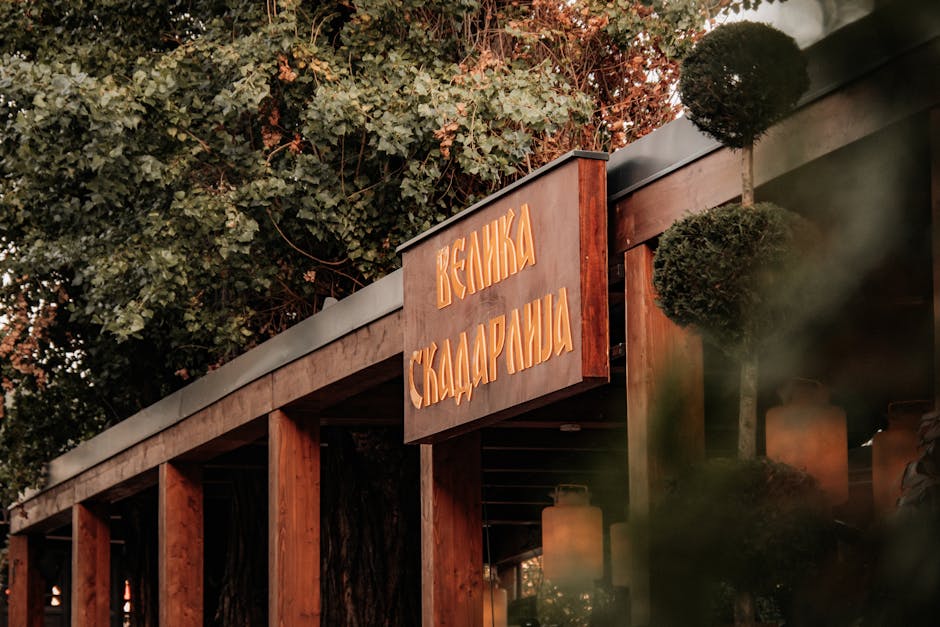
Discover Belgrade’s bohemian heart. Explore the historic Skadarlija quarter and Dorćol’s hidden Ottoman gems on this self-guided audio walk.
 Easy
EasyBelgrade, Serbia
Explore the future of Serbia's capital on this self-guided walk through the modern Belgrade Waterfront and the scenic Sava Promenada.
 Moderate
Belgrade, Serbia
Explore the legacy of Yugoslavia on this self-guided walk from Tito’s tomb to the historic ruins and monuments of central Belgrade.
 Easy
EasyBelgrade, Serbia
Discover the intellectual soul of Belgrade on this self-guided walk through the haunts of Nobel laureates, poets, and revolutionary thinkers.
 Easy
EasyWarsaw, Poland
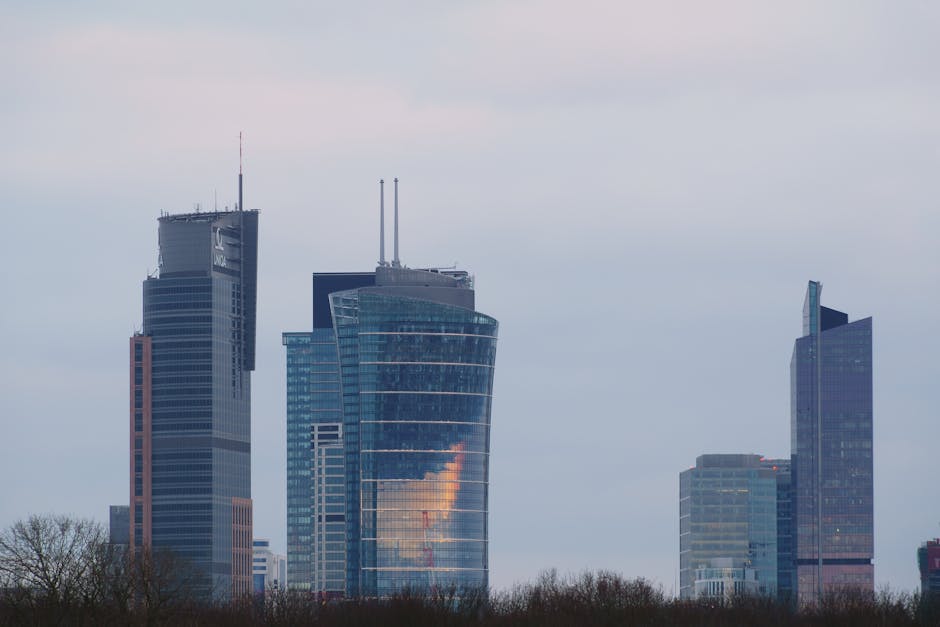
Discover the hidden courtyards and grand pre-war architecture of Warsaw's most atmospheric neighborhood on this self-guided stroll.
 Easy
EasyGothenburg, Sweden
Explore Gothenburg's maritime soul on this self-guided walk from historic shipyards to sleek modern piers and iconic industrial landmarks.
 Easy
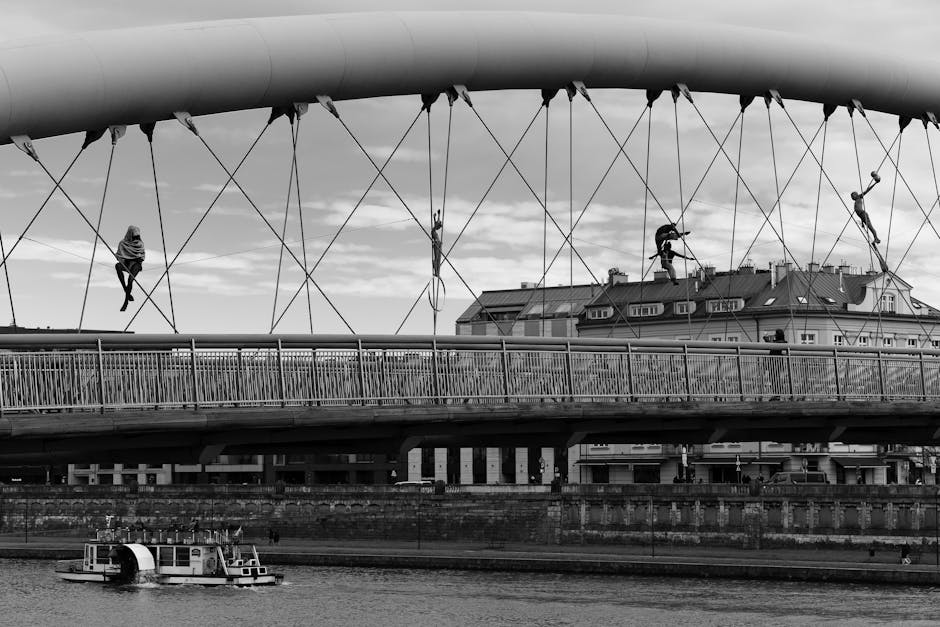
EasyKrakow, Poland
Discover Krakow’s creative soul in Zabłocie, exploring industrial heritage, contemporary art museums, and avant-garde architecture at your own pace.
 Easy
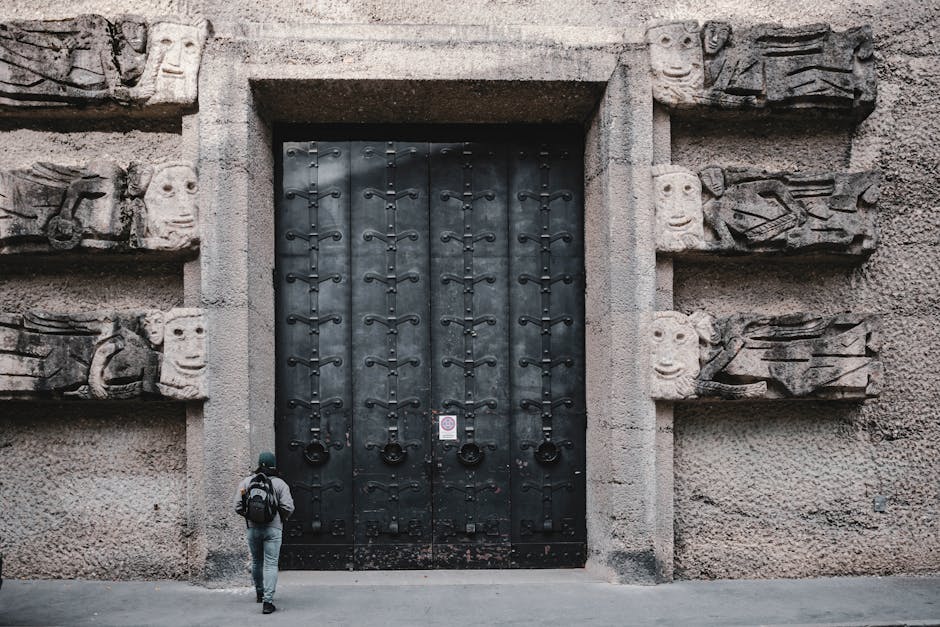
EasySalzburg, Austria
Discover Salzburg's oldest medieval alley, the birthplace of the 'Silent Night' author, and breathtaking views on this quiet self-guided walk.
 Easy
EasyNovi Sad, Serbia
Explore the vibrant soul of Novi Sad's nightlife on this self-guided walk through iconic pubs, craft beer gems, and the famous Laze Telečkog street.
 Easy
EasyNovi Sad, Serbia
Explore the Austro-Hungarian grandeur of Novi Sad's historic center on this self-guided walking route through the elegant streets of Stari Grad.
 Moderate
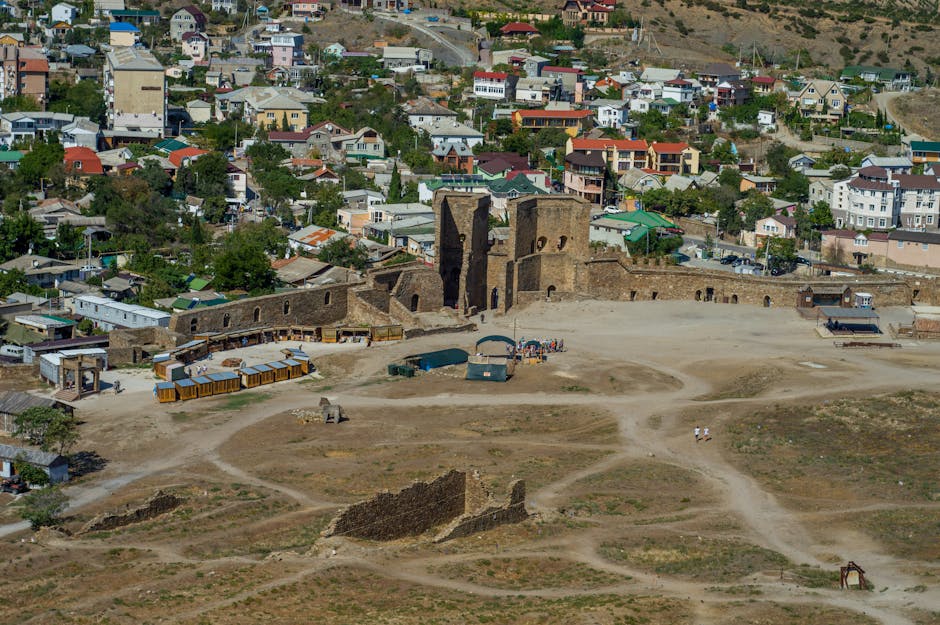
Novi Sad, Serbia
Explore the 'Gibraltar on the Danube' from Novi Sad's elegant city center to the massive underground tunnels of Petrovaradin Fortress.
 Easy
EasyNovi Sad, Serbia
Taste your way through Novi Sad's vibrant markets and iconic street food on this self-guided culinary stroll through the heart of Vojvodina.