Self-guided audio tour in Novi Sad
Start Free on iPhone
Start free on iPhone to unlock this self-guided walking tour in Novi Sad. Hear all the stories that make it amazing, walk at your own pace, and begin whenever you want.
Your Private Tour Guide
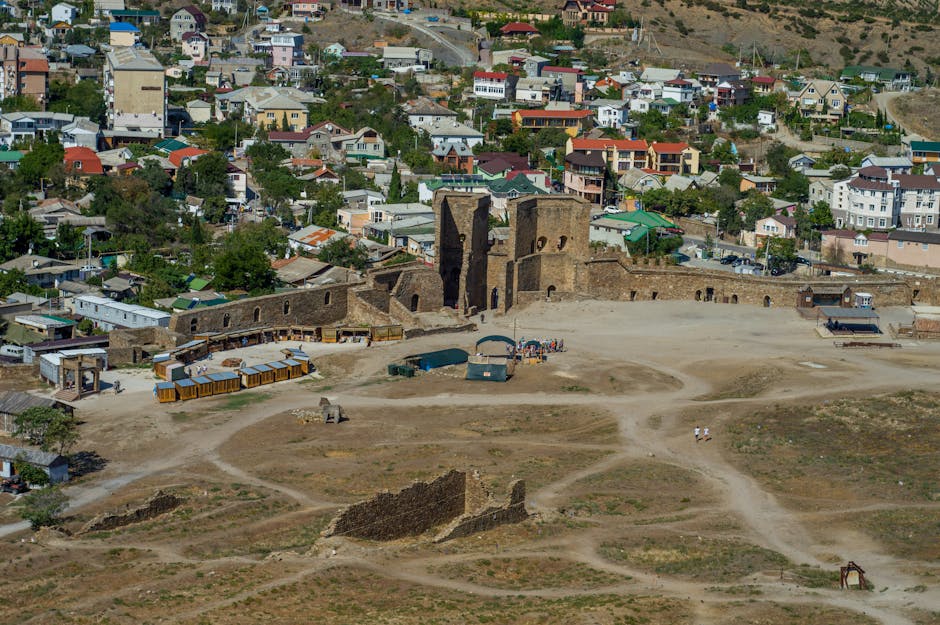
Rising majestically over the Danube, the Petrovaradin Fortress is often called the 'Gibraltar on the Danube' for its strategic importance and massive scale. This self-guided walking route offers a deep dive into the history of Novi Sad, bridging the gap between the elegant, Austro-Hungarian city center and the rugged military might of the fortress. As you begin your self-guided adventure in the heart of Novi Sad, you will encounter the city's artistic soul and its revolutionary spirit before crossing the river to explore one of Europe's largest and best-preserved 18th-century fortifications. This neighborhood stroll captures the transition from the bustling Liberty Square to the quiet, atmospheric tunnels of the fortress heights. What makes this walking route Novi Sad truly unique is the blend of cultural refinement and military ingenuity. You will start at the Museum of Contemporary Art and the Museum of Vojvodina, where the region's complex identity is laid bare. Moving through the city core, the route highlights the Bishop's Palace and Liberty Square, the architectural centerpiece of the city. Here, the Monument of Svetozar Miletić stands as a reminder of the city's political history. Once you cross the Danube, the character of the walk shifts. You will ascend to the Upper Fortress to witness the iconic Reversed Clock Tower, a quirky landmark where the clock hands are swapped so that fishermen on the river could read the time from a distance. The journey continues through the Long Barracks and the innovative Atelje 61, a unique tapestry workshop housed within the fortress walls. For those interested in mystery, the Petrovaradin catacombs offer a glimpse into a 16-kilometer network of underground tunnels. The walk concludes by exploring the monumental Belgrade and Leopold's Gates before heading back toward the city's transport hub. This walking tour Novi Sad provides the perfect balance of panoramic views, hidden artistic enclaves, and centuries of military history, allowing you to discover the 'Gibraltar on the Danube' at your own pace.
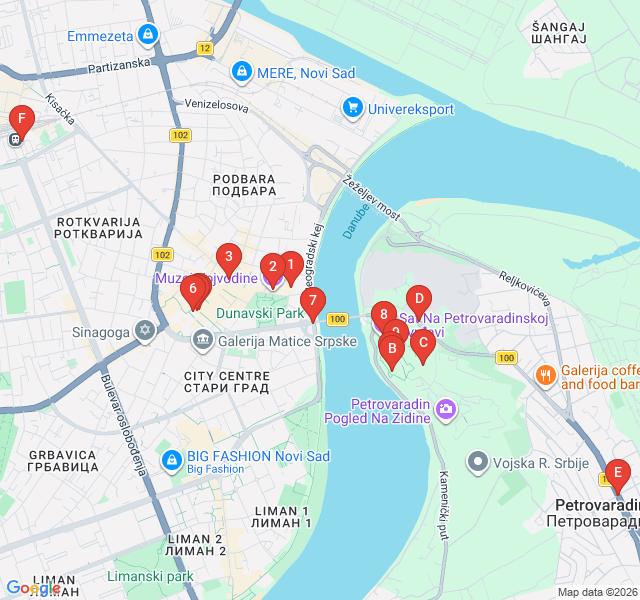
Numbers indicate the order of stops on the tour.
Start exploring with Zigway at this hub of modern creativity. Housed in a building that reflects the region's forward-thinking spirit, this museum showcases the evolution of visual arts in Vojvodina from the mid-20th century to the present. Unlike traditional history museums, this space focuses on experimental and contemporary works, including digital media, installations, and photography. It serves as a vital bridge between the city's classical past and its vibrant, modern identity. Take a moment to appreciate the rotating exhibitions that often challenge conventional perspectives on Balkan culture.
Just a short walk away, the Museum of Vojvodina offers a comprehensive look at the region's history. This is one of the largest museum institutions in Serbia, housing over 400,000 items. The permanent exhibition takes you on a journey from the Paleolithic era through the Middle Ages to the mid-20th century. Look out for the three famous Roman gilded helmets, which are among the most significant archaeological finds in the country. They symbolize the long history of military presence in this region, setting the stage for your eventual visit to the fortress.
This striking building is the residence of the Bishop of Bačka. Completed in 1901, its facade is a masterpiece of eclecticism, blending Romanticism with Secessionist elements and Moorish influences. The reddish-brick exterior and decorative tiles make it one of the most photographed buildings in Novi Sad. It stands at the end of Zmaj Jovina Street, marking the transition between the commercial heart of the city and its religious center. Notice the statue of Jovan Jovanović Zmaj in front, dedicated to one of Serbia's most beloved poets.
Liberty Square is the beating heart of Novi Sad. Surrounding you are some of the city's most significant landmarks, including the Neo-Renaissance City Hall and the towering Roman Catholic Name of Mary Church, often mistakenly called a cathedral. The square has been the site of every major political and social gathering in the city's history. As you explore independently, observe the colorful Zsolnay ceramic tiles on the church roof, which shimmer in the sunlight, reflecting the Austro-Hungarian heritage that shaped the city's skyline.
This area represents the historical pedestrian zone of Novi Sad. Walking through these streets, you are surrounded by 18th and 19th-century architecture that once earned the city the nickname 'Serbian Athens.' The city core is a blend of lively cafes, boutique shops, and hidden courtyards. It was rebuilt almost entirely after the 1849 revolution, resulting in a harmonious architectural style. This is the perfect place to experience the local 'lagano' (slow) pace of life before you begin the more strenuous climb toward the fortress.
Standing prominently in Liberty Square, this bronze statue honors Svetozar Miletić, the most influential Serbian politician in the Habsburg Monarchy during the 19th century. Miletić was a lawyer, journalist, and the mayor of Novi Sad, known for his relentless fight for the rights of Serbs and other Slavs within the empire. The monument, sculpted by the famous Ivan Meštrović, depicts Miletić with a raised fist, symbolizing defiance and the struggle for freedom. It remains a powerful symbol of the city's rebellious and intellectual spirit.
As you move toward the river, this gallery provides a poignant space for reflection. The 'Memory Gallery' is dedicated to preserving the local history and the personal stories of the people of Novi Sad. It often features exhibits related to the city's endurance through various conflicts and its cultural evolution. This stop serves as a reminder that behind the grand architecture and military fortifications are the lives and memories of the citizens who built and defended this city over centuries.
After crossing the bridge, you arrive at the most famous symbol of the Petrovaradin Fortress. Look closely at the clock: the large hand shows the hours, while the small hand shows the minutes. This was done intentionally so that fishermen and sailors on the Danube could see the hour from a great distance. Interestingly, the clock is also known for its inaccuracy during temperature changes—it runs a bit slow in winter and fast in summer. It has been the 'guardian' of the river for over 300 years.
Located within the fortress complex, this museum is housed in the former arsenal. It offers a deep dive into the military history of Petrovaradin. You can see weapons, uniforms, and maps that detail the many sieges the fortress survived. The building itself is a testament to 18th-century military engineering. One of the highlights here is the access to the 'well'—a massive cistern designed to provide water to the garrison during long sieges, ensuring the fortress remained unconquerable.
The Long Barracks (Duga kasarna) once housed the thousands of soldiers stationed at the fortress. Today, these long, yellow-hued buildings have been repurposed into a vibrant colony of artists. Many of the former military quarters are now studios for painters, sculptors, and photographers. This transformation from a place of war to a place of art is a central theme of modern Petrovaradin. Walking along the barracks, you might see artists at work or find small galleries tucked into the old stone archways.
Atelje 61 is a unique cultural institution and one of the few places in Europe where the art of large-scale tapestry weaving is still practiced and preserved. Founded in 1961, it has collaborated with hundreds of artists to turn their designs into woven masterpieces. The workshop maintains the traditional techniques of hand-weaving on vertical looms. This stop offers a rare look at the intersection of traditional craft and contemporary art, all within the rugged stone walls of the fortress.
Beneath your feet lies a staggering 16 kilometers of underground counter-mine tunnels. Built over several decades in the 18th century, this four-story subterranean labyrinth was designed to allow the garrison to detect and destroy enemy mining attempts during a siege. The temperature remains constant year-round, and the atmosphere is thick with history. While much of the system is closed for safety, certain sections are accessible and reveal the incredible complexity of the fortress's defensive 'vampire' system.
As you descend into the 'Lower Town' (Podgrađe), you pass through the monumental Belgrade Gate. This is one of the most impressive gates of the fortress, featuring Baroque architectural details and a grand archway that once welcomed travelers arriving from the direction of Belgrade. The Lower Town was where the civilian population and lower-ranking officers lived. Today, it feels like a step back in time, with its narrow streets and Baroque houses currently undergoing a major restoration to return them to their former glory.
Named after Emperor Leopold I, this gate served as one of the primary entries to the upper fortifications. It is adorned with the Habsburg imperial coat of arms, a reminder of the empire that built this massive structure to serve as its bulwark against the Ottoman Empire. The gate's thick walls and defensive positions show exactly why the fortress was never taken by force. From here, you can appreciate the sheer scale of the brickwork and the strategic layout of the ramparts.
To conclude your journey, head back toward the city's main transit hub where you will find a vintage steam locomotive on display. This monument celebrates the industrial heritage of Novi Sad and the role of the railway in connecting the city to the rest of Europe in the late 19th century. It stands as a contrast to the ancient fortress, representing the era of steam, speed, and modernization that transformed the region after the military importance of the fortress began to wane. It’s a perfect final stop before you catch a train or bus to your next destination.
Start Free on iPhone
Explore “The Gibraltar on the Danube: Petrovaradin Fortress” with your very own Private Tour Guide with Zigway. Start free on iPhone, skip the large group and the fixed routes, and hear the city come alive as you go.
Your Private Tour Guide
Don't miss the good stuff
Explore Freely
 Easy
EasyNovi Sad, Serbia
Explore the vibrant soul of Novi Sad's nightlife on this self-guided walk through iconic pubs, craft beer gems, and the famous Laze Telečkog street.
 Easy
EasyNovi Sad, Serbia
Explore the Austro-Hungarian grandeur of Novi Sad's historic center on this self-guided walking route through the elegant streets of Stari Grad.
 Easy
EasyNovi Sad, Serbia
Taste your way through Novi Sad's vibrant markets and iconic street food on this self-guided culinary stroll through the heart of Vojvodina.
 Easy
EasyNovi Sad, Serbia
Discover the lush green lungs of Novi Sad on this relaxing self-guided walk through historic parks, riverside quays, and botanical wonders.
 Moderate
Gothenburg, Sweden
Discover Gothenburg’s maritime soul on this self-guided walk from the historic Central Station to the scenic riverfront at Stenpiren.
 Moderate
Vienna, Austria
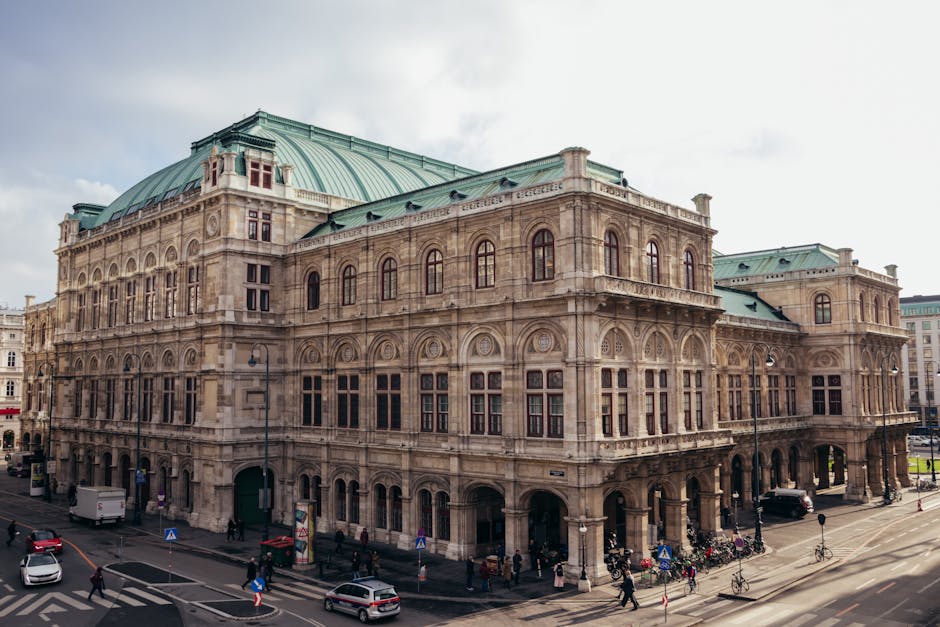
Follow the footsteps of Mozart and Strauss through Vienna’s historic center on this self-guided walk through the city's rich musical history.
 Moderate
Vienna, Austria
Discover the noir world of The Third Man and Cold War Vienna on this atmospheric self-guided audio walk through the historic Innere Stadt.
 Easy
EasyGdansk, Poland
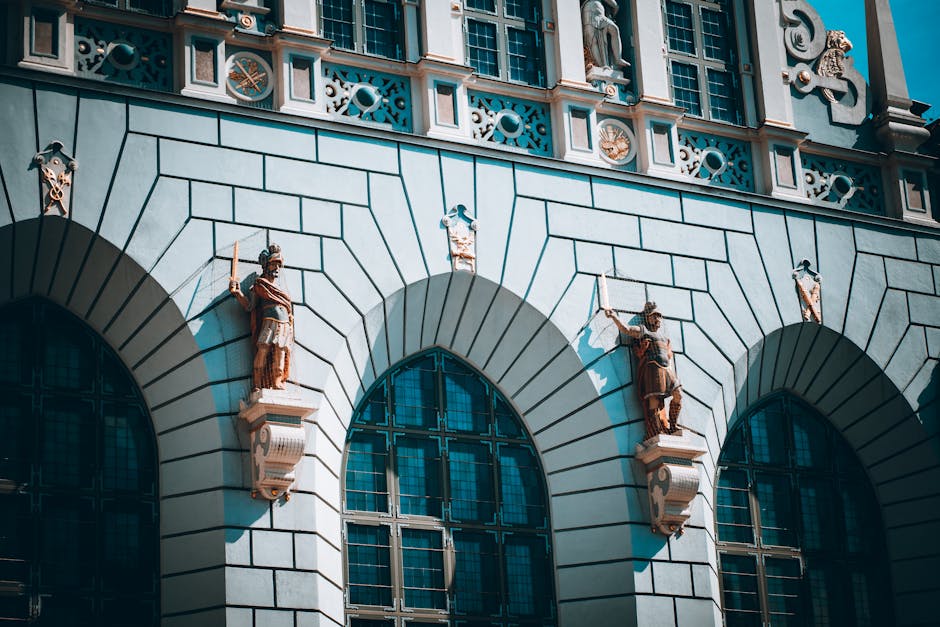
Discover the opulent Royal Way of Gdansk at your own pace. Explore Hanseatic history, gilded architecture, and the iconic Neptune's Fountain.
 Easy
EasyBelgrade, Serbia
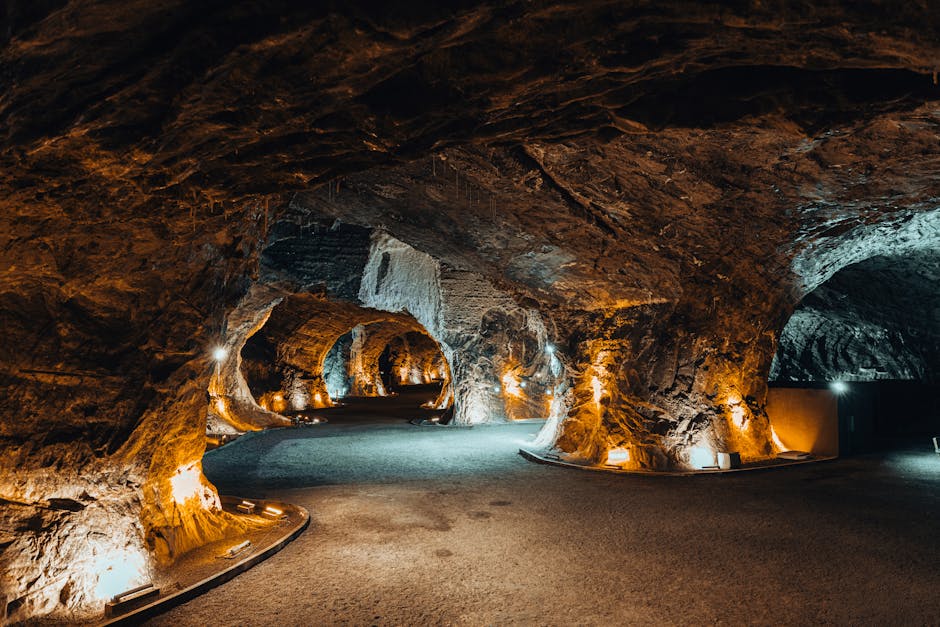
Discover Lower Dorćol, where 18th-century history meets industrial revival and vibrant street art on this self-guided stroll through Belgrade.
 Easy
EasyBelgrade, Serbia
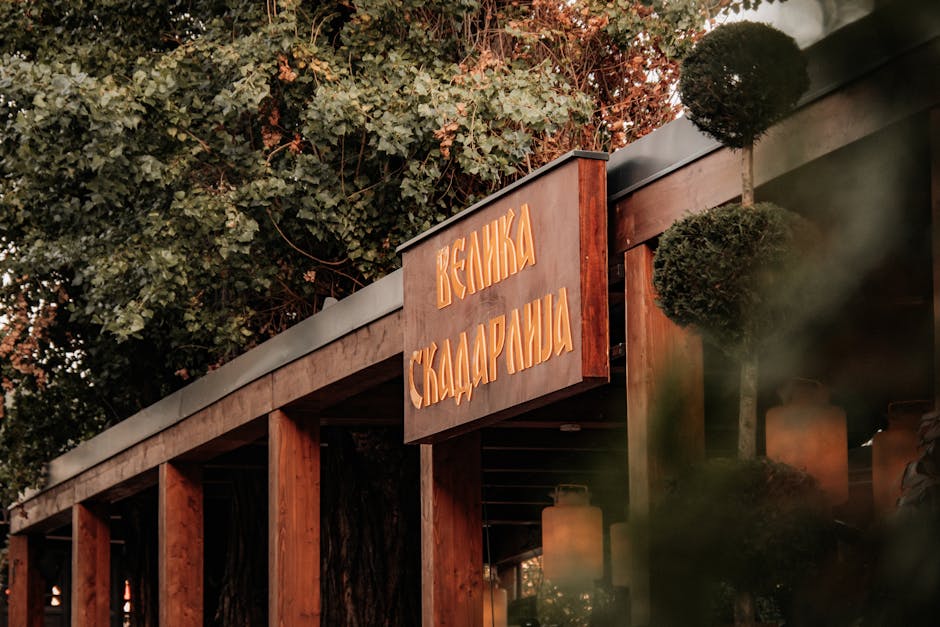
Discover Belgrade’s bohemian heart. Explore the historic Skadarlija quarter and Dorćol’s hidden Ottoman gems on this self-guided audio walk.
 Easy
EasyBelgrade, Serbia
Explore the future of Serbia's capital on this self-guided walk through the modern Belgrade Waterfront and the scenic Sava Promenada.
 Moderate
Belgrade, Serbia
Explore the legacy of Yugoslavia on this self-guided walk from Tito’s tomb to the historic ruins and monuments of central Belgrade.