Self-guided audio tour in Belgrade
Start Free on iPhone
Start free on iPhone to unlock this self-guided walking tour in Belgrade. Hear all the stories that make it amazing, walk at your own pace, and begin whenever you want.
Your Private Tour Guide
Step into the soul of Belgrade with this self-guided walk through Dorćol and Skadarlija, where the city's Ottoman past meets its legendary bohemian spirit. This neighborhood stroll invites you to explore the winding alleys and cobblestone streets that have inspired poets, painters, and rebels for centuries. Unlike a traditional walking tour Belgrade often presents, this route allows you to linger at your own pace, soaking in the scents of fresh produce at local markets and the melodies of traditional music echoing from historic taverns. Your journey begins at the vibrant Bajloni Market, the beating heart of the Dorćol district. From here, you will transition into the famous Skadarlija quarter, often called the Montmartre of Belgrade. You will discover the legendary kafanas—traditional Serbian taverns—where icons of Serbian literature once held court. As you wander, the architecture shifts from the charming 19th-century facades of the House of Đura Jakšić to the stoic Ottoman walls of the Bajrakli Mosque, the only surviving mosque in Belgrade. This walking route highlights the cultural layers that make the city unique, from the intellectual foundations at the Museum of Vuk and Dositej to the lively energy of Skadarska Street. Exploring independently means you can stop for a 'kafa' whenever the mood strikes or dive deeper into the hidden courtyards that most visitors miss. Whether you are interested in the history of the Serbian language or simply want to feel the 'merak'—a specific Balkan feeling of pleasure and contentment—this audio walk provides the context you need without the constraints of a group. This is an essential experience for anyone looking to understand the authentic Belgrade beyond the modern shopping malls. While a typical guided tour Belgrade offers might rush through these landmarks, this self-guided adventure ensures you capture the bohemian echoes that still define the city's character today.
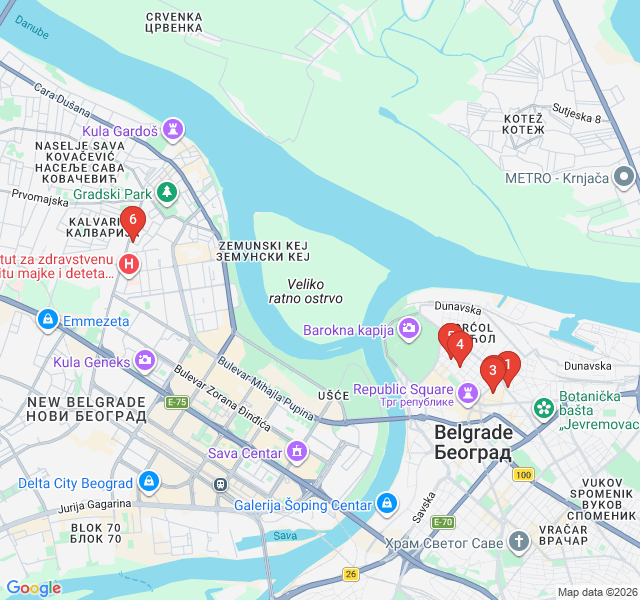
Numbers indicate the order of stops on the tour.
Start your exploration at Bajloni Market, officially known as Skadarlija Market. Named after Ignjat Bajloni, a Czech immigrant who transformed this former marshland into an industrial hub, this is where Belgrade comes to eat. As you walk through the stalls, you aren't just seeing a market; you're seeing a cross-section of Serbian life. Notice the 'pijaca' culture—where locals haggle over kajmak (clotted cream) and seasonal fruits. This site was once the location of a brewery, and today it remains the transition point between the industrial heritage of Dorćol and the bohemian charm of the Skadarlija district. The energy here is most palpable in the mornings when the 'seljaci' (farmers) bring in their freshest harvest.
Welcome to Tri Šešira, or 'The Three Hats.' Established in 1864, this is one of the oldest and most prestigious kafanas in Belgrade. It takes its name from the hatmaker's workshop that previously occupied the building, which had three tin hats hanging over the door. When the workshop closed, the tavern kept the name and the hats. Over the decades, it has hosted everyone from local poets to international celebrities like Jimi Hendrix and George Bush. The kafana is the heart of Serbian social life—a place for politics, poetry, and 'starogradska' (old town) music. Listen for the acoustic orchestras that often play here, keeping the 19th-century spirit of the street alive.
This modest house was the final residence of Đura Jakšić, one of Serbia's most beloved painters and poets. Jakšić was the quintessential bohemian—talented, rebellious, and often found in the nearby taverns. Today, his home serves as a cultural center, hosting literary evenings and art exhibitions. The building itself, with its classic 19th-century Balkan architecture, stands as a monument to the era when Skadarlija was the meeting point for Belgrade's intellectual elite. Jakšić’s presence is still felt in the neighborhood; his poems are often recited in the surrounding kafanas, and his lifestyle helped cement Skadarlija's reputation as the city's artistic sanctuary.
You are standing before one of the oldest residential buildings in Belgrade, a stunning example of Ottoman-Balkan architecture characterized by its wooden porches and overhanging eaves. Built in the mid-18th century, it originally housed the first Serbian High School. Today, it is a museum dedicated to two giants of Serbian culture: Dositej Obradović, the first Minister of Education, and Vuk Karadžić, the man who reformed the Serbian language. Karadžić famously simplified the alphabet to 'write as you speak and read as it is written.' This building represents the bridge between the Ottoman past and the European future that Belgrade was building in the 1800s.
Hidden among the narrow streets of Dorćol is the Bajrakli Mosque, the only remaining mosque of the dozens that once dotted Belgrade during the Ottoman period. Built around 1575, its name means 'The Mosque with a Flag.' Historically, a flag was raised on its minaret to signal the time for prayer to all other mosques in the city. The mosque has a turbulent history, having been converted into a Roman Catholic church during Austrian rule in the 18th century before being restored to its original purpose. Its simple stone construction and quiet courtyard offer a moment of serenity and a powerful reminder of the city's diverse religious heritage.
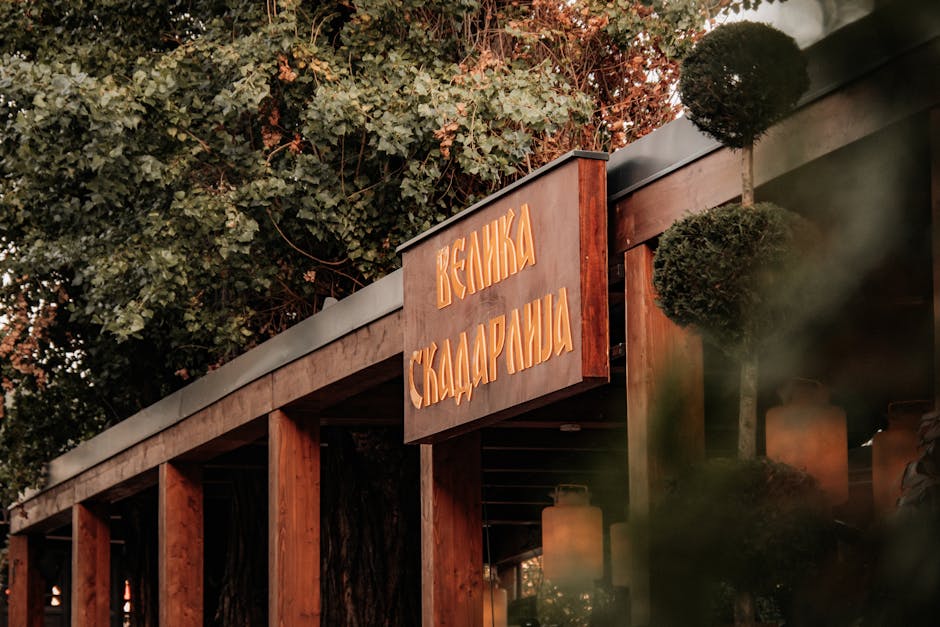
End your walk on the famous Skadarska Street, the center of the Skadarlija bohemian quarter. The rough cobblestones beneath your feet, known as 'kaldrma,' were intentionally preserved to maintain the 19th-century atmosphere. This street was once a neglected area outside the city walls where Roma families and later poor artists lived. By the turn of the 20th century, it became the epicenter of Belgrade’s nightlife and artistic life. Today, Skadarlija is a place for 'merak'—the art of enjoying the moment. As you look at the flower-draped facades and murals, you're seeing a living museum. It is the perfect place to find a seat, order a glass of rakija, and reflect on the layered history of this resilient city.
Start Free on iPhone
Explore “Bohemian Echoes: Skadarlija and Dorćol's Hidden Alleys” with your very own Private Tour Guide with Zigway. Start free on iPhone, skip the large group and the fixed routes, and hear the city come alive as you go.
Your Private Tour Guide
Don't miss the good stuff
Explore Freely
 Easy
EasyBelgrade, Serbia
Discover Lower Dorćol, where 18th-century history meets industrial revival and vibrant street art on this self-guided stroll through Belgrade.
 Easy
EasyBelgrade, Serbia
Explore the future of Serbia's capital on this self-guided walk through the modern Belgrade Waterfront and the scenic Sava Promenada.
 Moderate
Belgrade, Serbia
Explore the legacy of Yugoslavia on this self-guided walk from Tito’s tomb to the historic ruins and monuments of central Belgrade.
 Easy
EasyBelgrade, Serbia
Discover the intellectual soul of Belgrade on this self-guided walk through the haunts of Nobel laureates, poets, and revolutionary thinkers.
 Easy
EasyNairobi, Kenya
Discover Nairobi’s literary soul on this self-guided walk through historic libraries, iconic bookshops, and cultural centers in the heart of the CBD.
 Easy
EasyKrakow, Poland
Explore the prestigious Jagiellonian University district, featuring Neo-Gothic architecture, Baroque churches, and Krakow's hidden scholarly gems.
 Easy
EasyGothenburg, Sweden
Explore Gothenburg’s historic wooden houses, legendary giant cinnamon buns, and panoramic fortress views on this self-guided neighborhood stroll.
 Moderate
Nairobi, Kenya
Taste your way through Nairobi's Westlands on this self-guided walk featuring street snacks, cultural landmarks, and hidden foodie gems.
 Easy
EasyNovi Sad, Serbia
Explore the vibrant soul of Novi Sad's nightlife on this self-guided walk through iconic pubs, craft beer gems, and the famous Laze Telečkog street.
 Easy
EasyNovi Sad, Serbia
Explore the Austro-Hungarian grandeur of Novi Sad's historic center on this self-guided walking route through the elegant streets of Stari Grad.
 Moderate
Novi Sad, Serbia
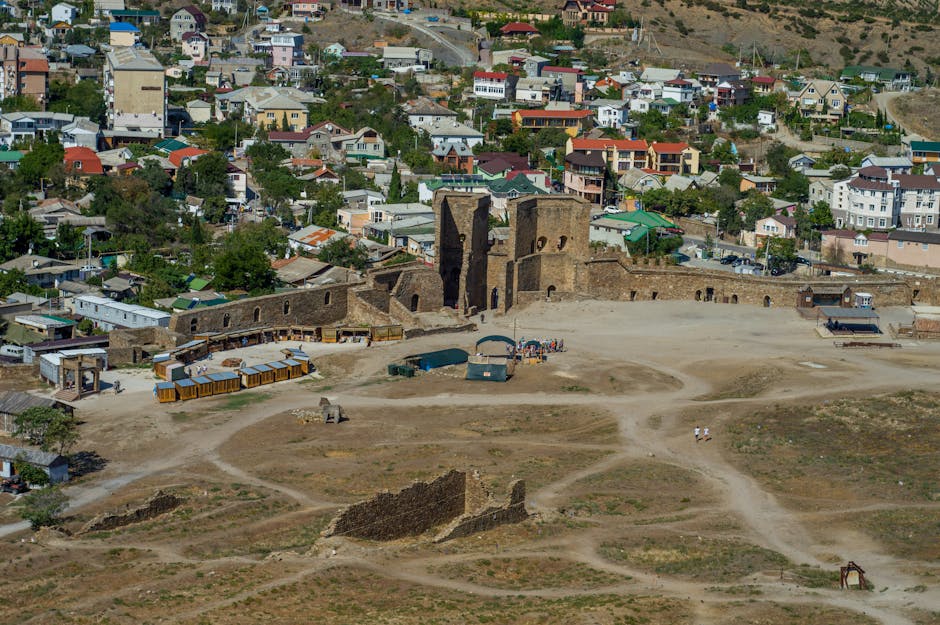
Explore the 'Gibraltar on the Danube' from Novi Sad's elegant city center to the massive underground tunnels of Petrovaradin Fortress.
 Easy
EasyNovi Sad, Serbia
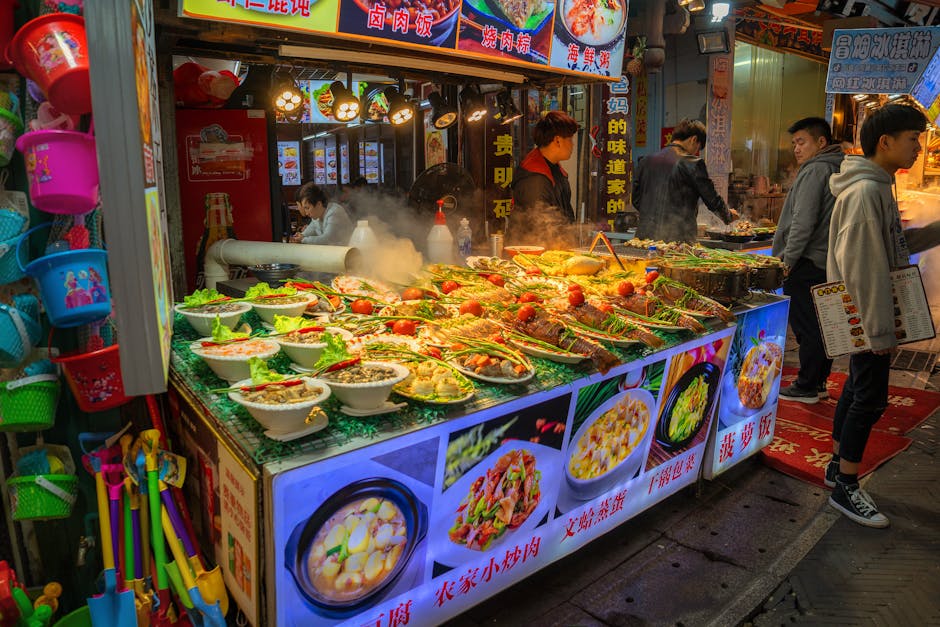
Taste your way through Novi Sad's vibrant markets and iconic street food on this self-guided culinary stroll through the heart of Vojvodina.