Self-guided audio tour in Budva
Start Free on iPhone
Start free on iPhone to unlock this self-guided walking tour in Budva. Hear all the stories that make it amazing, walk at your own pace, and begin whenever you want.
Your Private Tour Guide
Step into the layers of time with this self-guided walk through Budva, one of the oldest settlements on the Adriatic coast. Legend says the town was founded by Cadmus, the Phoenician hero, but it is the four centuries of Venetian rule that left the most indelible mark on these limestone streets. This walking route invites you to explore a 2,500-year-old history, from Roman-era foundations to the sturdy medieval fortifications that once protected the city from marauding pirates and rival empires. As you navigate the labyrinthine alleys of the Stari Grad (Old Town), you will encounter a remarkable density of heritage. The route highlights the unique coexistence of Eastern and Western Christianity at the Square of Churches and reveals the hidden remains of Roman life, including intricately preserved mosaics and ancient baths. You will walk the perimeter of the majestic Citadela, where the Venetian lion once stood watch, and discover the 'Square of Poets,' where the town's literary heart still beats. Beyond the medieval walls, the journey continues toward the traces of a Roman necropolis, accidentally unearthed in the 20th century, and concludes with a look at the region’s prehistoric roots. This neighborhood stroll is perfect for history buffs and architecture enthusiasts who want to discover the secrets of the Montenegrin coast at their own pace, away from the constraints of a rigid schedule. Whether you are admiring the Gothic windows of ancient palaces or the rugged beauty of the Adriatic Sea through the Iron Gate, this walk offers a comprehensive overview of the cultural mosaic that defines Budva.
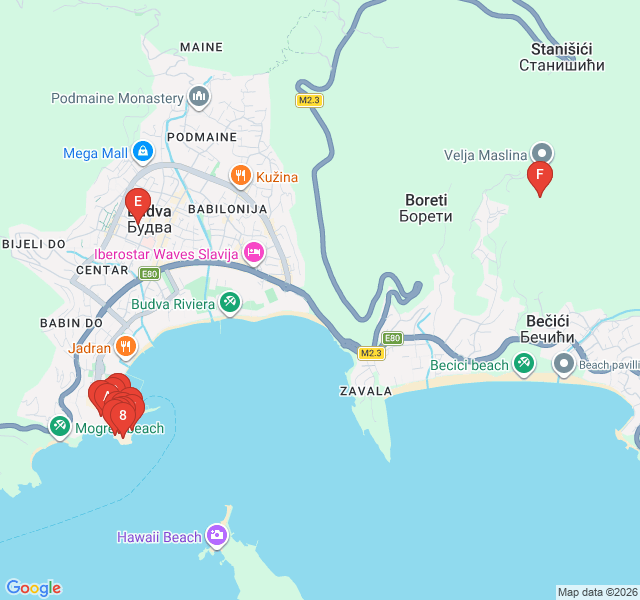
Numbers indicate the order of stops on the tour.
Begin your exploration at the Trg Pjesnika, or the Square of Poets. During the summer months, this small plaza transforms into an open-air stage for literary evenings and performances, continuing a long tradition of Mediterranean storytelling. Look around at the surrounding stone buildings; their narrow windows and sturdy walls are classic examples of the coastal architecture designed to keep interiors cool. This spot serves as a gateway to the cultural heart of the Old Town, where the modern artistic life of Budva meets its medieval past.
Here lies the final resting place of Stefan Mitrov Ljubiša, a prominent 19th-century writer and politician born in Budva. He was a fierce advocate for the rights of the local Slavic population during the era of Austro-Hungarian rule. His literature, often written in the local vernacular, captured the folklore and the resilient spirit of the Montenegrin people. This simple but dignified monument serves as a reminder of Budva’s intellectual contributions to the region’s national identity.
This is perhaps the most significant cultural site in the Old Town. In this single square, you can see the architectural dialogue between different eras and faiths. The square houses the Church of Saint John, the Church of Santa Maria in Punta, and the Orthodox Church of the Holy Trinity. This proximity of Catholic and Orthodox structures illustrates the historical religious tolerance and the complex geopolitical history of Budva, which sat at the crossroads of the Venetian and Ottoman worlds.
Beneath the modern pavement lie the remains of Budva’s Roman past. These baths, dating back to the 2nd century AD, were discovered by chance after an earthquake in 1979. They feature the remains of a 'hypocaust,' an ancient underfloor heating system. The presence of such sophisticated infrastructure proves that Budva—then known as Butua—was a prosperous and important Roman urban center. Imagine the Roman citizens relaxing here nearly two millennia ago in this very spot.
The Church of Saint John is one of the most recognizable landmarks in Budva, thanks to its tall, slender bell tower that dominates the skyline. While the current structure has seen many renovations, its foundations date back to the 7th century. Inside, the church houses the 'Madonna in Punta,' a sacred icon said to have been brought to Budva in the 9th century. The interior also features works by local and Venetian masters, reflecting the town's deep artistic ties to Italy.
Tucked away near the city walls, these Roman mosaics are remnants of a luxurious villa from the 2nd century. The intricate geometric patterns and floral motifs are remarkably well-preserved, showcasing the high level of craftsmanship in the Roman province of Dalmatia. These floor decorations were symbols of status and wealth, indicating that the residents of ancient Butua enjoyed a high standard of living and participated in the broader cultural trends of the Roman Empire.
This gate connects the heart of the Old Town directly to the marina. In the past, this was a vital artery for trade, where sailors and merchants brought goods from across the Mediterranean. The gate is a testament to the defensive planning of the town, designed to be easily guarded while allowing essential access to the sea. Notice the thickness of the walls here, which were reinforced by the Venetians to withstand the advent of heavy artillery.
The Citadela, or the Castle of St. Mary, is the highest point in the Old Town and its most formidable defensive structure. Originally built in the Middle Ages, the fortress was extensively rebuilt by the Venetians in the 15th century. Inside, you can find a library with a rare collection of maps and books about the Balkans. Don't miss the relief of two fish on the wall, which represents the local legend of two lovers who jumped into the sea and were transformed into fish to stay together forever.
This is one of the oldest pre-Romanesque churches in the coastal region, founded by Benedictine monks in 840 AD. The 'in Punta' in its name refers to its location on the sharp point of the peninsula. Over the centuries, it has served as a school and a place of refuge. Its simple, sturdy stone construction is a classic example of early medieval architecture on the Adriatic, built to withstand both the elements and the passage of time.
As the main entrance to the Old Town, the Sea Gate is a masterpiece of Venetian stonework. Above the arch, you can still see the faded emblem of the Venetian Republic—the winged Lion of Saint Mark—which symbolized Venice's maritime dominion. This gate has been the primary threshold for visitors for centuries, and passing through it today feels like stepping directly into the Middle Ages.
Located just outside the Old Town walls, this necropolis was discovered in 1937 during the construction of the Hotel Avala. Excavations revealed over 450 graves dating from the 4th century BC to the 4th century AD. The site provided a treasure trove of artifacts, including gold jewelry, glass vessels, and ceramics, which are now housed in the local museum. It offers a poignant look at the life and death rituals of the Illyrian and Roman populations who once called this coast home.
The Iron Gate, or Gvozdena Vrata, is another critical entry point into the fortified city. Unlike the more decorative Sea Gate, this one feels more functional and military in nature. It highlights the strategic importance of Budva as a naval outpost. The narrow passage was designed to bottleneck any potential attackers, making the town nearly impregnable from the landward side during the medieval era.
This large bronze bell is a curious piece of modern history. It was actually a movie prop from the 1964 film 'The Long Ships,' starring Richard Widmark and Sidney Poitier, which was filmed in Budva. Over time, it has become a beloved local monument and a popular spot for photography. It serves as a reminder of Budva's mid-20th-century history as a popular filming location for international cinematic productions.
As we move toward the newer part of town, we pass the Faculty of Liberal Arts and Sciences. While the building is modern, its presence here marks the continuation of Budva's role as a center for education and intellectual exchange. It connects the ancient tradition of the Square of Poets to the contemporary academic world, ensuring that the town remains a place of learning for future generations.
The final stop on our journey takes us slightly north of the town center to the Ivanovići Cave. This site is significant for its prehistoric remains, proving that humans have inhabited this area since the Stone Age. It serves as the ultimate bookend to our walk, reminding us that while the Venetians and Romans built the city we see today, the story of human life in Budva stretches back thousands of years into the misty dawn of time.
Start Free on iPhone
Explore “Venetian Secrets of Budva Old Town” with your very own Private Tour Guide with Zigway. Start free on iPhone, skip the large group and the fixed routes, and hear the city come alive as you go.
Your Private Tour Guide
Don't miss the good stuff
Explore Freely
 Moderate
Budva, Montenegro
Discover Budva's hidden parks, panoramic hill views, and the stunning 'Hawaii of Montenegro' island on this refreshing self-guided audio walk.
 Moderate
Budva, Montenegro
Capture Budva’s most breathtaking vistas on this self-guided audio walk through historic fortresses and scenic mountain paths at sunset.
 Easy
EasyBudva, Montenegro
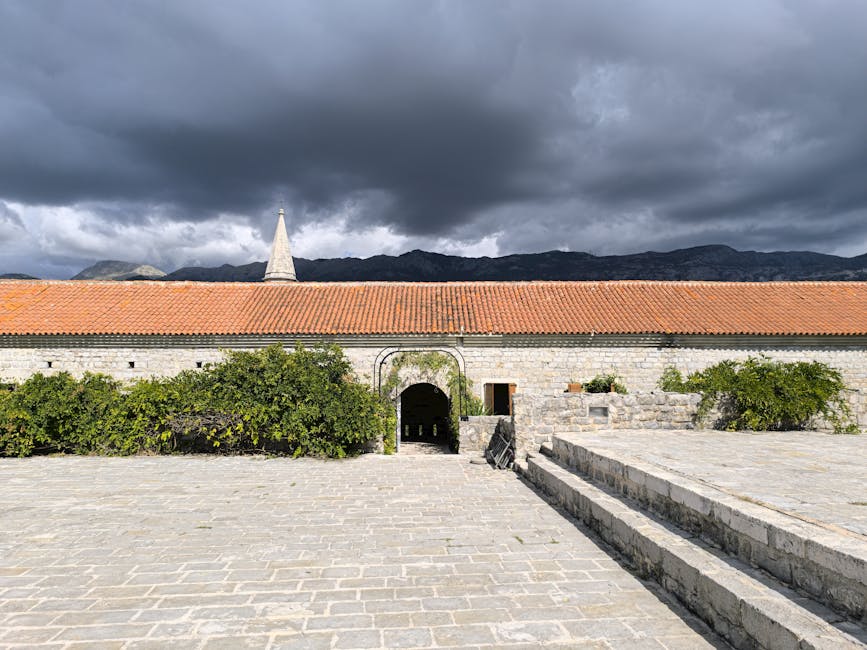
Uncover 2,500 years of history in Budva, from Roman mosaics and ancient city gates to a 2,000-year-old olive tree on this self-guided walk.
 Moderate
Budva, Montenegro
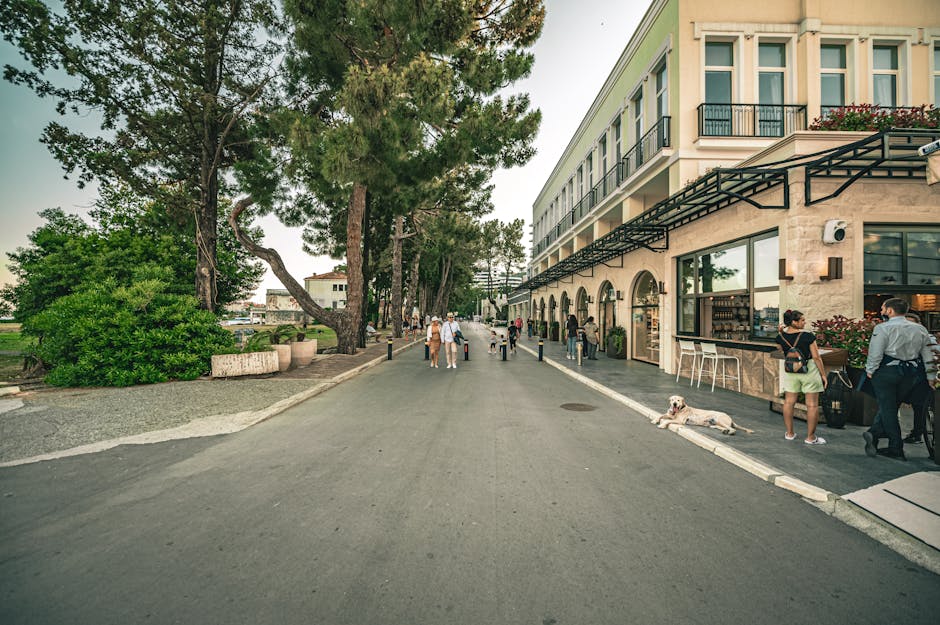
Explore Budva’s spiritual heart on this self-guided walk from the Old Town’s Roman ruins to the serene hillside monasteries and panoramic viewpoints.
 Easy
EasySalzburg, Austria
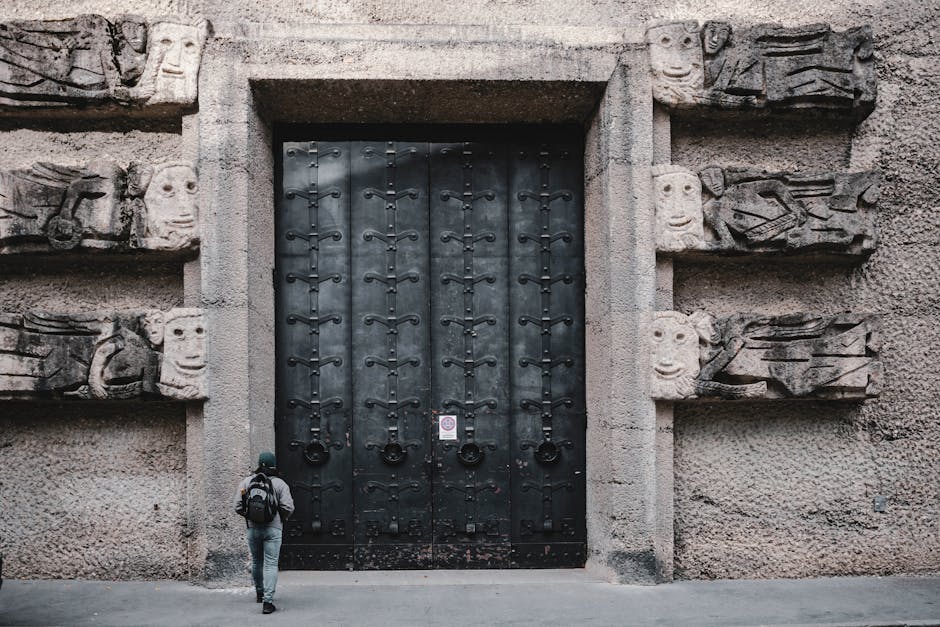
Discover the 'Rome of the North' on this self-guided walk through the Baroque squares and monumental legacy of Salzburg’s Prince-Archbishops.
 Easy
EasyNairobi, Kenya
Explore Nairobi's architectural evolution from colonial-era landmarks to iconic Brutalist skyscrapers on this historic self-guided walking route.
 Easy
EasyNairobi, Kenya
Discover Nairobi's iconic skyline on this self-guided architecture walk through the CBD’s most famous modernist and Brutalist landmarks.
 Easy
EasyGothenburg, Sweden
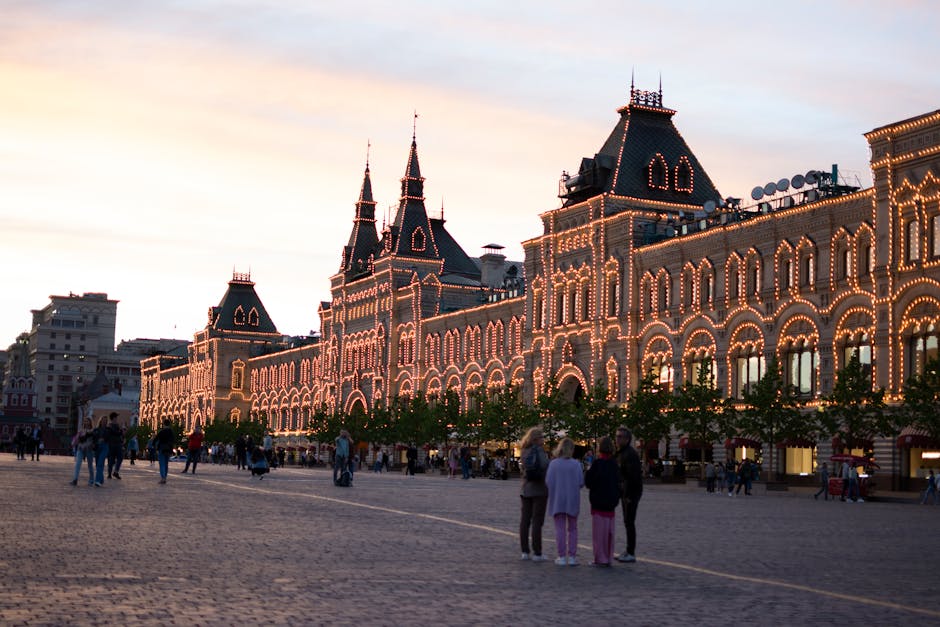
Discover Gothenburg’s 17th-century Dutch foundations, historic canals, and military fortifications on this self-guided architectural walk.
 Easy
EasyKotor, Montenegro
Discover Kotor's medieval squares, Venetian palaces, and mountain fortresses on this self-guided audio walk through the historic Old Town.
 Easy
EasyKotor, Montenegro
Discover Kotor’s legendary seafaring past on this self-guided audio walk through the historic Old Town and the scenic harbor.
 Easy
EasyKotor, Montenegro
Discover Kotor’s hidden squares, Venetian bastions, and coastal paths on this flexible self-guided audio walk through the historic Old Town.
 Easy
EasyKotor, Montenegro
Explore Kotor's marble streets and meeting its famous feline residents on this charming self-guided stroll through Montenegro's cat-loving capital.