Self-guided audio tour in Budva
Start Free on iPhone
Start free on iPhone to unlock this self-guided walking tour in Budva. Hear all the stories that make it amazing, walk at your own pace, and begin whenever you want.
Your Private Tour Guide
Step into a world where stone walls whisper stories of ancient sieges and maritime power. This self-guided walk through Budva’s Old Town invites you to explore one of the oldest settlements on the Adriatic coast, a place where Illyrian foundations meet Venetian military engineering. For over two millennia, this limestone peninsula has served as a strategic prize for empires, from the Romans to the Austro-Hungarians. As you follow this walking route, you will uncover how the city’s architecture was shaped by the constant need for defense, resulting in the formidable fortifications that stand today. Your adventure begins at the Square of Poets, the cultural heart of the city, before leading you through narrow medieval alleys toward the imposing North Gate. You will discover the Roman Baths, hidden beneath the modern street level, which serve as a reminder of Budva’s imperial past long before the first cannons were forged. The highlight of this neighborhood stroll is undoubtedly the Citadela Fortress. This massive military complex offers unparalleled views of the turquoise sea and houses a rare collection of maritime maps and historical artifacts. Beyond the fortress, the route takes you along the Western Ramparts, where you can feel the salt spray and imagine the watchmen scanning the horizon for pirate sails. This walking tour Budva experience isn't just about stone and mortar; it's about the resilience of a community that survived earthquakes and invasions. You’ll visit the City Museum to see Hellenistic gold and Roman glass, then exit the landward gates to discover a sprawling 2,000-year-old necropolis. The journey concludes with a short excursion to the surrounding hills to visit the ancient Ivanovići Cave and the legendary Old Olive Tree, a living witness to the entire military history of the region. This independent walking route allows you to skip the crowds and discover the military secrets of Montenegro at your own pace.
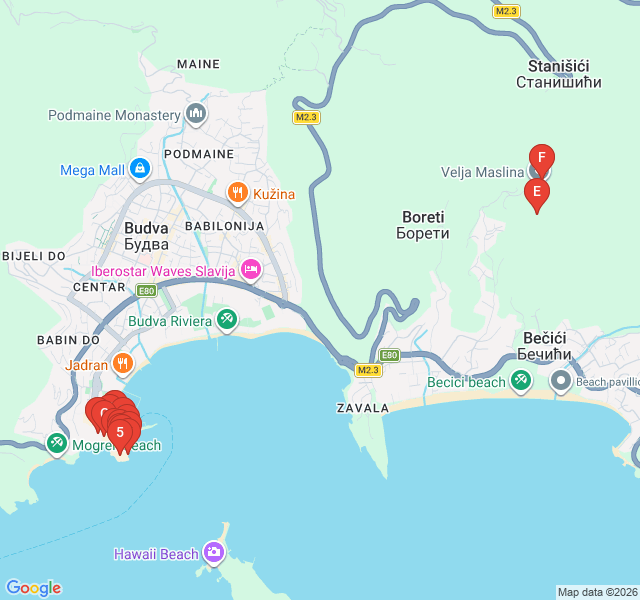
Numbers indicate the order of stops on the tour.
Welcome to the Square of Poets, the starting point of your self-guided walk. While today this space is known for literary festivals and quiet reflection, it sits at a vital junction of Budva's historic defenses. Look around at the narrow streets branching off; these were designed as a labyrinth to confuse invaders who managed to breach the outer walls. For centuries, this area has been the civic soul of the city, where community leaders gathered to discuss defense strategies against the Ottoman and pirate threats. It serves as a perfect introduction to a city that has balanced high culture with high-stakes military survival for over 2,500 years.
Standing before the North Gate, you are looking at one of the primary defensive portals of the Venetian era. This gate was once the only way to access the city from the northern harbor side. Notice the thickness of the walls and the strategic positioning of the entry. In medieval times, these gates were heavily guarded and locked at sunset. The lion of St. Mark, the symbol of Venice, was often carved above such gates to remind all who entered of the Republic's maritime dominance. This gate specifically served as a filter for goods and people arriving by sea from the northern Adriatic ports.
Beneath your feet lies a surprising discovery. These Roman Baths were only revealed to the modern world following the devastating earthquake of 1979. As the rubble was cleared, archaeologists found these 4th-century remains, proving that Budva was a sophisticated Roman urban center known as Butua. The presence of these baths indicates that even in antiquity, this was a place of luxury and strategic importance. The complex included a system of underfloor heating known as a hypocaust. It is a stark reminder that before the medieval walls were built, the Romans had already established a permanent, fortified foothold on this very peninsula.
The Bell Tower of the Church of St. John is the tallest structure in the Old Town and has served as a landmark for sailors for centuries. Beyond its religious function, the tower acted as a watchtower. From the top, sentries could spot approaching ships long before they reached the bay. The bells themselves were used as an early warning system, ringing rhythmically to signal everything from daily prayers to the approach of an enemy fleet. Its slender, elegant design reflects the Venetian influence that dominated Budva's skyline from the 15th to the late 18th century.
You have reached the pinnacle of Budva's military history: the Citadela. This fortress, also known as the Castle of St. Mary, was the city’s final line of defense. Most of what you see today was reconstructed by the Austro-Hungarians in the 19th century on top of much older Venetian and medieval foundations. Inside, the barracks and ammunition stores have been replaced by a library and gallery, but the military purpose remains evident in the thick ramparts and cannon emplacements. From here, you have a 360-degree view of the Adriatic and the island of Sveti Nikola, which acted as a natural shield for the harbor.
Walk along the Western Ramparts to experience the true scale of the city's sea defenses. These walls were built directly onto the jagged limestone cliffs, making a sea-based assault nearly impossible. As you walk, notice the 'machicolations'—the openings through which defenders could drop stones or boiling liquids on attackers below. The Venetian Republic spent enormous sums maintaining these walls to protect their lucrative trade routes from the encroaching Ottoman Empire. The view here is spectacular, offering a sense of the isolation and security these fortifications provided to the residents of Budva for centuries.
The 'Sea Gate' or Vrata do mora is the most picturesque entrance to the city. For centuries, this was the primary landing point for fishermen and naval officers. The gate is intentionally small and narrow, a design feature common in Mediterranean fortresses to prevent large groups of armed men from rushing the entrance simultaneously. Passing through this gate, you transition from the wild, open sea to the protected, urban interior. Imagine the chaos of this small passage in the 16th century, filled with the smell of salt, fish, and the sounds of various Mediterranean languages as sailors traded their wares.
To understand the layers of history you've just walked through, a visit to the City Museum is essential. Located in an old stone building, it houses an extraordinary collection of artifacts ranging from the 5th century BC to the early 20th century. Look for the Hellenistic gold jewelry and the remarkably preserved Roman glass vessels. These items were found in the nearby necropolis and tell the story of a wealthy, cosmopolitan population that lived behind these walls. The museum effectively bridges the gap between the military architecture outside and the daily lives of the people who were protected by it.
As we move toward the modern era, the Jovo Ivanovic Modern Gallery represents the cultural rebirth of Budva. Named after a local artist who was instrumental in the city's artistic development, the gallery is housed in a building that reflects the traditional stone architecture of the region. While the theme of our walk is military, the gallery shows what happens when peace allows creativity to flourish. The art here often draws inspiration from the local landscape—the same sea and stone that once dictated the city's defensive needs.
You might recognize this massive bronze bell from the 1964 film 'The Long Ships,' starring Richard Widmark and Sidney Poitier. While it was originally a movie prop, it has become a beloved landmark in Budva. It stands as a quirky reminder of the city's popularity as a filming location during the Yugoslav era, when the Old Town's authentic medieval look served as a backdrop for numerous historical epics. It sits near the harbor, bridging the gap between the ancient military history of the town and its 20th-century role as a cultural and cinematic hub.
The Iron Gate is one of the smaller, secondary entrances into the Old Town. Its name suggests its former strength and the heavy iron-reinforced doors that once stood here. In military terms, such gates were 'sally ports'—small openings that allowed defenders to make quick, surprise attacks on besieging forces before retreating back to safety. Today, it is a quiet passage that leads visitors into the heart of the residential quarters, where the stone houses are so close together that they almost form a secondary internal wall against the elements.
The Main Gate, or 'Porta di Terra Ferma,' was the only entrance for those arriving by land. During the Venetian period, a drawbridge likely crossed a small moat here. This gate was the most heavily fortified part of the city, as it faced the open fields where an invading army would most likely assemble. Notice the intricate stonework and the strategic height of the surrounding walls. This was the gateway to the world for Budva’s citizens, the point where the protected urban environment met the unpredictable hills of the Montenegrin mainland.
Just outside the Main Gate lies the ancient Necropolis, discovered in the 1930s during the construction of the Hotel Avala. This 'city of the dead' contains over 450 graves spanning from the Illyrian period to the late Roman era. The sheer size of this burial ground indicates that ancient Budva was a significant population center. The items found here—jewelry, coins, and pottery—have provided historians with the most detailed look into the life and status of Budva’s earliest inhabitants. It is a hauntingly beautiful site that marks the boundary between the living city and its ancient ancestors.
To reach Ivanovići Cave, we head slightly inland into the hills that overlook the coast. This cave is not just a natural wonder but a site of prehistoric human habitation. In times of war and invasion, the rugged terrain and caves of the Montenegrin backcountry provided essential refuge for the local population when the city walls were under siege. The limestone karst landscape of this region is riddled with such hiding spots, which played a crucial role in the guerrilla warfare tactics used by locals against various occupying forces throughout history.
Our journey concludes at the Stara Maslina, or the Old Olive Tree. Estimated to be over 2,000 years old, this tree is one of the oldest in the world. It was already a sapling when the Romans were building their baths in Budva. Throughout centuries of conflict, sieges, and changing empires, this tree has remained a symbol of peace and endurance. Local legend says that feuding families would come here to reconcile under its branches. It is the ultimate living witness to the military history you have explored today, standing firm while empires rose and fell around it.
Start Free on iPhone
Explore “The Citadel’s Last Stand: Military History” with your very own Private Tour Guide with Zigway. Start free on iPhone, skip the large group and the fixed routes, and hear the city come alive as you go.
Your Private Tour Guide
Don't miss the good stuff
Explore Freely
 Moderate
Budva, Montenegro
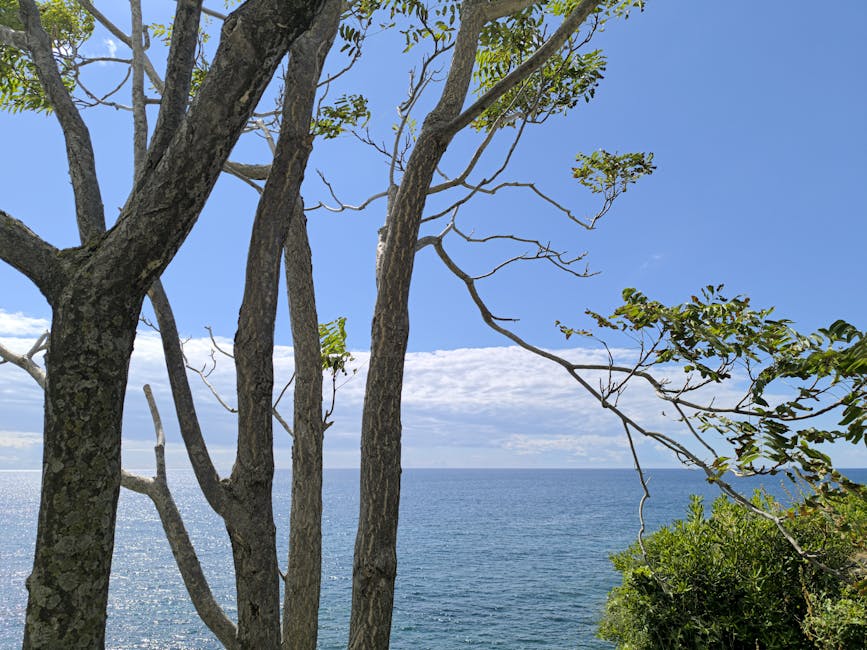
Discover Budva's hidden parks, panoramic hill views, and the stunning 'Hawaii of Montenegro' island on this refreshing self-guided audio walk.
 Moderate
Budva, Montenegro
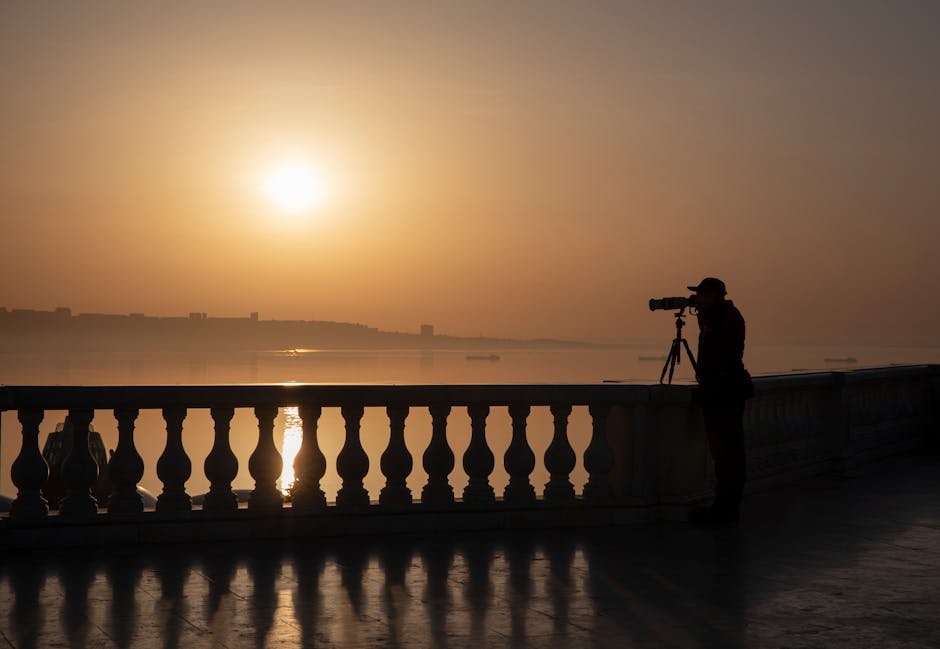
Capture Budva’s most breathtaking vistas on this self-guided audio walk through historic fortresses and scenic mountain paths at sunset.
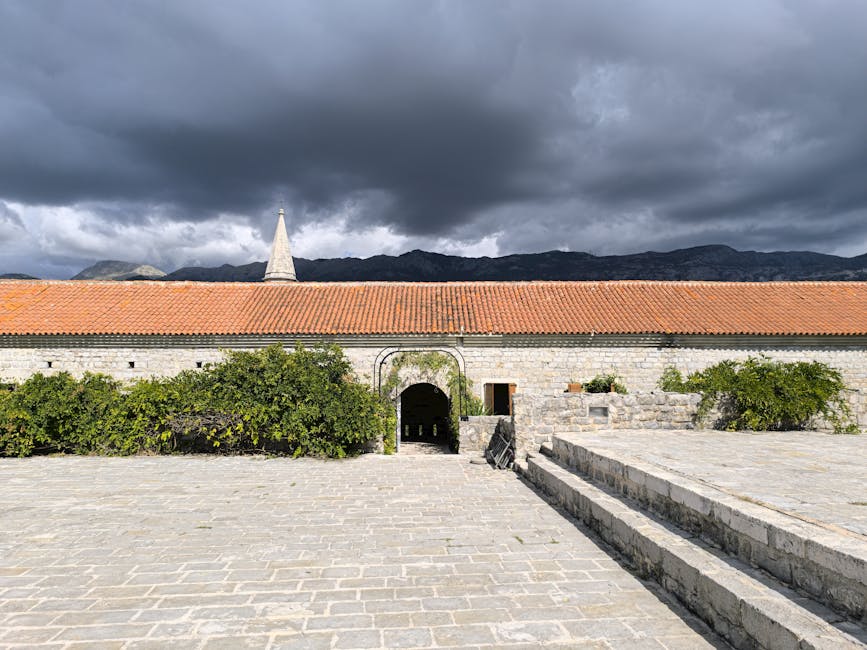 Easy
EasyBudva, Montenegro
Uncover 2,500 years of history in Budva, from Roman mosaics and ancient city gates to a 2,000-year-old olive tree on this self-guided walk.
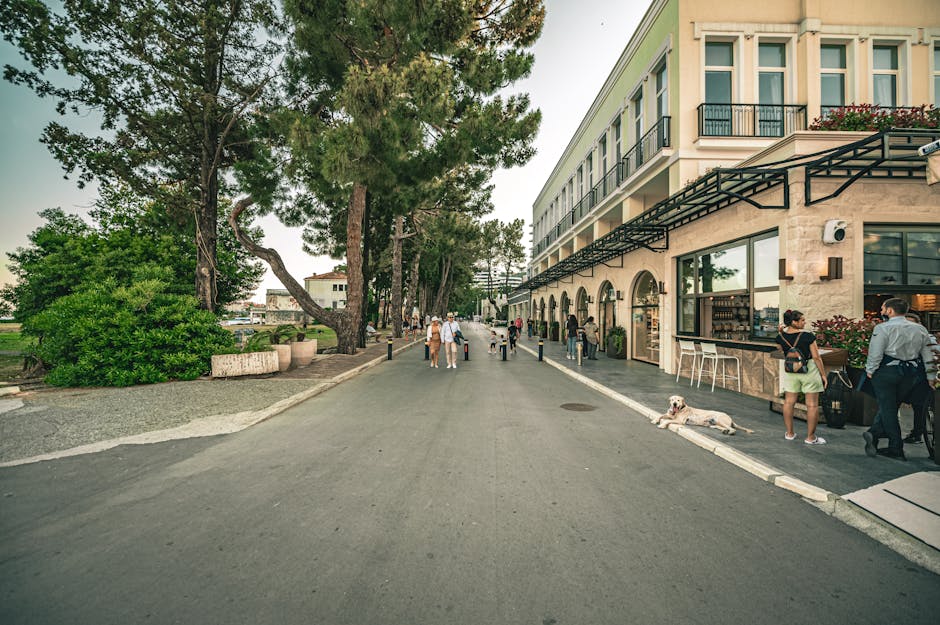 Moderate
Budva, Montenegro
Explore Budva’s spiritual heart on this self-guided walk from the Old Town’s Roman ruins to the serene hillside monasteries and panoramic viewpoints.
 Easy
EasyNairobi, Kenya
Explore Nairobi's architectural evolution from colonial-era landmarks to iconic Brutalist skyscrapers on this historic self-guided walking route.
 Easy
EasyNairobi, Kenya
Discover Nairobi's iconic skyline on this self-guided architecture walk through the CBD’s most famous modernist and Brutalist landmarks.
 Easy
EasyGothenburg, Sweden
Discover Gothenburg’s 17th-century Dutch foundations, historic canals, and military fortifications on this self-guided architectural walk.
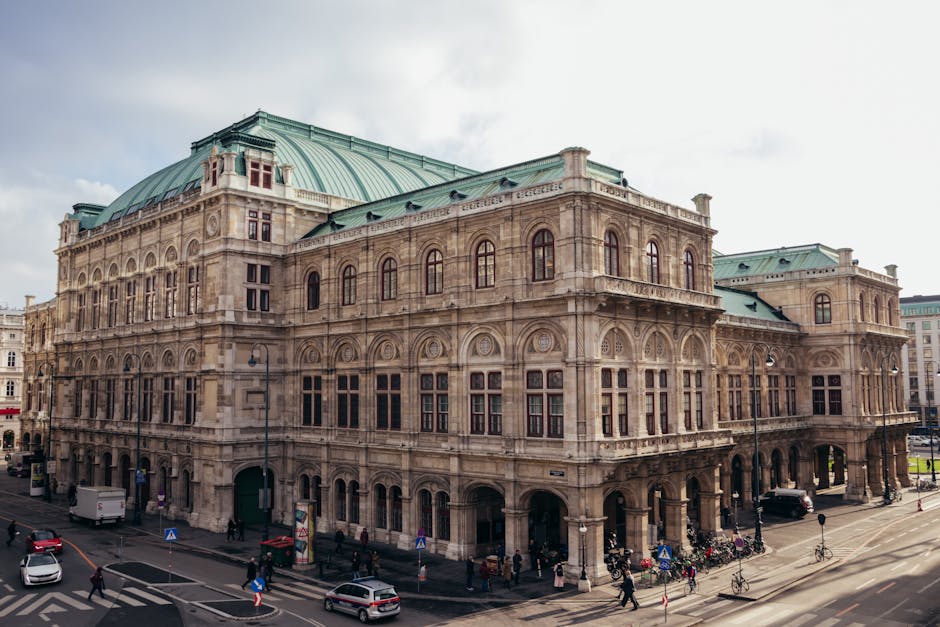 Moderate
Vienna, Austria
Discover the noir world of The Third Man and Cold War Vienna on this atmospheric self-guided audio walk through the historic Innere Stadt.
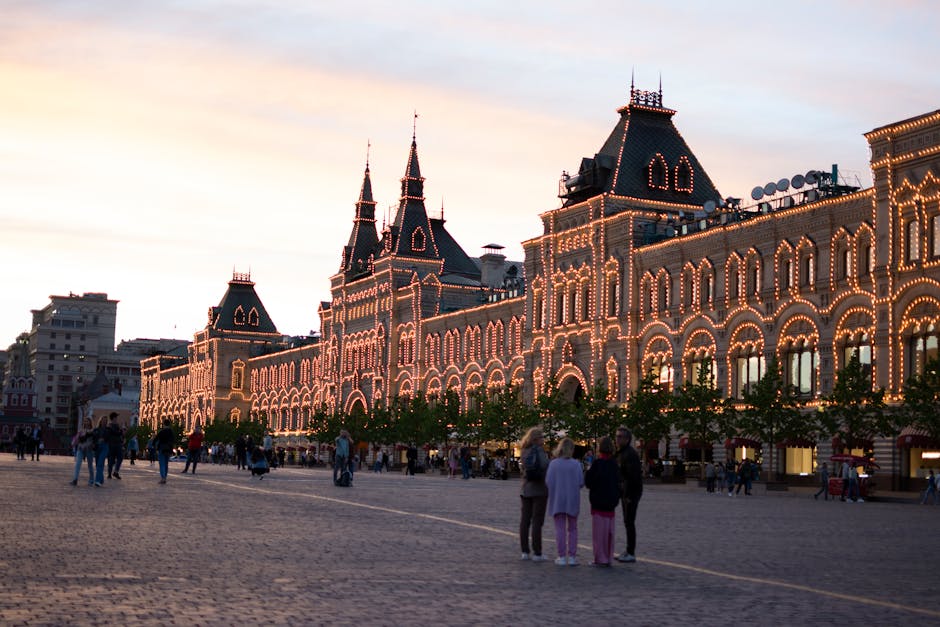 Easy
EasyKotor, Montenegro
Discover Kotor's medieval squares, Venetian palaces, and mountain fortresses on this self-guided audio walk through the historic Old Town.
 Easy
EasyKotor, Montenegro
Discover Kotor’s legendary seafaring past on this self-guided audio walk through the historic Old Town and the scenic harbor.
 Easy
EasyKotor, Montenegro
Discover Kotor’s hidden squares, Venetian bastions, and coastal paths on this flexible self-guided audio walk through the historic Old Town.
 Easy
EasyKotor, Montenegro
Explore Kotor's marble streets and meeting its famous feline residents on this charming self-guided stroll through Montenegro's cat-loving capital.