Self-guided audio tour in Kotor
Start Free on iPhone
Start free on iPhone to unlock this self-guided walking tour in Kotor. Hear all the stories that make it amazing, walk at your own pace, and begin whenever you want.
Your Private Tour Guide
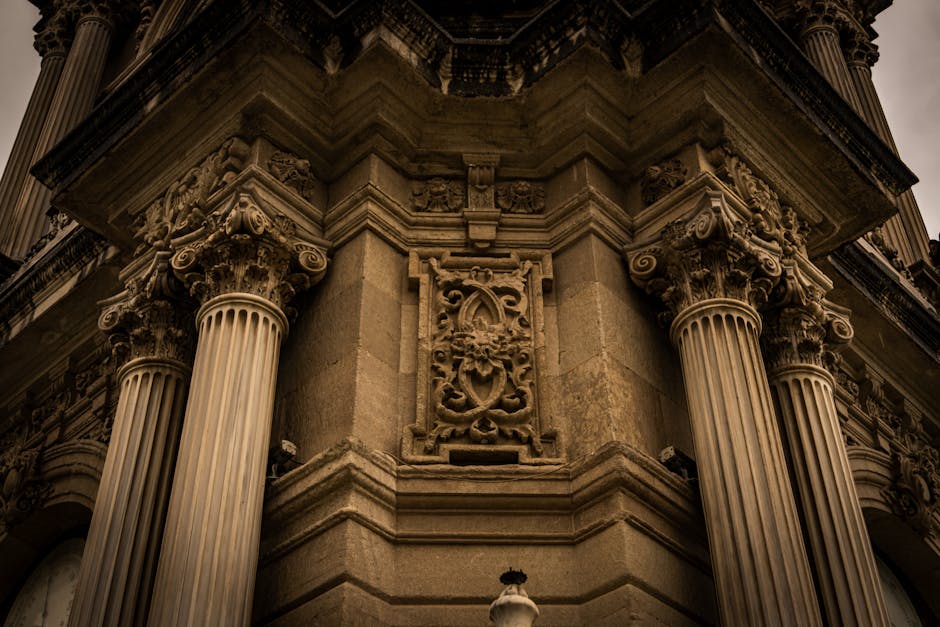
Step into a living museum where the Salt of the Earth meets the grandeur of the Adriatic. This self-guided walk through Kotor’s Old Town reveals the intricate layers of a city that served as a vital maritime outpost for the Venetian Republic for nearly four centuries. As you navigate the limestone-paved labyrinth, you will encounter a striking juxtaposition: the formidable, rugged bastions designed to repel invaders and the delicate, ornate palaces built to showcase the wealth of noble seafaring families. This walking route is designed for those who appreciate the finer details of stonework and the strategic genius of medieval urban planning. Your independent exploration begins in the heart of the city, where the scent of salt air mingles with the aroma of freshly roasted coffee from local squares. You will discover the Pima Palace, a masterpiece of Baroque architecture that tells the story of the city’s golden age, before moving toward the massive stone curtains that have protected Kotor since the Middle Ages. The route highlights the Sea Gate, the primary entrance to the city, and the Kampana Tower, which offers a vantage point over the harbor that has remained largely unchanged for centuries. Unlike a typical walking tour Kotor offers many hidden corners; this path ensures you see the most significant architectural gems while allowing for personal discovery. As you move toward the northern and southern edges of the triangular city, you will see how the River Gate and Gurdic Gate served as both defensive barriers and vital links to the world beyond the walls. You will also pass the intriguing Grubonja Palace, known for its unique Renaissance carvings. This self-guided adventure provides the historical context necessary to understand why Kotor is recognized as a UNESCO World Heritage site, focusing on the architectural evolution from the late Middle Ages through the height of the Baroque period. Whether you are a fan of maritime history or a lover of European aesthetics, this neighborhood stroll offers a comprehensive look at the 'Bride of the Adriatic.'

Numbers indicate the order of stops on the tour.
Welcome to Flour Square, home to one of Kotor's most elegant residences: the Pima Palace. Rebuilt after the devastating earthquake of 1667, this palace is a premier example of the Baroque style in Montenegro. Notice the long, stone balcony supported by twelve ornate brackets and the distinctive green shutters that contrast beautifully with the grey limestone. The Pima family was one of Kotor's most influential noble houses, producing famous poets and scholars. Above the main portal, look for the family coat of arms held by two angels. This stop perfectly encapsulates the transition of Kotor from a defensive fortress to a city of high culture and Adriatic wealth.
The Sea Gate, or Main Gate, has served as the primary entrance to Kotor since 1555. Built during the Venetian administration, it features the winged Lion of St. Mark, the symbol of Venice, which signifies the city's long-standing maritime alliance. Above the gate, you will see a date inscribed: November 21, 1944, marking the city's liberation during World War II, along with a quote from Marshal Tito. The gate's thick stone archway was designed to withstand naval bombardment, serving as a reminder that while Kotor was a place of beauty, it was first and foremost a fortress that never fell to the Ottoman Empire.
Standing here at the Kampana Tower, you are at the most impressive point of Kotor's medieval fortifications. This cylindrical bastion was expanded by the Venetians in the 13th and 14th centuries to protect the city from sea-based attacks. From this vantage point, you can see where the Scurda River meets the Bay of Kotor. The walls here are incredibly thick, a testament to the engineering required to protect a city squeezed between the mountains and the sea. Take a moment to look up at the San Giovanni fortress high above; the walls you see here are part of a continuous 4.5-kilometer defensive loop that scales the mountain.
The River Gate, also known as the North Gate, was built in 1540 to commemorate Kotor's successful defense against the famous Ottoman admiral Hayreddin Barbarossa. The gate is much narrower than the Sea Gate, designed for strategic control over the stone bridge crossing the Scurda River. The Renaissance-style archway is simple yet imposing. As you stand here, you can appreciate the natural moat provided by the river, which made this side of the city nearly impenetrable. It remains one of the most picturesque spots in the Old Town, where the turquoise water of the river contrasts with the ancient grey stone.
Located near the start of the climb to the upper fortress, the Grubonja Palace dates back to the late 16th century. While it may appear more modest than the Pima Palace, its Renaissance details are fascinating. Look closely at the facade to find the emblem of the old city pharmacy, featuring a skull and crossbones. This wasn't a symbol of piracy, but rather a memento mori—a reminder of mortality often associated with early medical practices or religious humility. The palace served the Grubonja family, who were prominent members of Kotor's council, and it marks the architectural transition between the Gothic and Renaissance periods in the city.
The Gurdic Gate is the southern entrance to the city and perhaps its most unique defensive feature. It utilizes a triple-gate system and a drawbridge to secure the city. What makes this spot special is the Gurdic Spring. During heavy rains, freshwater gushes out of the cave here and pushes back the seawater; during dry spells, the spring retreats and the area fills with salt water. This natural phenomenon created a shifting 'moat' that confounded attackers for centuries. Entering or exiting through this narrow, winding passage gives you a true sense of the claustrophobic security that defined medieval life in Kotor.
Start Free on iPhone
Explore “Venetian Bastions and Baroque Palaces” with your very own Private Tour Guide with Zigway. Start free on iPhone, skip the large group and the fixed routes, and hear the city come alive as you go.
Your Private Tour Guide
Don't miss the good stuff
Explore Freely
 Easy
EasyKotor, Montenegro
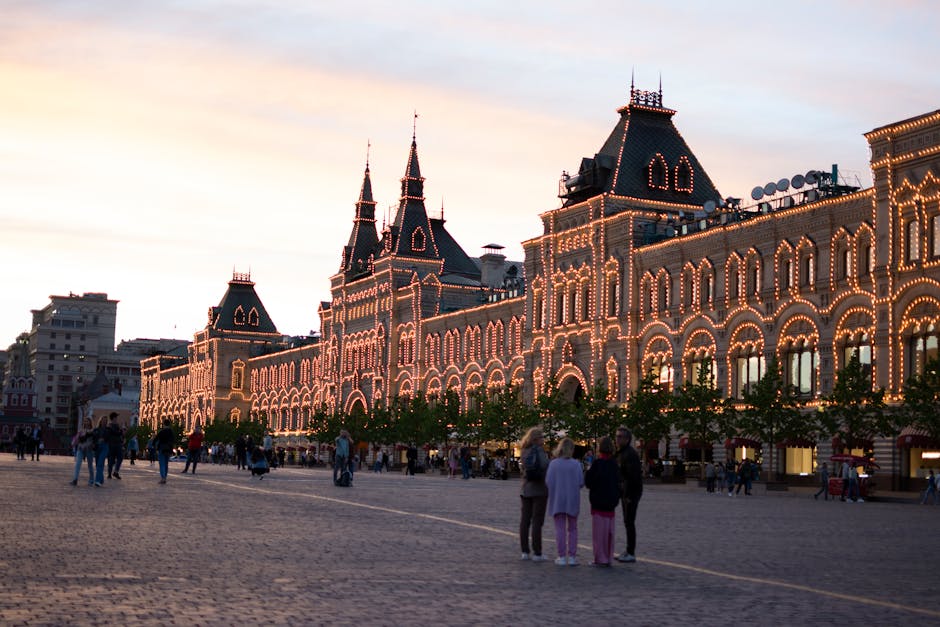
Discover Kotor's medieval squares, Venetian palaces, and mountain fortresses on this self-guided audio walk through the historic Old Town.
 Easy
EasyKotor, Montenegro
Discover Kotor’s legendary seafaring past on this self-guided audio walk through the historic Old Town and the scenic harbor.
 Easy
EasyKotor, Montenegro
Discover Kotor’s hidden squares, Venetian bastions, and coastal paths on this flexible self-guided audio walk through the historic Old Town.
 Easy
EasyKotor, Montenegro
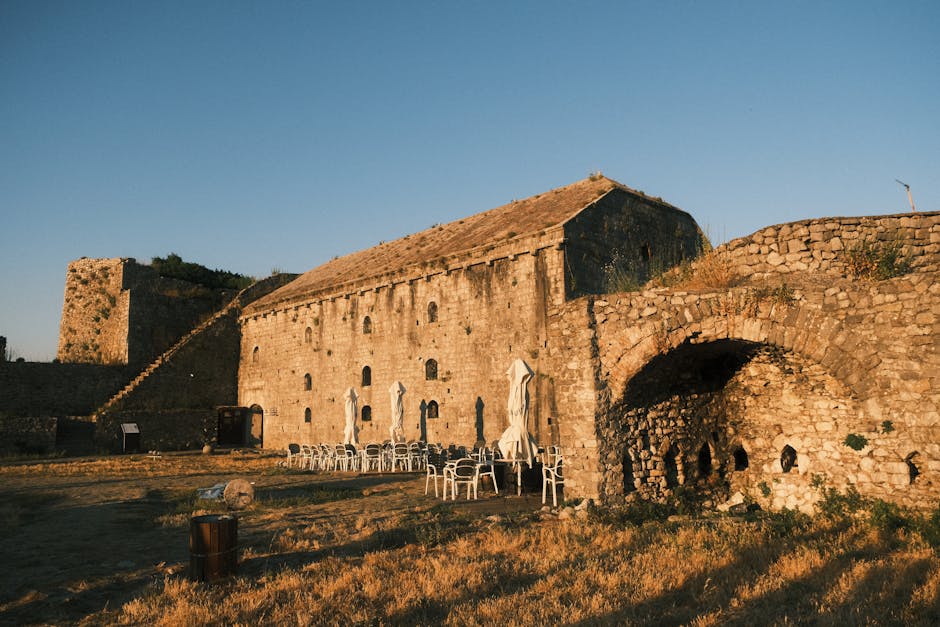
Explore Kotor's marble streets and meeting its famous feline residents on this charming self-guided stroll through Montenegro's cat-loving capital.
 Easy
EasyNairobi, Kenya
Explore Nairobi's architectural evolution from colonial-era landmarks to iconic Brutalist skyscrapers on this historic self-guided walking route.
 Easy
EasyNairobi, Kenya
Discover Nairobi's iconic skyline on this self-guided architecture walk through the CBD’s most famous modernist and Brutalist landmarks.
 Easy
EasyGothenburg, Sweden
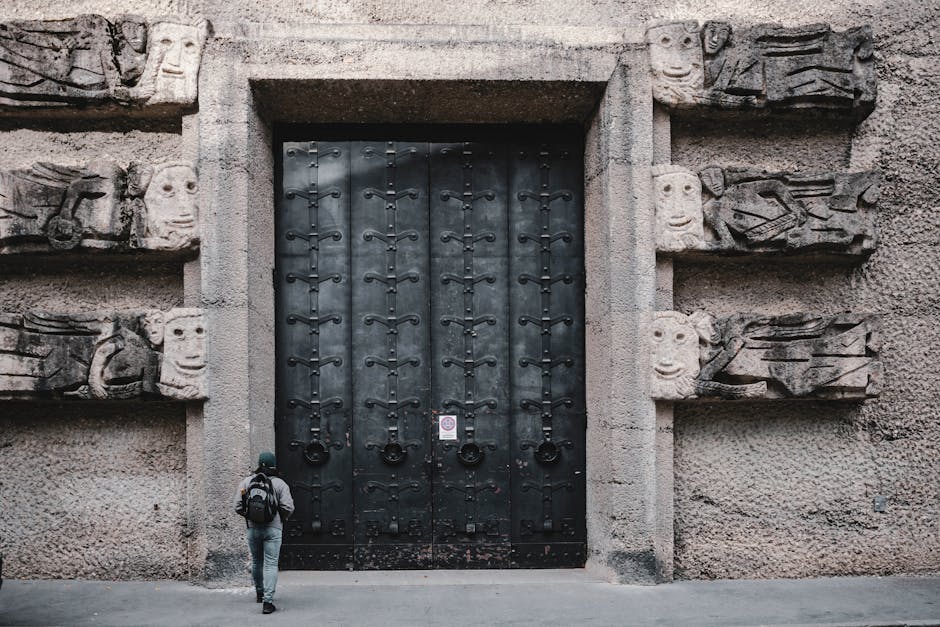
Discover Gothenburg’s 17th-century Dutch foundations, historic canals, and military fortifications on this self-guided architectural walk.
 Easy
EasySalzburg, Austria
Discover the 'Rome of the North' on this self-guided walk through the Baroque squares and monumental legacy of Salzburg’s Prince-Archbishops.
 Moderate
Budva, Montenegro
Discover Budva's hidden parks, panoramic hill views, and the stunning 'Hawaii of Montenegro' island on this refreshing self-guided audio walk.
 Moderate
Budva, Montenegro
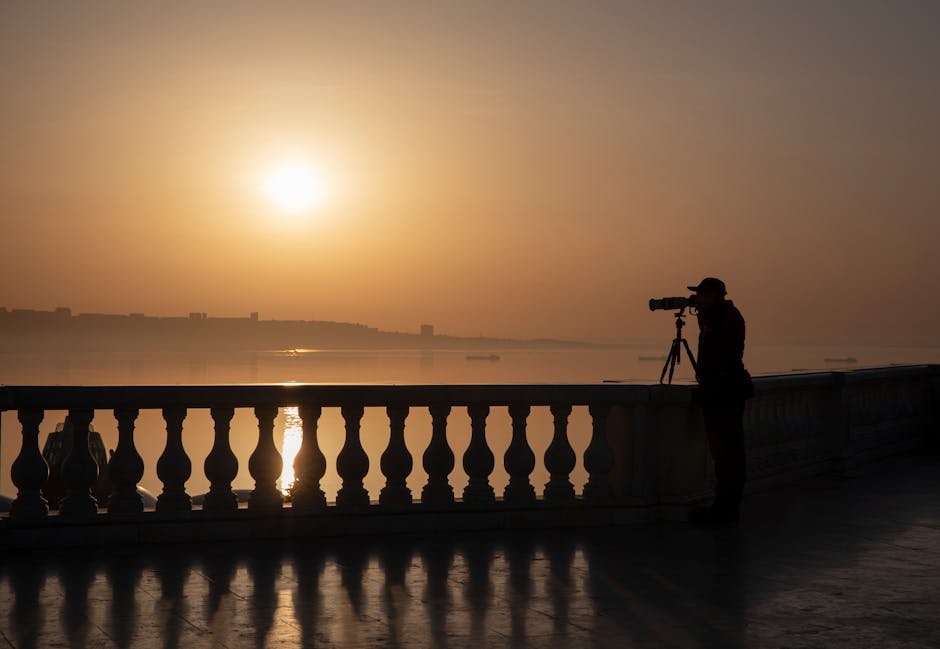
Capture Budva’s most breathtaking vistas on this self-guided audio walk through historic fortresses and scenic mountain paths at sunset.
 Easy
EasyBudva, Montenegro
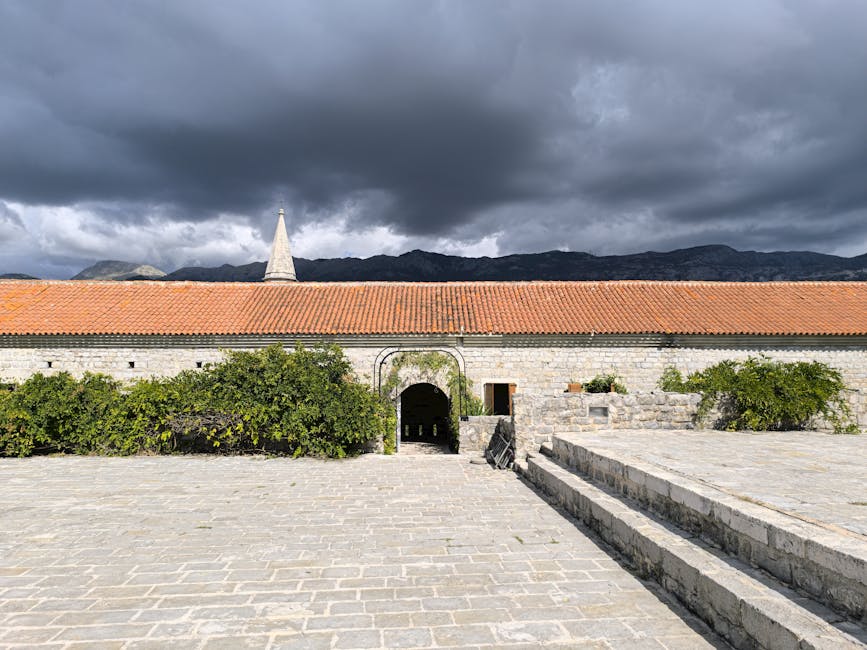
Uncover 2,500 years of history in Budva, from Roman mosaics and ancient city gates to a 2,000-year-old olive tree on this self-guided walk.
 Moderate
Budva, Montenegro
Explore Budva’s spiritual heart on this self-guided walk from the Old Town’s Roman ruins to the serene hillside monasteries and panoramic viewpoints.