Self-guided audio tour in Kotor
Start Free on iPhone
Start free on iPhone to unlock this self-guided walking tour in Kotor. Hear all the stories that make it amazing, walk at your own pace, and begin whenever you want.
Your Private Tour Guide
Step into a world where stone walls whisper secrets of medieval piety and Venetian power. This self-guided walk through Kotor, Montenegro, invites you to explore the intricate tapestry of faith and architecture that defines this UNESCO World Heritage site. Starting in the heart of the Old Town, you will discover why Kotor is celebrated as one of the best-preserved medieval settlements in the Mediterranean. As you navigate the winding marble lanes, the route highlights the unique coexistence of Catholic and Orthodox traditions, exemplified by the dual altars of Saint Luke’s Church and the Romanesque grandeur of Saint Tryphon Cathedral. This neighborhood stroll isn't just about the churches; it’s a journey through time, connecting the spiritual centers with the defensive bastions that once protected the city from invaders. Beyond the city walls, the path leads you toward the heights of San Giovanni and the rugged beauty of the Vrmac ridge. While many visitors stick to the main squares, this walking route encourages you to see the city from above, following the historic 'Ladder of Kotor' and eventually reaching the silent, imposing ruins of Fort Vrmac. Whether you are an architecture enthusiast or a history buff, this self-guided adventure offers a profound look at how geography and spirituality shaped this Adriatic gem. This walking tour Kotor provides the flexibility to linger at a 12th-century fresco or rush to the top of the ramparts for a sunset view. Unlike a traditional guided tour Kotor, you set the pace, allowing the 'Echoes of Faith' to resonate personally as you uncover the layers of Kotor’s past.
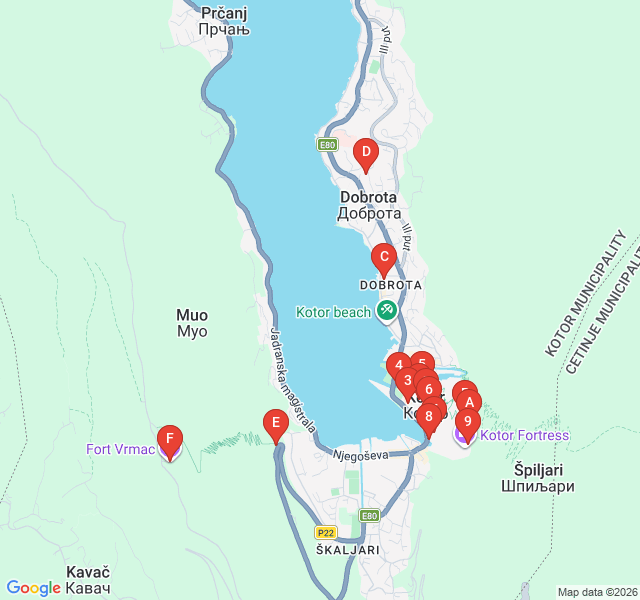
Numbers indicate the order of stops on the tour.
Welcome to the heart of Kotor’s spiritual history. Saint Luke’s Church, built in 1195, is a testament to the city's religious harmony. Originally a Catholic church, it was later shared with the Orthodox community. For nearly two centuries, it uniquely featured both Catholic and Orthodox altars. As you look at its modest but sturdy Romanesque-Byzantine facade, imagine the generations of locals who sought refuge here during the city's many earthquakes. It is one of the few buildings in Kotor that survived the 1979 earthquake almost entirely intact, preserving its 12th-century charm for modern explorers.
Tucked away in a quiet corner, the Church of St. Michael stands on the site of a much larger 9th-century Benedictine monastery. The current structure, dating to the 14th century, is small but architecturally significant, featuring Gothic elements. Inside, you can often find a collection of stone fragments and lapidary remains that tell the story of Kotor's early medieval period. It’s a peaceful spot that highlights how layers of history are literally built upon one another in this ancient town.
The Sea Gate is the main entrance to Kotor, built in 1555 during the Venetian period. As you pass through, look up to see the winged Lion of Saint Mark, the symbol of Venice, which ruled Kotor for nearly four centuries. The gate also features a Yugoslav-era inscription commemorating the city's liberation from Nazi occupation in 1944. This gate serves as a threshold between the modern waterfront and the timeless stone labyrinth of the Old Town, reminding us of Kotor’s strategic importance as a maritime stronghold.
Dominating the northwestern corner of the city walls, the Kampana Tower is a masterpiece of medieval engineering. Part of the extensive fortification system that stretches up the mountain, this tower was built to protect the city from naval attacks. From its base, you can see the Scurda River meeting the bay. The sheer thickness of these walls explains why Kotor remained an unconquerable fortress for so many centuries. Take a moment to appreciate the scale of the masonry here, which was designed to withstand both cannon fire and the test of time.
Contrasting with the ancient Romanesque style of the city, Saint Nicholas is a grand Serbian Orthodox church built in the early 20th century. Its twin domes and the large Serbian flag hanging between them make it a prominent landmark. Inside, the atmosphere is heavy with the scent of beeswax candles and incense. The church houses a magnificent iconostasis and a valuable collection of silver and priestly vestments. It represents the enduring presence of the Orthodox faith in Kotor’s cultural fabric, standing proudly near its older neighbor, St. Luke’s.
Saint Tryphon Cathedral is arguably the most famous landmark in Kotor. Consecrated in 1166, it is dedicated to the city’s patron saint, whose relics were brought here from Constantinople in the 9th century. Notice the two towers; they are slightly different because the city lacked the funds to finish the second tower identically after a devastating earthquake in 1667. The interior is a treasure trove of Romanesque columns, gilded altars, and a silver bas-relief. It remains the seat of the Catholic Bishopric of Kotor and a symbol of the city’s deep-rooted maritime and religious traditions.
Located within a historic palace, Restoran Atrium offers a glimpse into the lifestyle of Kotor’s former nobility. While it is a place for refreshment today, the architecture of the building—with its open courtyard and stone arches—is typical of the Venetian-style palaces that line Kotor’s squares. It’s a perfect spot to pause and observe the daily life of the town, where the clink of coffee cups mingles with the chime of church bells. Notice the intricate carvings on the window frames, a sign of the wealth that once flowed through this port.
At the southern end of the city lies the Gurdić Bastion and Gate. This is one of the most fascinating parts of the fortifications because of the 'Gurdić' spring. During heavy rains, the freshwater spring gushes out with such force that it creates a natural water barrier, pushing the salt water back into the bay. The bastion itself has been reinforced many times over the centuries to protect the city’s southern flank. It feels more rugged and secluded here, offering a different perspective on the city’s defensive perimeter.
Prepare for a climb! The San Giovanni fortress, or the Castle of St. John, sits 280 meters above sea level. This stop represents the pinnacle of Kotor’s defensive efforts. As you ascend the 1,350 steps, you’ll pass the Church of Our Lady of Remedy, built by survivors of the plague. Reaching the top rewards you with the most iconic view in Montenegro: the red roofs of the Old Town contrasting against the deep blue of the Bay of Kotor. These walls were built and rebuilt by Byzantines, Serbs, and Venetians, creating a mountain-side shield that is truly breathtaking.
The 'Ladder of Kotor' is an ancient caravan route that once connected Kotor with the former capital, Cetinje, and the rest of Montenegro. This switchback trail predates the modern roads and was the only way for mountain villagers to bring their goods to the city market. Walking even a small portion of it gives you a sense of the isolation and ruggedness of the region. The zig-zagging path offers spectacular views of the fortress walls from the outside, showing just how steep and inaccessible the terrain really is.
As we move toward the outskirts, we walk along the Old Town Road. This area marks the transition from the dense, protective stone of the city center to the more open landscape of the bay. You can see how the modern city has grown around the ancient core. This path was once the lifeline for the town, where traders and travelers would make their final approach to the gates of Kotor after long journeys through the mountains.
The Maritime Faculty of the University of Montenegro is located in a beautiful building near the water. It continues a tradition that is centuries old: Kotor has always been a city of sailors and navigators. In the past, the Boka Navy (a fraternal organization of mariners) was one of the most powerful entities in the Adriatic. Today, students here learn the modern science of the sea, ensuring that Kotor’s identity as a maritime hub remains alive in the 21st century.
While it may seem like a simple hostel, this building is part of Kotor's broader social history. Named after two naval heroes who famously blew up their destroyer rather than surrender it to the Italian navy in 1941, the site reflects the Yugoslav era's architectural and social priorities. It’s a reminder that Kotor’s history didn't stop in the Middle Ages; it continued through the tumultuous 20th century, honoring those who showed the same bravery as the defenders of the ancient walls.
Leaving the bay behind, we reach the trailhead for the Vrmac ridge. This path takes you away from the coastal bustle and into the quiet pine forests and limestone slopes of the Vrmac mountain. This ridge separates the inner Bay of Kotor from the outer Bay of Tivat. The trail follows an old Austro-Hungarian military road, engineered with a gentle gradient to allow for the transport of heavy artillery and supplies to the fort above.
Our journey concludes at Fort Vrmac, a massive Austro-Hungarian fortification built in the late 19th century. Unlike the medieval walls of Kotor, this was a modern 'armored' fort, designed to withstand rifled artillery. It was a key part of the 'Festung Teodo' defense system. Today, the fort lies in ruins, a hauntingly beautiful shell of stone and steel overlooking both bays. It represents the final chapter in the region’s long history of military architecture, standing as a silent sentinel over the echoes of faith and war that have defined Kotor.
Start Free on iPhone
Explore “Echoes of Faith: Kotor’s Holy Sites” with your very own Private Tour Guide with Zigway. Start free on iPhone, skip the large group and the fixed routes, and hear the city come alive as you go.
Your Private Tour Guide
Don't miss the good stuff
Explore Freely
 Easy
EasyKotor, Montenegro
Discover Kotor's medieval squares, Venetian palaces, and mountain fortresses on this self-guided audio walk through the historic Old Town.
 Easy
EasyKotor, Montenegro
Discover Kotor’s legendary seafaring past on this self-guided audio walk through the historic Old Town and the scenic harbor.
 Easy
EasyKotor, Montenegro
Discover Kotor’s hidden squares, Venetian bastions, and coastal paths on this flexible self-guided audio walk through the historic Old Town.
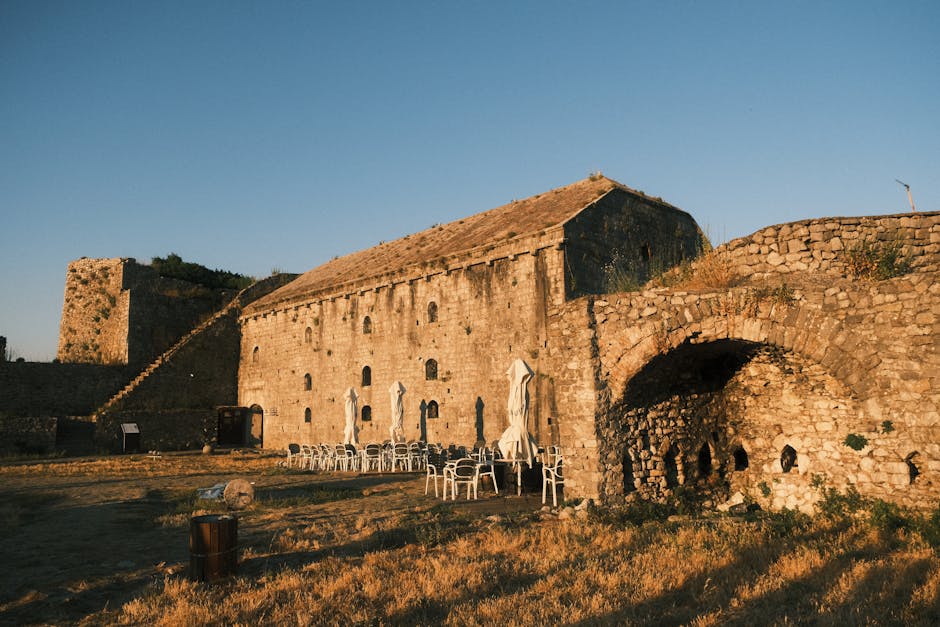 Easy
EasyKotor, Montenegro
Explore Kotor's marble streets and meeting its famous feline residents on this charming self-guided stroll through Montenegro's cat-loving capital.
 Easy
EasyNairobi, Kenya
Discover Nairobi's iconic skyline on this self-guided architecture walk through the CBD’s most famous modernist and Brutalist landmarks.
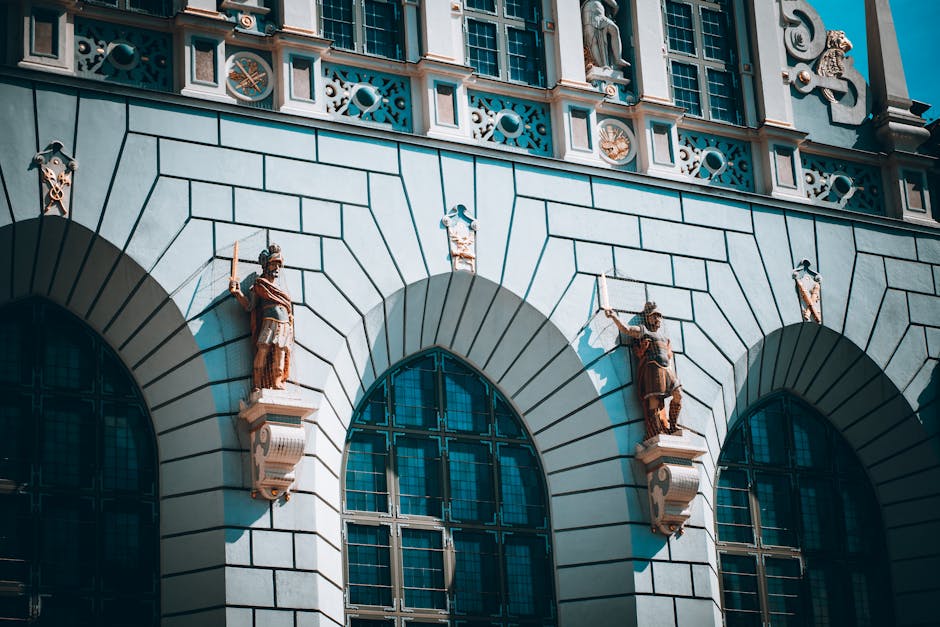 Moderate
Gdansk, Poland
Discover the origins of WWII in Gdansk on this self-guided walk through heroic last stands, massive museums, and strategic hilltop fortifications.
 Moderate
Gothenburg, Sweden
Discover Gothenburg’s maritime soul on this self-guided walk from the historic Central Station to the scenic riverfront at Stenpiren.
 Easy
EasyNairobi, Kenya
Explore Nairobi's architectural evolution from colonial-era landmarks to iconic Brutalist skyscrapers on this historic self-guided walking route.
 Moderate
Budva, Montenegro
Discover Budva's hidden parks, panoramic hill views, and the stunning 'Hawaii of Montenegro' island on this refreshing self-guided audio walk.
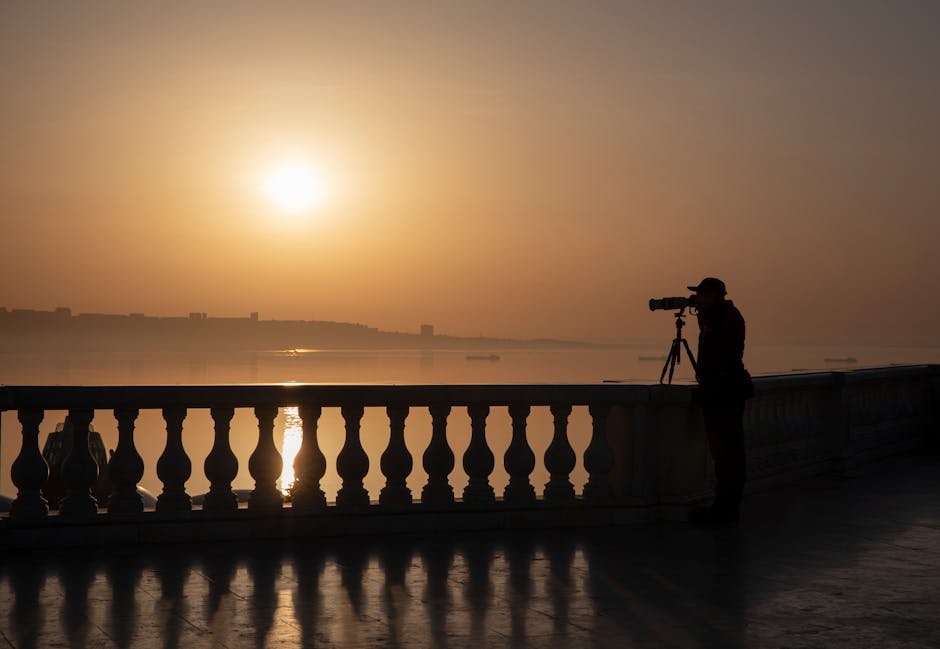 Moderate
Budva, Montenegro
Capture Budva’s most breathtaking vistas on this self-guided audio walk through historic fortresses and scenic mountain paths at sunset.
 Easy
EasyBudva, Montenegro
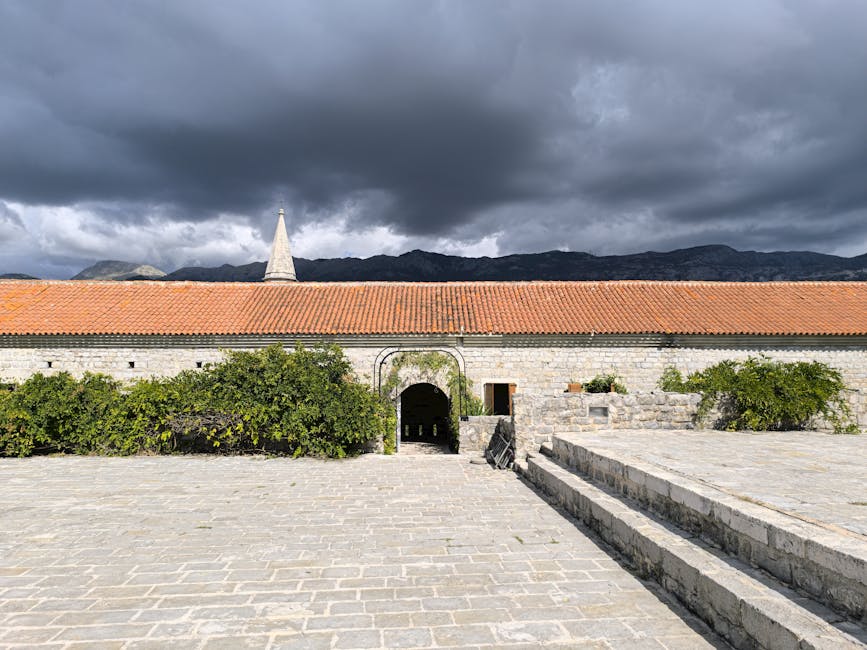
Uncover 2,500 years of history in Budva, from Roman mosaics and ancient city gates to a 2,000-year-old olive tree on this self-guided walk.
 Moderate
Budva, Montenegro
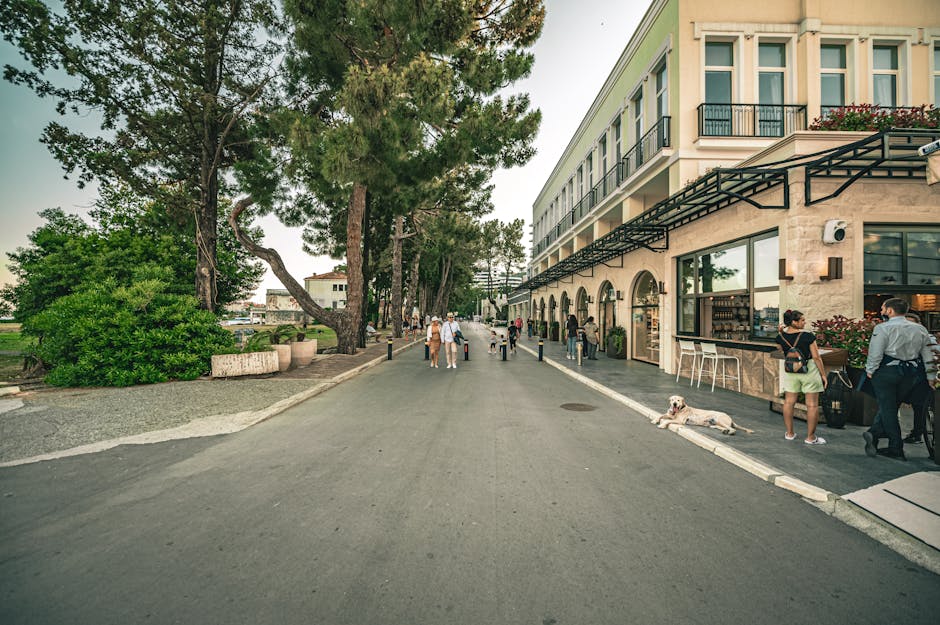
Explore Budva’s spiritual heart on this self-guided walk from the Old Town’s Roman ruins to the serene hillside monasteries and panoramic viewpoints.