Self-guided audio tour in Madrid
Start Free on iPhone
Start free on iPhone to unlock this self-guided walking tour in Madrid. Hear all the stories that make it amazing, walk at your own pace, and begin whenever you want.
Your Private Tour Guide
Beyond the grand facades of the Gran Vía and the bustling corridors of the Puerta del Sol lies a quieter, more verdant side of the Spanish capital. This self-guided walk invites you to uncover the Hidden Aristocratic Gardens of the Center, a collection of secret courtyards, former monastic orchards, and royal landscapes that have shaped the city’s identity for centuries. Exploring these green spaces offers a unique lens through which to view Madrid’s history, from its medieval origins to its 18th-century Enlightenment transformations. Our neighborhood stroll begins in the iconic Plaza Mayor, but quickly ducks into the winding alleys of the La Latina and Los Austrias districts. Here, you will find treasures like the Huerto de las Monjas, a silent garden tucked behind modern apartment blocks, and the Jardín del Príncipe de Anglona, a meticulously restored 18th-century jewel that once belonged to Spanish royalty. As you progress along this walking route, the scale of the gardens grows. You will witness the neoclassical splendor of the gardens surrounding the Basilica of Saint Francis the Great and the sweeping vistas of the Royal Palace. The journey eventually leads you toward the grand 19th-century expansions of the city, including the elegant surroundings of the Museo Lázaro Galdiano and the academic groves of the Universidad Complutense. This is not just a nature walk; it is an exploration of how power, religion, and leisure have been etched into the soil of Madrid. This walking tour Madrid experience is designed for those who want to see the city's softer side. Whether you are a photography enthusiast looking for the perfect play of light on ancient stone or a couple seeking a romantic path away from the crowds, these gardens provide the perfect backdrop. As a self-guided adventure, you have the freedom to linger under a cypress tree or enjoy a coffee near the Temple of Debod without a fixed schedule. Discover the stories of the dukes, monks, and architects who cultivated these urban sanctuaries. From the scent of rosemary in a hidden cloister to the dramatic sunset views over the Manzanares valley, this route captures the essence of Madrid’s enduring charm. Embrace the pace of a local and let the city’s green heart reveal itself one garden at a time.
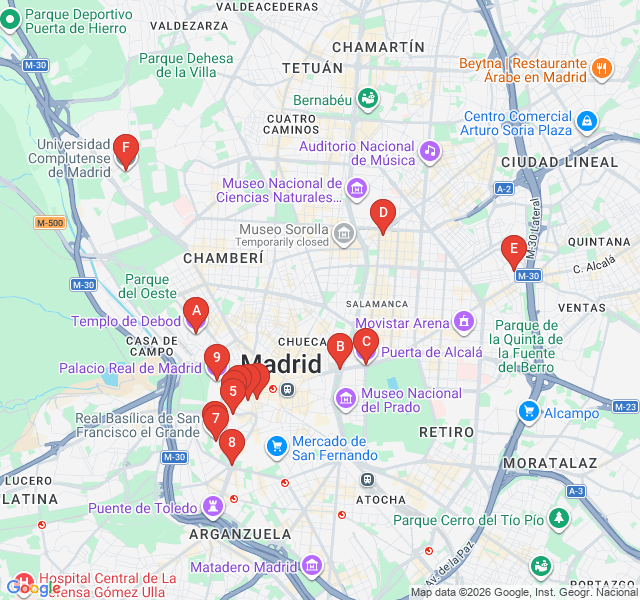
Numbers indicate the order of stops on the tour.
Start your self-guided adventure in the heart of Habsburg Madrid. While today it is a stone-paved square, the Plaza Mayor has served as the city's stage for centuries—hosting markets, royal ceremonies, and even inquisitions. Look up at the frescoes on the Casa de la Panadería and imagine the balconies filled with nobles. This grand space sets the stage for the transition from public pageantry to the private, enclosed gardens we will soon discover. The contrast between this massive open plaza and the intimate green spaces ahead is a hallmark of Madrid's urban design.
Just steps from the Plaza Mayor, this iron-and-glass structure is a temple to Spanish gastronomy. While not a garden in the traditional sense, the Mercado de San Miguel represents the 'indoor garden' of Spanish culture—a place of sensory delight. Built in 1916, it was one of the first modern markets in the city. Notice the intricate ironwork, a style that began to blend urban architecture with the aesthetic of European glasshouses. It’s a great spot to grab a quick snack before we dive into the quieter, greener corners of the historic center.
This small, manicured garden sits in one of Madrid's best-preserved medieval squares. The Plaza de la Villa houses the old City Hall and the 15th-century Lujanes Tower. The central garden, with its neat boxwood hedges and seasonal flowers, surrounds a statue of Álvaro de Bazán, a hero of the Spanish Navy. This spot illustrates how the city used small garden plots to bring order and beauty to its dense medieval layout. It is a quiet, formal introduction to the more expansive aristocratic gardens that follow.
Step through the unassuming passage at Calle del Sacramento 7 to find the Huerto de las Monjas, or 'Nun's Orchard.' This secluded oasis was once part of the Cistercian Monastery of San Sacramento, demolished in the 1970s. Today, it remains a rare fragment of the 'Hidden Madrid.' As you sit by the central fountain, surrounded by high walls and fruit trees, the noise of the city vanishes. It is a perfect example of the 'hortus conclusus' or enclosed garden, designed for meditation and quiet labor. Notice the bronze statues of readers, emphasizing the garden's role as a sanctuary for the mind.
Tucked away in a corner of the Plaza de la Paja, this is one of the few surviving 18th-century aristocratic gardens in Madrid. Designed by Javier de Winthuysen in 1761, it belonged to the adjacent palace of the Prince of Anglona. The garden features a neoclassical layout with a central stone fountain and four paths that divide the space into quadrants. Its brick-paved walkways and lush vine-covered pergolas create a romantic atmosphere that feels worlds away from the nearby bars of La Latina. It was restored in the early 21st century to maintain its original noble character.
This basilica is a neoclassical masterpiece, famous for having the fourth-largest dome in Christendom. While the interior is filled with Goya paintings, the scale of the building itself speaks to the grand ambitions of the Spanish crown in the 18th century. The church sits on the site of a former Franciscan monastery, and its presence dominates the skyline of the La Latina neighborhood. The architecture here serves as a bridge between the humble monastic roots of the city and the imperial grandeur of the nearby Royal Palace.
Directly adjacent to the basilica lies a beautiful tiered garden known for its impressive collection of dahlias and its spectacular viewpoints. From the terraces, you can look out over the Manzanares river valley and toward the Casa de Campo. This space was formerly a burial ground but was transformed into a public garden that emphasizes the neoclassical symmetry of the area. It is particularly beautiful in late summer when the dahlias are in full bloom, offering a splash of color against the grey granite of the basilica.
The Puerta de Toledo is a grand triumphal arch that once marked the southern entrance to the city. Completed in 1827, it was built to commemorate the return of King Fernando VII after the Napoleonic wars. The surrounding area is landscaped with granite and greenery, serving as a gateway between the historic center and the southern districts. While it sits in the middle of a busy roundabout, the gate remains a symbol of the city's 19th-century expansion and the aristocratic desire to frame the city with monumental entrances.
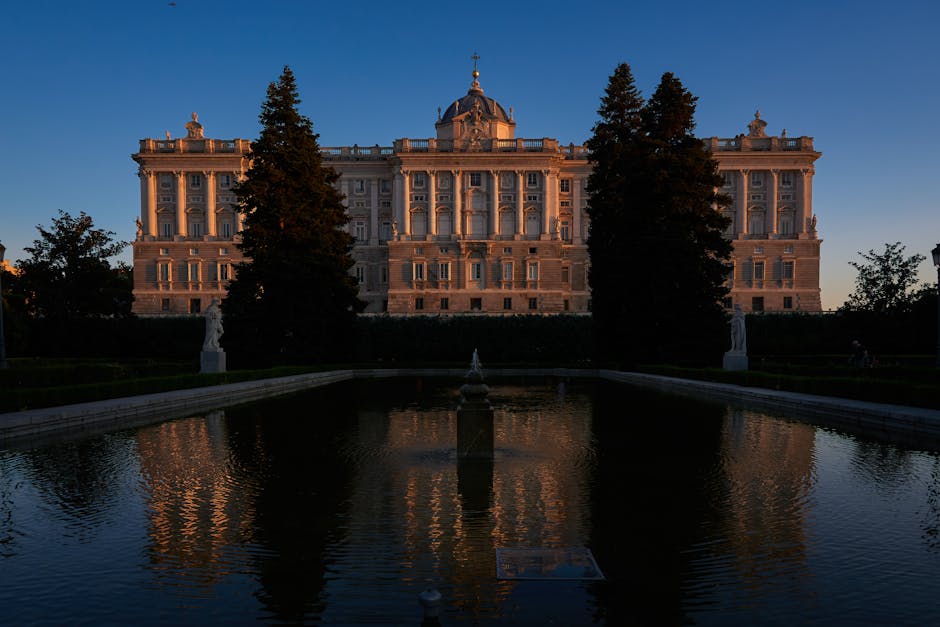
The Palacio Real is the largest functioning royal palace in Europe. While the building is a marvel of Baroque and Neoclassical architecture, its surrounding gardens—the Sabatini Gardens and the Campo del Moro—are the true stars for nature lovers. These gardens were designed to reflect the power and taste of the Bourbon dynasty, inspired by the French style of Versailles. The Sabatini Gardens, with their geometric pools and marble statues, offer a formal elegance, while the Campo del Moro provides a more romantic, English-style landscape with peacocks and winding paths.
The Temple of Debod offers a surprising Egyptian silhouette against the Madrid skyline. This 2nd-century BC temple was a gift from Egypt to Spain in 1968, relocated stone by stone to save it from the flooding caused by the Aswan High Dam. It is surrounded by a shallow pool and sprawling lawns that provide one of the most romantic viewpoints in the city. At sunset, the ancient stone glows golden, reflecting in the water. This site marks the transition from the dense urban center to the vast green expanses of the Casa de Campo.
Moving toward the Enlightenment district, the Cibeles Fountain is one of Madrid's most iconic landmarks. The goddess Cybele, sitting in a chariot pulled by lions, is surrounded by grand buildings like the Palacio de Cibeles and the Bank of Spain. The landscaping here is part of the 'Paseo del Prado' axis, a UNESCO World Heritage site designed to bring nature and science to the public. The trees lining the nearby boulevards create a green corridor that links the city's major museums and gardens.
This neoclassical gate was once the main entrance to the city from the east. Built by Francesco Sabatini for King Carlos III, the 'Mayor of Madrid,' it is older than the Arc de Triomphe in Paris. The gate is surrounded by beautifully maintained flower beds that change with the seasons. It stands at the entrance to the Retiro Park, serving as a monumental portal to what was once a private royal retreat and is now the city's most famous public garden.
The Jardín del Museo Lázaro Galdiano is a hidden gem in the upscale Salamanca district. Surrounding the Neo-Renaissance palace 'Parque Florido,' this garden was designed at the turn of the 20th century. It reflects the eclectic and sophisticated taste of its creator, José Lázaro Galdiano. As you wander through its paths, you will notice a variety of botanical species, from towering cedars to delicate rose bushes, providing a quiet escape from the busy Calle de Serrano. It is one of the few private gardens from this era that remains largely intact.
Las Ventas Bullring is primarily known for its world-famous arena, but its surroundings offer a unique architectural landscape. Built in the Neo-Mudéjar style, characterized by red brick and intricate tile work, the building is surrounded by open plazas and landscaped areas. These spaces serve as a gathering point for locals and visitors alike. The garden elements here highlight the transition of Madrid’s aristocratic leisure into the public sphere. Notice how the brickwork complements the greenery, creating a vibrant contrast that reflects the city's 20th-century growth.
Our journey concludes at the Universidad Complutense, specifically near the Real Jardín Botánico Alfonso XIII. This academic green space represents the modern evolution of the aristocratic garden—moving from private pleasure to public education. Established in the mid-20th century, the campus was designed as a 'University City' with ample green belts. The botanical garden here houses over 800 species, organized by geographical origin. It is a peaceful, intellectual retreat where the legacy of Madrid’s botanical curiosity continues to thrive, marking the final stage of our green odyssey.
Start Free on iPhone
Explore “Hidden Aristocratic Gardens of the Center” with your very own Private Tour Guide with Zigway. Start free on iPhone, skip the large group and the fixed routes, and hear the city come alive as you go.
Your Private Tour Guide
Don't miss the good stuff
Explore Freely
 Easy
EasyMadrid, Spain
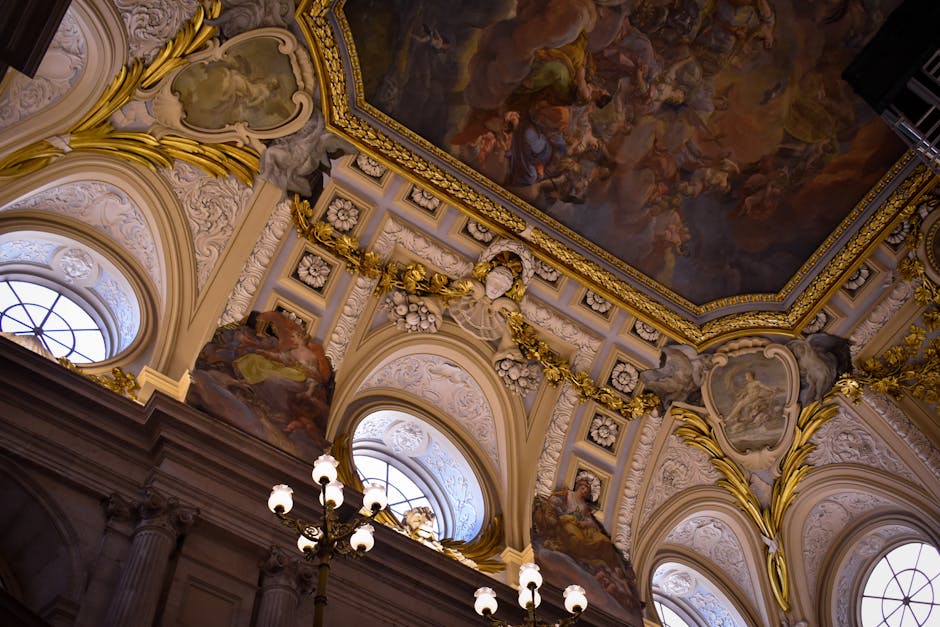
Explore Madrid's 'Landscape of Light' on this self-guided walk through the world-renowned Golden Triangle of Art, from Cibeles to the Reina Sofía.
 Moderate
Madrid, Spain
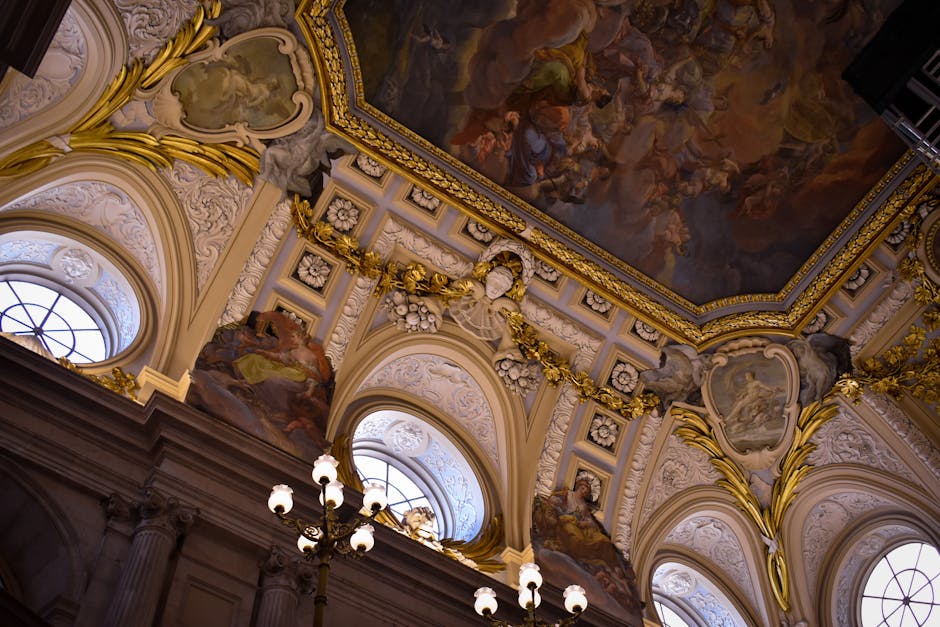
Explore Madrid's most diverse neighborhood on this self-guided walk through street art, historic markets, and multicultural squares.
 Easy
EasyMadrid, Spain
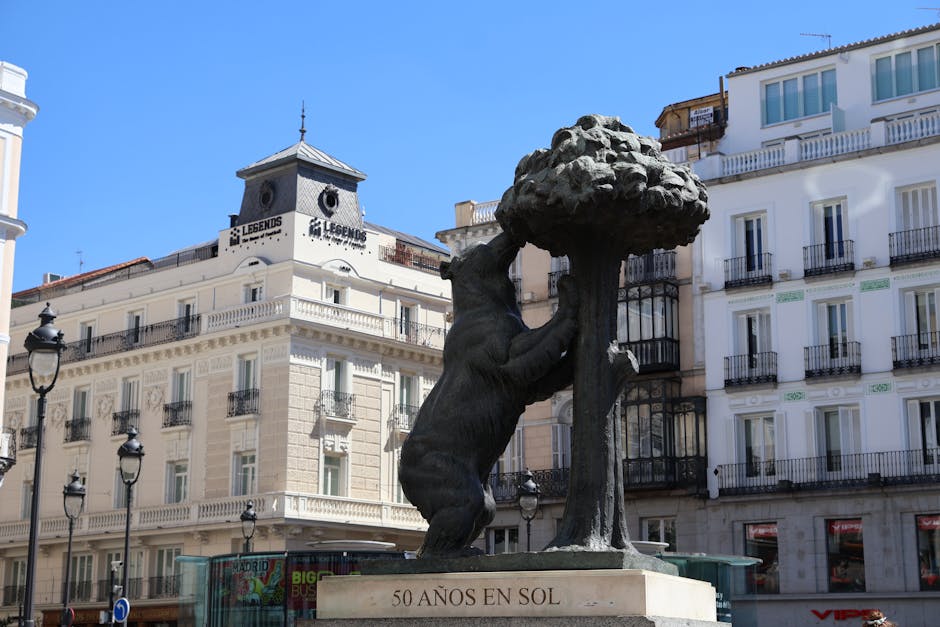
Explore the royal legacy and medieval alleys of Madrid's historic Habsburg district on this immersive self-guided walk through the city's heart.
 Easy
EasyMadrid, Spain
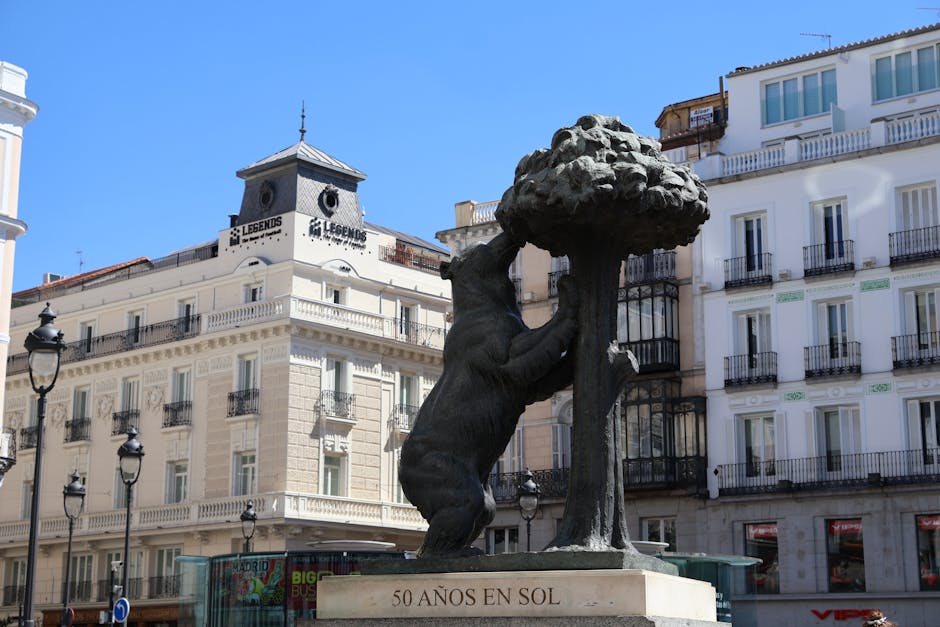
Discover the rebellious spirit of Malasaña on this self-guided walk through Madrid's best street art, historic squares, and counter-culture hubs.
 Moderate
Helsinki, Finland
Explore the 'Gibraltar of the North' on this independent walking route through the historic bastions and hidden gardens of Suomenlinna Sea Fortress.
 Moderate
Nairobi, Kenya
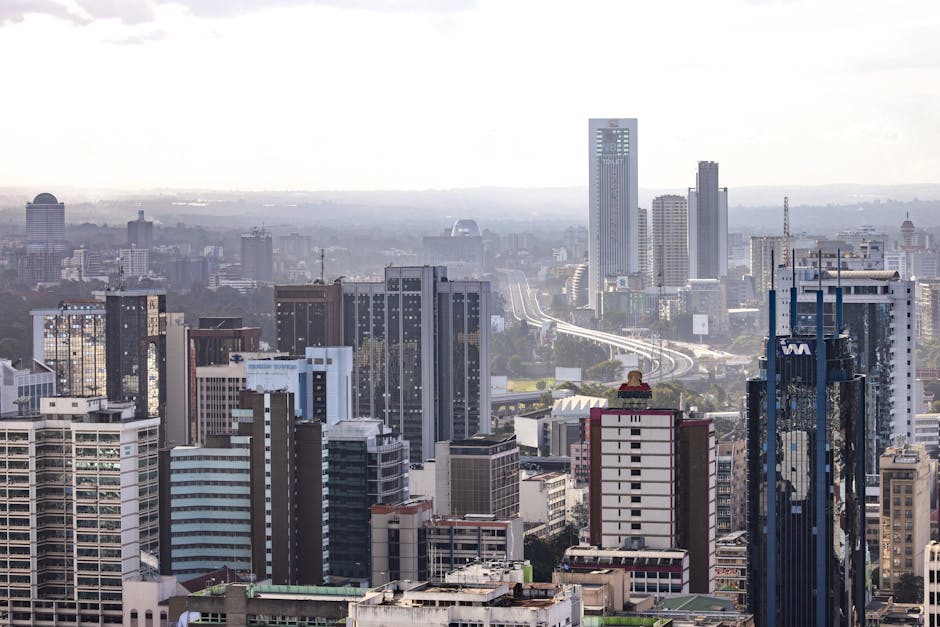
Discover Nairobi's lush side on this self-guided walk through botanical gardens, historic memorials, and vibrant local markets.
 Moderate
Vienna, Austria
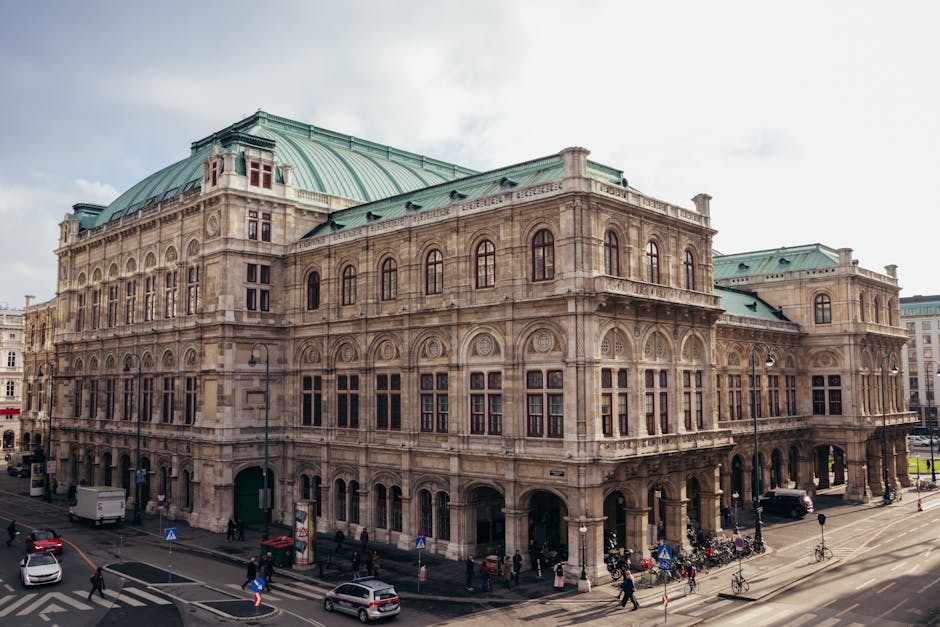
Follow the footsteps of Mozart and Strauss through Vienna’s historic center on this self-guided walk through the city's rich musical history.
 Easy
EasyGdansk, Poland
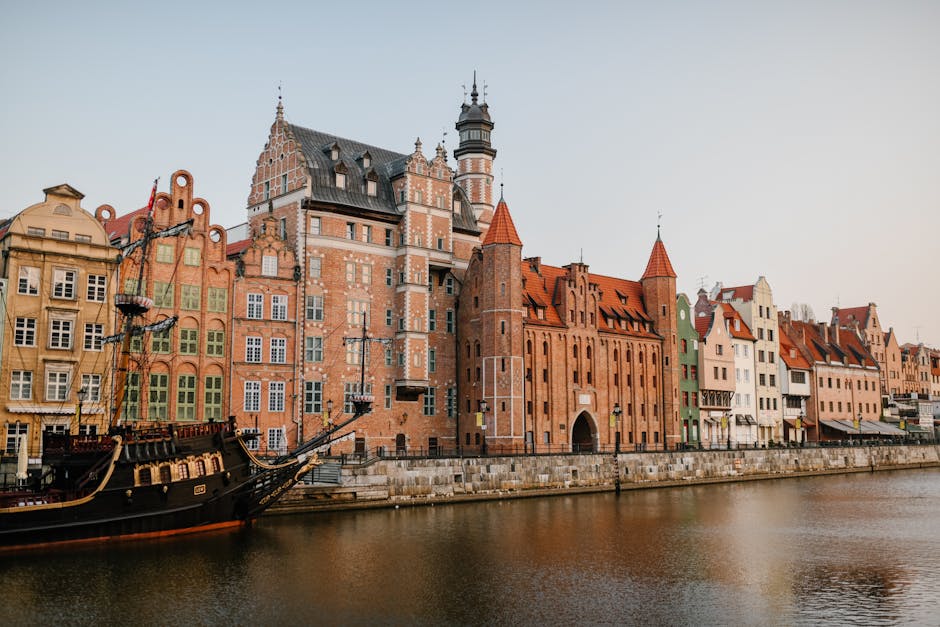
Discover the monastic heritage, world-famous organs, and lush botanical gardens of Oliwa on this peaceful self-guided neighborhood stroll.
 Moderate
Barcelona, Spain
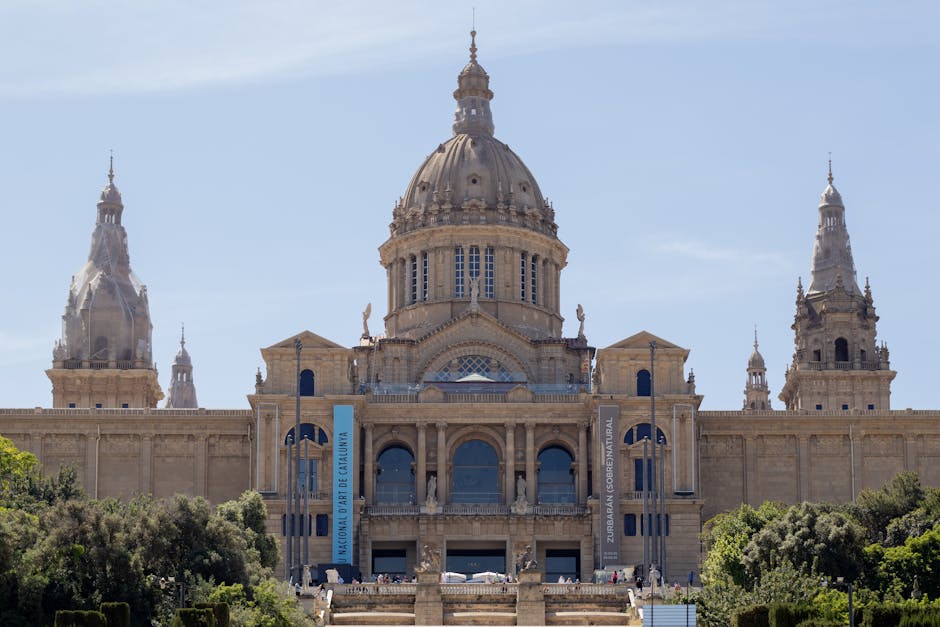
Explore the elegant 'village' of Sarrià, where Gothic monasteries and Gaudí's hidden gems meet charming local markets and narrow streets.
 Moderate
Barcelona, Spain
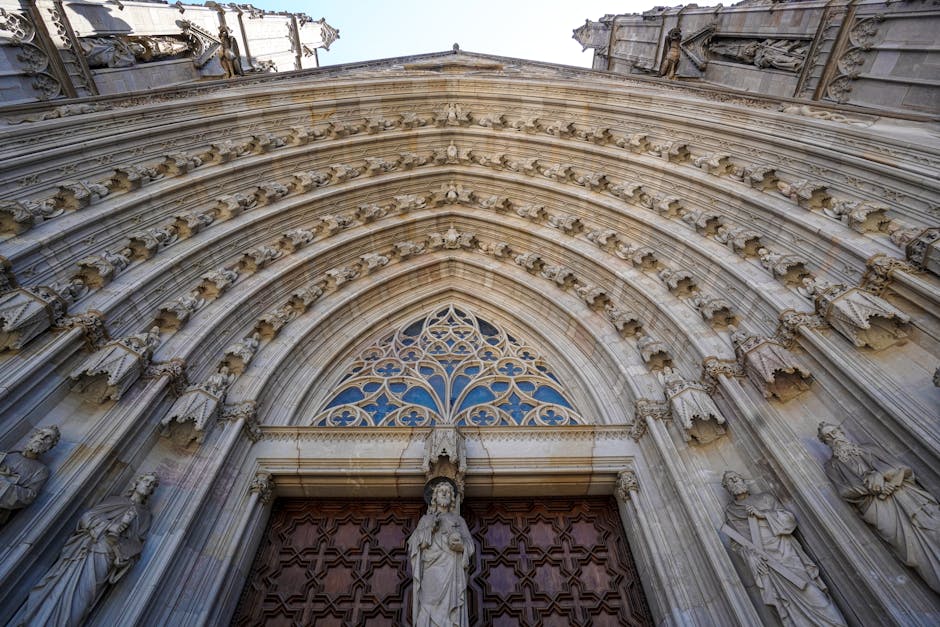
Discover the revolutionary history and haunting scars of the Spanish Civil War on this self-guided walk through Barcelona's historic streets.
 Easy
EasyBarcelona, Spain
Discover the architectural wonders of Barcelona's Golden Square on this self-guided stroll through Eixample's most luxurious Modernista streets.
 Challenging
Barcelona, Spain
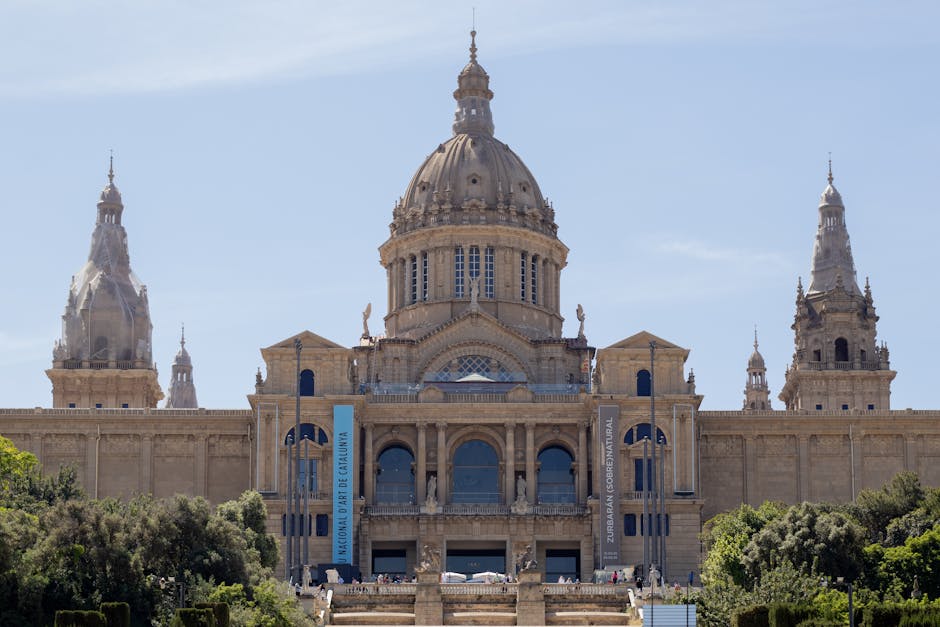
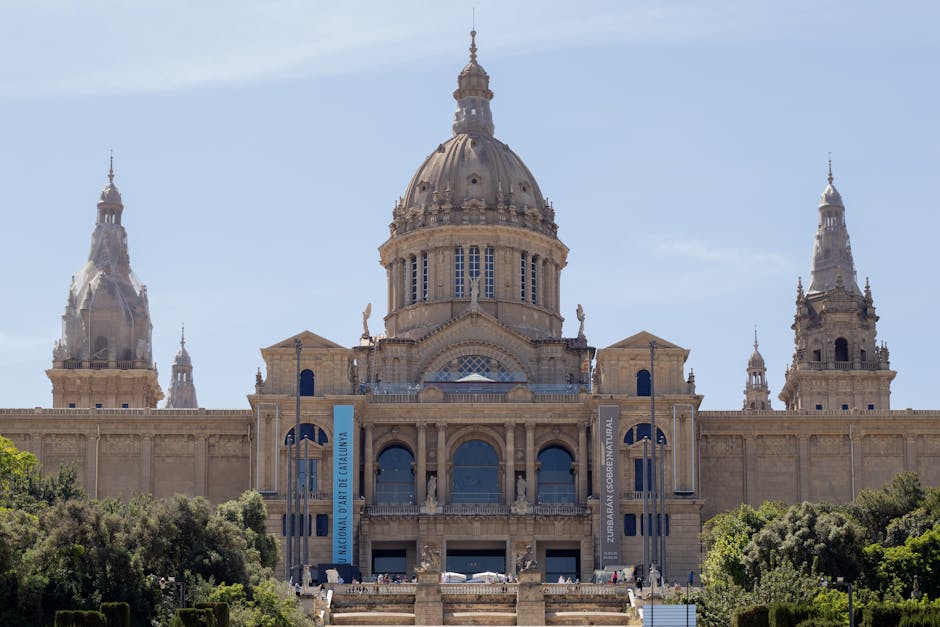
Explore Montjuïc’s lush gardens, historic fortress, and iconic Olympic venues on this scenic self-guided walk with panoramic Mediterranean views.