Self-guided audio tour in Seville
Start Free on iPhone
Start free on iPhone to unlock this self-guided walking tour in Seville. Hear all the stories that make it amazing, walk at your own pace, and begin whenever you want.
Your Private Tour Guide
Seville is a city where the line between the earthly and the divine is beautifully blurred. This self-guided walk invites you to explore the profound religious identity of the Andalusian capital, a place where baroque gold leaf meets centuries-old traditions. As you navigate the winding streets of the Centro district, you will discover that Seville’s devotion is not confined to its grand cathedral but is woven into the very fabric of its plazas, hidden shrines, and parish churches. This walking route offers a deep dive into the art, architecture, and atmosphere that define the city's spiritual life. Your journey begins at the Iglesia del Salvador, a monumental structure built atop the foundations of an ancient mosque, serving as a perfect metaphor for Seville's layered history. From there, the route takes you through the bustling Plaza de la Campana, the symbolic heart of the city's world-famous Holy Week processions. You will wander toward the northern part of the historic center to find hidden gems like San Juan de la Palma and the breathtaking San Luis de los Franceses, often cited as the pinnacle of Baroque architecture in Spain. The path eventually leads to the Basílica de la Macarena, home to the city’s most beloved icon, before concluding at the Puerta del Perdón of the great Cathedral. Choosing a self-guided walk allows you the freedom to linger in front of an ornate altar or pause for a coffee in a quiet square without the pressure of a group schedule. You can time your visit to catch the soft morning light hitting the brickwork or the evening glow reflecting off the ceramic tiles of neighborhood shrines. Whether you are interested in the intricate craftsmanship of the 'Pasos' (processional floats) or the quiet solitude of a Mudejar-style courtyard, this route provides the context needed to understand why Seville remains one of the most spiritually vibrant cities in Europe. This walking tour Seville experience is designed for those who want to see beyond the surface and feel the pulse of a city defined by its faith and its festivals.
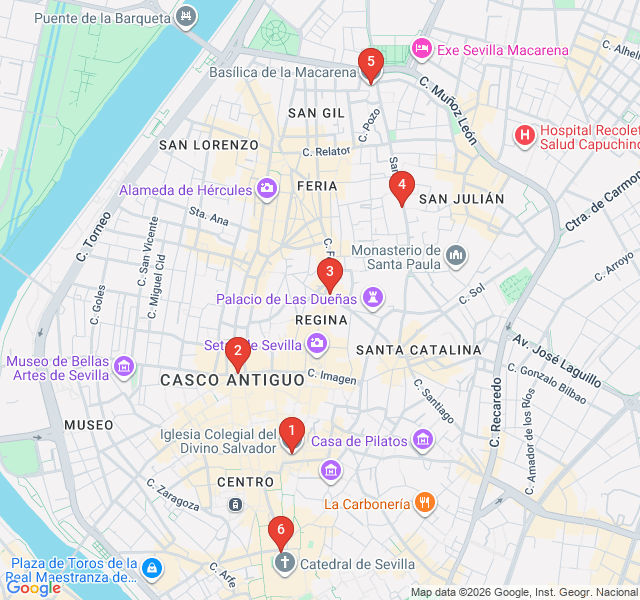
Numbers indicate the order of stops on the tour.
Standing before the massive pink facade of the Iglesia del Salvador, you are looking at the second largest church in Seville, surpassed only by the Cathedral. This site has been a center of worship for over a thousand years. Beneath the Baroque stone lies the footprint of the Ibn Adabbas mosque, built in the 9th century. If you look closely at the base of the bell tower, you can still see the remnants of the ancient minaret. Inside, the church is a treasure trove of 'retablos'—massive, gilded altarpieces that seem to drip with gold. It is also the home of several important statues used during Holy Week, including the 'Cristo del Amor'. This stop perfectly illustrates how Seville transformed its Islamic past into a triumphant Catholic present.
While it may look like a busy commercial intersection, Plaza de la Campana is the most sacred spot in Seville’s secular geography. During Holy Week, every single brotherhood must pass through this point to begin the 'Official Section' of the route toward the Cathedral. For Sevillanos, this plaza represents the anticipation of spring and the rhythmic sound of drums and trumpets. The famous pastry shop here, La Campana, has stood since 1885 and serves as a landmark for locals meeting to discuss the upcoming processions. Take a moment to imagine the square filled with thousands of people in silence as a massive candlelit float turns the corner into the narrow Sierpes street.
Tucked away from the main tourist trail, the Church of San Juan de la Palma is a beautiful example of the Gothic-Mudejar style unique to Andalusia. Built after the Christian reconquest of the city, it retains the simple, sturdy proportions of earlier eras. The church is famous for being the headquarters of the 'Amargura' brotherhood. The interior is often filled with the scent of incense and fresh flowers. Notice the intricate brickwork on the exterior, a hallmark of the Mudejar craftsmen who blended Islamic decorative techniques with Christian architecture. It is a quieter, more intimate stop that reveals the neighborhood-level devotion that sustains Seville’s religious culture.
Prepare to be dazzled by San Luis de los Franceses, a masterpiece of the Spanish Baroque. Designed by Leonardo de Figueroa for the Jesuits in the early 18th century, this church is unique for its circular floor plan and its soaring dome. The interior is a sensory overload of frescoes, mirrors, and gilded carvings designed to inspire awe and religious ecstasy. Every inch of the space is packed with symbolism, from the representations of the different continents to the intricate reliquaries. It served as a seminary and later a hospital, but today it stands as a monument to the power and wealth of the church during the height of the Spanish Empire.
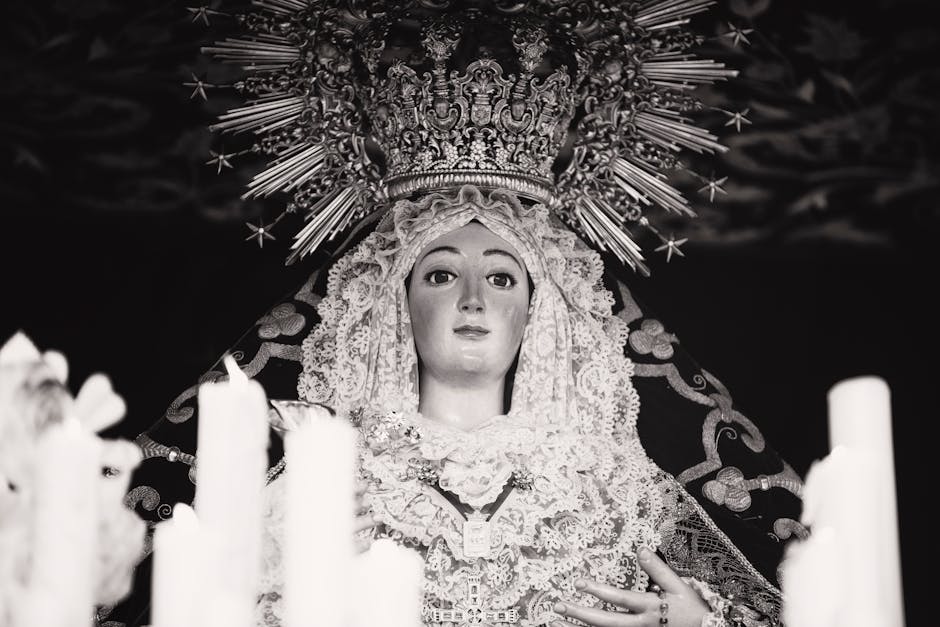
You have now reached the spiritual heart of Seville for many of its residents. The Basílica de la Macarena houses the Virgen de la Esperanza Macarena, an 18th-century statue with glass tears that evokes an incredible level of local passion. Even if you are not religious, the atmosphere here is palpable. The walls are lined with gold and silver offerings from faithful followers, including famous bullfighters and dignitaries. Adjacent to the church is the museum where the 'Pasos' and the Virgin’s incredible embroidered tunics are kept. This site is more than a building; it is a symbol of the city's identity and its resilience through history.
Your walk concludes at the Puerta del Perdón, the oldest part of Seville's massive Cathedral complex. This gate was originally the main entrance to the Almohad mosque's courtyard, known as the Patio de los Naranjos. The bronze-plated doors still feature Arabic inscriptions, a reminder that the world's largest Gothic cathedral was built directly over its Islamic predecessor to demonstrate Christian dominance. As you stand here, look up at the Giralda, the former minaret turned bell tower. This spot marks the end of the penitential path for every brotherhood in Seville, where they finally enter the 'Holy Church' to complete their stations of penance.
Start Free on iPhone
Explore “Sacred Seville: Statues, Shrines, and Devotion” with your very own Private Tour Guide with Zigway. Start free on iPhone, skip the large group and the fixed routes, and hear the city come alive as you go.
Your Private Tour Guide
Don't miss the good stuff
Explore Freely
 Challenging
Seville, Spain
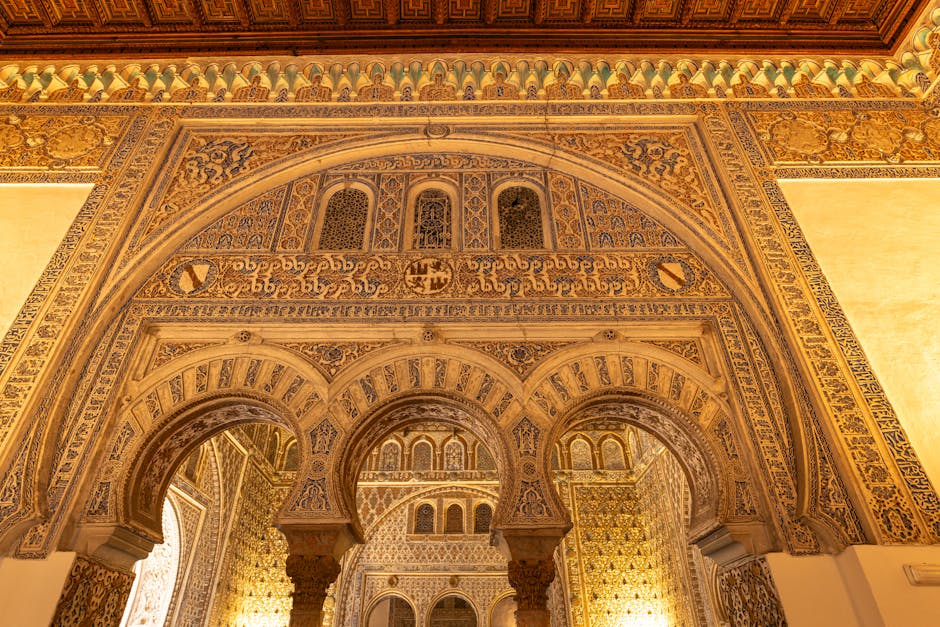
Explore the futuristic legacy of Expo 92 and the ancient secrets of a Carthusian monastery on this self-guided walk through Isla de la Cartuja.
 Moderate
Seville, Spain
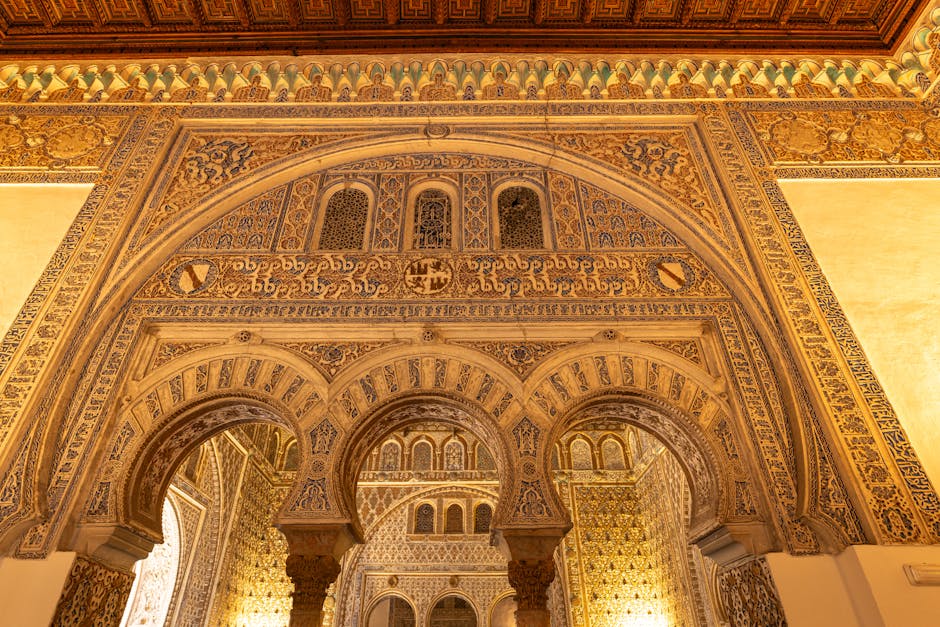
Explore Seville's artistic soul in Macarena, featuring ancient walls, vibrant markets, and bohemian workshops on this independent audio walk.
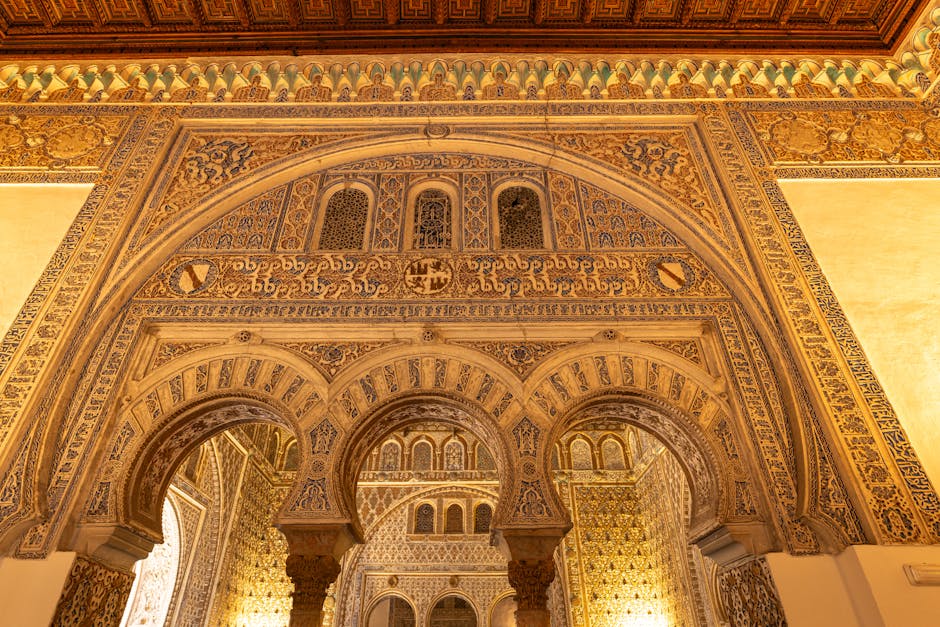 Easy
EasySeville, Spain
Discover the independent spirit of Triana on this self-guided walk through flamenco history, ceramic traditions, and riverside charm.
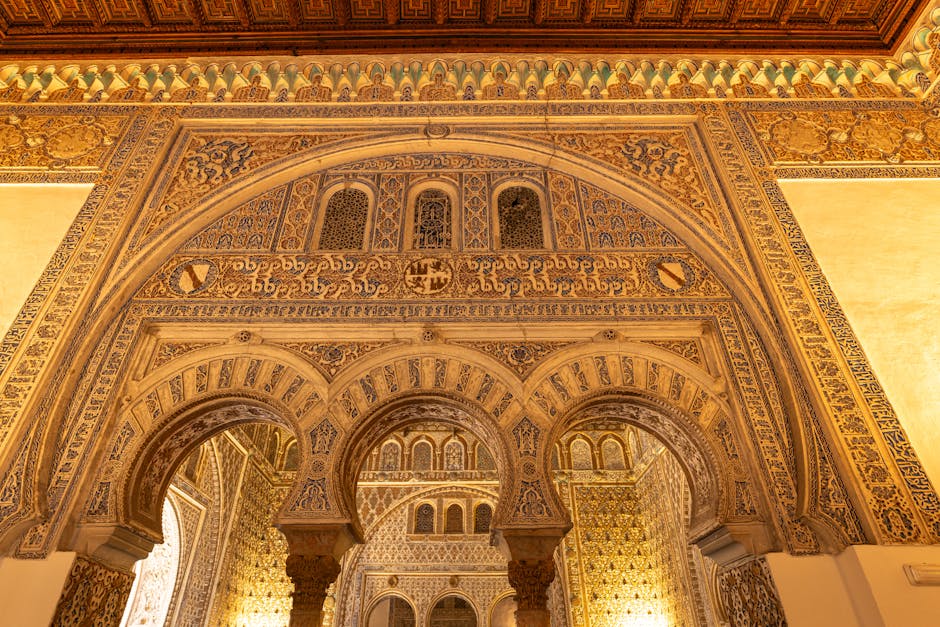 Easy
EasySeville, Spain
Discover Seville's modern side! Explore the iconic Setas, Roman ruins, and trendy boutiques on this self-guided walking route through the city center.
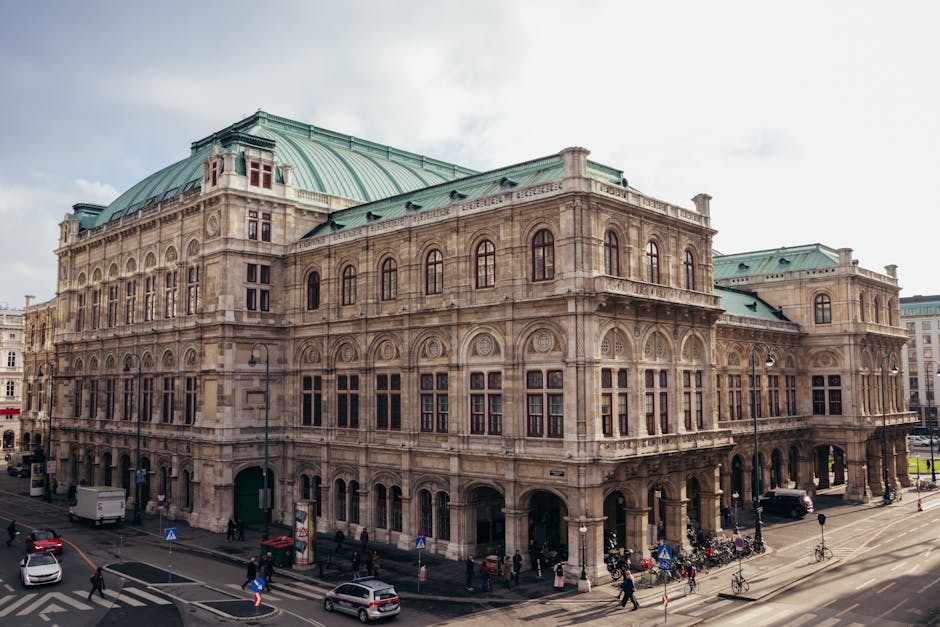 Moderate
Vienna, Austria
Follow the footsteps of Mozart and Strauss through Vienna’s historic center on this self-guided walk through the city's rich musical history.
 Easy
EasySalzburg, Austria
Discover the 'Rome of the North' on this self-guided walk through the Baroque squares and monumental legacy of Salzburg’s Prince-Archbishops.
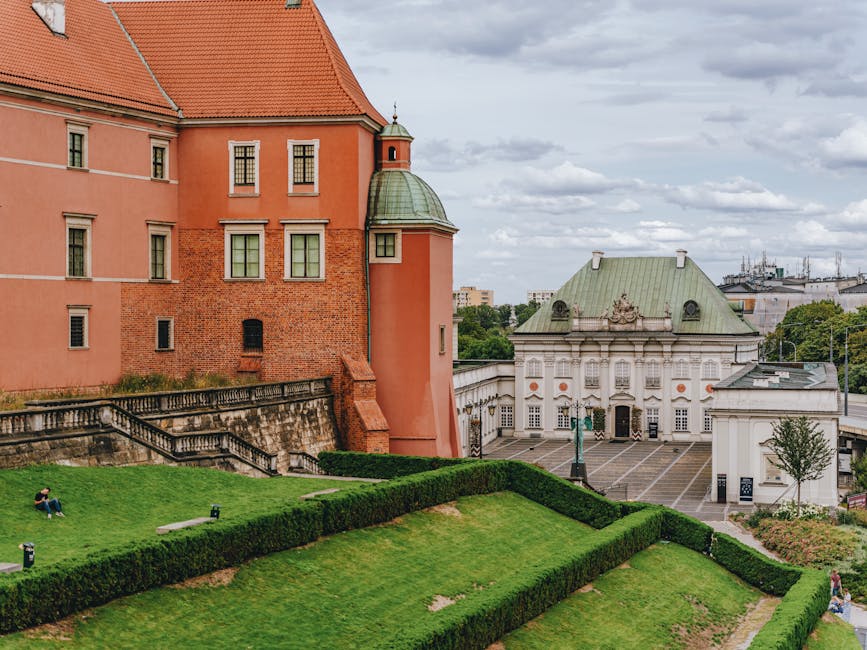 Moderate
Warsaw, Poland
Explore the resilient spirit of Warsaw's Muranów district on this self-guided walk through the history and landmarks of the former Jewish Ghetto.
 Moderate
Gothenburg, Sweden
Discover Gothenburg’s maritime soul on this self-guided walk from the historic Central Station to the scenic riverfront at Stenpiren.
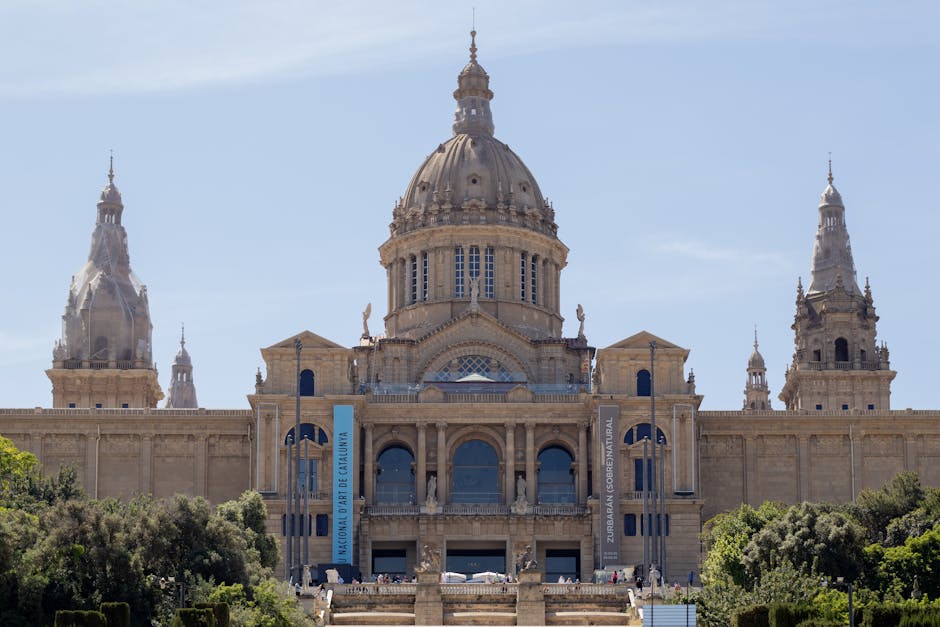 Moderate
Barcelona, Spain
Explore the elegant 'village' of Sarrià, where Gothic monasteries and Gaudí's hidden gems meet charming local markets and narrow streets.
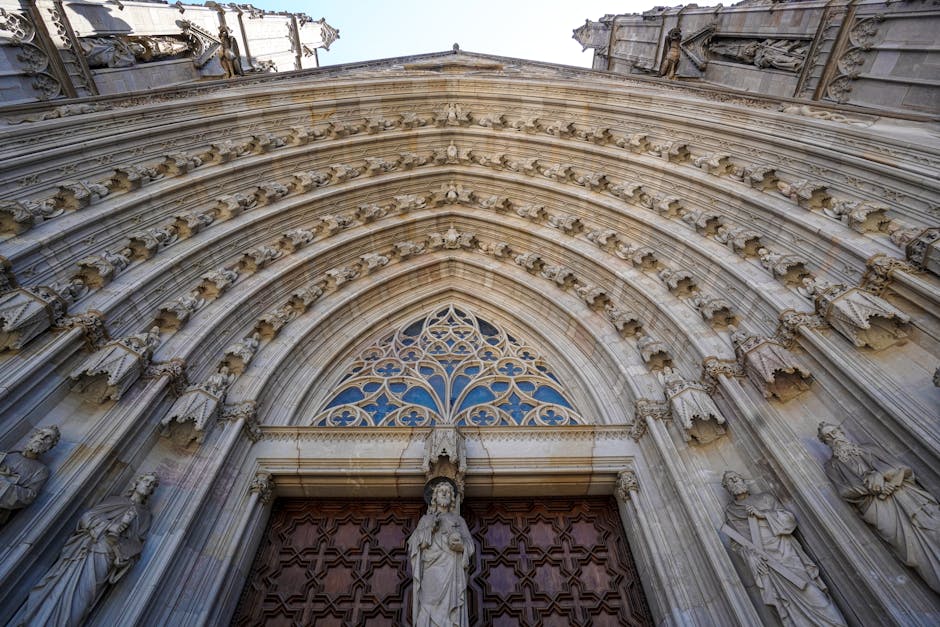 Moderate
Barcelona, Spain
Discover the revolutionary history and haunting scars of the Spanish Civil War on this self-guided walk through Barcelona's historic streets.
 Easy
EasyBarcelona, Spain
Discover the architectural wonders of Barcelona's Golden Square on this self-guided stroll through Eixample's most luxurious Modernista streets.
 Challenging
Barcelona, Spain
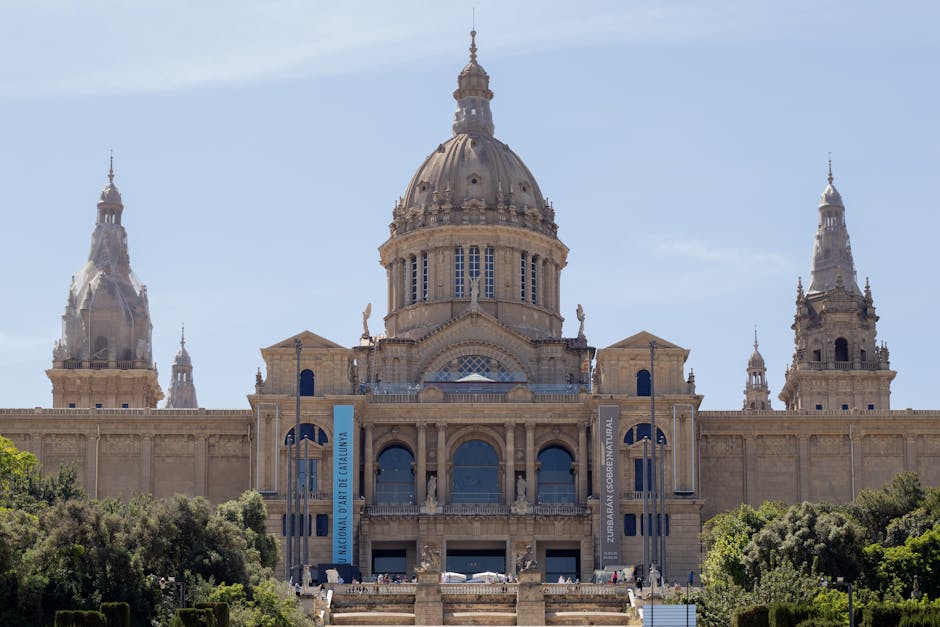
Explore Montjuïc’s lush gardens, historic fortress, and iconic Olympic venues on this scenic self-guided walk with panoramic Mediterranean views.