Self-guided audio tour in Seville
Start Free on iPhone
Start free on iPhone to unlock this self-guided walking tour in Seville. Hear all the stories that make it amazing, walk at your own pace, and begin whenever you want.
Your Private Tour Guide
Seville is often celebrated for its Gothic cathedrals and Moorish palaces, but there is a pulse of contemporary energy that transforms the city’s historic center into a playground for modern architecture and design. This self-guided walk invites you to explore the intersection of the ancient and the avant-garde. Your journey begins in the lively Plaza de la Alfalfa, a neighborhood hub that has served as a social center since Roman times, before moving toward one of the world’s most daring architectural statements: the Metropol Parasol, locally known as Las Setas. This massive wooden structure redefined Seville’s skyline and rejuvenated a district once dominated by a derelict parking lot. As you follow this walking route, you will discover how Seville balances its past with its present. You will descend into the earth to view remarkably preserved Roman mosaics at the Antiquarium and then rise to street level to browse the independent boutiques of Calle Regina, the city's unofficial headquarters for artisan makers and creative entrepreneurs. The walk concludes on the iconic Calle Sierpes, where traditional commerce meets modern retail in a snaking pedestrian thoroughfare that has been the heart of Seville’s shopping scene for centuries. This neighborhood stroll is perfect for those who want to see more than just the classic monuments. Whether you are interested in innovative urban planning, searching for the perfect locally-made souvenir, or simply want to experience the daily rhythm of Sevillanos, this route offers a comprehensive look at the city’s evolving identity. Explore at your own pace, stopping for a coffee in a hidden plaza or lingering over the panoramic views from the top of the 'Mushrooms.' This is Seville as it lives today: vibrant, creative, and endlessly surprising. **Note:** This area is known for its ever-changing character. Street art, pop-up venues, and temporary exhibitions may differ from what's described. That's part of the adventure - you might discover something entirely new!
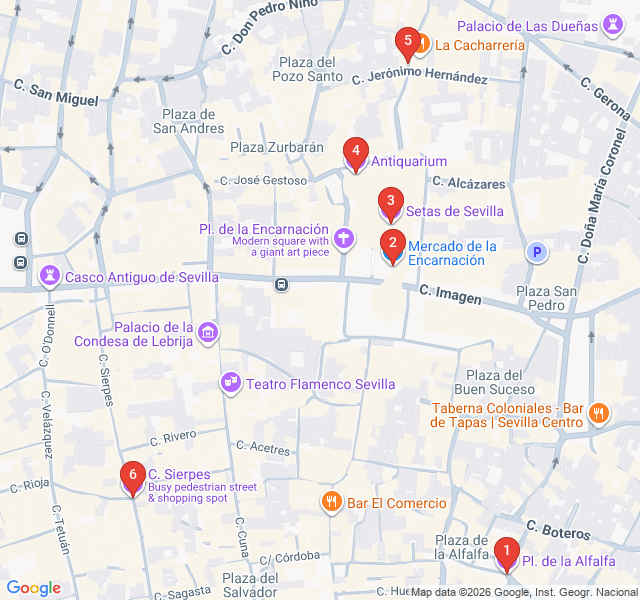
Numbers indicate the order of stops on the tour.
Start your self-guided adventure in Plaza de la Alfalfa, one of the most authentic social hubs in the city. While it today feels like a cozy neighborhood square filled with families and tapas bars, it occupies what was once the Roman Forum of Hispalis. For centuries, this was the highest point in the city, making it safe from the frequent floods of the Guadalquivir River. In the medieval period, it was a bustling silk market and animal exchange. Notice the mix of architecture surrounding the plaza—traditional Andalusian balconies sit alongside small, modern storefronts. It is the perfect place to observe the local 'slow life' before heading into the more modern commercial districts.
Step into the Mercado de la Encarnación, a space that represents the successful revitalization of a historic site. For decades, this area was a vacant lot after the original 19th-century market was demolished. Today, it is housed within the ground floor of the stunning Metropol Parasol structure. As you wander through the stalls, you will find a vibrant display of Andalusian produce, from mountains of fresh olives and locally caught seafood to artisanal cheeses. This market is a favorite among locals for its cleanliness and modern layout while maintaining the high quality of traditional Spanish market culture. It is an excellent spot to grab a light snack or simply soak in the culinary atmosphere.
Look up at the towering wooden lattice above you. Officially known as Metropol Parasol, but affectionately called 'Las Setas' (The Mushrooms) by locals, this structure is the largest wooden building in the world. Designed by German architect Jürgen Mayer, it was completed in 2011 after a long and controversial construction period. The design was inspired by the vaults of the Seville Cathedral and the nearby ficus trees. The structure provides much-needed shade for the plaza below, which often hosts community events and public art. If you have time, consider taking the elevator to the panoramic walkway on the roof for a 360-degree view of the city’s rooftops and church spires.
Beneath the modern wooden canopy lies a hidden world. During the initial construction of the Metropol Parasol, workers discovered extensive Roman and Visigothic ruins, which halted the project for years. Rather than removing them, the city built the Antiquarium, an archaeological museum that integrates these ruins into the modern landscape. Through the glass walls and elevated walkways, you can see remarkably preserved mosaics from Roman houses dating back to the 1st century AD. It is a striking contrast to see these ancient foundations sitting directly below the futuristic 'Mushrooms' above, reminding us that Seville is a city built layer upon layer through time.
Just a few steps away from the grandeur of the Setas is Calle Regina, the heart of Seville’s 'Soho.' This street and its surroundings have become a haven for independent designers, vintage clothing shops, and organic cafes. As you walk, notice the absence of major international chains; instead, you will find locally-owned businesses that pride themselves on craftsmanship and unique aesthetics. This area experienced a renaissance following the completion of the Metropol Parasol, turning a once-quiet residential street into one of the city's most fashionable corridors. It is the best place in the city center to find a truly unique gift or to see the creative side of modern Seville.
Conclude your walking route on Calle Sierpes, perhaps the most famous shopping street in Seville. Its name, meaning 'Street of the Snakes,' likely refers to its winding shape. For centuries, this has been the commercial heart of the city, once home to the Royal Prison where Miguel de Cervantes is said to have conceived the idea for Don Quixote. Today, it is a bustling pedestrian thoroughfare where traditional hat shops and fan makers sit side-by-side with modern global brands. In the summer, large canvas awnings are stretched across the tops of the buildings to provide shade, creating a unique outdoor shopping mall atmosphere that has existed for generations.
Start Free on iPhone
Explore “Metropol & Markets: Modern Seville” with your very own Private Tour Guide with Zigway. Start free on iPhone, skip the large group and the fixed routes, and hear the city come alive as you go.
Your Private Tour Guide
Don't miss the good stuff
Explore Freely
 Challenging
Seville, Spain
Explore the futuristic legacy of Expo 92 and the ancient secrets of a Carthusian monastery on this self-guided walk through Isla de la Cartuja.
 Moderate
Seville, Spain
Explore Seville's artistic soul in Macarena, featuring ancient walls, vibrant markets, and bohemian workshops on this independent audio walk.
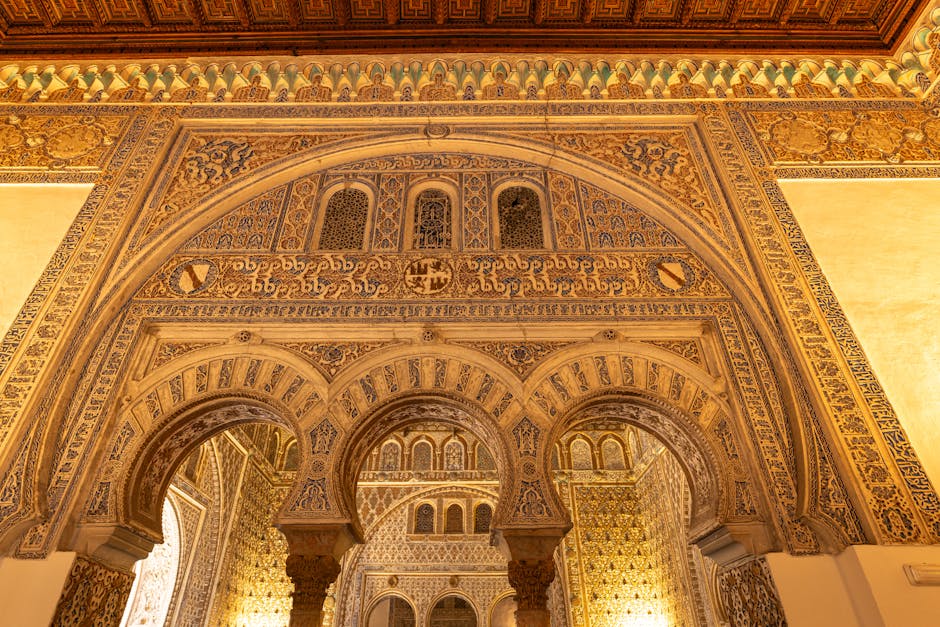 Easy
EasySeville, Spain
Discover the independent spirit of Triana on this self-guided walk through flamenco history, ceramic traditions, and riverside charm.
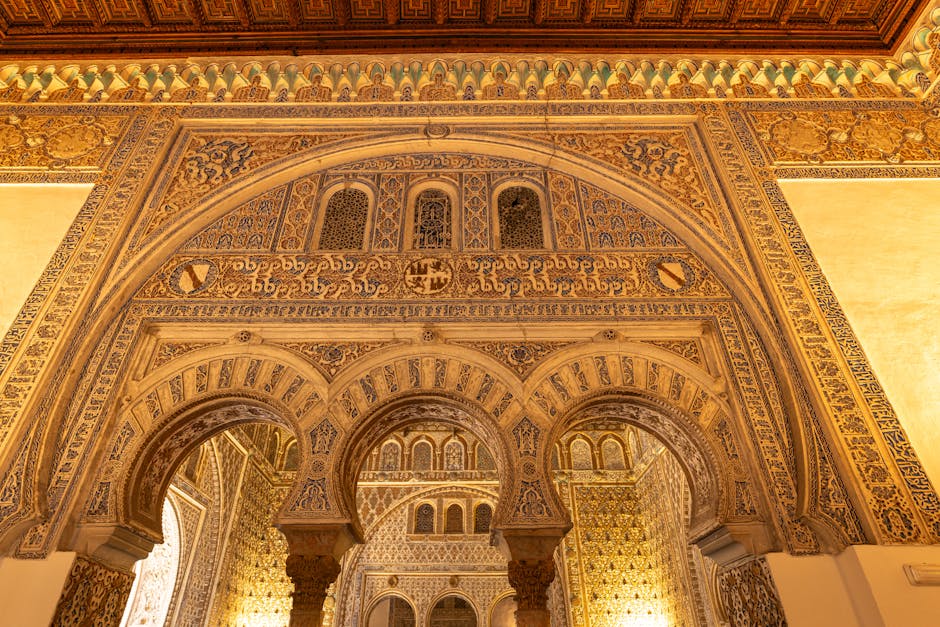 Easy
EasySeville, Spain
Discover Seville’s ancient Roman roots and Baroque splendor on this self-guided stroll through the vibrant Alfalfa neighborhood.
 Easy
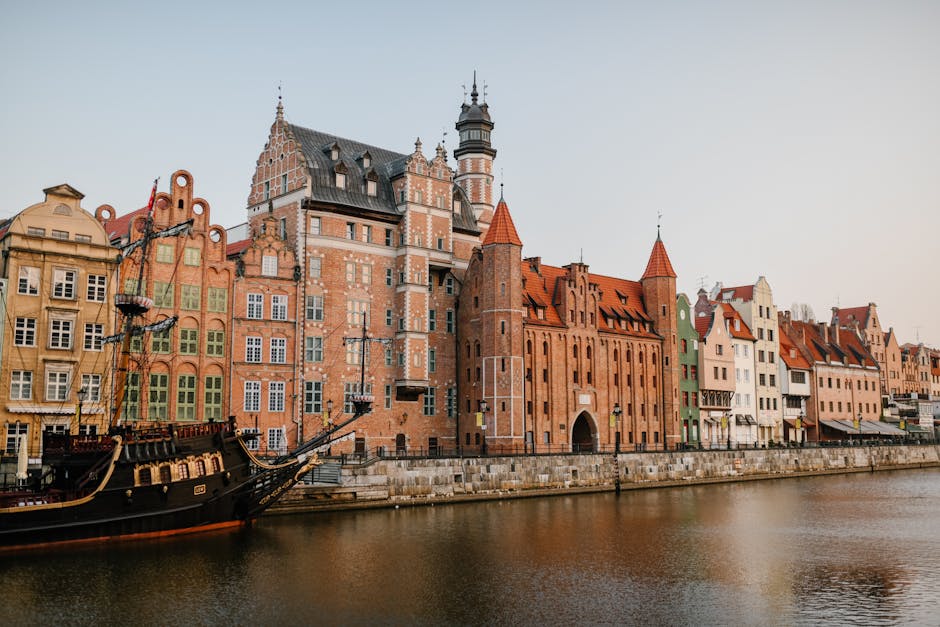
EasyGdansk, Poland
Discover the 'Baltic Gold' on this self-guided walk through Gdansk's historic mills, massive cathedrals, and the magical Mariacka Street.
 Easy
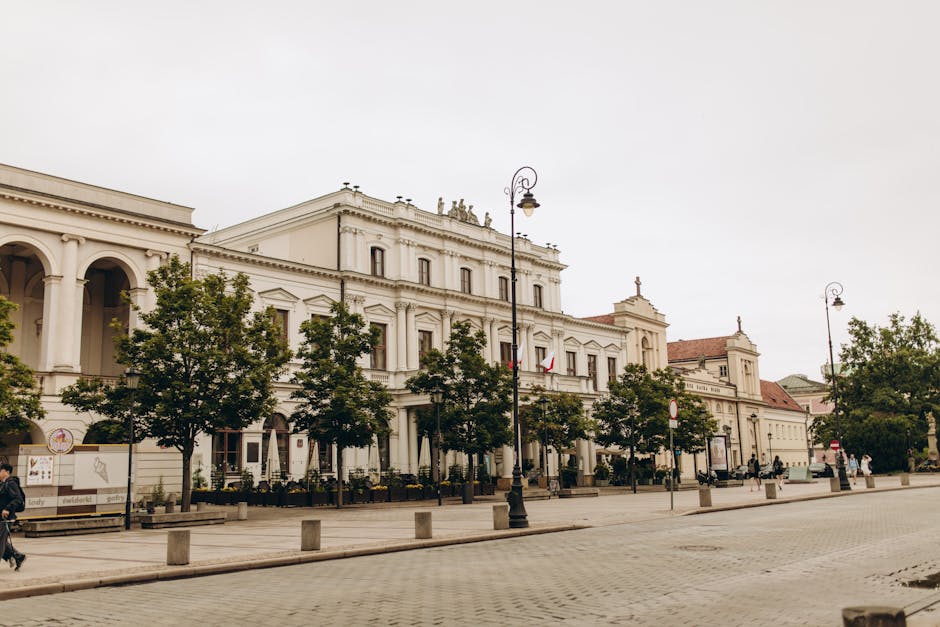
EasyWarsaw, Poland
Explore Warsaw's scenic riverfront, rooftop gardens, and industrial-chic architecture on this self-guided stroll through the Powiśle district.
 Easy
EasyGothenburg, Sweden
Explore Gothenburg's elegant academic district, featuring grand 19th-century stone architecture and the iconic cultural hub of Götaplatsen.
 Easy
EasyGothenburg, Sweden
Explore Gothenburg's maritime soul on this self-guided walk from historic shipyards to sleek modern piers and iconic industrial landmarks.
 Moderate
Barcelona, Spain
Explore the elegant 'village' of Sarrià, where Gothic monasteries and Gaudí's hidden gems meet charming local markets and narrow streets.
 Moderate
Barcelona, Spain
Discover the revolutionary history and haunting scars of the Spanish Civil War on this self-guided walk through Barcelona's historic streets.
 Easy
EasyBarcelona, Spain
Discover the architectural wonders of Barcelona's Golden Square on this self-guided stroll through Eixample's most luxurious Modernista streets.
 Challenging
Barcelona, Spain
Explore Montjuïc’s lush gardens, historic fortress, and iconic Olympic venues on this scenic self-guided walk with panoramic Mediterranean views.