Self-guided audio tour in Valencia
Start Free on iPhone
Start free on iPhone to unlock this self-guided walking tour in Valencia. Hear all the stories that make it amazing, walk at your own pace, and begin whenever you want.
Your Private Tour Guide
Embark on a self-guided walk through the soul of Valencia, where centuries-old traditions meet cutting-edge modern design. This route invites you to explore the 'Ciutat Vella' and beyond, tracing the evolution of Valencian craftsmanship from the medieval guilds to the sleek architecture of the Mediterranean coast. As you navigate the winding streets of the historic center, you will encounter the intricate artistry of hand-painted fans, the delicate patterns of local lace, and the bold strokes of world-class frescoes that have earned the city its reputation as a creative powerhouse. This walking route Valencia offers a unique perspective on the city's heritage, moving from the defensive stone majesty of the Quart Towers to the intimate circular commerce of Plaza Redonda. You will discover iconic landmarks like the Church of San Nicolás, often called the Sistine Chapel of Valencia for its breathtaking ceiling paintings, and historic shops like Sombrerería Albero, which has been crowning the heads of locals for generations. The journey highlights the city's ability to preserve its past while embracing the future, showcasing how traditional materials like iron, brick, and ceramic have been reimagined in the Modernist masterpiece of Mercado de Colón. Beyond the old city walls, the path extends toward the sea, passing through the academic hubs of the University of Valencia and the legendary Mestalla Stadium. This self-guided adventure concludes at the stunning Veles e Vents building in the marina, a testament to the modern 'craft' of contemporary architecture. Whether you are a lover of fine arts, a shopping enthusiast seeking authentic local goods, or an architecture buff, this neighborhood stroll provides an immersive experience of the city's creative identity. While the initial stops are concentrated in the historic center, the later sections allow you to experience the vibrant, open spaces of modern Valencia. For the longer stretches toward the port, you may choose to enjoy the Mediterranean breeze on a bike or use the efficient local transit to bridge the gaps between these heritage milestones. **Note:** This area is known for its ever-changing character. Street art, pop-up venues, and temporary exhibitions may differ from what's described. That's part of the adventure - you might discover something entirely new!
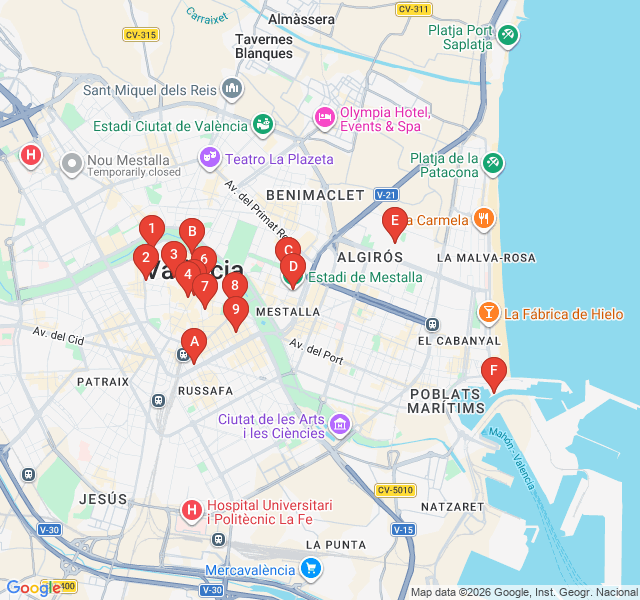
Numbers indicate the order of stops on the tour.
Start your self-guided adventure at IVAM, Spain's first museum of modern art. Located on the edge of the historic Carmen neighborhood, this building itself is a bridge between the old city walls and contemporary creativity. The museum houses a massive collection of works by Julio González and Ignacio Pinazo, but even a stroll past its facade reveals the city's commitment to the 'craft' of modernism. Notice how the building incorporates part of the medieval city wall inside. It’s a perfect starting point to reflect on how Valencia balances its deep history with a forward-looking artistic spirit.
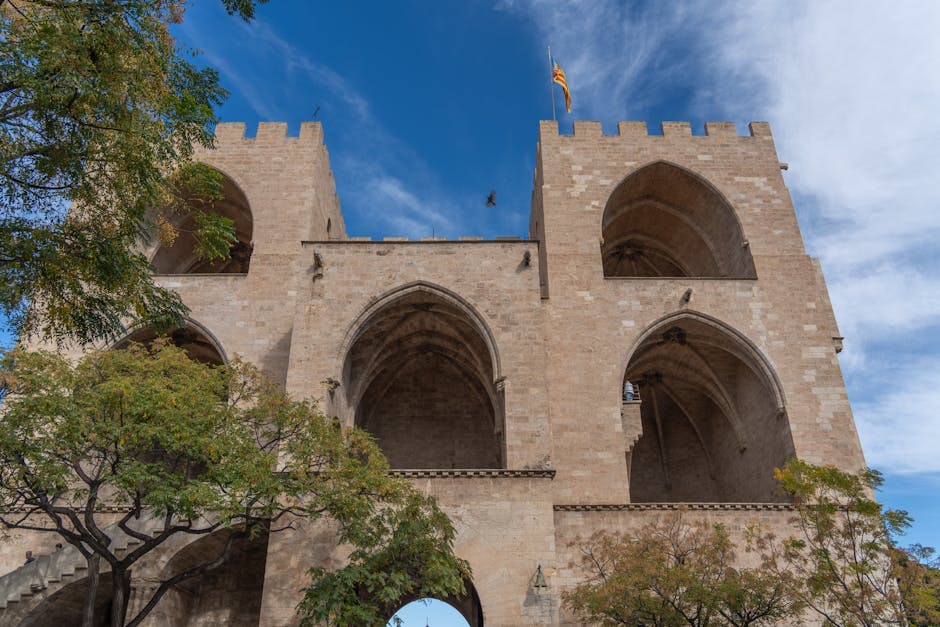
Standing before the Torres de Quart, you are looking at the 15th-century gateway to the city. These towers are a masterclass in late Gothic military architecture. If you look closely at the thick stone walls, you can still see the scars left by cannonballs during the Napoleonic siege in 1808. The 'craft' here is one of defense and masonry; the towers were designed to be virtually indestructible. They have served as everything from a defensive gate to a women's prison, standing as silent sentinels watching over the city’s western entrance for over half a millennium.
Prepare to be amazed as you enter San Nicolás. Often called the 'Sistine Chapel of Valencia,' this church hides a spectacular secret behind its modest Gothic exterior. Inside, nearly 2,000 square meters of Baroque frescoes cover every inch of the vaulted ceilings and walls. These paintings, restored to their full glory in recent years, depict the lives of Saint Nicholas and Saint Peter Martyr. This is perhaps the ultimate example of Valencian artistic heritage, where the craft of fresco painting reaches a level of detail and color that rivals the greatest chapels of Italy.
This unique circular square is a hidden gem of Valencian commerce. Built in the 19th century, Plaza Redonda was traditionally the heart of the city's haberdashery and lace trade. Even today, you can find small stalls selling intricate 'encaje' (lace), embroidery, and traditional ceramics. The design of the square, with its four narrow entrances, creates a quiet, intimate atmosphere perfect for browsing. It represents the historic craft of the market—a place where local artisans have gathered for centuries to sell the small, beautiful necessities of daily life.
Step back in time at Sombrerería Albero. This historic hat shop has been a fixture of Valencia since 1820. The wooden display cases and vintage atmosphere tell a story of a time when no one left the house without a headpiece. From traditional Spanish 'cordobés' hats to elegant panamas and modern berets, the shop maintains the craft of millinery. It is one of the few places where you can still feel the personal touch of a historic family business that has survived the rise of fast fashion by focusing on quality and tradition.
Simple is a shop that lives up to its name, but with a deep respect for heritage. This curated space focuses on 'objects from the past for the present.' Here, you won't find mass-produced souvenirs, but rather traditional Spanish household items—from wicker baskets and ceramic jugs to classic toys and soaps. It represents a modern movement in Valencia to celebrate the 'honest craft' of everyday life. It’s a great spot to see how younger generations are reclaiming traditional manufacturing techniques to create timeless, sustainable goods.
This elegant square is home to the Royal Seminary College of Corpus Christi. The architecture here is a transition into the Renaissance style, characterized by symmetry and classical proportions. The plaza is often filled with students from the nearby university buildings, blending the city's academic heritage with its historic stones. Look for the 'drac' (stuffed crocodile) in the entrance of the college museum—a legendary gift that has sparked local myths for centuries. The 'craft' here is found in the meticulous stone carvings and the peaceful, scholarly atmosphere of the surrounding cloisters.
The Puerta del Mar is a monumental arch that serves as a reminder of the city's former maritime gateway. Although it is a 20th-century reconstruction of an earlier gate, it stands as a symbolic entrance to the 'new' Valencia that grew as the old walls were demolished. It sits at a busy intersection, marking the boundary between the historic core and the expansive gardens of the Turia Riverbed. Its neoclassical design reflects the city's desire to project an image of grandeur and connection to the Mediterranean trade routes that fueled its wealth.
This is one of the most beautiful examples of Valencian Art Nouveau. Completed in 1916, the Mercado de Colón was originally a traditional food market but has since been transformed into a sophisticated space for cafes, flower shops, and gourmet crafts. Pay close attention to the facade, which is decorated with colorful ceramics depicting scenes of the Valencian countryside. The use of wrought iron, exposed brick, and vibrant tiles showcases the peak of industrial craft in the early 20th century, creating a space that is both functional and breathtakingly ornamental.
The fan is an iconic symbol of Spanish culture, and Abanicos Carbonell is its sanctuary. This family-run business has been hand-crafting fans for over 150 years. Each piece is a work of art, featuring hand-painted silks, intricately carved wood, and delicate lace. In an age of plastic and mass production, Carbonell keeps the 'slow craft' alive. A fan here is not just an accessory; it is a tool for communication and a masterpiece of portable art. The skill required to balance the tension of the ribs and the flow of the fabric is a legacy passed down through five generations.
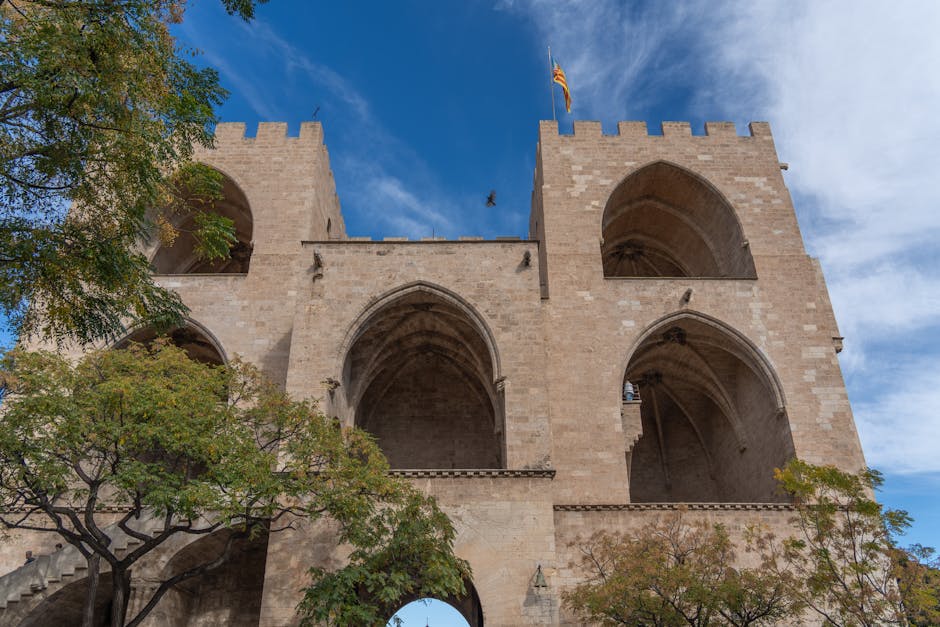
Returning to the old city's northern edge, you find the Serranos Towers. Built at the end of the 14th century, these are considered the largest Gothic city gateway in Europe. They were designed not just for defense, but to impress visitors and royalty entering the city. During the Spanish Civil War, they even served as a secret storage facility for the masterpieces of the Prado Museum to protect them from bombing. Their grand scale and intricate stonework represent the 'craft' of power and prestige during Valencia's Golden Age.
As we move toward the university district, we see the 'craft' of language and education. This faculty is part of the University of Valencia, one of the oldest in Spain. The buildings in this area represent the city's intellectual expansion in the 20th century. While the facade may seem modern compared to the cathedrals we've seen, this is the heart of Valencia's vibrant student life, where the next generation of writers, translators, and thinkers hone their skills. It marks the transition from the physical crafts of the old town to the academic and cultural output of the modern city.
For many, the ultimate Valencian craft is football. Mestalla is the oldest stadium in Spain's top flight and the home of Valencia CF. With its steep, intimidating stands, it is a cathedral of sport. The stadium has witnessed a century of history, emotion, and community. Even if you aren't a sports fan, the building is a landmark of local identity. It represents the collective craft of building a community around a shared passion, standing as a massive monument to the city's modern culture and its resilient spirit through decades of change.
The Polytechnic University (UPV) represents the craft of the future: engineering, innovation, and design. This sprawling campus is a hub of technological creativity, where traditional Valencian ingenuity is applied to modern challenges. From robotics to sustainable architecture, the work done here ensures that the city remains a leader in the global creative economy. The campus itself is like a small city, featuring outdoor sculptures and modern structures that contrast sharply with the medieval towers we started with, showing how far the city's 'making' culture has evolved.
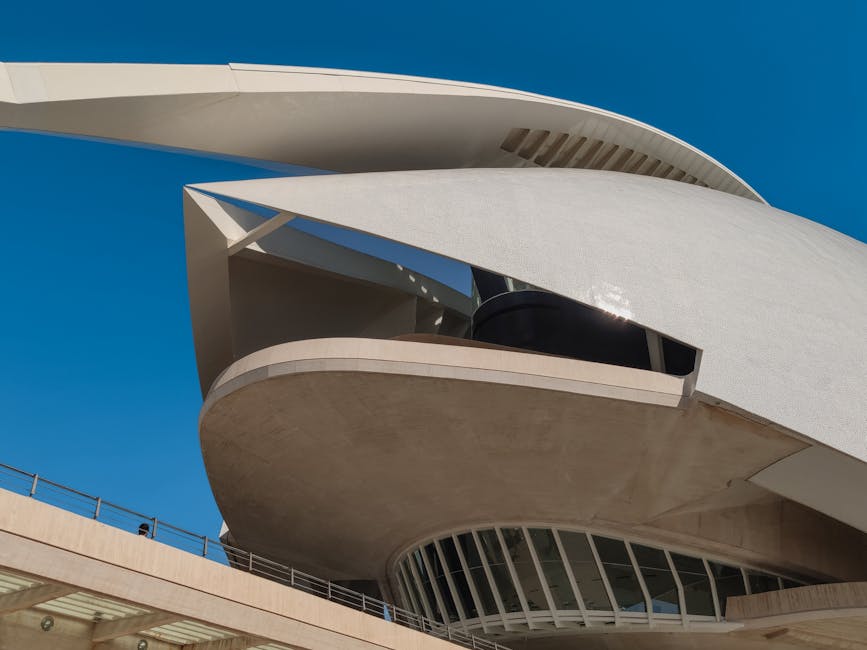
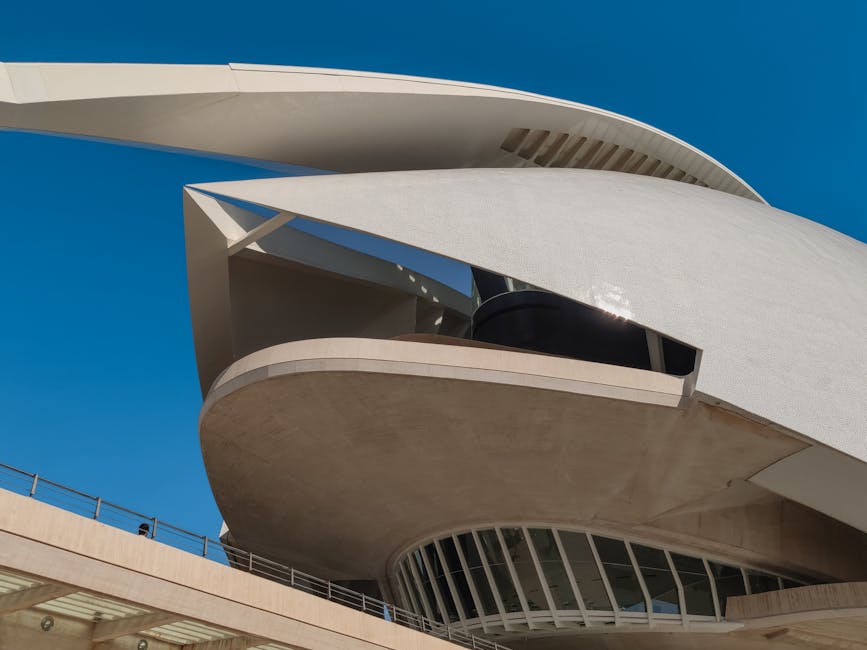
Our self-guided walk concludes at the edge of the Mediterranean. Veles e Vents is a stunning piece of modern architecture designed by David Chipperfield for the America's Cup. Its name comes from a 15th-century poem by the Valencian writer Ausiàs March. The building's stacked, horizontal platforms seem to float above the water, offering a new 'craft' of maritime design. It serves as a social hub and a viewpoint, bridging the gap between the city and the sea. Here, the journey from medieval guilds to modern engineering is complete, leaving you with a panoramic view of Valencia's horizon.
Start Free on iPhone
Explore “Artisan Hands and Heritage Crafts” with your very own Private Tour Guide with Zigway. Start free on iPhone, skip the large group and the fixed routes, and hear the city come alive as you go.
Your Private Tour Guide
Don't miss the good stuff
Explore Freely
 Easy
EasyValencia, Spain
Discover Valencia's 'Sistine Chapel' and ornate Baroque palaces on this self-guided walk through the historic Ciutat Vella.
 Easy
EasyValencia, Spain
Explore Valencia's Roman roots and Gothic masterpieces on this self-guided audio walk through the historic Ciutat Vella district.
 Easy
EasyValencia, Spain
Explore Valencia’s oldest quarter where ancient medieval gates meet world-class street art on this self-guided neighborhood stroll.
 Moderate
Valencia, Spain
Discover Valencia's medieval heritage on a self-guided walk through ancient gates, historic monuments, and the scars of Napoleonic battles.
 Easy
EasyInnsbruck, Austria
Discover the flavors of Tyrol on this self-guided stroll through Innsbruck’s historic Old Town and vibrant market hall.
 Easy
EasySalzburg, Austria
Discover the 'Rome of the North' on this self-guided walk through the Baroque squares and monumental legacy of Salzburg’s Prince-Archbishops.
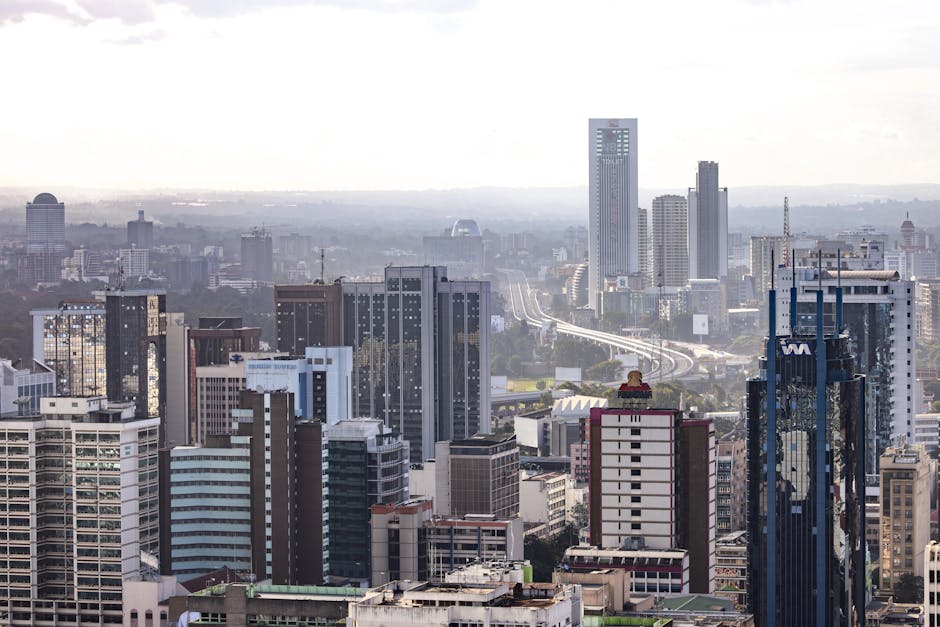 Easy
EasyNairobi, Kenya
Explore Nairobi's architectural evolution from colonial-era landmarks to iconic Brutalist skyscrapers on this historic self-guided walking route.
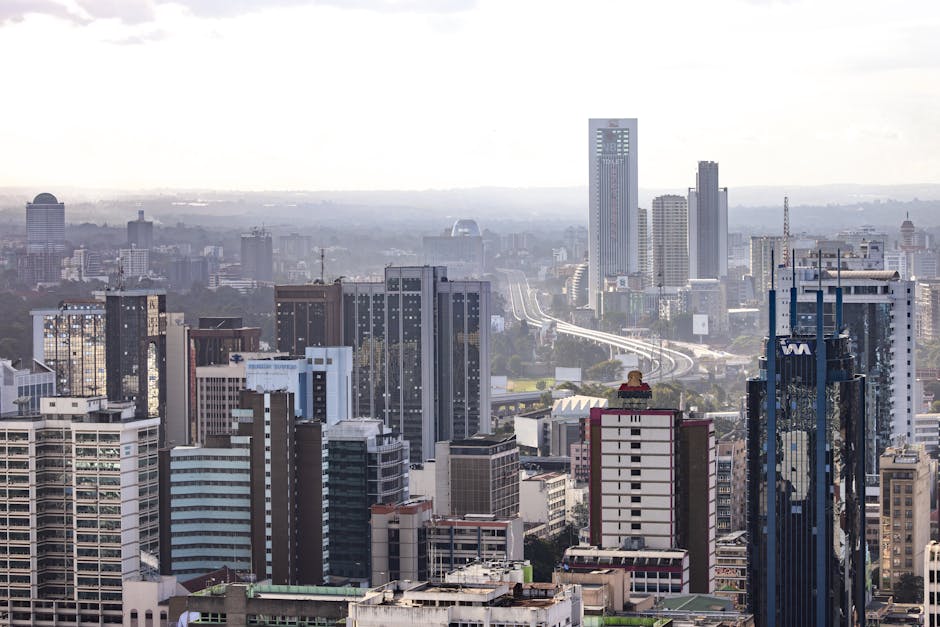 Easy
EasyNairobi, Kenya
Discover Nairobi's iconic skyline on this self-guided architecture walk through the CBD’s most famous modernist and Brutalist landmarks.
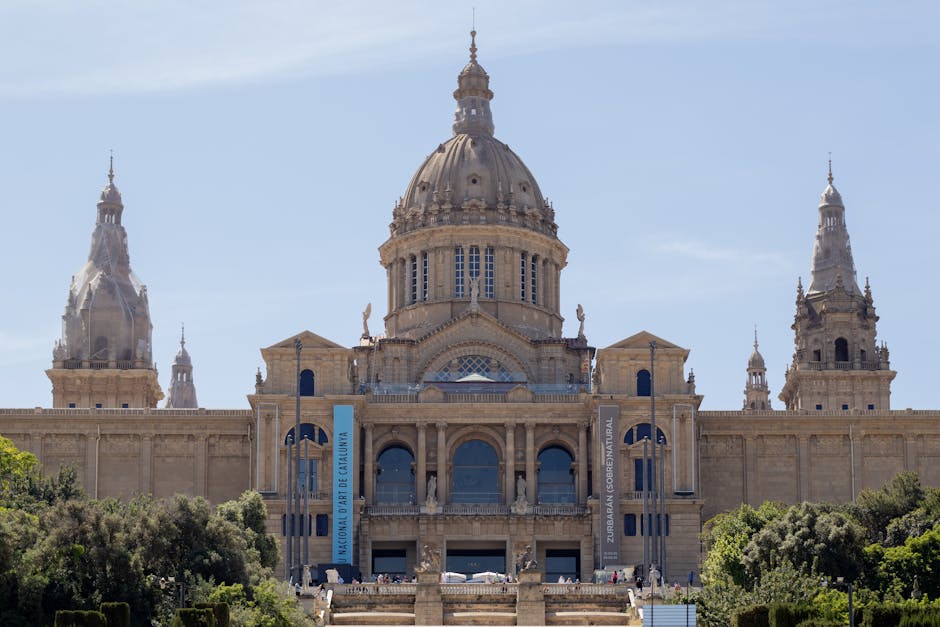 Moderate
Barcelona, Spain
Explore the elegant 'village' of Sarrià, where Gothic monasteries and Gaudí's hidden gems meet charming local markets and narrow streets.
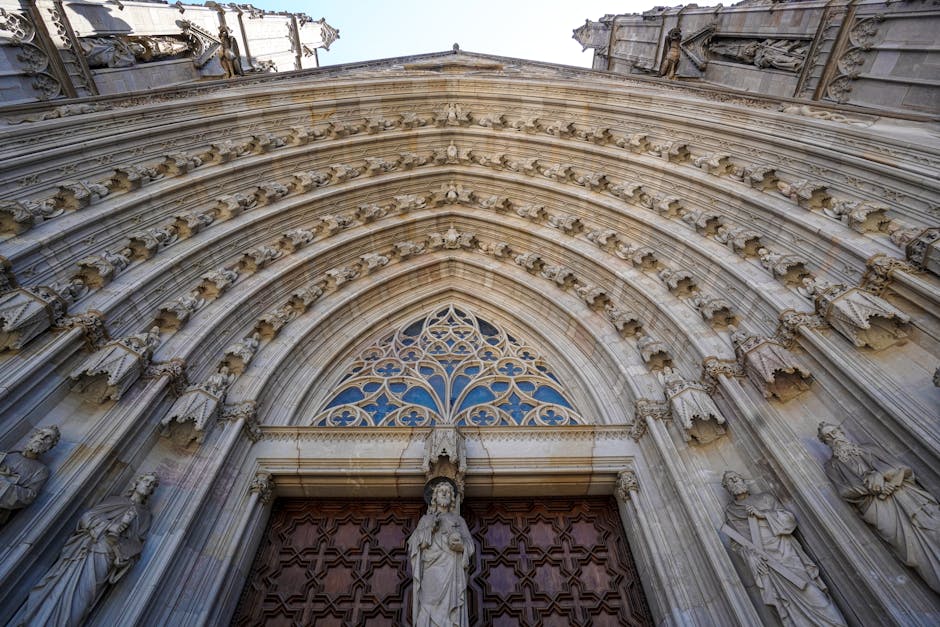 Moderate
Barcelona, Spain
Discover the revolutionary history and haunting scars of the Spanish Civil War on this self-guided walk through Barcelona's historic streets.
 Easy
EasyBarcelona, Spain
Discover the architectural wonders of Barcelona's Golden Square on this self-guided stroll through Eixample's most luxurious Modernista streets.
 Challenging
Barcelona, Spain
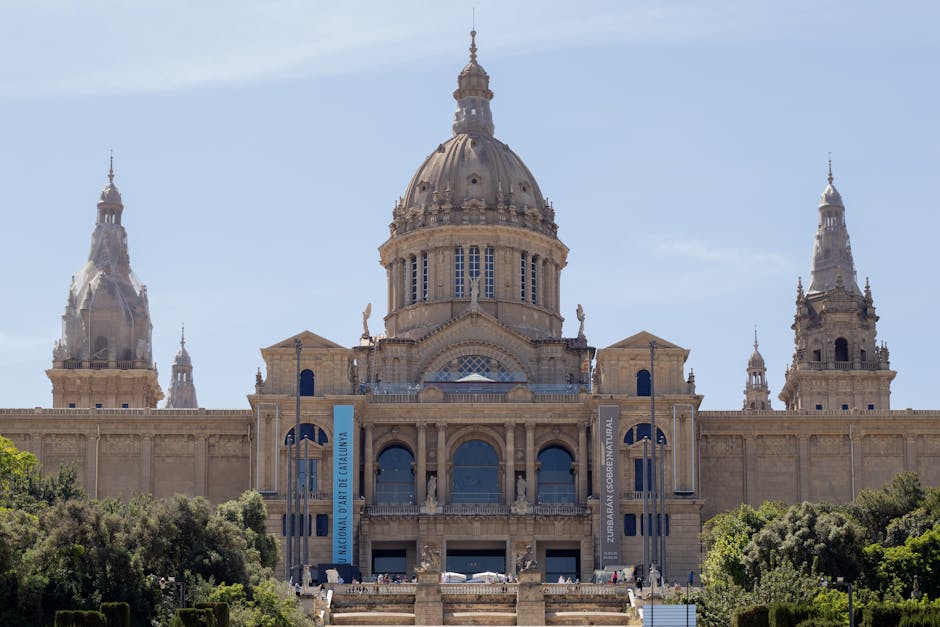
Explore Montjuïc’s lush gardens, historic fortress, and iconic Olympic venues on this scenic self-guided walk with panoramic Mediterranean views.