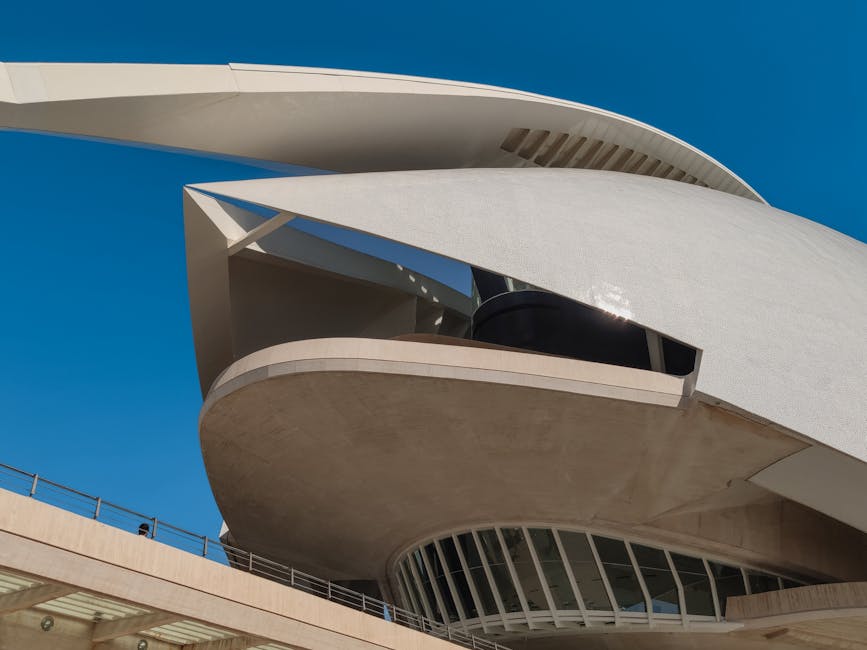
Self-guided audio tour in Valencia
Start Free on iPhone
Start free on iPhone to unlock this self-guided walking tour in Valencia. Hear all the stories that make it amazing, walk at your own pace, and begin whenever you want.
Your Private Tour Guide
Embark on a self-guided walk through the spiritual and artistic heart of Valencia, a city where Gothic foundations are draped in the golden excess of the Baroque era. This walking route invites you to explore the Ciutat Vella, the historic center, where every narrow alleyway seems to lead toward a hidden chapel or a grand monumental facade. On this neighborhood stroll, you will witness the dramatic transition from the austere medieval past to the theatrical splendor of the 17th and 18th centuries. The centerpiece of this experience is the discovery of what many call the 'Sistine Chapel of Valencia,' a church whose ceiling is a riot of color and biblical drama. Beginning in the university quarter, the route highlights the intellectual and religious fervor of the Renaissance before diving into the high-contrast world of Spanish Baroque. You will encounter the Palace of the Marqués de Dos Aguas, home to perhaps the most photographed doorway in Spain—a swirling masterpiece of alabaster that defines the Rococo style in the city. Beyond the grand palaces, this walking tour Valencia explores the quiet courtyards of the Knights Hospitaller and the sacred spaces of the city's oldest parishes. This is more than just a list of monuments; it is a journey through the evolution of Valencian identity. You will see how local artisans blended Mediterranean light with religious devotion to create unique architectural treasures. Whether you are an art historian or a curious traveler, this self-guided adventure provides the flexibility to linger under frescoed vaults or pause for a coffee in a sun-drenched plaza. By choosing this walking route, you are stepping away from the crowds and into the silent, golden-hued interiors that hold the city's most precious secrets. From the echoes of the Reconquista at San Juan del Hospital to the visual symphony of San Nicolás, this walk captures the essence of Valencia's golden age.
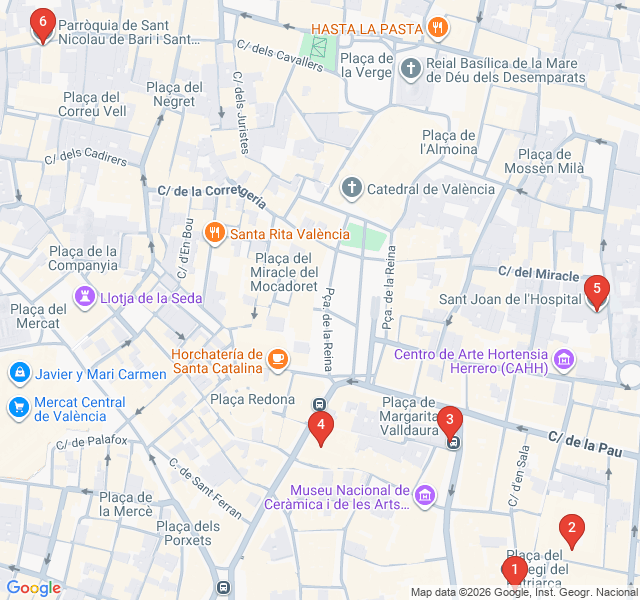
Numbers indicate the order of stops on the tour.
Welcome to the starting point of your self-guided walk. This square is dominated by the Colegio del Patriarca, a monument to the Renaissance spirit. Founded by Archbishop Juan de Ribera in the late 16th century, it served as a seminary to train priests during the Counter-Reformation. Notice the austere, fortress-like exterior, which was intended to project strength and stability during a time of religious upheaval. The square itself is a peaceful hub near the university, often filled with students. Before moving on, take a moment to look at the statue in the center and the classical lines of the surrounding buildings, which set the stage for the transition into the more ornate styles we will see next.
Step inside the courtyard of the Patriarca to see one of the finest examples of Renaissance architecture in Spain. The cloister, with its double gallery of marble columns, is a masterclass in symmetry and proportion. Inside the museum, you will find a collection that reflects the immense power and wealth of the church in Valencia, including works by El Greco and early Flemish masters. A local legend involves a stuffed crocodile, known as the 'Dragon of the Patriarca,' which hangs near the entrance of the chapel. It was sent from Peru in the 1600s and has since become a quirky symbol of the city's historical connection to the New World.
Prepare to be dazzled by the Palace of the Marqués de Dos Aguas. This is the pinnacle of Valencian Rococo. The building was originally a Gothic palace, but in the 1740s, the Marquis commissioned a total redesign. The most striking feature is the portal, carved from alabaster by Ignacio Vergara. Two giants represent the 'Two Waters' (the Júcar and Turia rivers), pouring water from amphorae. The intricate carvings of fruit, flowers, and vines create a sense of movement and abundance. Today, it houses the National Ceramics Museum, celebrating Valencia's long history as a center for tile-making. Even if you don't go inside, the exterior is a feast for the eyes.
As you continue your walking route, you will find the Church of San Martín. This site has been a place of worship since the 14th century, though much of what you see now reflects a 17th-century Baroque renovation. Look up at the main portal to see a magnificent bronze equestrian statue of Saint Martin of Tours. He is depicted in the famous act of cutting his cloak in half to share it with a beggar. This statue is a rare example of early 15th-century bronze casting in Spain. Inside, the church reveals a lavish interior where the original Gothic arches are covered with ornate Baroque plasterwork and gilding, a common practice in Valencia known as 'encasquetado.'
Tucked away in a quiet corner is San Juan del Hospital, the oldest church in Valencia founded after the Reconquista in 1238. It was established by the Knights of the Order of Saint John of Jerusalem (the Knights Hospitaller). Unlike the grand Baroque churches, this site retains a more medieval, austere atmosphere. The complex includes a rare medieval cemetery and a small chapel dedicated to Saint Barbara. As you walk through the courtyard, you are walking through layers of history—from Roman ruins beneath the floor to the Romanesque and Gothic elements of the walls. It is a peaceful sanctuary that feels worlds away from the bustling city streets.
We conclude our self-guided adventure at the Church of San Nicolás, often called the 'Sistine Chapel of Valencia.' From the outside, it appears to be a modest Gothic structure, but stepping inside is a transformative experience. Every inch of the 2,000 square meters of ceiling and walls is covered in vibrant Baroque frescoes designed by Antonio Palomino and executed by Dionís Vidal in the late 17th century. The paintings depict the lives of Saint Nicholas and Saint Peter Martyr. The restoration completed in 2016 returned these colors to their original brilliance, making it one of the most spectacular visual experiences in Europe. It is the perfect finale to your exploration of Valencian splendor.
Start Free on iPhone
Explore “Baroque Splendor and Hidden Chapels” with your very own Private Tour Guide with Zigway. Start free on iPhone, skip the large group and the fixed routes, and hear the city come alive as you go.
Your Private Tour Guide
Don't miss the good stuff
Explore Freely
 Easy
EasyValencia, Spain
Explore Valencia's Roman roots and Gothic masterpieces on this self-guided audio walk through the historic Ciutat Vella district.
 Easy
EasyValencia, Spain
Explore Valencia’s oldest quarter where ancient medieval gates meet world-class street art on this self-guided neighborhood stroll.
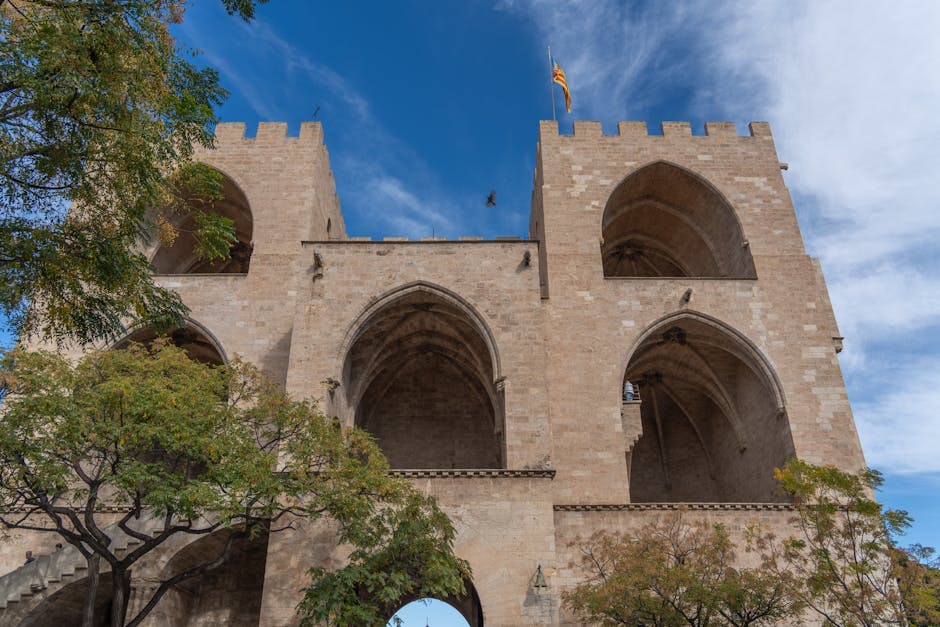 Moderate
Valencia, Spain
Discover Valencia's medieval heritage on a self-guided walk through ancient gates, historic monuments, and the scars of Napoleonic battles.
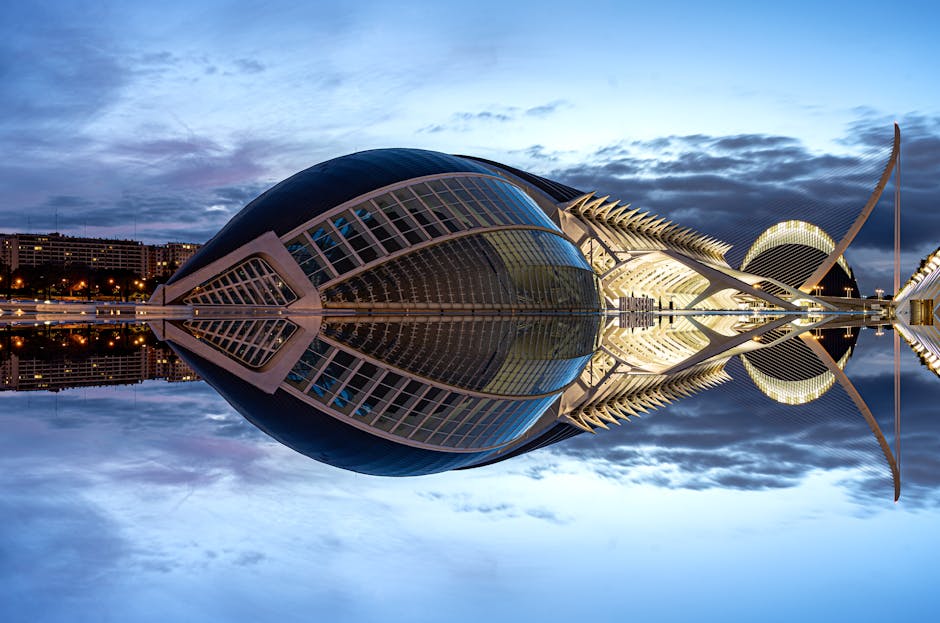 Easy
EasyValencia, Spain
Explore Ruzafa, Valencia's bohemian heart. Discover vibrant markets, street art, and eclectic cafes at your own pace on this self-guided stroll.
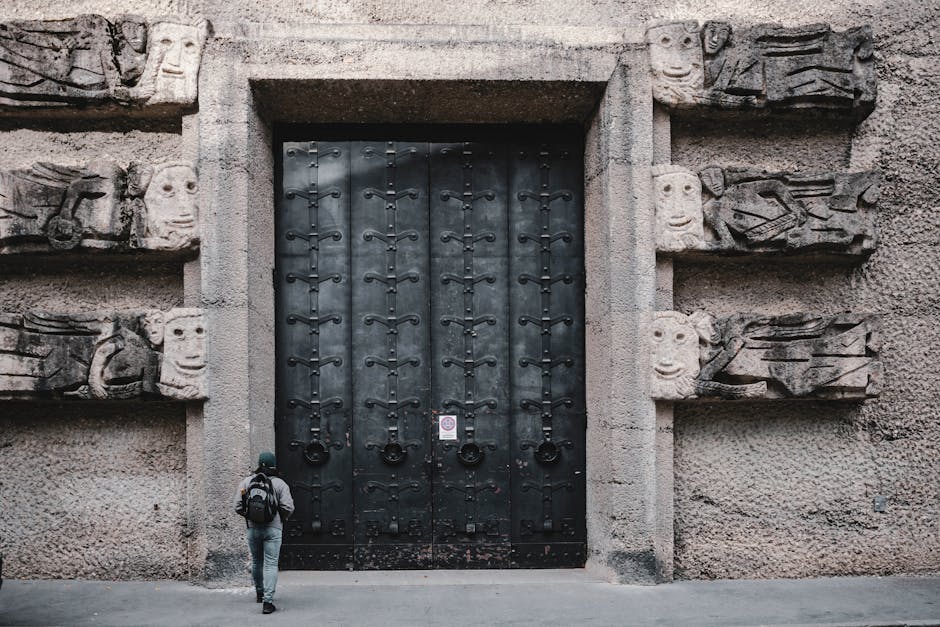 Easy
EasySalzburg, Austria
Discover the 'Rome of the North' on this self-guided walk through the Baroque squares and monumental legacy of Salzburg’s Prince-Archbishops.
 Easy
EasyNairobi, Kenya
Explore Nairobi's architectural evolution from colonial-era landmarks to iconic Brutalist skyscrapers on this historic self-guided walking route.
 Easy
EasyNairobi, Kenya
Discover Nairobi's iconic skyline on this self-guided architecture walk through the CBD’s most famous modernist and Brutalist landmarks.
 Easy
EasyKrakow, Poland
Explore the historic heart of Kazimierz on this self-guided walk through synagogues, ancient cemeteries, and vibrant squares.
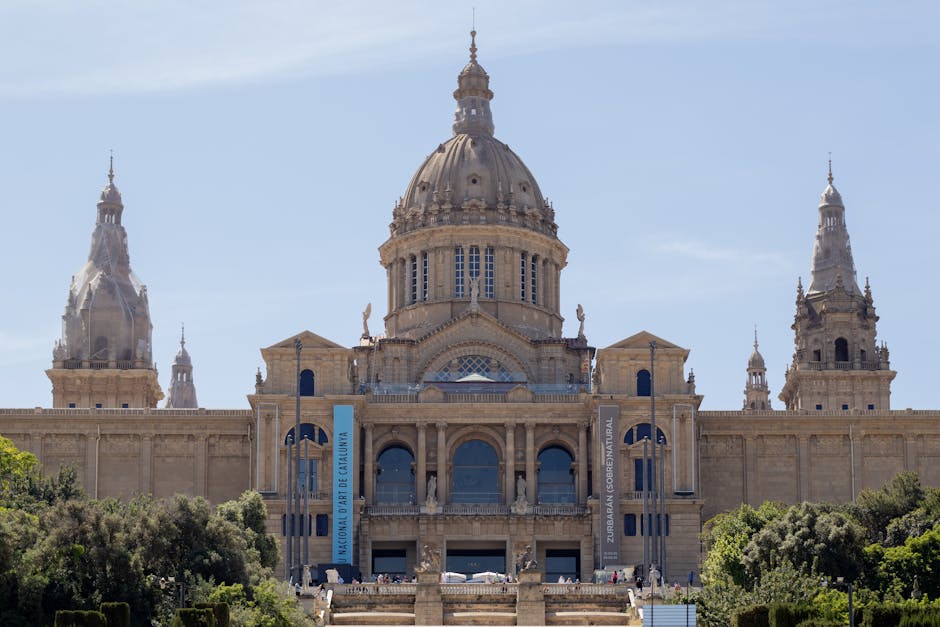 Moderate
Barcelona, Spain
Explore the elegant 'village' of Sarrià, where Gothic monasteries and Gaudí's hidden gems meet charming local markets and narrow streets.
 Moderate
Barcelona, Spain
Discover the revolutionary history and haunting scars of the Spanish Civil War on this self-guided walk through Barcelona's historic streets.
 Easy
EasyBarcelona, Spain
Discover the architectural wonders of Barcelona's Golden Square on this self-guided stroll through Eixample's most luxurious Modernista streets.
 Challenging
Barcelona, Spain
Explore Montjuïc’s lush gardens, historic fortress, and iconic Olympic venues on this scenic self-guided walk with panoramic Mediterranean views.