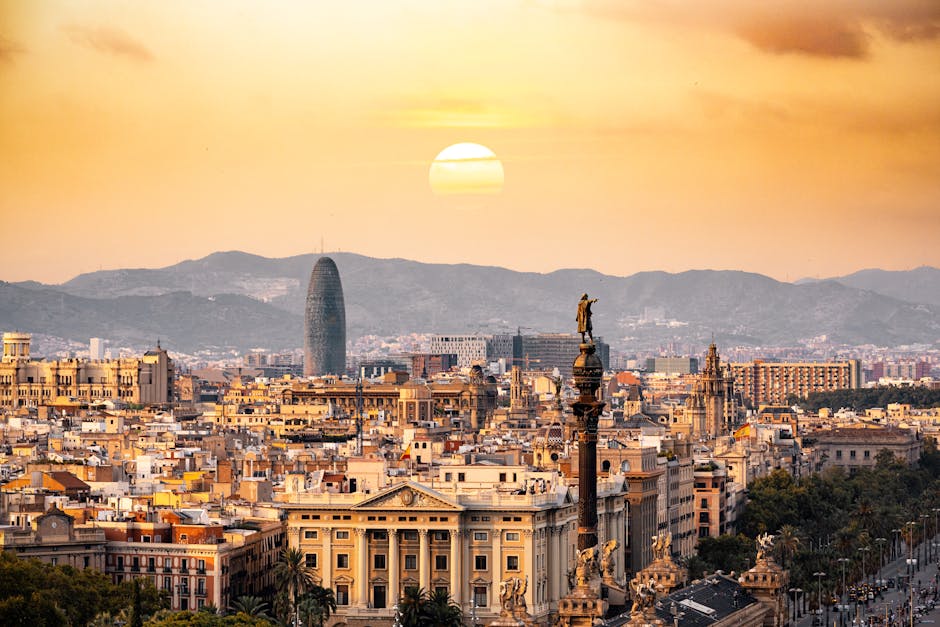
Self-guided audio tour in Barcelona
Start Free on iPhone
Start free on iPhone to unlock this self-guided walking tour in Barcelona. Hear all the stories that make it amazing, walk at your own pace, and begin whenever you want.
Your Private Tour Guide
Barcelona is a city defined by its architectural daring, and while the Sagrada Família often steals the spotlight, the Sant Pau Recinte Modernista stands as the world’s largest and most significant Art Nouveau complex. This walking route invites you to explore the evolution of Barcelona’s urban fabric, from the medieval heart of the city to the sprawling, sun-drenched pavilions of El Guinardó. By following this self-guided walk, you will witness the transition from the heavy stone of Catalan Gothic to the explosion of color, tile, and light that defined the Modernisme movement. This isn't just a look at buildings; it is a journey through the social history of a city that transformed itself into a modern metropolis at the turn of the 20th century. Your adventure begins by examining the intricate details of the Sant Pau hospital pavilions, designed by Lluís Domènech i Montaner. Unlike the dark, cramped hospitals of the past, this 'city within a city' was built on the revolutionary idea that beauty and nature could help heal the sick. As you stroll along the pedestrianized Avinguda de Gaudí, you’ll enjoy a unique perspective connecting the two greatest masters of Catalan architecture. The route also takes you through the Eixample district, where the iconic 'Block of Discord' showcases the competitive creativity of the era's elite. Beyond the famous facades, this walking route delves into the academic and civic life of Barcelona, passing through historic university campuses and public monuments like the Arc de Triomf. Whether you are admiring the mosaic-covered domes of Sant Pau or the skeletal balconies of Casa Batlló, this audio walk provides the context needed to understand why Barcelona remains a global capital of design. You can explore at your own pace, stopping for a coffee in a hidden square or lingering under the orange trees of a university courtyard. This neighborhood stroll offers a comprehensive look at the artistic soul of Catalonia, far beyond the typical tourist path.
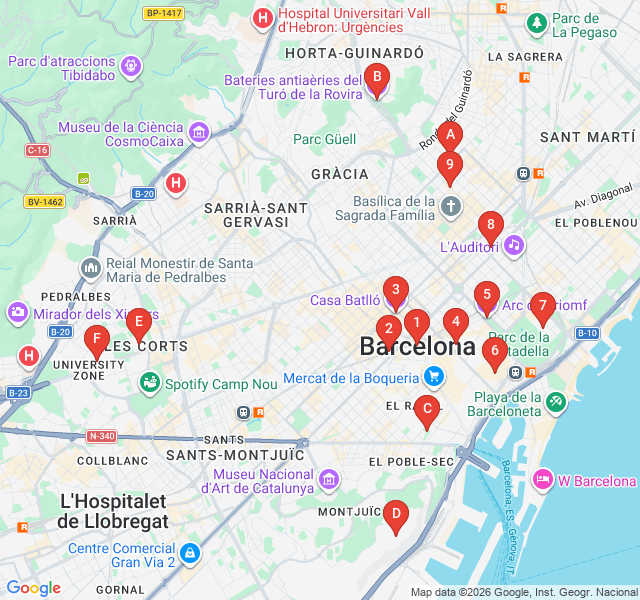
Numbers indicate the order of stops on the tour.
Welcome to the Pavilion of Sant Rafael, one of the most striking structures within the Sant Pau Recinte Modernista. Built between 1914 and 1918, this pavilion embodies the vision of architect Lluís Domènech i Montaner. Look closely at the colorful ceramics and the large windows; these weren't just for decoration. The architect believed that sunlight, fresh air, and beautiful surroundings were essential for patient recovery. Inside, you can still see the historic ward layout and the stunning vaulted ceilings covered in yellow and white tiles. It is a testament to a time when healthcare and high art went hand-in-hand.
Located in Plaça de la Universitat, this grand Neo-Romanesque building is the historic heart of Barcelona's academic life. Designed by Elias Rogent and completed in the late 19th century, it represented the city's intellectual rebirth. The building features two symmetrical courtyards—the 'Letters' courtyard and the 'Sciences' courtyard—filled with lush greenery and orange trees. It’s a peaceful retreat from the surrounding city bustle. Notice the clock tower and the arched windows, which evoke a medieval monastic feel, grounding the city's modern ambitions in its deep historical roots.
Standing before Casa Batlló, you are looking at Antoni Gaudí’s 'House of Bones.' This isn't just a building; it's a marine dreamscape. The facade is covered in a mosaic of broken ceramic tiles, known as trencadís, that shimmer like fish scales in the sun. The balconies look like skeletal masks or skulls, while the roof resembles the arched back of a dragon. Gaudí avoided straight lines, believing they didn't exist in nature. This house was a renovation of a standard apartment block, proving that with enough imagination, even the most ordinary space can become a masterpiece of Modernisme.
This concert hall is a riot of color and sculpture. Another masterpiece by Domènech i Montaner, the Palau de la Música Catalana was built for the Orfeó Català choral society. The exterior is famous for its large sculptural group representing 'Catalan Folk Song' on the corner. The red brickwork, combined with intricate floral mosaics and busts of famous composers, makes it one of the most photographed buildings in the city. It remains the only concert hall in this style to be listed as a UNESCO World Heritage site, serving as a beacon of Catalan culture.
Unlike many triumphal arches built to celebrate military victories, Barcelona's Arc de Triomf was built as the gateway to the 1888 Universal Exhibition. Designed by Josep Vilaseca i Casanovas, it features a distinctive red brick construction in the Neo-Mudéjar style, which draws inspiration from Moorish architecture. Look up to see the friezes: one side depicts 'Barcelona receiving the nations,' while the other shows the distribution of awards to the exhibition's participants. It stands at the top of the Passeig de Lluís Companys, a grand promenade that leads toward the Ciutadella Park.
Known as the 'Cathedral of the Sea,' this church is the finest example of pure Catalan Gothic architecture. Built in the 14th century at the height of Catalonia's maritime power, it was funded and constructed by the local porters and merchants of the Ribera district. Inside, the space is surprisingly airy and light, with slender columns rising toward the ceiling. The lack of ornate decoration compared to other cathedrals highlights the perfect proportions of the stone. It has survived fires and wars, remaining a symbol of the resilience and pride of the local community.
This campus is a fascinating example of urban renewal. It occupies the former Roger de Llúria and Jaume I military barracks, which were built in the late 19th century. In the 1990s, the space was transformed into a modern university hub. The most striking feature nearby is the 'Dipòsit de les Aigües,' a massive brick water tower that now serves as a spectacular library. The high vaulted ceilings and rows of bookshelves create a cathedral-like atmosphere for study, blending industrial heritage with the city's contemporary academic mission.
The Plaça de Toros Monumental is a landmark that tells the story of changing cultural tides. Opened in 1914, it was the last active bullring in Catalonia before bullfighting was banned in the region. The architecture is a striking mix of Neo-Mudéjar and Byzantine styles, featuring blue and white ceramic tiles and grand arches. Today, it serves as a museum and a venue for concerts and events. Its presence is a reminder of a controversial chapter of Spanish history, housed in a building that is an artistic triumph in its own right.
This pedestrianized avenue is one of the most pleasant walks in Barcelona. It cuts diagonally through the rigid grid of the Eixample district, directly linking the Sagrada Família with the Hospital de Sant Pau. As you walk, you'll see the unique lampposts designed by Pere Falqués, which feature intricate ironwork and stone benches. The avenue is lined with cafes and terraces, offering a perfect spot to watch the world go by. It provides a literal and metaphorical bridge between the two giants of Modernisme: Gaudí and Domènech i Montaner.
You are now at the grand entrance of the Sant Pau Recinte Modernista. The Administration Pavilion is the most ornate building of the complex, designed to impress anyone who approached the hospital. Its towering spire and rich sculptural decorations, including the large mosaic panels depicting the history of the hospital, make it look more like a royal palace than a medical facility. This was the 'front office' where patients were admitted. The intricate brickwork and the use of stone, iron, and ceramics here represent the pinnacle of Domènech i Montaner's career.
For the best 360-degree view of Barcelona, there is no place like the Bunkers del Carmel. These are not actually bunkers but the remains of an anti-aircraft battery built during the Spanish Civil War in 1937. After the war, the site became a shanty town known as 'Els Canons' before being cleared and turned into a viewpoint. From here, you can see the grid of the Eixample, the towers of the Sagrada Família, and the sparkling Mediterranean. It is a favorite spot for locals to watch the sunset and reflect on the city's complex history.
These gardens are an integral part of the hospital's 'healing' design. Domènech i Montaner planned the green spaces to act as a barrier against city noise and pollution, while also providing a pleasant area for convalescing patients. The gardens are filled with medicinal plants and trees that were chosen for their therapeutic properties. Even today, the scent of lavender and the shade of the trees offer a moment of tranquility. It is a rare example of an early 20th-century garden designed with both aesthetics and scientific function in mind.
Perched high above the city, Montjuïc Castle is an old military fortress with a dark and complicated past. Built in the 17th century, it has been used to defend Barcelona and, more often, to bombard its own citizens during periods of unrest. During the Spanish Civil War and the Franco regime, it served as a prison and execution site. Today, however, it is a place of peace, offering incredible views of the port and the coastline. The walk around its moat and ramparts provides a stark contrast to the artistic beauty of the Modernista buildings in the city center.
The Faculty of Law building is a masterpiece of 1950s Spanish architecture. Designed by architects Giráldez, López Íñigo, and Subias, it was a radical departure from the traditional styles of the time. It won the FAD Architecture Prize in 1958 for its functionalism and innovative use of space. The building's clean lines, rhythmic windows, and open courtyards marked the beginning of modern university architecture in Barcelona, moving away from the ornamental excesses of the past toward a more rationalist approach to education.
Ending our journey at the Faculty of Economics and Business, we see the continued expansion of Barcelona's academic infrastructure. This area, known as the 'Pedralbes Knowledge Hub,' showcases how the city has grown westward. The buildings here focus on light and large-scale utility, reflecting the economic boom of the late 20th century. From the historic 19th-century university downtown to these modern faculties, we have seen how Barcelona’s architecture always reflects its social and intellectual ambitions. This concludes our walk through the stones and stories of this remarkable city.
Start Free on iPhone
Explore “Sant Pau: The World’s Largest Art Nouveau Site” with your very own Private Tour Guide with Zigway. Start free on iPhone, skip the large group and the fixed routes, and hear the city come alive as you go.
Your Private Tour Guide
Don't miss the good stuff
Explore Freely
 Moderate
Barcelona, Spain
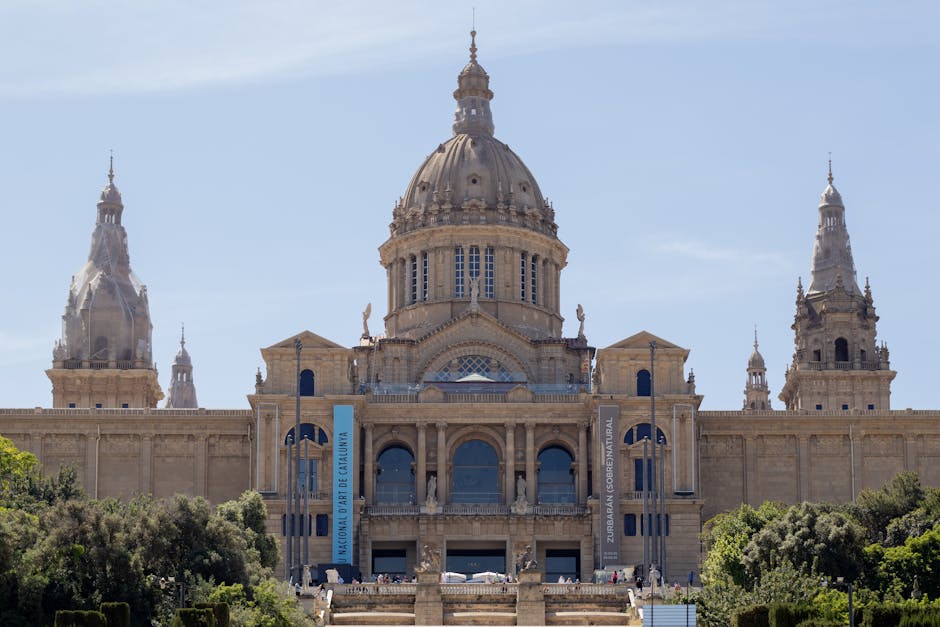
Explore the elegant 'village' of Sarrià, where Gothic monasteries and Gaudí's hidden gems meet charming local markets and narrow streets.
 Moderate
Barcelona, Spain
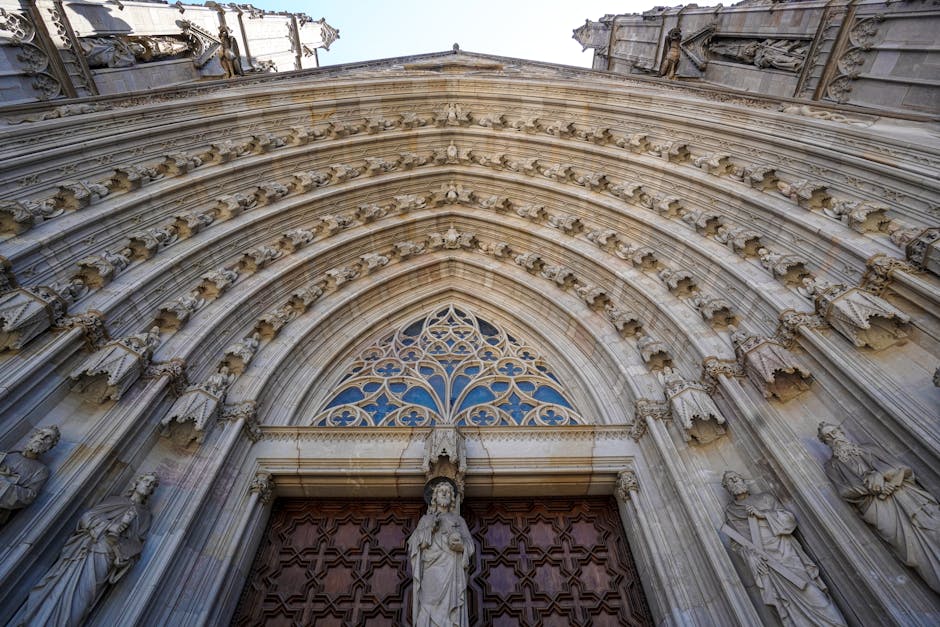
Discover the revolutionary history and haunting scars of the Spanish Civil War on this self-guided walk through Barcelona's historic streets.
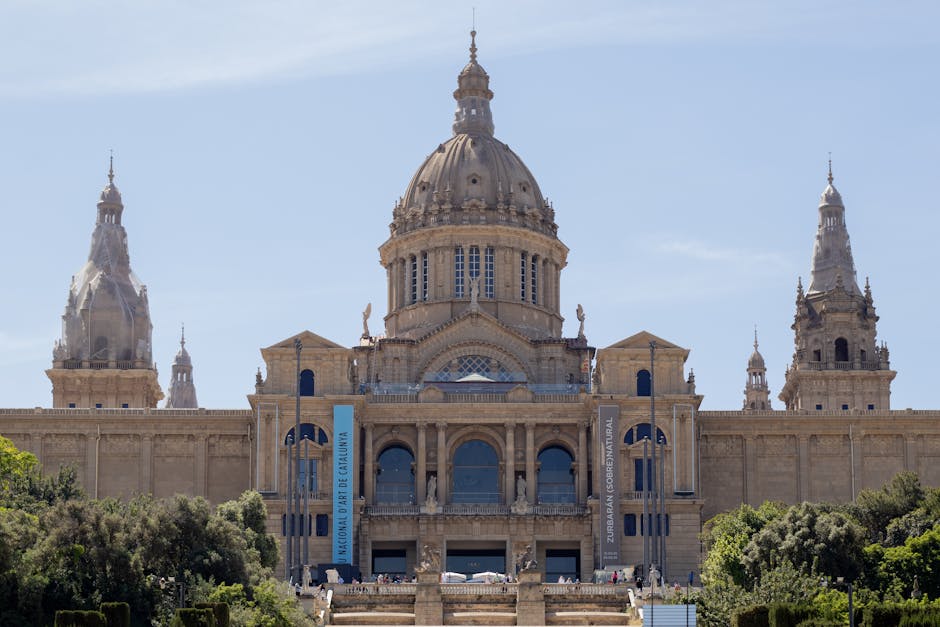 Easy
EasyBarcelona, Spain
Discover the architectural wonders of Barcelona's Golden Square on this self-guided stroll through Eixample's most luxurious Modernista streets.
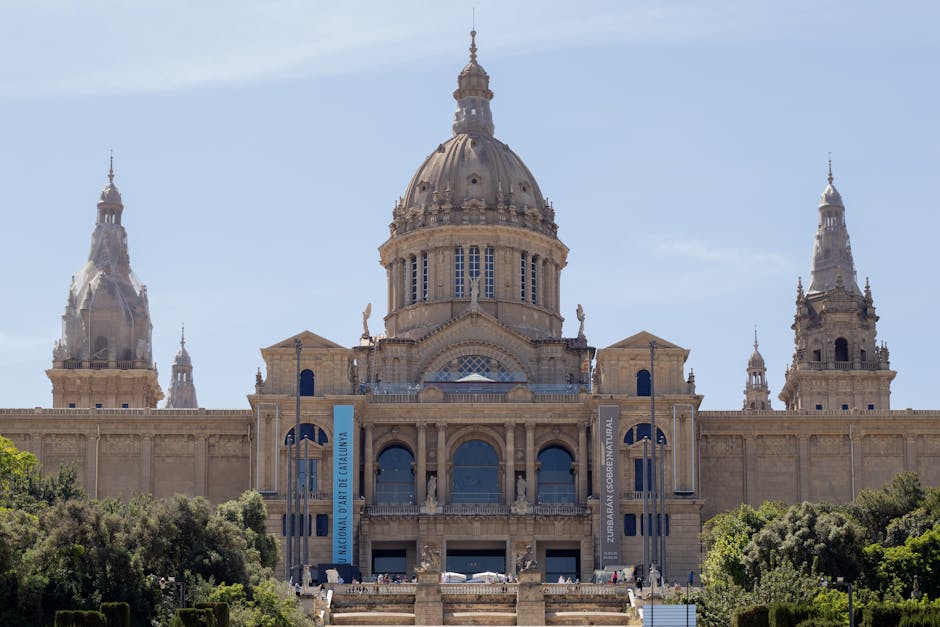 Challenging
Barcelona, Spain
Explore Montjuïc’s lush gardens, historic fortress, and iconic Olympic venues on this scenic self-guided walk with panoramic Mediterranean views.
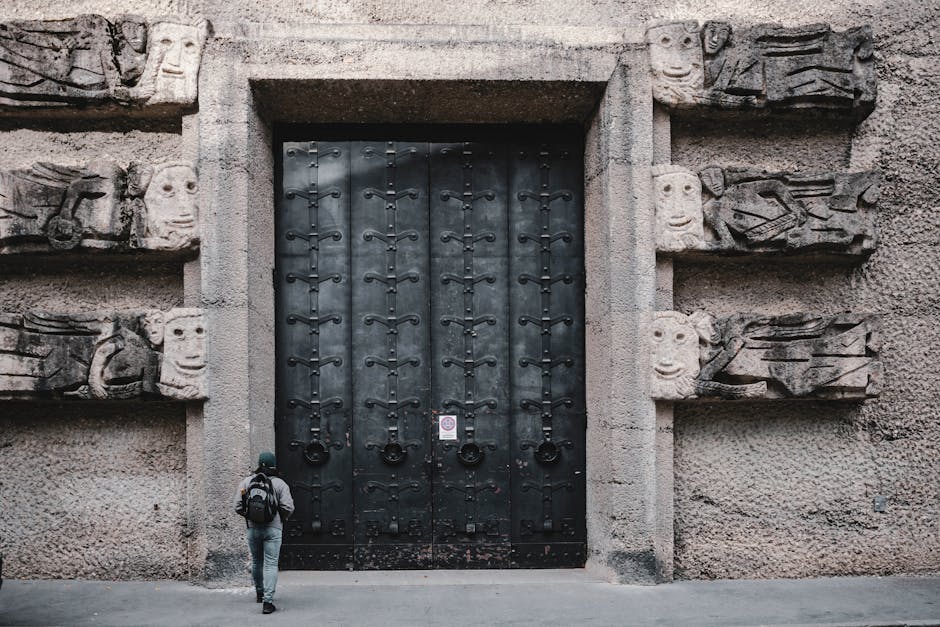 Easy
EasySalzburg, Austria
Discover the 'Rome of the North' on this self-guided walk through the Baroque squares and monumental legacy of Salzburg’s Prince-Archbishops.
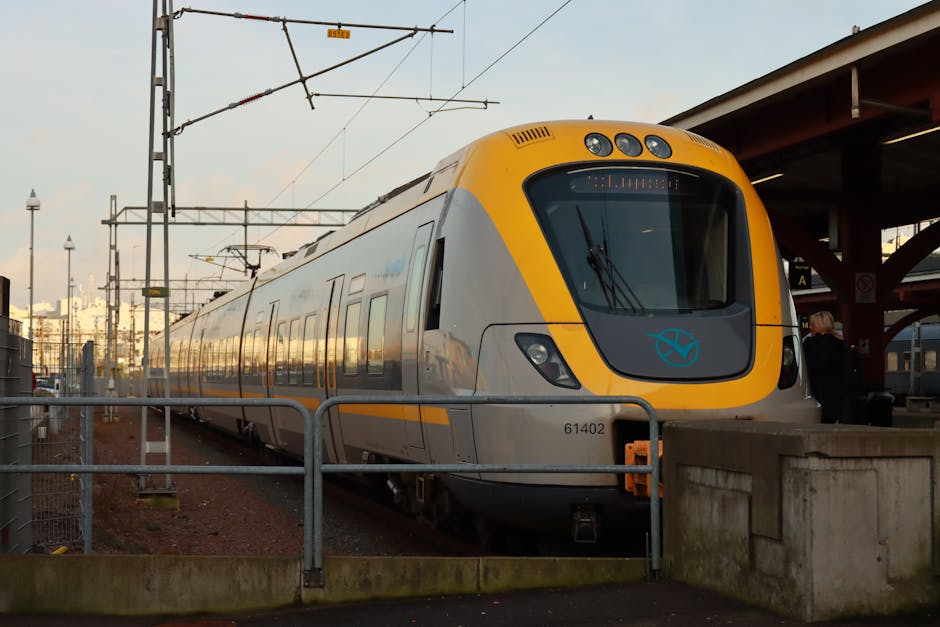 Easy
EasyGothenburg, Sweden
Discover Gothenburg’s 17th-century Dutch foundations, historic canals, and military fortifications on this self-guided architectural walk.
 Easy
EasyNairobi, Kenya
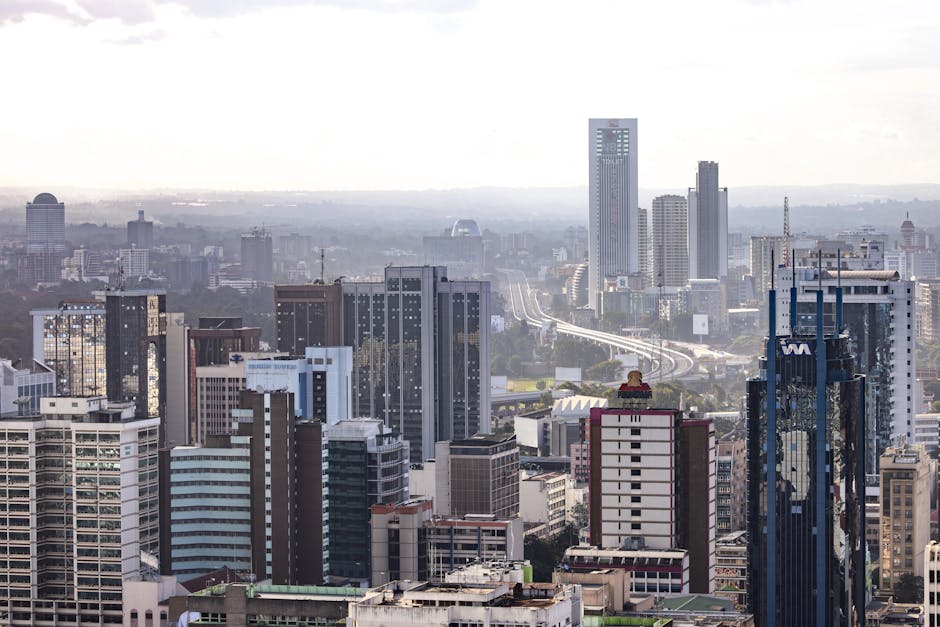
Explore Nairobi's architectural evolution from colonial-era landmarks to iconic Brutalist skyscrapers on this historic self-guided walking route.
 Easy
EasyNairobi, Kenya
Discover Nairobi's iconic skyline on this self-guided architecture walk through the CBD’s most famous modernist and Brutalist landmarks.
 Easy
EasyMadrid, Spain
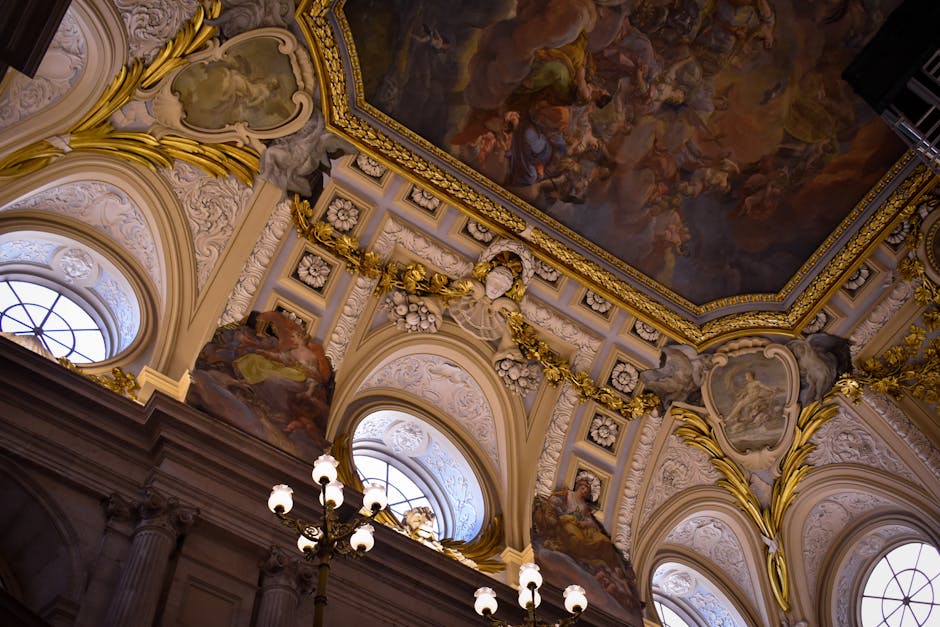
Explore Madrid's 'Landscape of Light' on this self-guided walk through the world-renowned Golden Triangle of Art, from Cibeles to the Reina Sofía.
 Moderate
Madrid, Spain
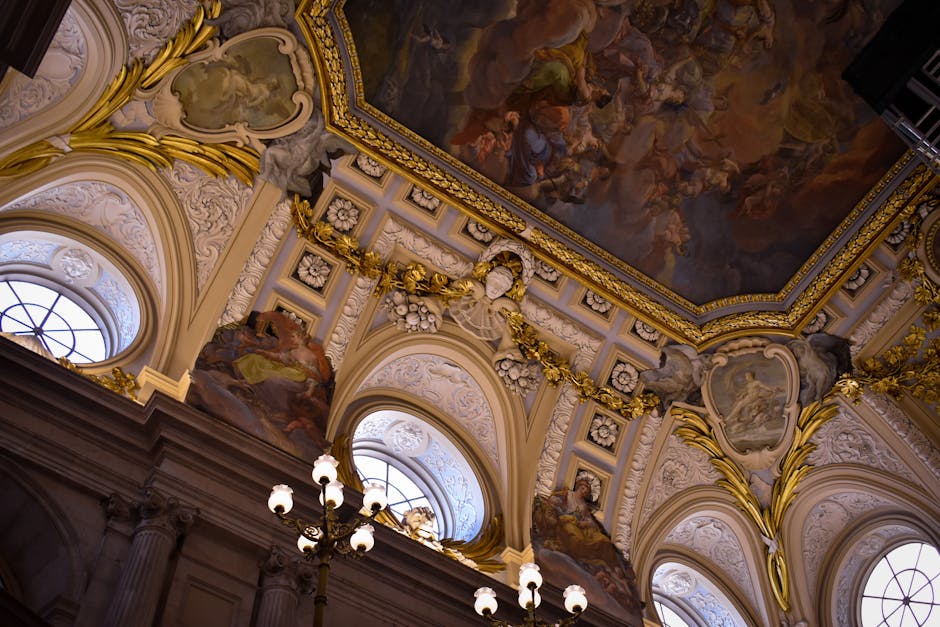
Explore Madrid's most diverse neighborhood on this self-guided walk through street art, historic markets, and multicultural squares.
 Easy
EasyMadrid, Spain
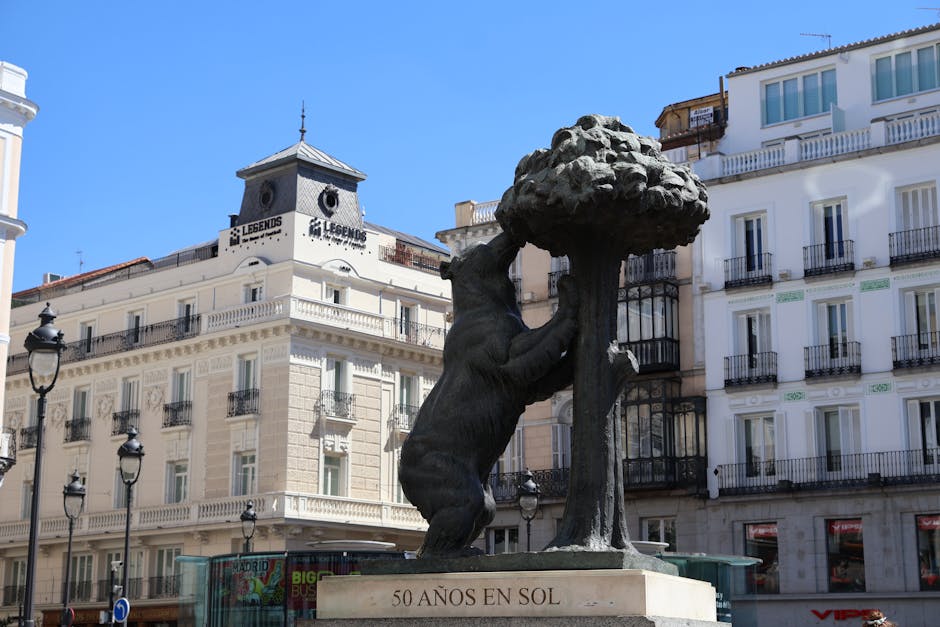
Explore the royal legacy and medieval alleys of Madrid's historic Habsburg district on this immersive self-guided walk through the city's heart.
 Easy
EasyMadrid, Spain
Discover the rebellious spirit of Malasaña on this self-guided walk through Madrid's best street art, historic squares, and counter-culture hubs.