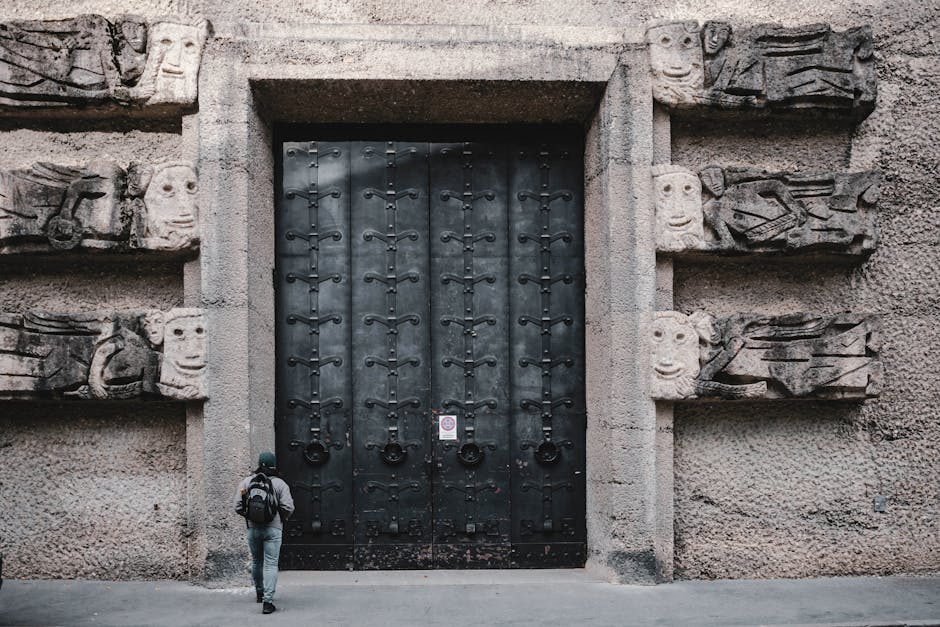
Self-guided audio tour in Salzburg
Start Free on iPhone
Start free on iPhone to unlock this self-guided walking tour in Salzburg. Hear all the stories that make it amazing, walk at your own pace, and begin whenever you want.
Your Private Tour Guide
Step away from the familiar Baroque crowds of the Old Town and discover Nonntal, Salzburg’s most vibrant and eclectic neighborhood. This self-guided walk invites you to explore a district where historical tradition meets contemporary innovation. Nonntal has long been a place of transition; once the site of medieval hospices and artisan workshops, it is now the city's creative heart, home to modern university campuses, cutting-edge art galleries, and peaceful green corridors. This neighborhood stroll offers a unique perspective on the city, showcasing how Salzburg balances its UNESCO World Heritage status with a living, breathing culture of modern art and academic energy. As you navigate this walking route, you will encounter the striking red-brick facade of the Salzburg Art Association and the sleek, award-winning architecture of the Unipark Nonntal. The path leads you through the narrow, charming Petersbrunnstraße, where the shadow of the Hohensalzburg Fortress looms overhead, and into the open expanses of the Krauthügel, an urban meadow that frequently hosts large-scale contemporary art installations. Unlike a standard walking tour Salzburg visitors often experience, this route emphasizes the 'Local’s Salzburg,' focusing on the textures of daily life, the evolution of local architecture, and the hidden gems that many travelers overlook. Whether you are an architecture enthusiast, an art lover, or simply looking for a quiet escape from the main tourist trail, this audio walk provides the context needed to appreciate Nonntal’s layered history. From the Baroque elegance of St. Erhard’s Church to the majestic chestnut-lined Hellbrunner Allee, you will see how the city transforms from a dense urban center into a sprawling landscape of palaces and meadows. Discover Salzburg at your own pace, stopping to soak in the views of the fortress or enjoying a coffee at a student-filled café along the way. This self-guided adventure is the perfect way to experience the creative soul of Austria’s most musical city. **Note:** This area is known for its ever-changing character. Street art, pop-up venues, and temporary exhibitions may differ from what's described. That's part of the adventure - you might discover something entirely new!
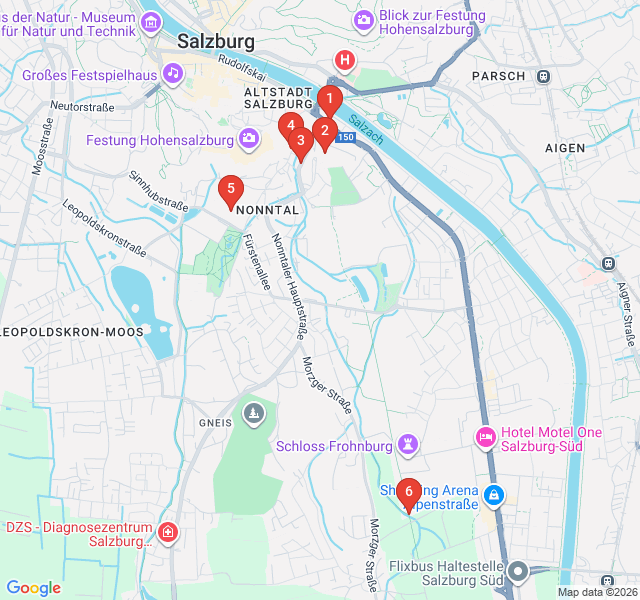
Numbers indicate the order of stops on the tour.
Welcome to the Künstlerhaus, the historic headquarters of the Salzburg Art Association. Built in 1885, this striking red-brick building stands out against the city's typical white and pastel stone. It was originally established to provide local artists with a space to create and exhibit, and it remains a vital hub for contemporary art today. As you stand before its ornate facade, consider how this building served as a bridge between the traditional arts of the 19th century and the avant-garde movements that followed. The Association hosts rotating exhibitions that often challenge the 'Mozart-city' stereotype. Since exhibitions change frequently, the interior is always a surprise, offering everything from digital media to experimental sculpture. It is a testament to Salzburg's enduring commitment to a living, evolving art scene rather than just preserving the past.
A few steps away, the scenery shifts dramatically from the 19th century to the 21st. The Unipark Nonntal, part of the University of Salzburg, is a masterpiece of modern architecture designed by the firm Storch/Müller. Completed in 2011, its sleek glass and concrete curves create a light-filled environment for thousands of students. Notice how the building's design incorporates open plazas and 'floating' sections, allowing the landscape of the city to flow through the campus. If the building is open, the roof terrace offers one of the most spectacular, yet least-known, views of the Hohensalzburg Fortress and the surrounding mountains. This site represents the intellectual energy of Nonntal, a district that feels younger and more experimental than the historic center across the river.
As you turn into Petersbrunnstraße, you are entering the historic core of 'Old Nonntal.' This street was once the main artery for people entering the city from the south. The architecture here is a mix of grand villas and more modest artisan houses, many of which date back centuries. Look up toward the fortress; from this angle, the massive stone walls of Hohensalzburg feel almost close enough to touch. This area has a distinct village-like atmosphere, characterized by ivy-covered walls and quiet courtyards. Historically, this street was home to the city’s court theater and various small workshops. Today, it remains a prestigious residential address, blending the quiet dignity of the past with the convenience of being just minutes from the city center.
The Church of St. Erhard is a Baroque jewel that many visitors miss. Built in the late 17th century by the architect Giovanni Gaspare Zuccalli, it served the nearby hospital and the community of Nonnberg Abbey. The exterior is defined by its elegant dome and twin towers, but the interior is where the true artistry lies. Inside, you will find elaborate stucco work and a high altar that exemplifies the theatricality of the Salzburg Baroque style. The church was part of a larger complex that cared for the sick and the poor, reminding us that Nonntal was once a place of social service and sanctuary. Take a moment to appreciate the quiet sanctity here, which offers a stark contrast to the busy academic energy of the nearby university.
Leaving the paved streets behind, you enter the Krauthügel, a vast green meadow that sits directly beneath the Nonnberg Abbey and the Fortress. This space is a unique urban lung for Salzburg. Since 2014, it has become a focal point for the 'Art in the Public Space' project. Large-scale sculptures and temporary installations are often placed directly in the grass, creating a dialogue between contemporary creativity and the ancient landscape. Because these installations are temporary, the visual experience of the Krauthügel changes with the seasons and the years. It is a favorite spot for locals to walk, picnic, and reflect. The contrast of modern steel or abstract shapes against the backdrop of a medieval abbey perfectly captures the spirit of Nonntal.
Your walk concludes at the beginning of the Hellbrunner Allee, one of the oldest and most beautiful avenues in Europe. Commissioned in 1612 by Prince-Archbishop Markus Sittikus, this straight, three-kilometer path was designed to connect the city with Hellbrunn Palace. Lined with ancient chestnut trees, the Allee is a protected natural monument. As you look down the long, leafy tunnel, you can see the mountains in the distance and several historic 'Schlösser' or small palaces along the sides. This is where Salzburg’s urban fabric dissolves into the countryside. From here, you can choose to continue the long walk to the Trick Fountains of Hellbrunn or simply enjoy the peaceful atmosphere before heading back toward the city center.
Start Free on iPhone
Explore “Nonntal: Salzburg's Creative Quarter” with your very own Private Tour Guide with Zigway. Start free on iPhone, skip the large group and the fixed routes, and hear the city come alive as you go.
Your Private Tour Guide
Don't miss the good stuff
Explore Freely
 Easy
EasySalzburg, Austria
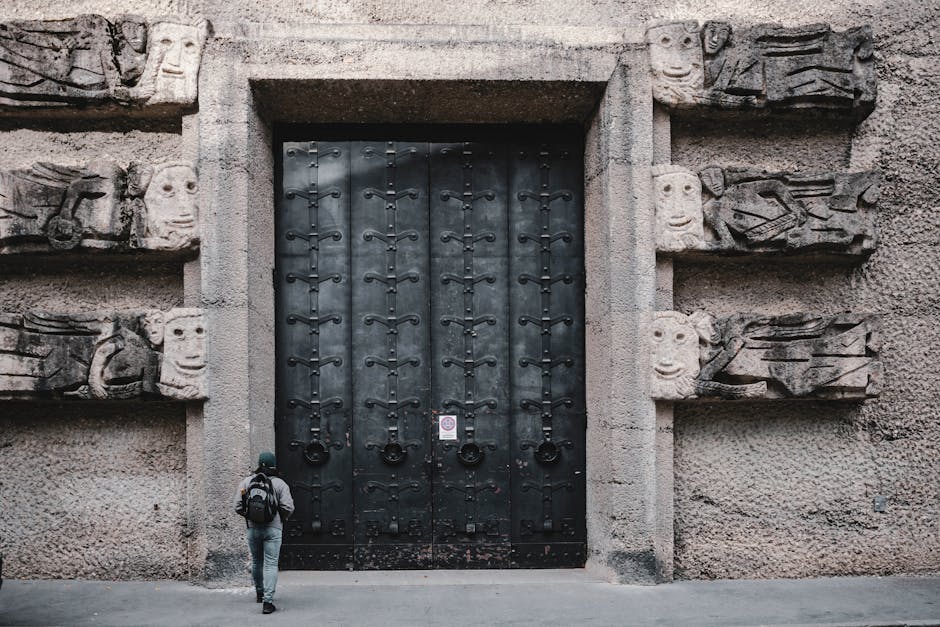
Discover the 'Rome of the North' on this self-guided walk through the Baroque squares and monumental legacy of Salzburg’s Prince-Archbishops.
 Easy
EasySalzburg, Austria
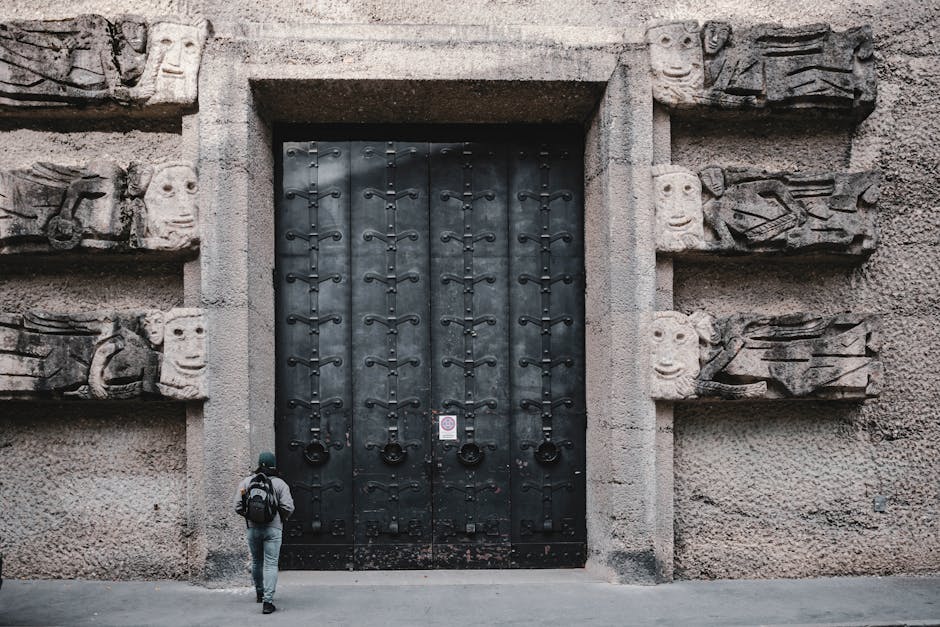
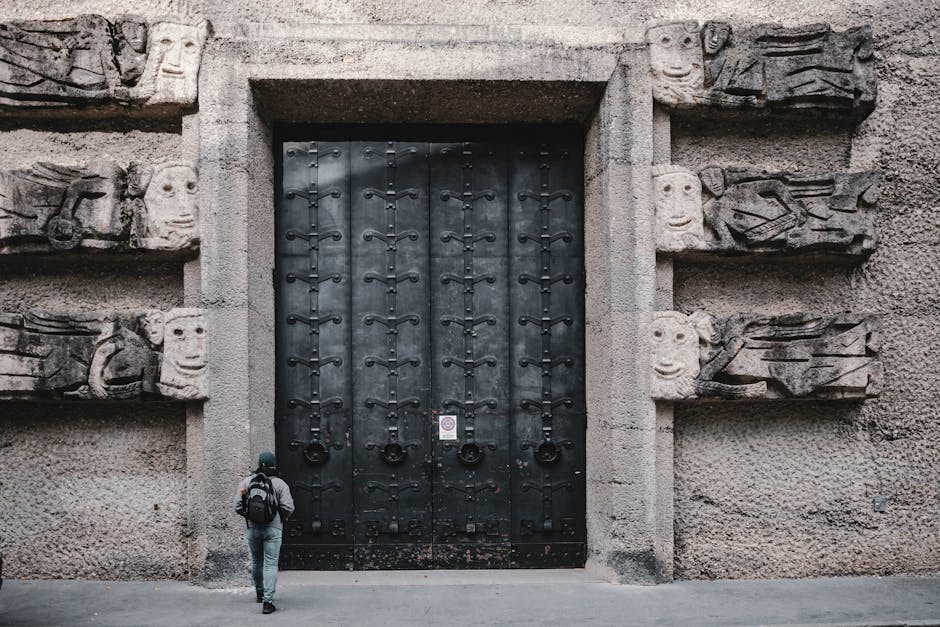
Discover Salzburg's oldest medieval alley, the birthplace of the 'Silent Night' author, and breathtaking views on this quiet self-guided walk.
 Easy
EasySalzburg, Austria
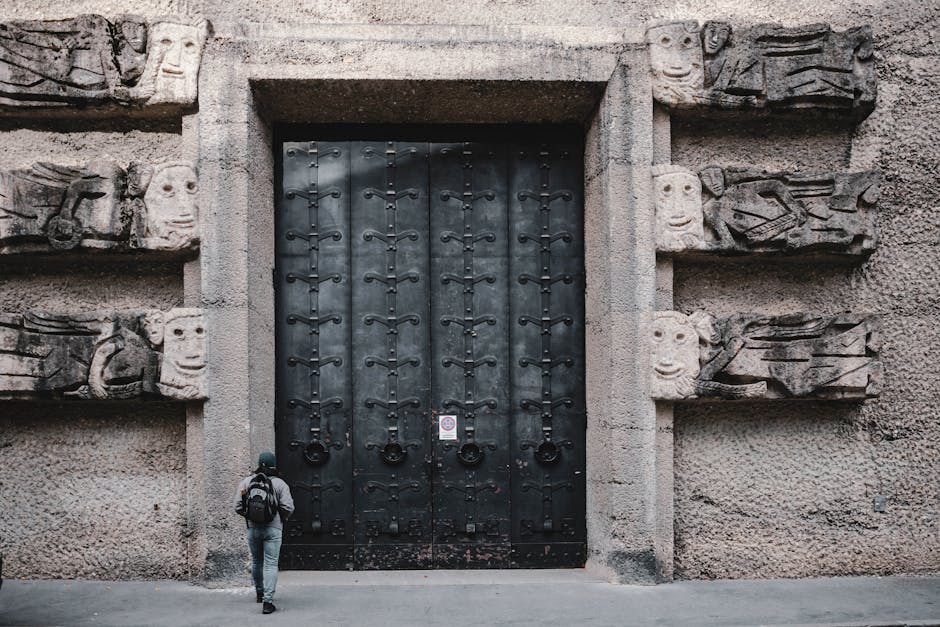
Walk through the iconic filming locations of The Sound of Music and discover the real history of the von Trapp family in Salzburg.
 Challenging
Salzburg, Austria
Scale the heights of Salzburg on this self-guided walk to the Hohensalzburg Fortress, exploring medieval walls and ancient monastic grounds.
 Easy
EasyKrakow, Poland
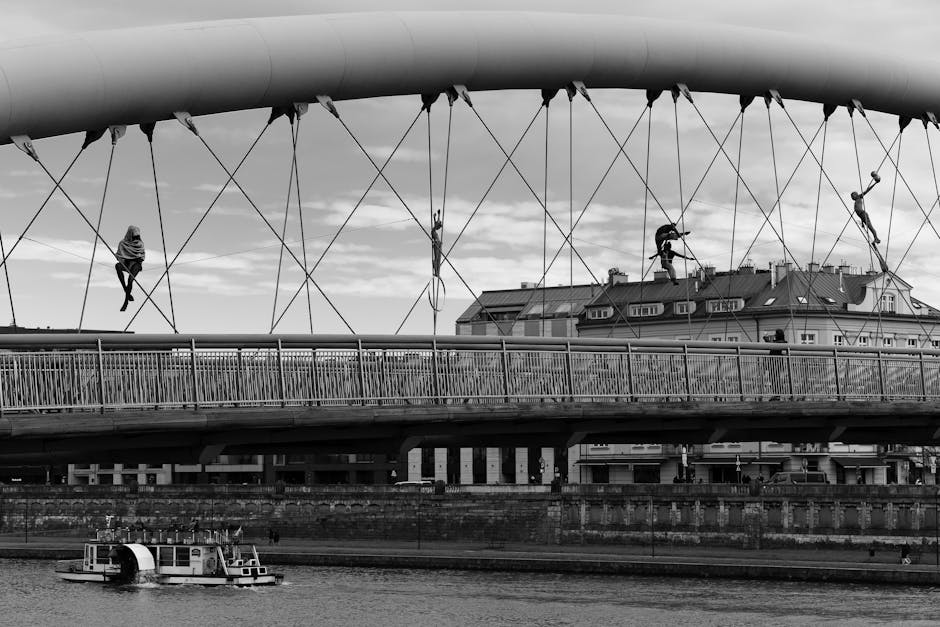
Discover Krakow’s creative soul in Zabłocie, exploring industrial heritage, contemporary art museums, and avant-garde architecture at your own pace.
 Easy
EasyKrakow, Poland
Explore the prestigious Jagiellonian University district, featuring Neo-Gothic architecture, Baroque churches, and Krakow's hidden scholarly gems.
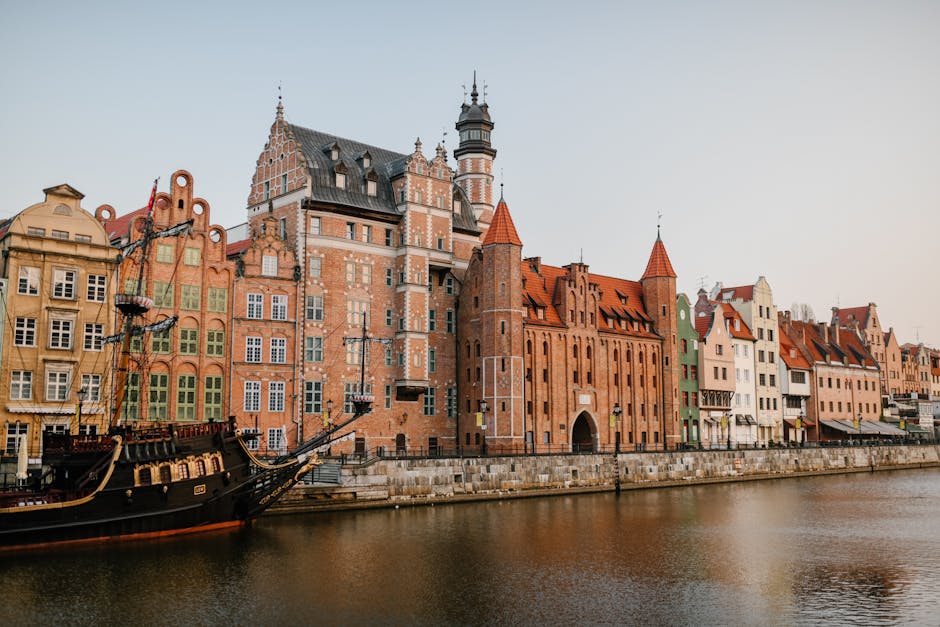 Moderate
Gdansk, Poland
Discover the bohemian soul of Gdańsk. Explore the literary landmarks of Günter Grass, Prussian villas, and the trendy cafes of historic Wrzeszcz.
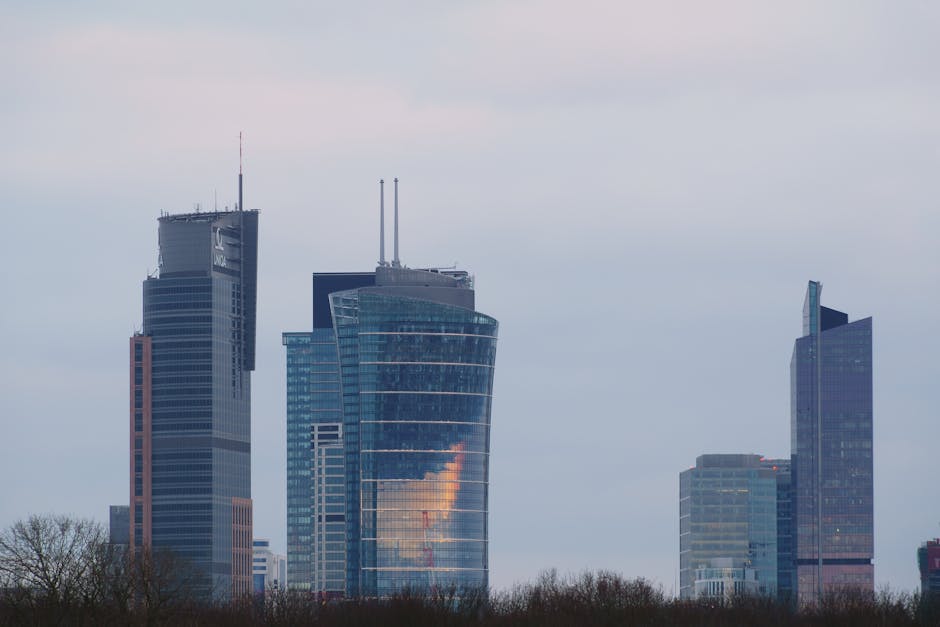 Easy
EasyWarsaw, Poland
Discover the hidden courtyards and grand pre-war architecture of Warsaw's most atmospheric neighborhood on this self-guided stroll.
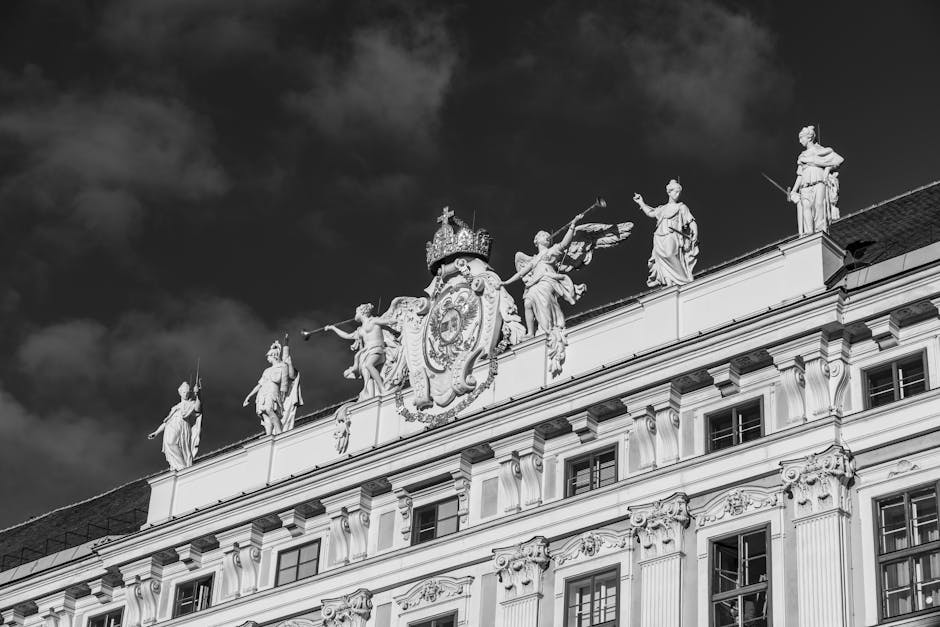 Easy
EasyVienna, Austria
Explore Vienna’s vibrant open-air gallery along the Danube Canal on this self-guided street art and nightlife stroll through Leopoldstadt.
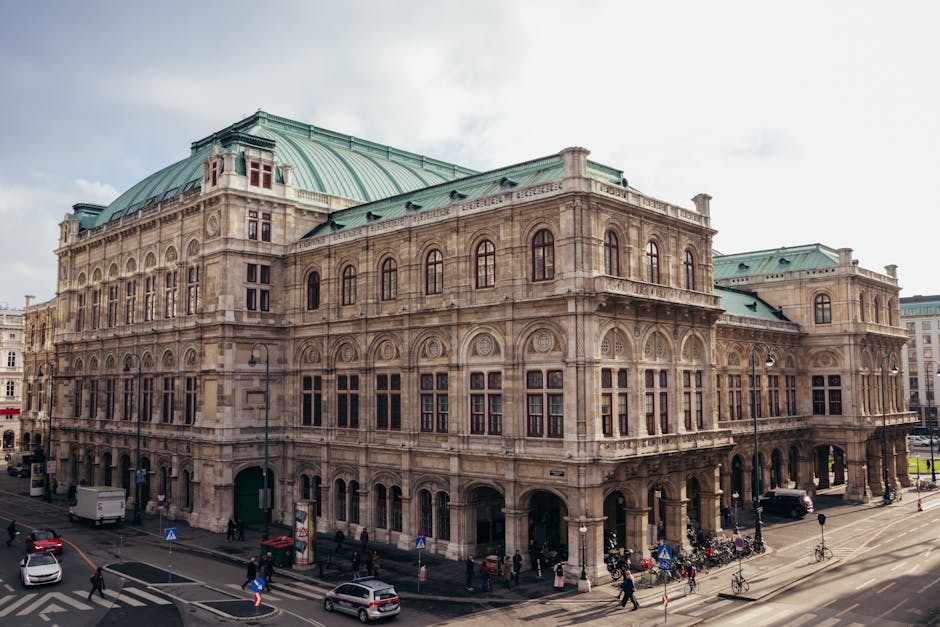 Moderate
Vienna, Austria
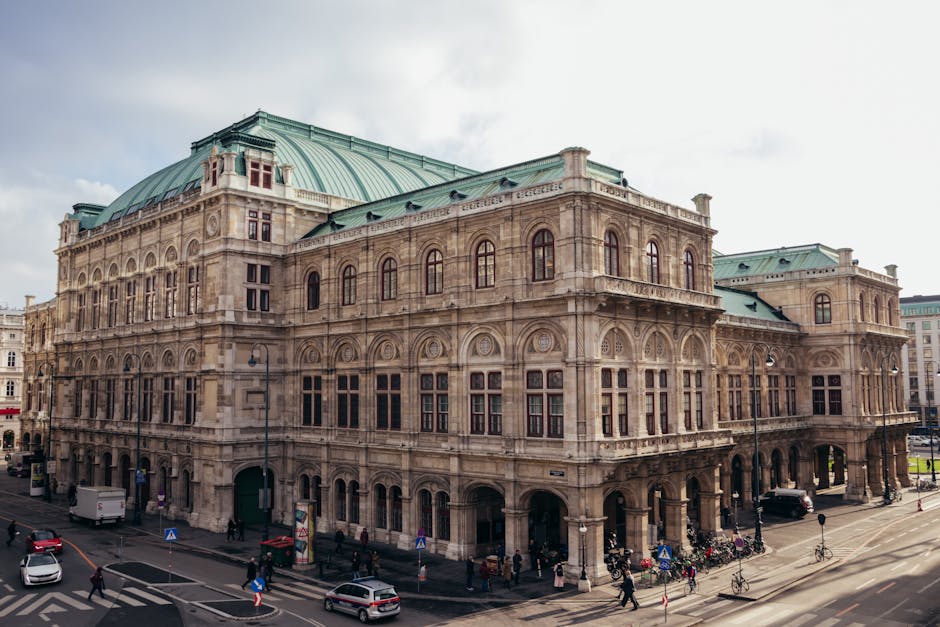
Follow the footsteps of Mozart and Strauss through Vienna’s historic center on this self-guided walk through the city's rich musical history.
 Moderate
Vienna, Austria
Discover the noir world of The Third Man and Cold War Vienna on this atmospheric self-guided audio walk through the historic Innere Stadt.
 Easy
EasyVienna, Austria
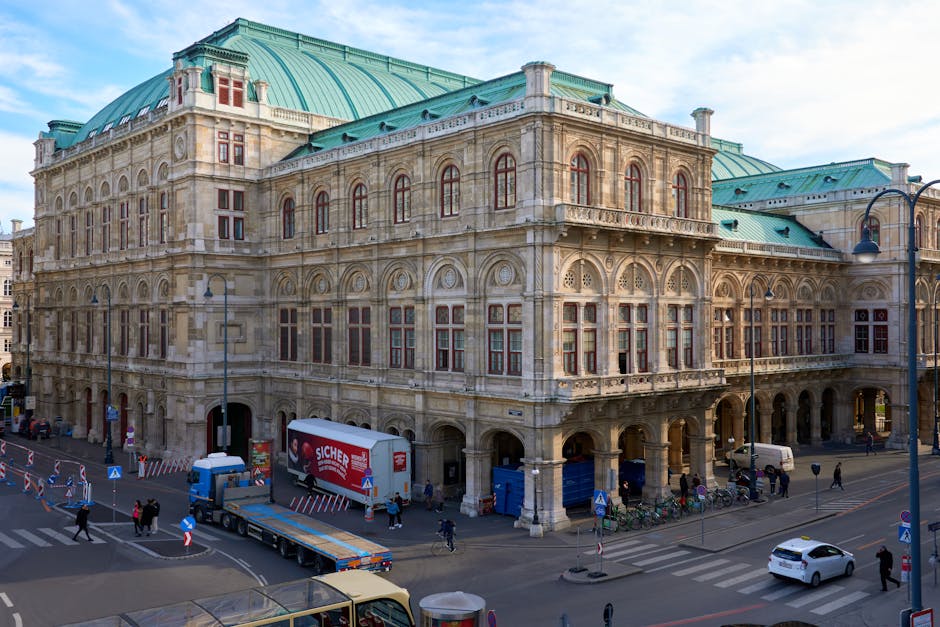
Discover the literary haunts and architectural gems of Vienna's legendary coffee culture on this self-guided stroll through the historic city center.