Self-guided audio tour in Seville
Start Free on iPhone
Start free on iPhone to unlock this self-guided walking tour in Seville. Hear all the stories that make it amazing, walk at your own pace, and begin whenever you want.
Your Private Tour Guide
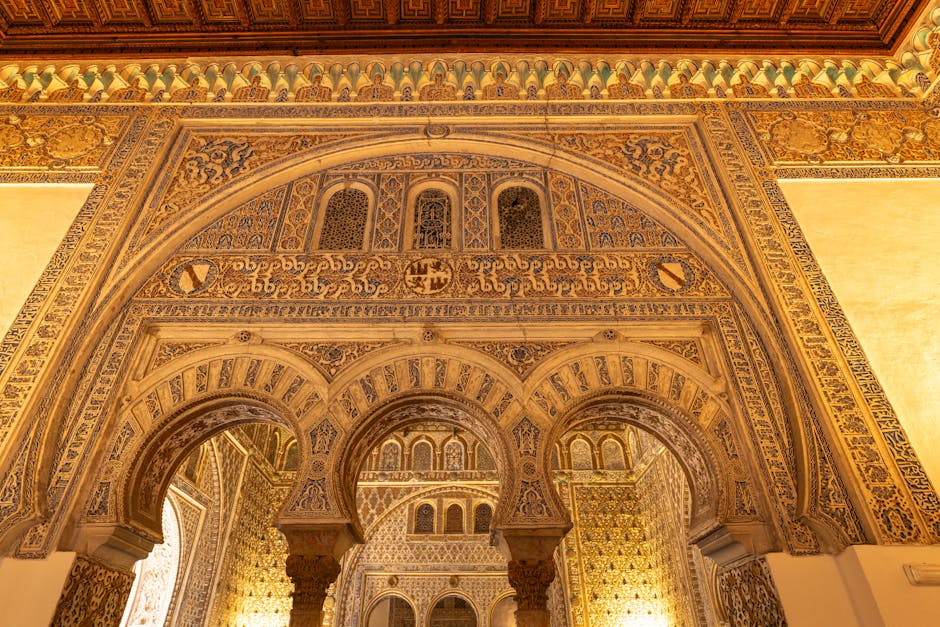
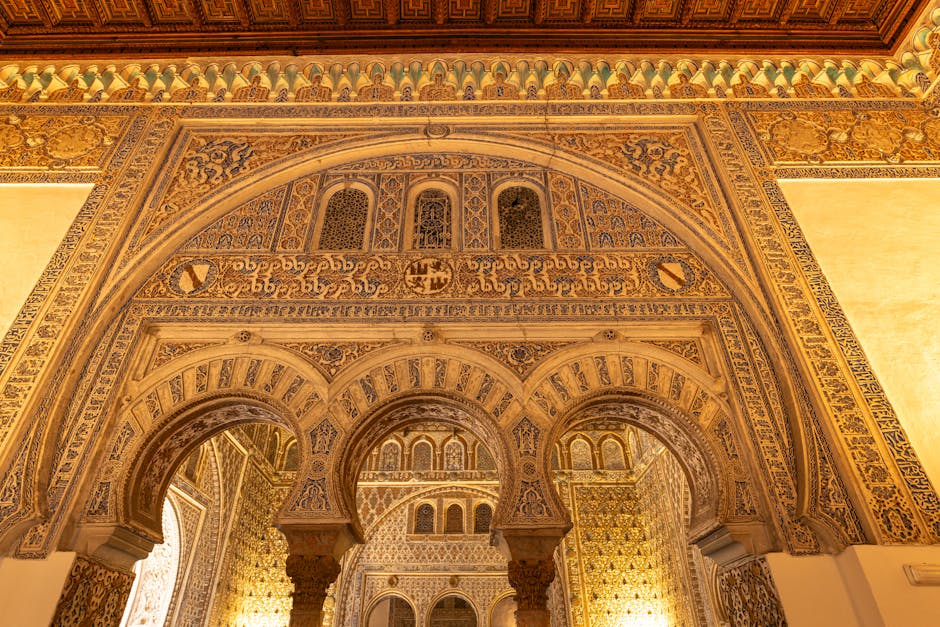
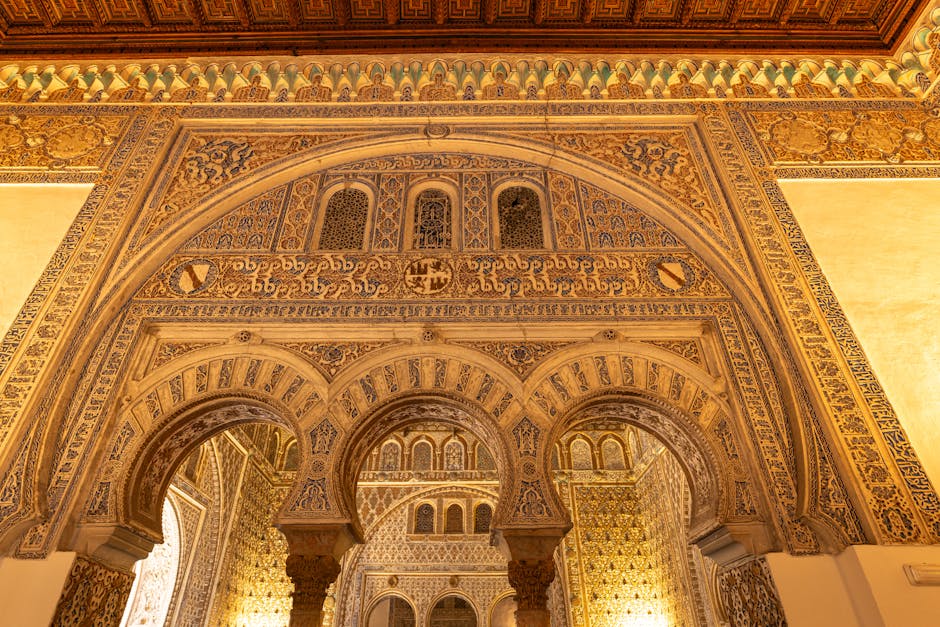
Seville is more than just a city; it is a living museum where the echoes of Al-Andalus still resonate through the intricate brickwork and tiled courtyards of its most famous monuments. This self-guided walk invites you to explore the Mudejar legacy, a unique architectural style born from the meeting of Islamic craftsmanship and Christian patronage following the Reconquista. Unlike a standard walking tour Seville, this route allows you to linger under horseshoe arches and examine the delicate geometric patterns of hidden palaces at your own pace. You will begin your journey in the aristocratic heart of the city at Casa de Pilatos, a stunning example of how Italian Renaissance and Moorish styles intertwined to create a Mediterranean paradise. As you move through the winding streets of the Centro district, you will discover that the city's religious history is written in its walls. Parish churches like San Marcos and Santa Marina are not just houses of worship; they are architectural puzzles that incorporate the minarets and floor plans of the mosques that preceded them. This walking route highlights the structural evolution of the city, showing how Islamic aesthetics remained the height of fashion for centuries after the Moors departed. The journey culminates at the legendary Giralda and the Royal Alcázar, where the intricate plasterwork rivaling the Alhambra tells a story of cultural fusion that defined the Spanish Golden Age. This neighborhood stroll offers a deep dive into the history that shaped the skyline of Seville, providing a flexible and informative alternative to a guided tour Seville for those who prefer to uncover history independently. From the lush gardens of the nobility to the soaring heights of Almohad towers, this experience captures the soul of a city that refused to choose between its diverse cultural identities.
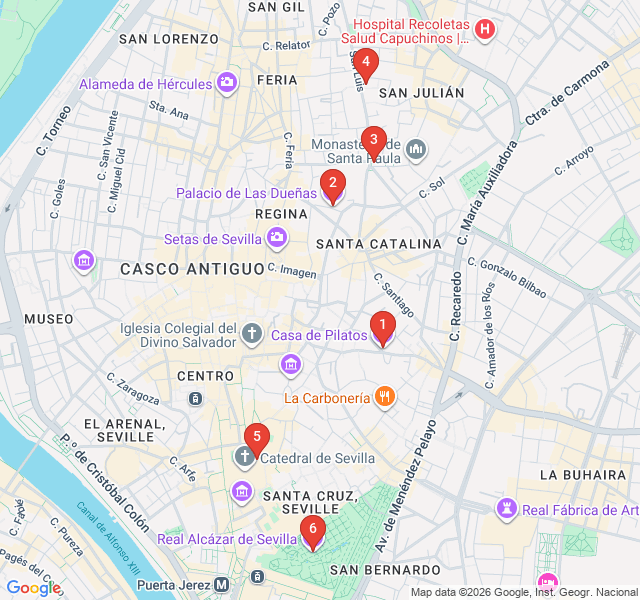
Numbers indicate the order of stops on the tour.
Welcome to the Casa de Pilatos, arguably the finest example of a private Sevillian palace. This residence was built in the late 15th century by the Enríquez de Ribera family. As you explore the central courtyard, notice the incredible blend of Mudejar, Gothic, and Renaissance elements. The name 'Pilatos' comes from a 16th-century pilgrimage to Jerusalem made by the owner, who believed the distance from his home to a local shrine matched the distance between Pontius Pilate’s house and Mount Calvary. Pay close attention to the 'azulejos' or ceramic tiles; there are over 150 different patterns here, representing one of the largest collections of its kind in the world.
A short walk brings you to the Palacio de las Dueñas, the beloved residence of the House of Alba. This palace is a testament to the Mudejar style’s longevity, featuring beautiful brickwork and horseshoe arches that date back to the 15th and 16th centuries. It is not just about the architecture, though; this palace was the birthplace of the famous Spanish poet Antonio Machado. You can still feel the romantic atmosphere in the lemon-scented courtyards and the lush gardens. The interior is filled with art, tapestries, and personal mementos that tell the story of one of Spain’s most prominent noble families throughout the centuries.
As you stand before the Church of San Marcos, look up at the tower. Does it look familiar? This is one of Seville's best-preserved examples of an Almohad minaret being repurposed for Christian use. After the Reconquista in 1248, many mosques were converted into churches, but the sturdy, beautiful towers were often kept intact. Notice the intricate brick 'sebka' patterns—a diamond-like decorative motif typical of Islamic art. The church itself was rebuilt in the 14th century in the Gothic-Mudejar style, featuring a characteristic portal with pointed arches and a rose window, blending two very different religious aesthetics into one unique structure.
Similar to San Marcos, the Church of Santa Marina is a treasure of the Gothic-Mudejar style. It is one of the oldest churches in Seville, built shortly after the city was taken by King Ferdinand III. Look at the exterior walls; the use of brick rather than stone is a hallmark of Mudejar construction, as Islamic craftsmen were masters of brickwork. The church has survived numerous earthquakes and fires over the centuries, yet it remains a stoic reminder of the 13th-century transition from Muslim Isbiliya to Christian Sevilla. The interior features beautiful timber ceilings, another classic Mudejar element designed by artisans who specialized in intricate woodwork.
Standing at the base of the Giralda, you are looking at the ultimate symbol of Seville. This tower began its life in 1184 as the minaret for the Great Mosque of Seville. The Almohad architects built it with ramps instead of stairs so that the muezzin could ride a horse to the top to give the call to prayer. When the Christians built the cathedral next to it, they were so impressed by the tower that they kept it, adding the Renaissance bell tower and the weather vane (the Giraldillo) at the very top. The transition from the austere, geometric brickwork of the base to the ornate top perfectly encapsulates the layers of history in this city.
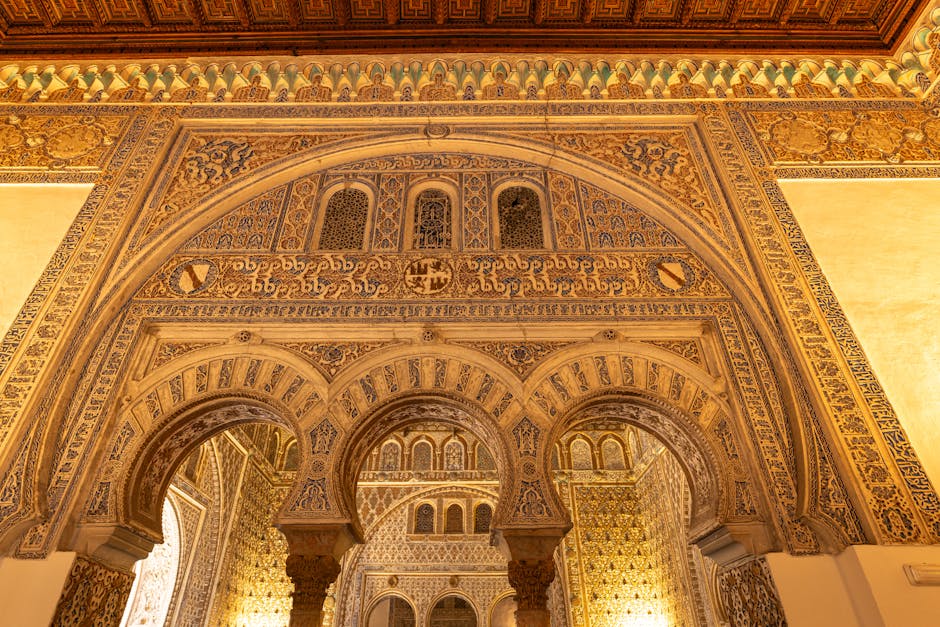
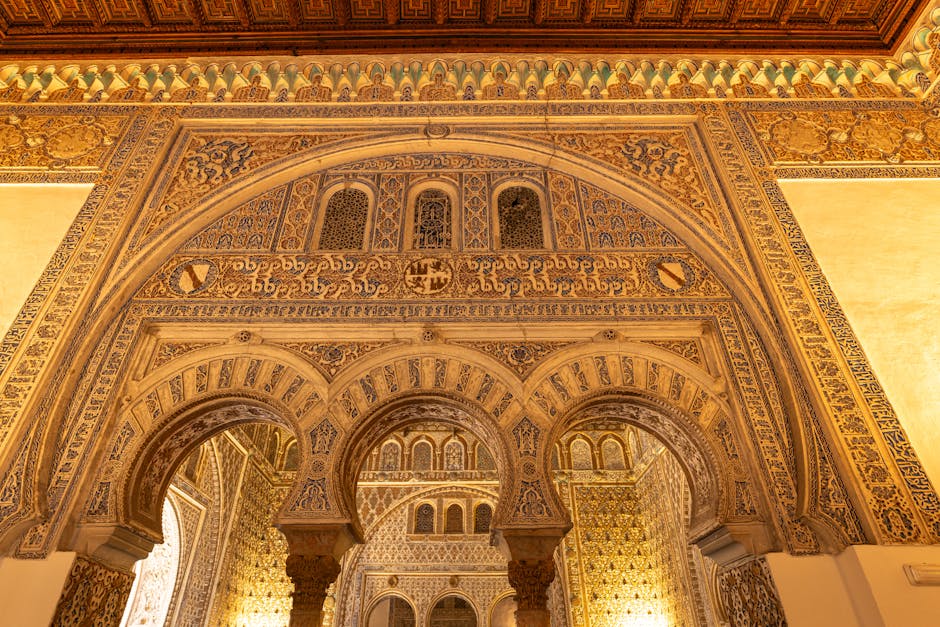
The Royal Alcázar is the oldest royal palace still in use in Europe, but its most famous section, the Palace of Pedro I, was built in the 1360s—long after the Moors had left. King Pedro was so enamored with Islamic art that he hired craftsmen from Granada and Toledo to create a palace that rivaled the Alhambra. As you walk through the Courtyard of the Maidens, look at the incredibly fine plasterwork and the inscriptions in Arabic that praise the Christian king. This is the pinnacle of Mudejar art: a Christian palace built in an Islamic style, surrounded by lush gardens that have evolved over a thousand years.
Start Free on iPhone
Explore “Mudejar Masterpieces: Seville's Islamic Legacy” with your very own Private Tour Guide with Zigway. Start free on iPhone, skip the large group and the fixed routes, and hear the city come alive as you go.
Your Private Tour Guide
Don't miss the good stuff
Explore Freely
 Challenging
Seville, Spain
Explore the futuristic legacy of Expo 92 and the ancient secrets of a Carthusian monastery on this self-guided walk through Isla de la Cartuja.
 Moderate
Seville, Spain
Explore Seville's artistic soul in Macarena, featuring ancient walls, vibrant markets, and bohemian workshops on this independent audio walk.
 Easy
EasySeville, Spain
Discover the independent spirit of Triana on this self-guided walk through flamenco history, ceramic traditions, and riverside charm.
 Easy
EasySeville, Spain
Discover Seville's modern side! Explore the iconic Setas, Roman ruins, and trendy boutiques on this self-guided walking route through the city center.
 Easy
EasySalzburg, Austria
Discover the 'Rome of the North' on this self-guided walk through the Baroque squares and monumental legacy of Salzburg’s Prince-Archbishops.
 Easy
EasyWarsaw, Poland
Explore the miracle of Warsaw's reconstructed Old Town on this self-guided walk through royal squares, medieval walls, and heroic monuments.
 Easy
EasyNairobi, Kenya
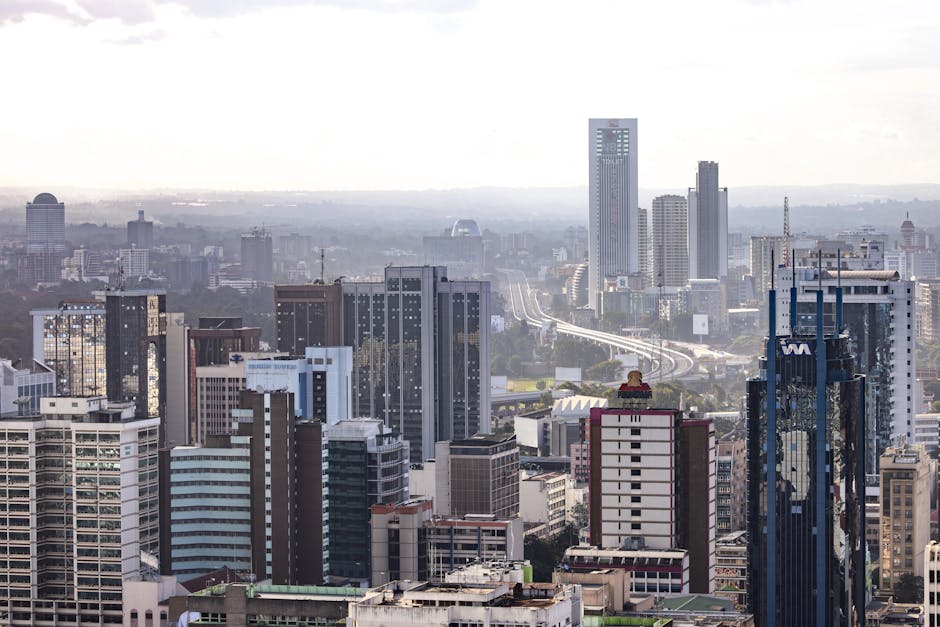
Explore Nairobi's architectural evolution from colonial-era landmarks to iconic Brutalist skyscrapers on this historic self-guided walking route.
 Easy
EasyNairobi, Kenya
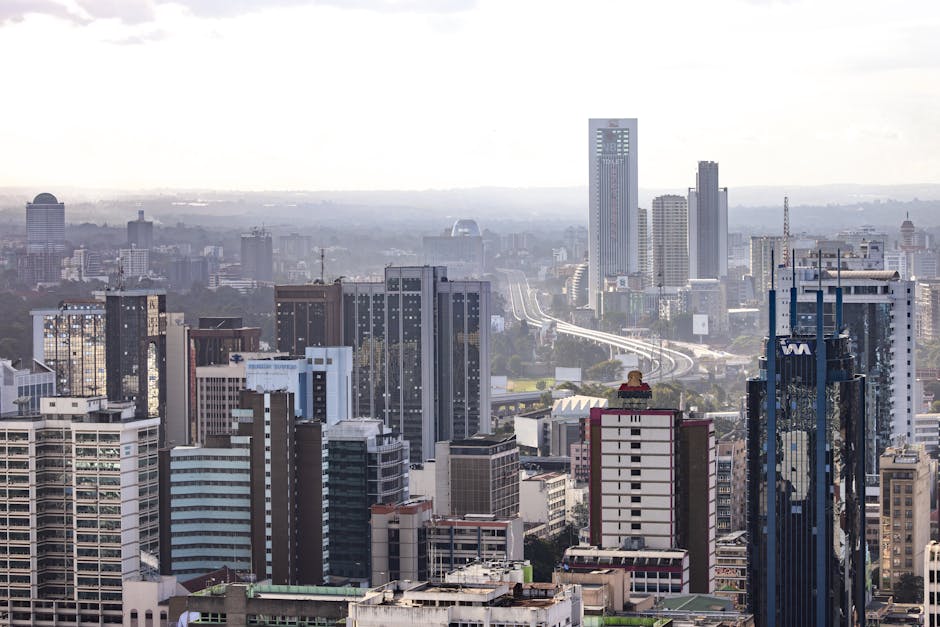
Discover Nairobi's iconic skyline on this self-guided architecture walk through the CBD’s most famous modernist and Brutalist landmarks.
 Moderate
Barcelona, Spain
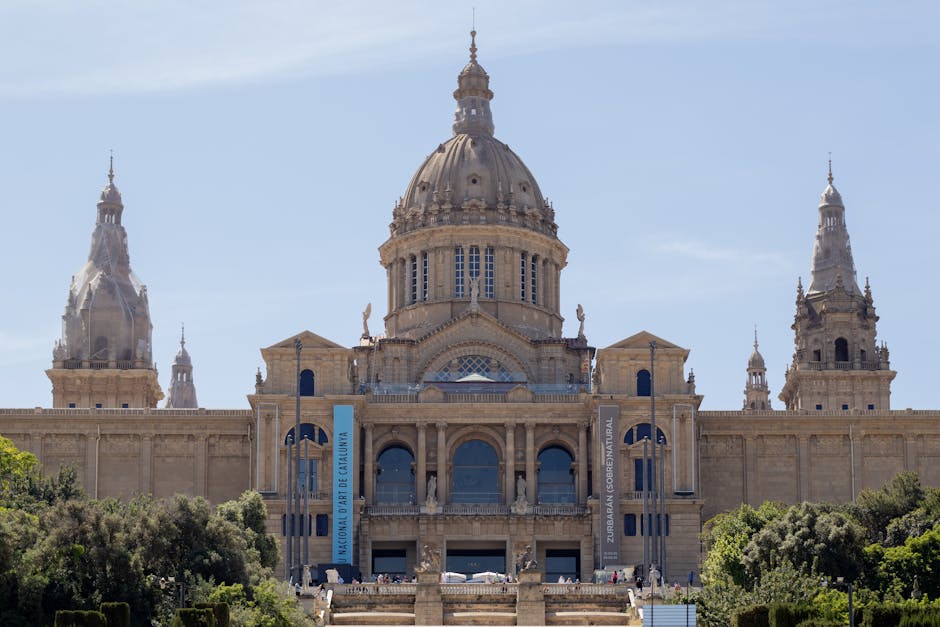
Explore the elegant 'village' of Sarrià, where Gothic monasteries and Gaudí's hidden gems meet charming local markets and narrow streets.
 Moderate
Barcelona, Spain
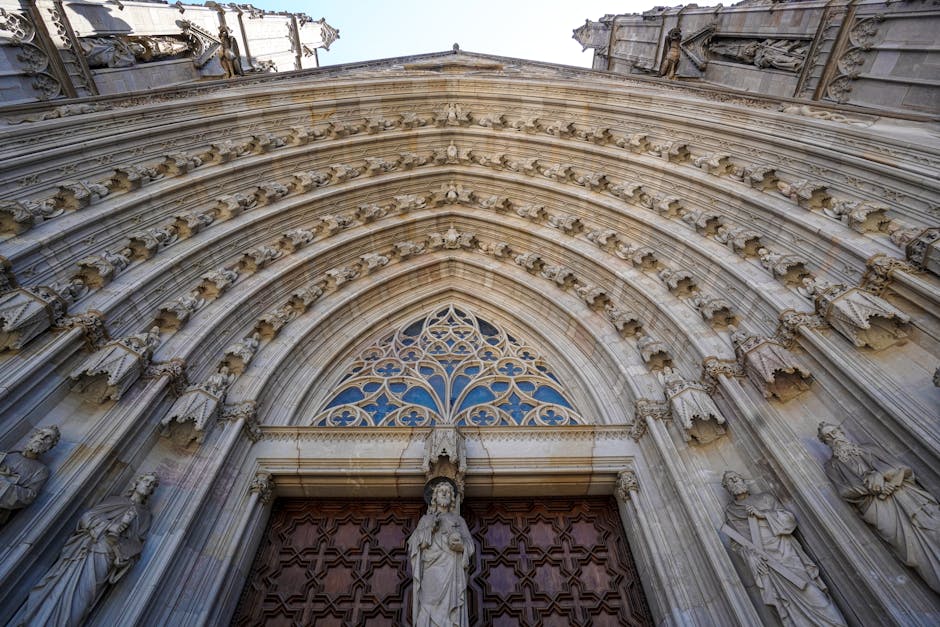
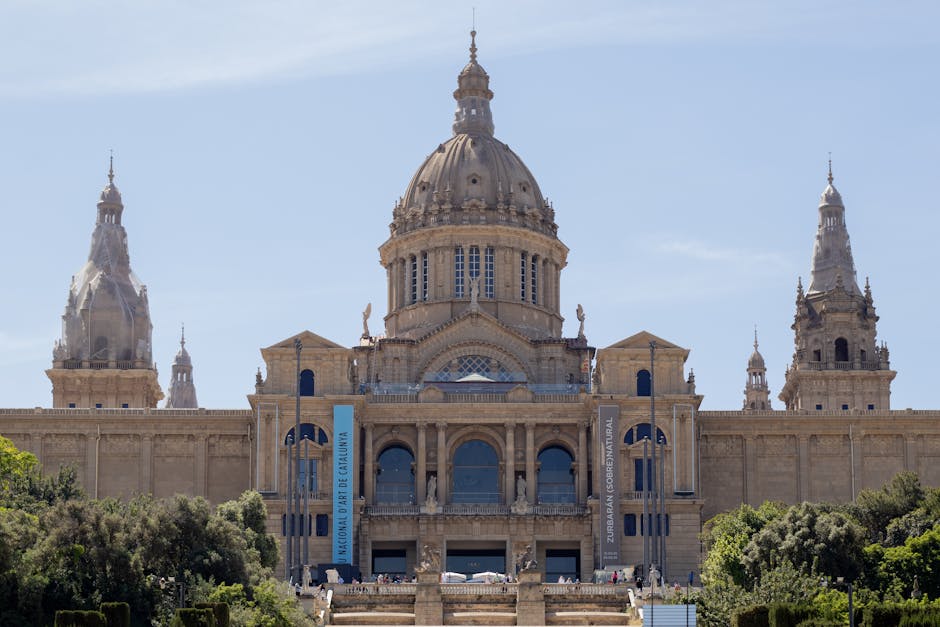
Discover the revolutionary history and haunting scars of the Spanish Civil War on this self-guided walk through Barcelona's historic streets.
 Easy
EasyBarcelona, Spain
Discover the architectural wonders of Barcelona's Golden Square on this self-guided stroll through Eixample's most luxurious Modernista streets.
 Challenging
Barcelona, Spain
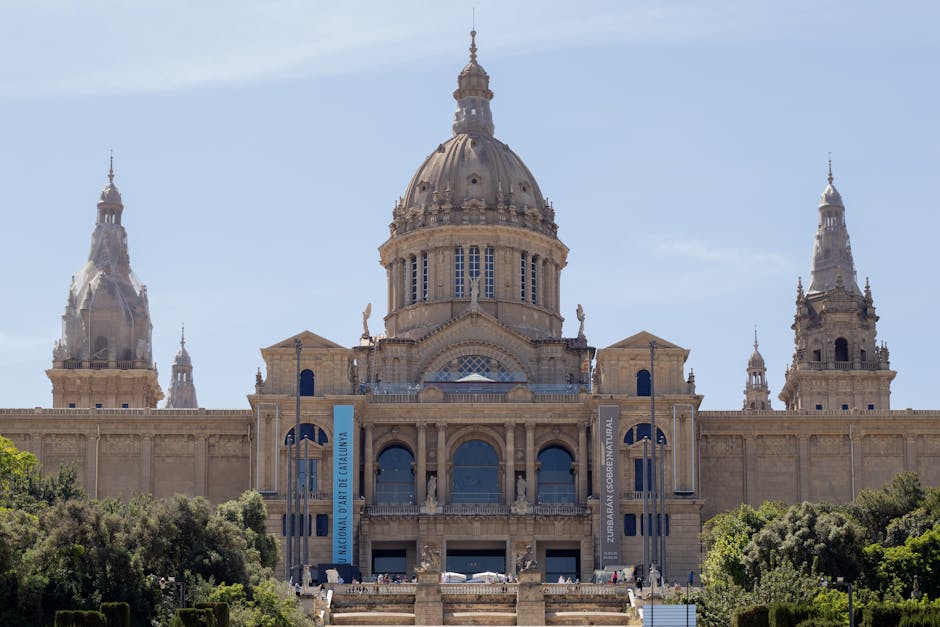
Explore Montjuïc’s lush gardens, historic fortress, and iconic Olympic venues on this scenic self-guided walk with panoramic Mediterranean views.