Self-guided audio tour in Rio de Janeiro
Start Free on iPhone
Start free on iPhone to unlock this self-guided walking tour in Rio de Janeiro. Hear all the stories that make it amazing, walk at your own pace, and begin whenever you want.
Your Private Tour Guide
Step away from the beaches of Copacabana and dive into the profound history of Rio de Janeiro’s Port Zone. This self-guided walk through the area known as 'Little Africa' (Pequena África) reveals the deep roots of Brazilian identity, tracing the journey from the tragic history of the transatlantic slave trade to the vibrant birth of Samba. As you explore the neighborhood of Gamboa, you will encounter archaeological sites, colorful street art, and the sacred ground where Afro-Brazilian culture was preserved and celebrated against all odds. The route begins in the atmospheric Largo de São Francisco da Prainha, a square that captures the colonial charm of old Rio. From there, you will visit Pedra do Sal, the legendary birthplace of urban Samba, where music and history are literally carved into the stone. This neighborhood stroll also takes you to the Cais do Valongo, a UNESCO World Heritage site that serves as a powerful memorial to the millions of enslaved Africans who arrived on these shores. The contrast of history and modernity is highlighted by the massive Etnias Mural by Eduardo Kobra, one of the world's largest pieces of street art, which celebrates global indigenous heritage. This walking route is more than just a history lesson; it is an immersion into the soul of Rio. You will discover the Hanging Garden of Valongo, a 19th-century landscaped terrace offering a unique perspective on the city's urban transformation, and conclude at the Institute of Research and New Black Memory, where the discovery of a colonial-era cemetery sparked a movement to reclaim and honor forgotten lives. Whether you are a history buff or a culture seeker, this self-guided adventure offers a meaningful way to connect with the heritage that shaped modern Brazil at your own pace.
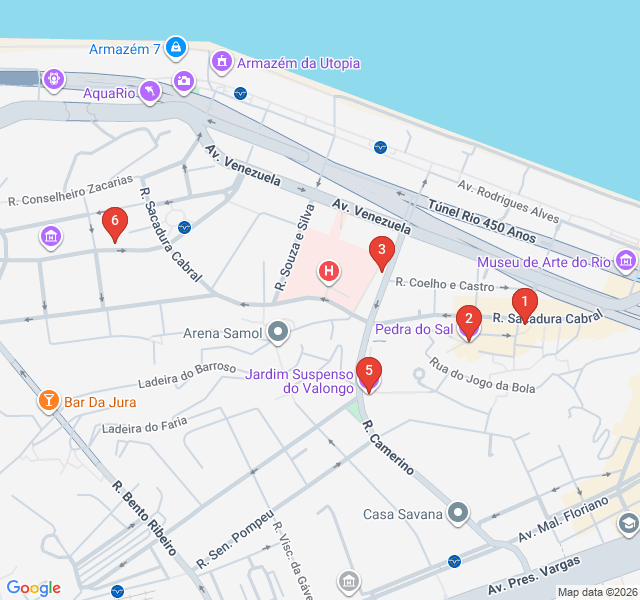
Numbers indicate the order of stops on the tour.
Welcome to the gateway of Little Africa. This square, Largo de São Francisco da Prainha, was once much closer to the water before the 20th-century land reclamation projects. Today, it is a hub of local life, surrounded by colorful colonial buildings and lively bars. Take a moment to look at the statue of Mercedes Baptista, the first Black dancer to join the Municipal Theater's corps de ballet and a pioneer of Afro-Brazilian dance. This square represents the resilience of the community; it has transitioned from a busy port area to a center of cultural resistance. The architecture here provides a glimpse into 19th-century Rio, serving as a reminder of the neighborhood's long-standing importance to the city's Afro-descendant population.
You are standing at the spiritual heart of Samba. Pedra do Sal, or 'Salt Stone,' earned its name because this was where salt was unloaded from ships. More importantly, it became a gathering place for 'Tias Baianas' (Aunts from Bahia) and dockworkers who brought their traditions and rhythms from the northeast. In the early 20th century, the fusion of these rhythms led to the birth of Samba as we know it today. The stairs carved into the rock were originally used to facilitate the transport of goods, but they now serve as seating for the legendary 'Rodas de Samba.' This site is a 'quilombo,' a recognized territory of ethnic and historical importance, symbolizing the survival of African culture in Brazil.
This archaeological site is one of the most significant historical locations in the Americas. Unearthed in 2011 during renovations for the Olympic Games, the Valongo Wharf was the primary port of entry for enslaved Africans in Rio de Janeiro between 1811 and 1831. It is estimated that nearly one million people passed through this wharf. In 2017, it was designated a UNESCO World Heritage site to serve as a site of conscience and a memorial to the transatlantic slave trade. As you look at the excavated stone floor, consider the layers of history beneath your feet—the original 'pé de moleque' stones were covered for decades, a silent witness to a period that fundamentally shaped the demographic and cultural landscape of Brazil.
Stretching across 170 meters of the Olympic Boulevard, this breathtaking mural is titled 'Etnias' (Ethnicities). Created by the Brazilian artist Eduardo Kobra for the 2016 Rio Olympics, it held the Guinness World Record for the largest spray-paint mural. The artwork depicts five faces representing the indigenous peoples of five continents: the Huli from Oceania, the Mursi from Africa, the Kayin from Asia, the Supi from Europe, and the Tapajós from the Americas. Kobra’s signature kaleidoscopic style and vibrant colors are intended to promote peace and unity among nations. It serves as a modern contrast to the historic sites nearby, showing how the Port Zone has evolved into a canvas for contemporary global expression.
Designed by architect Luis Rey in 1906, the Jardim Suspenso do Valongo is a neoclassical terrace built as part of a city-wide effort to 'Europeanize' Rio. While it was intended as a leisure space for the elite, its location is symbolic, as it sits atop the hill overlooking the old slave markets. The garden features statues of Roman deities like Minerva and Mars, which were moved here from the old city wharves. Today, it offers a peaceful elevated walkway with views of the surrounding Gamboa neighborhood. It serves as a reminder of the complex urban planning of the early 20th century, which often sought to hide the city's colonial and African past under layers of monumental architecture.
The final stop on this self-guided walk is the Instituto de Pesquisa e Memória Pretos Novos (IPN). This site was discovered by accident in 1996 when a family renovating their home found human remains under the floorboards. Research revealed that the house sat on the 'Cemitério dos Pretos Novos' (Cemetery of New Blacks), where Africans who died shortly after the arduous voyage across the Atlantic were buried in mass graves between 1769 and 1830. The institute is now a research center and memorial dedicated to preserving the memory of those who were lost. It is a somber but essential visit to understand the full scope of the history of 'Little Africa' and the ongoing efforts to honor the ancestors of the Afro-Brazilian community.
Start Free on iPhone
Explore “Little Africa: The Soul of Samba and Heritage” with your very own Private Tour Guide with Zigway. Start free on iPhone, skip the large group and the fixed routes, and hear the city come alive as you go.
Your Private Tour Guide
Don't miss the good stuff
Explore Freely
 Easy
EasyRio de Janeiro, Brazil
Explore the world's largest murals and futuristic architecture in Rio's revitalized port on this vibrant self-guided walking route.
 Easy
EasyRio de Janeiro, Brazil
Discover the 'BotaSoho' vibe on this self-guided food and nightlife stroll through Rio's most creative neighborhood.
 Easy
EasyRio de Janeiro, Brazil
Discover the former seat of Brazilian power on this self-guided walk through the palaces, gardens, and presidential history of Catete and Glória.
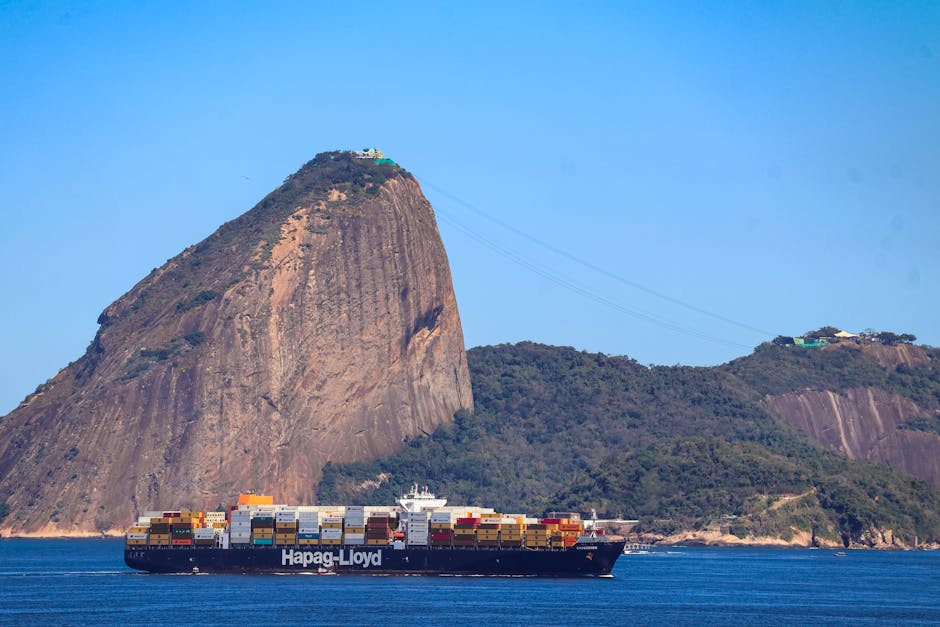 Easy
EasyRio de Janeiro, Brazil
Discover Rio's literary soul on this self-guided walk through historic libraries, ornate Belle Époque cafes, and iconic bookstores in Centro.
 Easy
EasyKrakow, Poland
Explore the prestigious Jagiellonian University district, featuring Neo-Gothic architecture, Baroque churches, and Krakow's hidden scholarly gems.
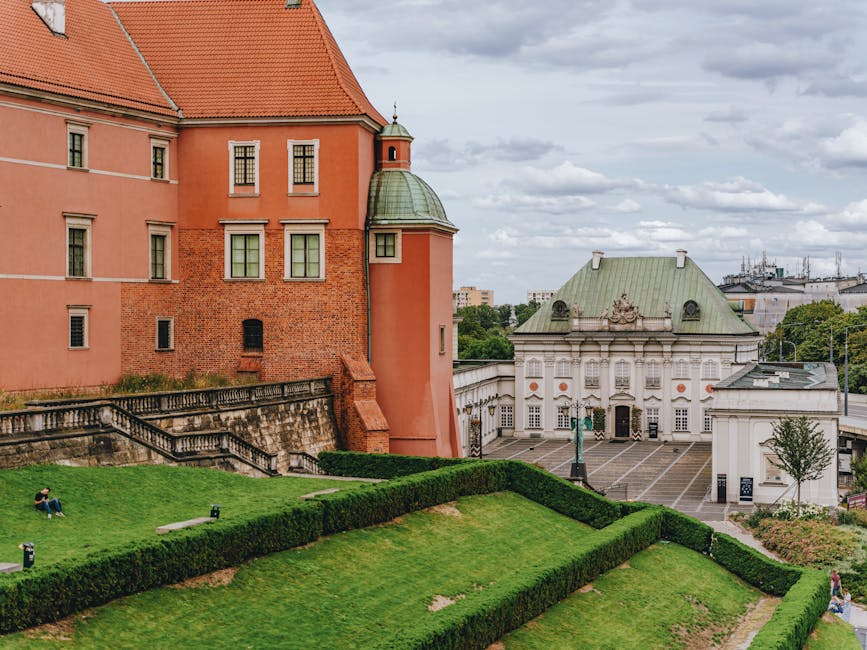 Easy
EasyWarsaw, Poland
Follow the life of Fryderyk Chopin through Warsaw’s historic center. See where he lived, studied, and where his heart remains today.
 Easy
EasyHelsinki, Finland
Discover Helsinki's oldest neighborhood on this self-guided audio walk through Kruununhaka’s historic streets, hidden courtyards, and scenic shores.
 Easy
EasyGothenburg, Sweden
Discover Gothenburg’s 17th-century Dutch foundations, historic canals, and military fortifications on this self-guided architectural walk.
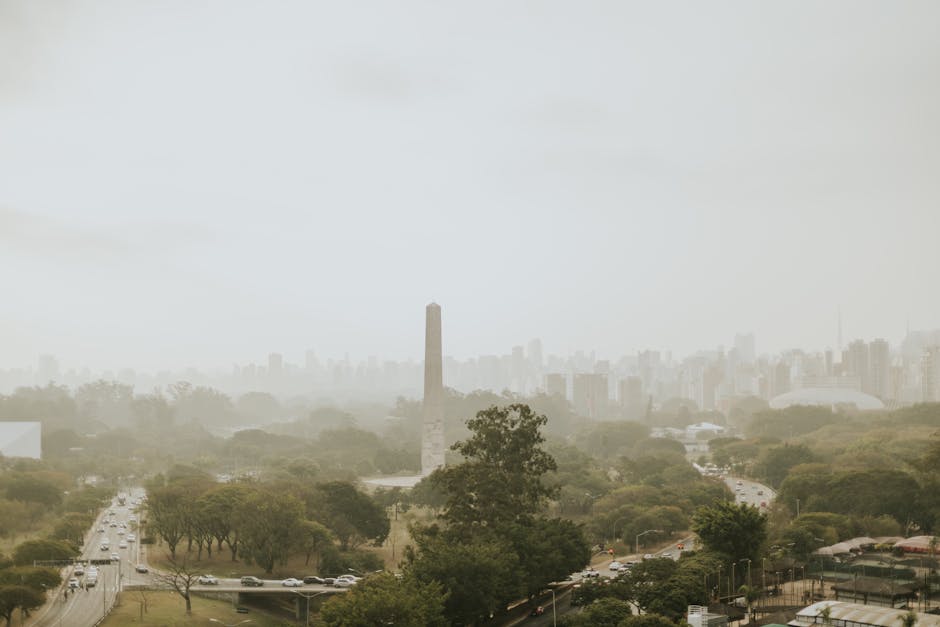 Moderate
Sao Paulo, Brazil
Discover the flowing concrete curves and modernist masterpieces of Oscar Niemeyer on this self-guided walk through São Paulo’s premier urban park.
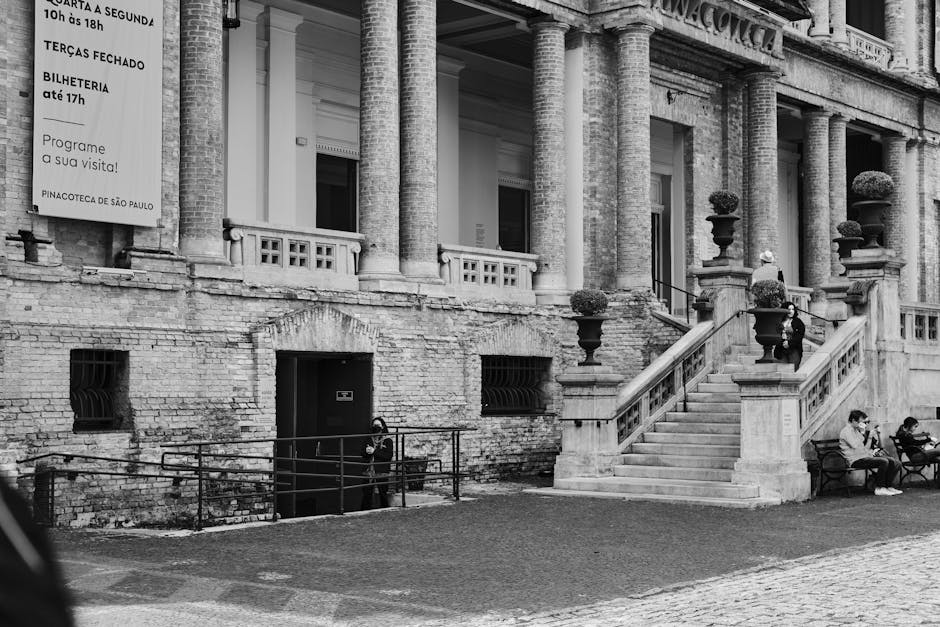 Easy
EasySao Paulo, Brazil
Explore the world's largest Japanese diaspora. A self-guided walk through Sao Paulo's vibrant Liberdade district, rich in history, food, and culture.
 Easy
EasySao Paulo, Brazil
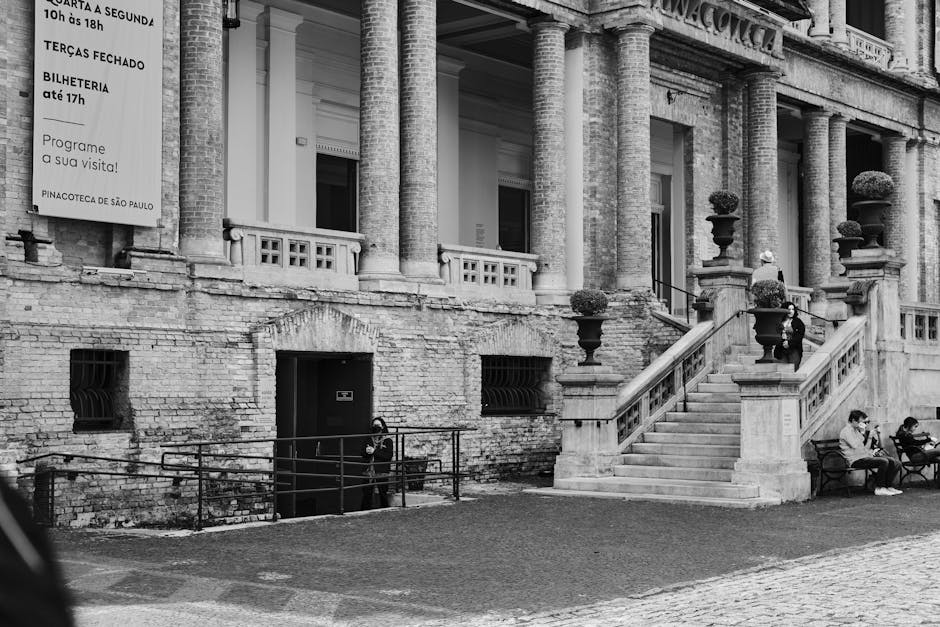
Discover the art, history, and British-inspired architecture of São Paulo’s historic Luz district on this immersive self-guided walk.
 Easy
EasySao Paulo, Brazil
Discover Sao Paulo's historic heart and vibrant food scene on this self-guided walk through the Old Center and the legendary Mercadão.