Self-guided audio tour in Rio de Janeiro
Start Free on iPhone
Start free on iPhone to unlock this self-guided walking tour in Rio de Janeiro. Hear all the stories that make it amazing, walk at your own pace, and begin whenever you want.
Your Private Tour Guide
Ipanema is more than just a world-famous beach; it is the cradle of a musical revolution that redefined Brazil's cultural identity. In the late 1950s, a group of middle-class students and musicians in this neighborhood blended the rhythmic complexity of samba with the sophisticated harmonies of jazz to create Bossa Nova. This self-guided walk invites you to step into the world of Tom Jobim and Vinícius de Moraes, exploring the very streets and bars where the 'new trend' was born. As you move through the heart of Ipanema, you will discover how the salt air and urban elegance of Rio de Janeiro influenced a sound that conquered the globe. This neighborhood stroll captures the spirit of a golden era in Brazilian history. You will visit the legendary bar where the lyrics to 'The Girl from Ipanema' were penned, explore a dedicated music temple filled with rare vinyl, and stand before the statue of the man who gave the movement its soul. The route also takes you to the breathtaking Arpoador, where the rhythm of the waves serves as a natural soundtrack to your journey. Whether you are a dedicated jazz enthusiast or a first-time visitor to Rio, this walking route offers a deep dive into the poetic and melodic landscape of the city. Beyond the music, you will experience the modern pulse of Ipanema, from its bustling squares to its quiet literary corners. This walking tour Rio de Janeiro provides a flexible way to engage with history without the constraints of a group. You can pause for a caipirinha at a historic haunt or linger at the beach to watch the sunset, all while learning about the artists who turned Rio into a symbol of cool. By the time you reach the final stop, you will understand why Bossa Nova remains the heartbeat of this vibrant seaside community.
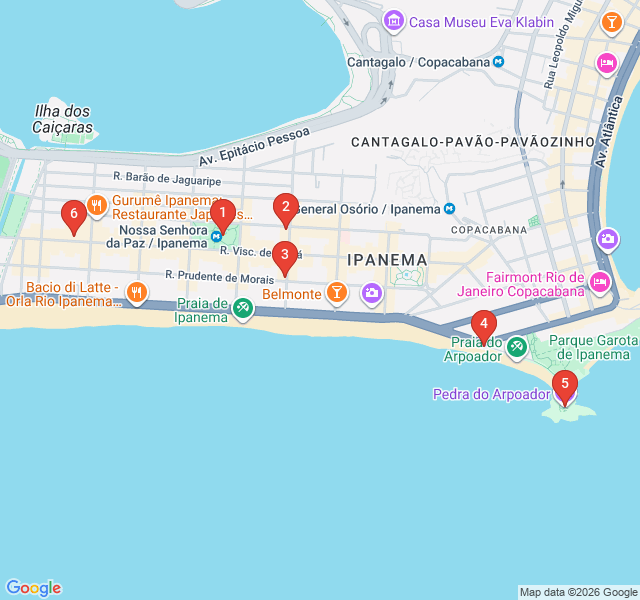
Numbers indicate the order of stops on the tour.
Welcome to the heart of Ipanema. This leafy square, named after Our Lady of Peace, has served as a social anchor for the neighborhood since the early 20th century. In the 1950s and 60s, this was a primary meeting point for the intellectual elite and the young musicians who would eventually create Bossa Nova. As you walk through the park, notice the elegant landscaping and the pond. This area represents the 'urban' side of the Bossa Nova lifestyle—sophisticated, relaxed, and deeply connected to the surrounding community. It’s the perfect place to begin your self-guided adventure, soaking in the atmosphere that inspired lyrics about love, longing, and the everyday beauty of Rio life.
This isn't just a shop; it’s a sanctuary dedicated to the 'Poet of Passion,' Vinícius de Moraes. Toca do Vinícius is an essential stop for anyone wanting to understand the depth of Bossa Nova. Inside, you’ll find a treasure trove of vinyl records, rare books, and memorabilia. Vinícius was a diplomat, a poet, and a lyricist who provided the soul for Tom Jobim’s melodies. The shop captures the intimacy of the movement, which was often played in small apartments and dimly lit bars rather than grand concert halls. Feel free to browse the collection and perhaps pick up a recording of 'Chega de Saudade' to carry the spirit of Ipanema with you.
You are standing at a site of musical legend. Originally called Bar Veloso, this is where Tom Jobim and Vinícius de Moraes sat in 1962, watching a young woman named Helô Pinheiro walk toward the beach. Inspired by her 'sweet sway,' they composed 'The Girl from Ipanema,' which became the second most recorded pop song in history. The bar was later renamed in honor of the song. Take a look at the walls inside, which are adorned with sheet music and photos from that era. While it’s now a popular spot for visitors, it remains a cornerstone of Rio’s cultural history, marking the exact moment Bossa Nova went from a local trend to a global phenomenon.
As you reach the edge of the sand at Arpoador, you’ll find the bronze likeness of Antônio Carlos Jobim, known affectionately as Tom. Created by sculptor Christina Motta, the statue depicts Jobim in his prime, slinging a guitar over his shoulder as he walks along the beach he loved so much. Jobim was the architect of Bossa Nova’s sound, blending classical training with the syncopation of samba. This location is significant because Jobim was a frequent visitor to these shores, often finding melodic inspiration in the sound of the Atlantic. It’s a quiet, powerful tribute to the man who convinced the world that Brazil was a land of 'infinite desire.'
Pedra do Arpoador is the rocky outcrop that separates Ipanema from Copacabana. In the world of Bossa Nova, nature and music are inseparable, and there is no better place to experience that connection than here. This spot is famous for its breathtaking sunsets, where locals gather to applaud as the sun dips behind the 'Two Brothers' mountains. The rhythm of the tide here is said to have influenced the swaying beat of the music you’ve been learning about. Take a moment to sit on the rocks and look back at the sweep of Ipanema beach. It’s easy to see why this landscape inspired so many verses about beauty and the passing of time.
To conclude your journey, head slightly inland to Livraria da Travessa. This bookstore is a modern cultural hub that keeps the intellectual spirit of the Bossa Nova era alive. The movement was always as much about poetry and literature as it was about music. Travessa is known for its curated selection of Brazilian art, history, and music books. It’s a peaceful place to reflect on your walk through Ipanema. The sophisticated, multi-level layout reflects the modern elegance of the neighborhood today. Grab a coffee in the upstairs cafe and toast to the poets and musicians who turned these streets into a song known around the world.
Start Free on iPhone
Explore “Bossa Nova Beats: The Birth of a Sound” with your very own Private Tour Guide with Zigway. Start free on iPhone, skip the large group and the fixed routes, and hear the city come alive as you go.
Your Private Tour Guide
Don't miss the good stuff
Explore Freely
 Easy
EasyRio de Janeiro, Brazil
Explore the world's largest murals and futuristic architecture in Rio's revitalized port on this vibrant self-guided walking route.
 Easy
EasyRio de Janeiro, Brazil
Discover the 'BotaSoho' vibe on this self-guided food and nightlife stroll through Rio's most creative neighborhood.
 Easy
EasyRio de Janeiro, Brazil
Discover the former seat of Brazilian power on this self-guided walk through the palaces, gardens, and presidential history of Catete and Glória.
 Easy
EasyRio de Janeiro, Brazil
Discover Rio's literary soul on this self-guided walk through historic libraries, ornate Belle Époque cafes, and iconic bookstores in Centro.
 Easy
EasyNairobi, Kenya
Explore Nairobi's architectural evolution from colonial-era landmarks to iconic Brutalist skyscrapers on this historic self-guided walking route.
 Easy
EasyNairobi, Kenya
Discover Nairobi's iconic skyline on this self-guided architecture walk through the CBD’s most famous modernist and Brutalist landmarks.
 Easy
EasyWarsaw, Poland
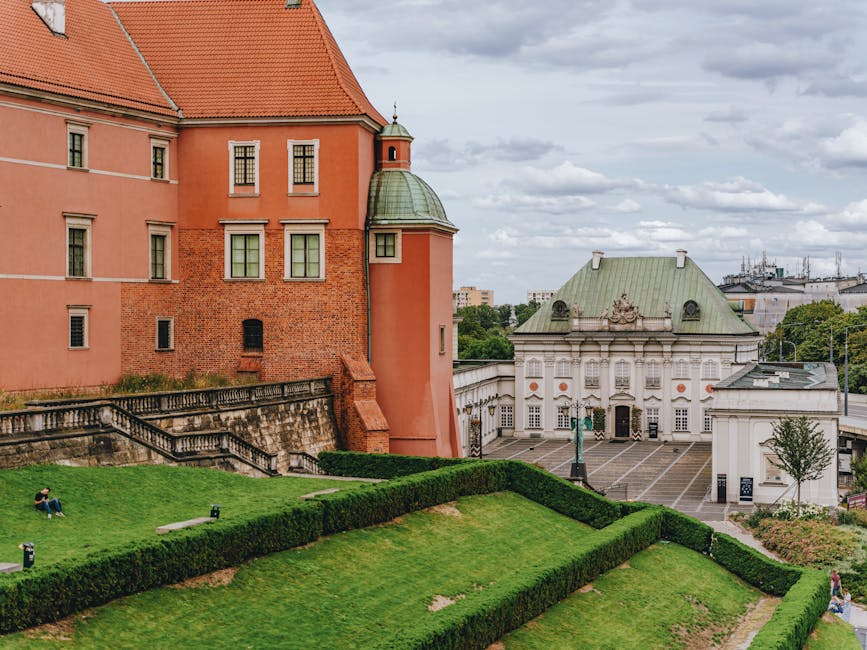
Follow the life of Fryderyk Chopin through Warsaw’s historic center. See where he lived, studied, and where his heart remains today.
 Easy
EasyGothenburg, Sweden
Discover Gothenburg’s 17th-century Dutch foundations, historic canals, and military fortifications on this self-guided architectural walk.
 Moderate
Sao Paulo, Brazil
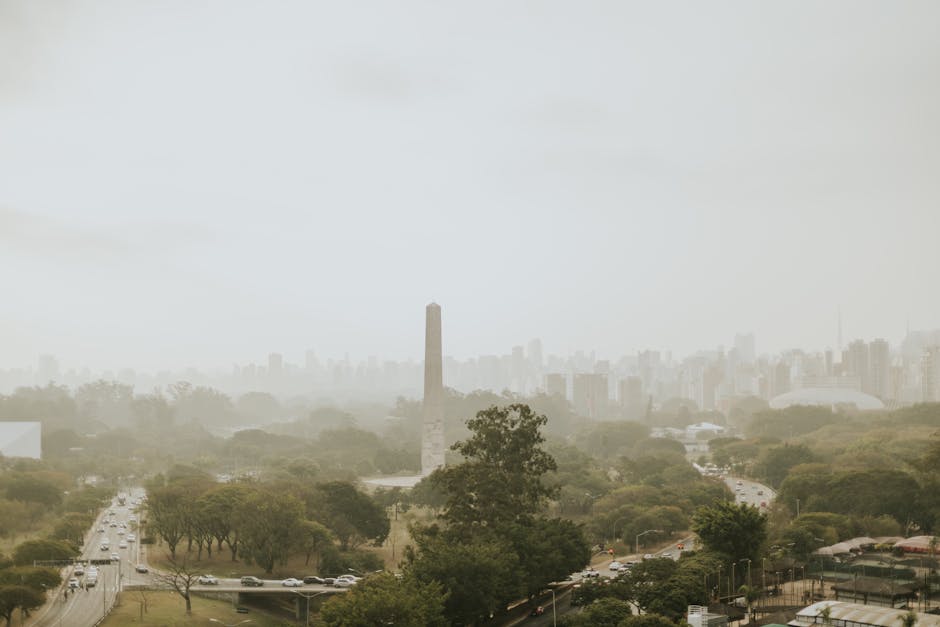
Discover the flowing concrete curves and modernist masterpieces of Oscar Niemeyer on this self-guided walk through São Paulo’s premier urban park.
 Easy
EasySao Paulo, Brazil
Explore the world's largest Japanese diaspora. A self-guided walk through Sao Paulo's vibrant Liberdade district, rich in history, food, and culture.
 Easy
EasySao Paulo, Brazil
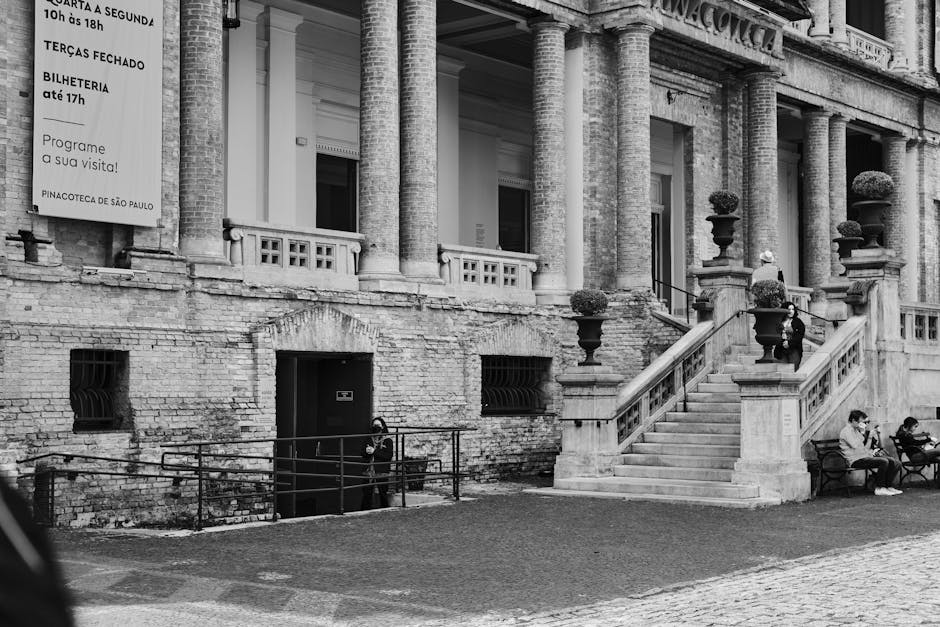
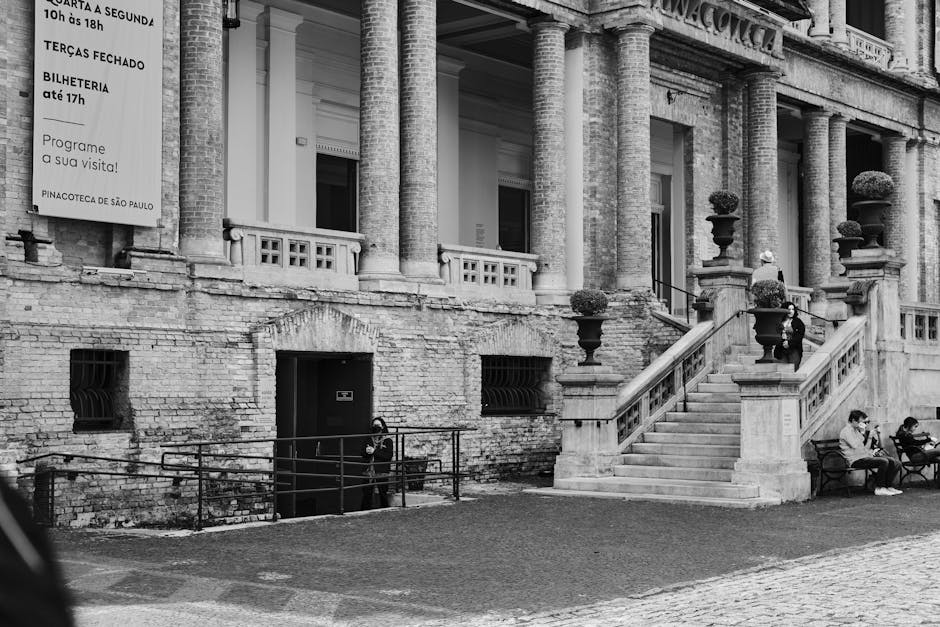
Discover the art, history, and British-inspired architecture of São Paulo’s historic Luz district on this immersive self-guided walk.
 Easy
EasySao Paulo, Brazil
Discover Sao Paulo's historic heart and vibrant food scene on this self-guided walk through the Old Center and the legendary Mercadão.