Self-guided audio tour in Pittsburgh
Start Free on iPhone
Start free on iPhone to unlock this self-guided walking tour in Pittsburgh. Hear all the stories that make it amazing, walk at your own pace, and begin whenever you want.
Your Private Tour Guide
Discover the fascinating evolution of one of Pittsburgh’s most dynamic neighborhoods with this self-guided walking route through Lawrenceville. Long before it became the 'Brooklyn of Pittsburgh,' this area was a vital industrial engine and a pivotal site during the American Civil War. This neighborhood stroll takes you along the bustling corridor of Butler Street, where the legacy of iron and steel meets a modern wave of creativity. You will explore how 19th-century church architecture has been reimagined for social gatherings and how a tragic wartime explosion shaped the local landscape. This walking tour Pittsburgh residents and visitors alike enjoy offers a perfect blend of high-stakes history and contemporary artisan culture. As you navigate the route, you’ll encounter iconic murals that celebrate the city's blue-collar roots and visit a historic cemetery that feels more like a grand Victorian park. The walk highlights the adaptive reuse of industrial spaces, showcasing how former warehouses and neighborhood taverns have transformed into world-class music venues and independent cinemas. Whether you are interested in the somber stories of the Allegheny Arsenal or the vibrant energy of the local arts scene, this self-guided adventure provides a comprehensive look at the neighborhood's transition from an industrial powerhouse to a haven for artisans. While a traditional guided tour Pittsburgh might offer a fixed schedule, this audio walk allows you to linger at a craft brewery or browse local boutiques at your own pace. By the time you reach the grand gates of Allegheny Cemetery, you will have a deep appreciation for the grit and resilience that define Lawrenceville’s unique character. **Note:** This area is known for its ever-changing character. Street art, pop-up venues, and temporary exhibitions may differ from what's described. That's part of the adventure - you might discover something entirely new!
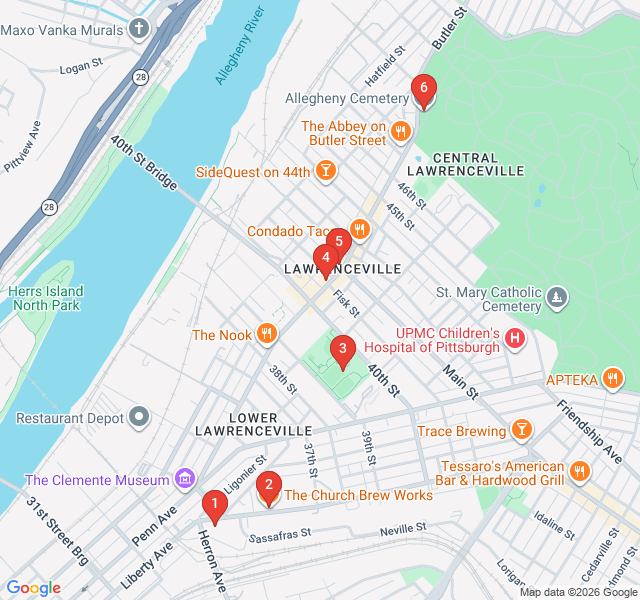
Numbers indicate the order of stops on the tour.
Bayer's Iron City Beer Mural is a vibrant landmark celebrating Pittsburgh's brewing legacy. Iron City Beer, once the staple of the city’s working class, is synonymous with the industrial identity of Lawrenceville. This mural serves as a bridge between the neighborhood's blue-collar past and its colorful, creative present. While street art in urban environments is subject to change or restoration, this piece captures the spirit of the 'Steel City' and its love for local traditions. As you stand here, notice how the surrounding warehouses have been repurposed into studios and lofts, signaling the area's ongoing evolution from heavy industry to a hub for artisans and entrepreneurs.
This stop showcases one of the most famous examples of adaptive reuse in the United States. Originally St. John the Baptist Church, built in 1902, the building was deconsecrated and transformed into a brewery and restaurant in 1996. Inside, the massive steel and copper brewing tanks are positioned where the altar once stood, and the original pews still serve as seating for guests. It’s a testament to Lawrenceville’s ability to preserve its architectural history while embracing new social functions. The Gothic Revival architecture, with its stained glass and soaring arches, provides a dramatic backdrop for a neighborhood that values craftsmanship in both building and brewing.
Arsenal Park may look like a peaceful green space today, but it holds a somber place in American history. This was the site of the Allegheny Arsenal, a major supply hub for the Union Army during the Civil War. In 1862, the site suffered the worst civilian disaster of the war when a series of explosions ripped through the laboratory, killing 78 workers, most of them young women. Today, the park serves as a community anchor, featuring tennis courts and playgrounds, but the stone walls and historical markers remind visitors of the neighborhood's vital and tragic role in the nation's defense. It’s a quiet spot to reflect on the industrial grit that defined early Lawrenceville.
The Thunderbird Cafe & Music Hall is a cornerstone of the Lawrenceville music scene. Originally a neighborhood tavern, it underwent a massive expansion to become a premier mid-sized venue while retaining its industrial, intimate charm. The venue reflects the neighborhood's transition into a nightlife and entertainment destination, hosting everything from local blues acts to national touring bands. Its multi-level layout and exposed brickwork are quintessential Lawrenceville, blending the area’s rough-around-the-edges history with a sophisticated modern sound system. It’s a vital part of the 'artisan' side of the neighborhood, where the craft isn’t just in beer or food, but in live performance and community gathering.
Row House Cinema is a beloved independent movie theater that perfectly encapsulates the quirky, community-driven spirit of Lower Lawrenceville. Unlike massive multiplexes, this single-screen theater focuses on weekly themes—ranging from '90s Nostalgia' to 'Global Horror'—offering a curated experience for film lovers. The theater is deeply integrated into the local culture, often collaborating with adjacent businesses for special events. The building itself is part of a traditional Pittsburgh 'row,' a style of architecture that dominates the residential streets nearby. It highlights the neighborhood's shift toward becoming a walkable, cultural destination where independent businesses thrive by offering something unique and personal to residents.
Founded in 1844, Allegheny Cemetery is one of the oldest and largest burial grounds in Pennsylvania. Designed in the 'rural cemetery' style, it was intended to be as much a public park and arboretum as a place of rest. As you wander through the winding paths, you’ll encounter stunning Victorian funerary art and the final resting places of Pittsburgh legends, including songwriter Stephen Foster and actress Lillian Russell. The cemetery’s rolling hills and grand monuments offer a peaceful contrast to the bustling Butler Street. It serves as a permanent record of the city's wealth and influence during the industrial age, providing a grand and reflective conclusion to your exploration of Lawrenceville’s history.
Start Free on iPhone
Explore “Lawrenceville: From Arsenal to Artisans” with your very own Private Tour Guide with Zigway. Start free on iPhone, skip the large group and the fixed routes, and hear the city come alive as you go.
Your Private Tour Guide
Don't miss the good stuff
Explore Freely
 Easy
EasyPittsburgh, United States
Explore the dramatic transformation of Pittsburgh's East Liberty through its Gilded Age architecture and vibrant modern art scene.
 Easy
EasyPittsburgh, United States
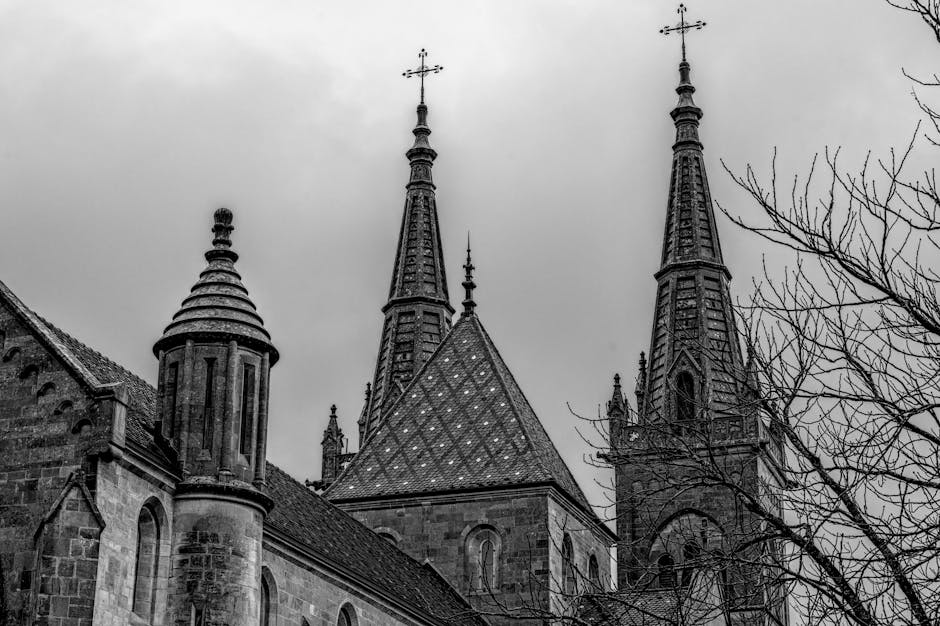
Taste the heart of the Steel City on this self-guided audio walk through the legendary markets and eateries of Pittsburgh's vibrant Strip District.
 Easy
EasyPittsburgh, United States
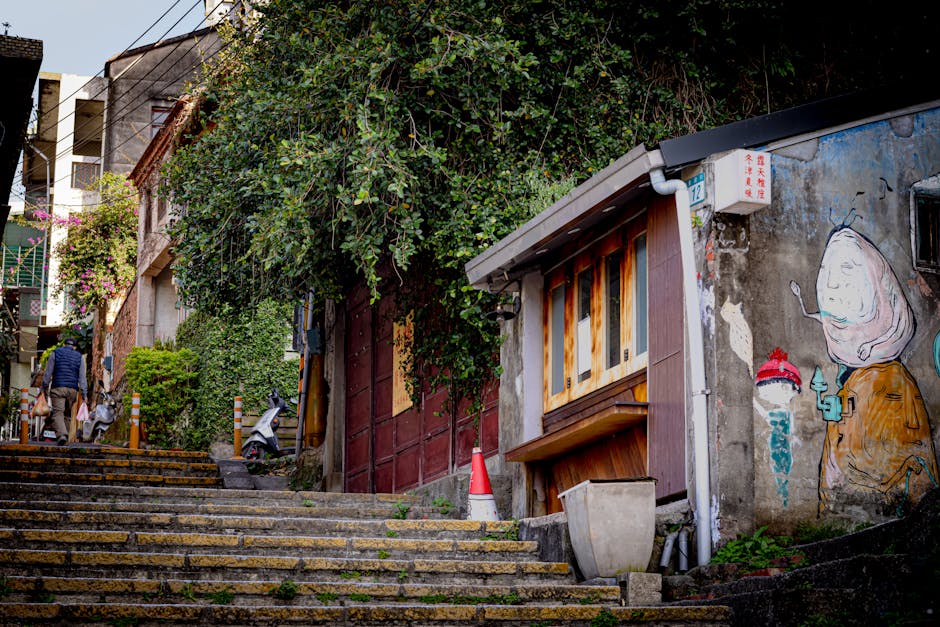
Explore Pittsburgh's Gilded Age grandeur and modern glass spires on this self-guided architecture walk through the historic Golden Triangle.
 Moderate
Pittsburgh, United States
Explore Pittsburgh's vibrant history and hidden gems from Downtown to the heights of Polish Hill and the grandeur of Oakland on this audio walk.
 Easy
EasyGothenburg, Sweden
Explore Gothenburg's maritime soul on this self-guided walk from historic shipyards to sleek modern piers and iconic industrial landmarks.
 Easy
EasyKrakow, Poland
Discover Krakow’s creative soul in Zabłocie, exploring industrial heritage, contemporary art museums, and avant-garde architecture at your own pace.
 Easy
EasyVienna, Austria
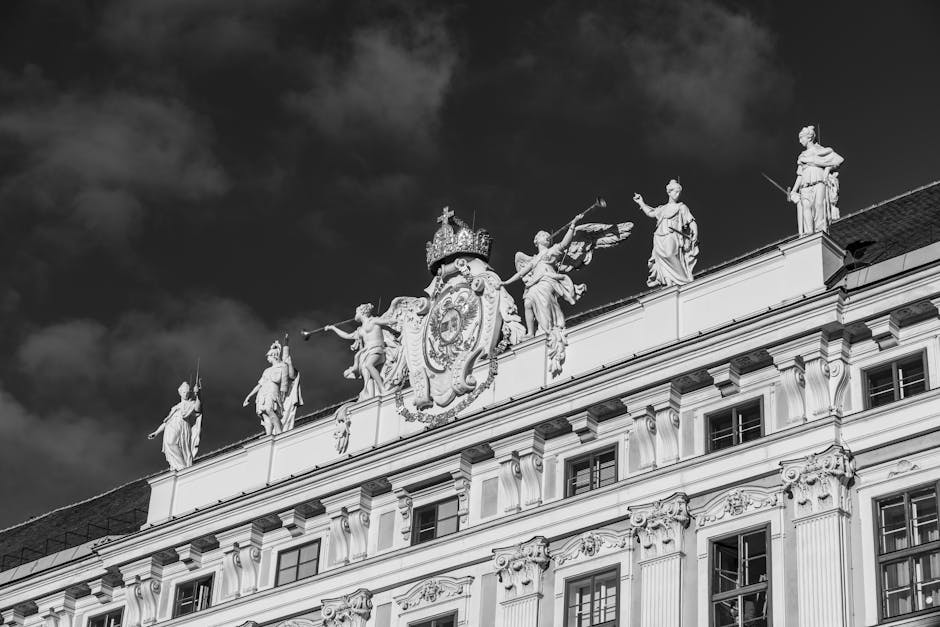
Explore Vienna’s vibrant open-air gallery along the Danube Canal on this self-guided street art and nightlife stroll through Leopoldstadt.
 Easy
EasyNairobi, Kenya
Discover Nairobi’s literary soul on this self-guided walk through historic libraries, iconic bookshops, and cultural centers in the heart of the CBD.
 Easy
EasyNashville, United States
Explore the 'Athens of the South' on this self-guided walk through Centennial Park, featuring the world's only full-scale Parthenon replica.
 Easy
EasyNashville, United States
Explore Nashville's academic heart and Art Deco gems on this self-guided walk through historic Hillsboro Village.
 Easy
EasyNashville, United States
Explore the heart of Nashville's music industry. Discover iconic studios and the history of the legendary Nashville Sound at your own pace.
 Easy
EasyNashville, United States
Explore Nashville's oldest neighborhood! Discover Victorian architecture, Civil War history, and world-class craft beer on this self-guided walk.