Self-guided audio tour in Nashville
Start Free on iPhone
Start free on iPhone to unlock this self-guided walking tour in Nashville. Hear all the stories that make it amazing, walk at your own pace, and begin whenever you want.
Your Private Tour Guide
Nashville is famously known as Music City, but long before the neon lights of Broadway took over, it earned the nickname 'Athens of the South.' This self-guided walk invites you to explore the roots of that classical identity through the lush landscapes and grand monuments of Centennial Park. Your journey begins at the edge of Vanderbilt University, a cornerstone of Nashville’s academic reputation, before transitioning into the rolling greens of the city’s premier urban park. As you wander through this historic space, you will uncover the story of the 1897 Tennessee Centennial Exposition, an event that transformed this former race track into a world-class cultural destination. The centerpiece of the route is the awe-inspiring Parthenon, the world’s only full-scale replica of the ancient Greek masterpiece. Beyond the architecture, this neighborhood stroll highlights Nashville’s commitment to the arts, from the outdoor stage at Musicians Corner to the creative hub within the Centennial Park Art Center. Whether you are interested in the intricate details of Doric columns or simply looking for a peaceful escape into nature, this walking route offers a perfect blend of education and relaxation. You can explore at your own pace, stopping to watch the ducks on Lake Watauga or sitting on a bench to soak in the atmosphere. This experience is designed for those who want to understand the deeper historical layers of Nashville beyond the country music scene. By the end of this self-guided adventure, you will see how the city's dedication to learning and classical beauty continues to thrive in the 21st century. It is an essential route for first-time visitors and locals alike who want to experience the quiet majesty of the West End.

Numbers indicate the order of stops on the tour.
Welcome to the edge of Vanderbilt University, a private research university founded in 1873. The school was established with a one-million-dollar gift from 'Commodore' Cornelius Vanderbilt, who hoped the institution would help heal the wounds of the Civil War. As you stand here at the gateway to the campus, you are looking at one of the primary reasons Nashville became known as the 'Athens of the South.' The city’s high concentration of colleges and universities in the late 19th century drew parallels to the intellectual heart of ancient Greece. The campus itself is a national arboretum, featuring hundreds of species of trees and classic collegiate gothic architecture that sets the stage for the historic journey ahead.
Located in the southwest corner of the park, Musicians Corner is a testament to Nashville's living musical heritage. While much of the city's music history is tied to the Ryman or Broadway, this permanent outdoor stage serves as a community gathering spot for free concerts and local performers. Since 2010, this area has hosted hundreds of artists, continuing the tradition of public performance that has existed in this park since the 1890s. The open lawn and limestone tiered seating provide a modern contrast to the classical monuments nearby, reminding us that Nashville’s cultural identity is constantly evolving while staying rooted in its artistic foundations.
This monument marks the legacy of the 1897 Tennessee Centennial Exposition. Originally, this land was a state fairground and a horse racing track known as West End Park. In 1897, Tennessee celebrated its 100th anniversary of statehood by hosting a massive six-month world’s fair right here. Over 1.8 million people visited to see pavilions representing various industries and cultures. While most of the exposition buildings were temporary structures made of plaster and wood, the success of the event led the city to preserve the land as a public park. This spot serves as a bridge between Nashville's 19th-century ambitions and its modern-day role as a center for tourism and recreation.
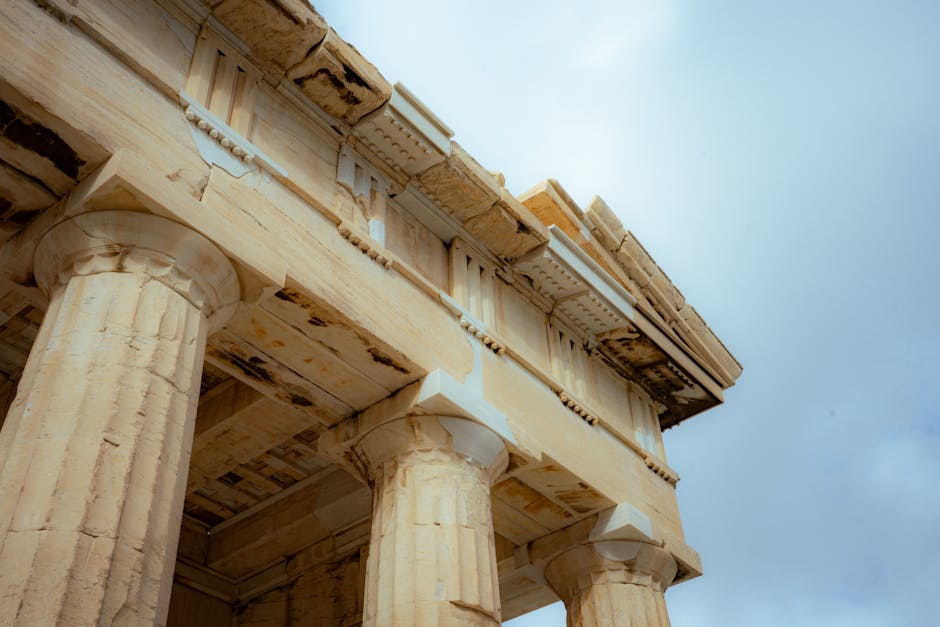
Standing before you is the crown jewel of Nashville: the Parthenon. Built for the 1897 Exposition, this was the only building intended to be a full-scale, exact replica of the original in Athens, Greece. Because Nashville was the 'Athens of the South,' a tribute to the goddess Athena was deemed essential. The original 1897 version was temporary, but it was so beloved by locals that it was rebuilt in permanent concrete starting in 1920. Every detail, from the Doric columns to the plaster casts of the 'Elgin Marbles' in the pediments, is historically accurate. Inside stands a 42-foot statue of Athena, the tallest indoor statue in the Western world, though the exterior alone is enough to transport you back to the Golden Age of Pericles.
Known officially as Lake Watauga, this man-made body of water was a central feature of the 1897 Exposition. During the fair, it was used for gondola rides and aquatic displays. Today, it offers a peaceful habitat for ducks, geese, and turtles. The walking path around the lake provides some of the best vantage points for photographing the Parthenon, as the building reflects beautifully on the water's surface during a calm day. It is a perfect example of the 'City Beautiful' movement of the early 20th century, which aimed to introduce beautification and monumental grandeur into urban spaces to promote social harmony.
Your final stop is the Centennial Park Art Center. This building has a fascinating history: it was originally constructed in 1932 as the park’s swimming pool and bathhouse. You can still see the Mediterranean-style architecture that was popular for public works during that era. In the early 1970s, the facility was converted into a community art gallery and studio space. Today, it hosts rotating exhibitions of local artists and offers classes in pottery and painting. It symbolizes the transformation of Centennial Park from a site of grand temporary spectacle into a permanent home for the Nashville community's creative spirit.
Start Free on iPhone
Explore “The Athens of the South: Centennial Park” with your very own Private Tour Guide with Zigway. Start free on iPhone, skip the large group and the fixed routes, and hear the city come alive as you go.
Your Private Tour Guide
Don't miss the good stuff
Explore Freely
 Easy
EasyNashville, United States
Explore Nashville's academic heart and Art Deco gems on this self-guided walk through historic Hillsboro Village.
 Easy
EasyNashville, United States
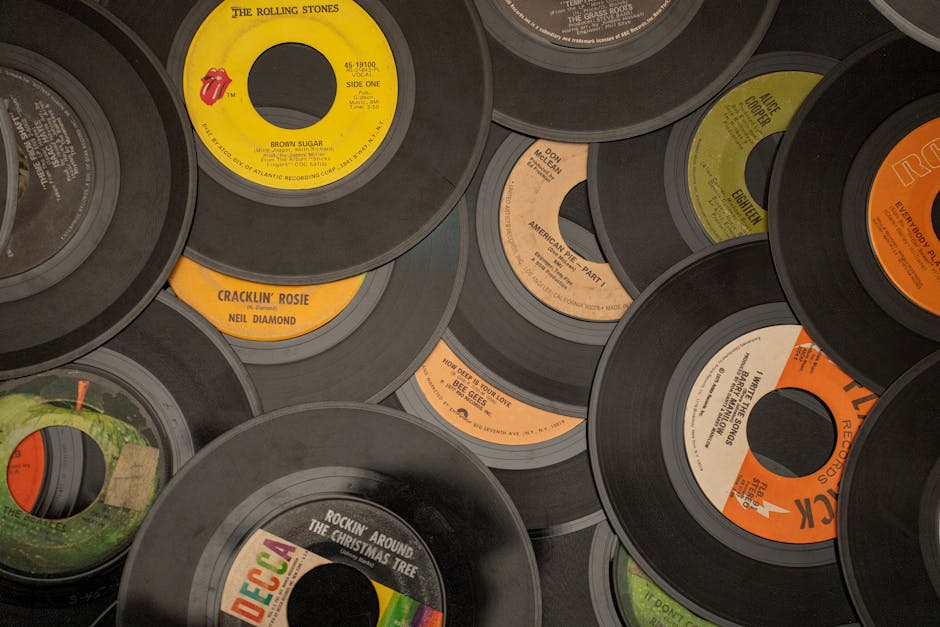
Explore the heart of Nashville's music industry. Discover iconic studios and the history of the legendary Nashville Sound at your own pace.
 Easy
EasyNashville, United States
Explore Nashville's oldest neighborhood! Discover Victorian architecture, Civil War history, and world-class craft beer on this self-guided walk.
 Easy
EasyNashville, United States
Discover Tennessee's history and musical heritage on this self-guided stroll from the Ryman Auditorium to the majestic Bicentennial Mall.
 Easy
EasyInnsbruck, Austria
Uncover the myths and legends of Innsbruck on this self-guided walk through the historic Altstadt and beyond.
 Easy
EasyGdansk, Poland
Discover the opulent Royal Way of Gdansk at your own pace. Explore Hanseatic history, gilded architecture, and the iconic Neptune's Fountain.
 Easy
EasyGdansk, Poland
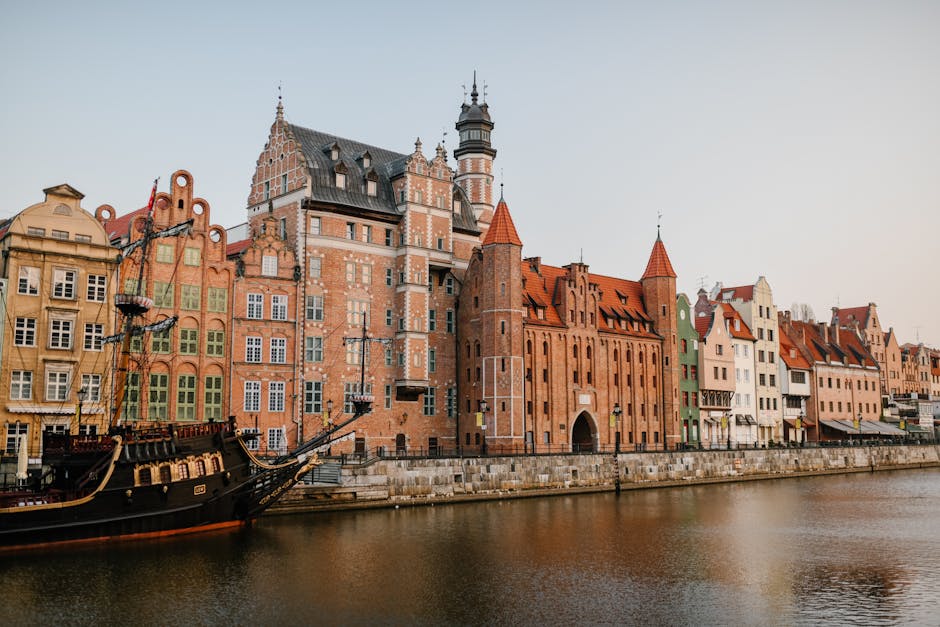
Discover the 'Baltic Gold' on this self-guided walk through Gdansk's historic mills, massive cathedrals, and the magical Mariacka Street.
 Easy
EasyGothenburg, Sweden
Discover Gothenburg’s 17th-century Dutch foundations, historic canals, and military fortifications on this self-guided architectural walk.
 Easy
EasyNew York City, United States
Explore the golden age of Manhattan architecture on this self-guided walk through Midtown's iconic Art Deco skyscrapers and historic landmarks.
 Easy
EasyNew York City, United States
Discover the literary legends, jazz haunts, and revolutionary history of Greenwich Village on this immersive self-guided walking route.
 Easy
EasyNew York City, United States
Explore Manhattan's transformation on this self-guided walk from the High Line to Hudson Yards.
 Easy
EasyNew York City, United States
Discover the world's finest cast-iron architecture and the evolution of fashion on this self-guided walking route through NYC's iconic SoHo district.