Self-guided audio tour in Pittsburgh
Start Free on iPhone
Start free on iPhone to unlock this self-guided walking tour in Pittsburgh. Hear all the stories that make it amazing, walk at your own pace, and begin whenever you want.
Your Private Tour Guide
East Liberty is a neighborhood that has lived many lives, evolving from an elite residential enclave to a commercial powerhouse, and finally into a cutting-edge tech and arts hub. This neighborhood stroll invites you to explore the dramatic transformation of Pittsburgh's East End, where Gilded Age grandeur meets modern industrial chic. As you navigate the streets, you will witness how historic landmarks have been repurposed to serve a new generation, reflecting the city's broader narrative of resilience and creativity. The route highlights the tension and harmony between the old and the new, from the towering spires of the 'Cathedral of Hope' to the tech-filled halls of a former cracker factory. Architecture enthusiasts will appreciate the diverse styles on display, including Gothic Revival, Neo-Classical, and sleek modern glass. The area is also a canvas for local expression; the Penn Avenue corridor serves as a backbone for the city's contemporary art scene. This self-guided walking route allows you to dive into the stories behind the facades, such as the legacy of jazz legends and the philanthropic impact of the Mellon family. Whether you are interested in the evolution of urban planning or simply want to soak in the vibrant atmosphere of one of the city's most talked-about districts, this experience provides a deep look into the heart of modern Pittsburgh. Beyond the buildings, you will find a neighborhood pulsing with energy, filled with local boutiques, innovative eateries, and public art that changes as frequently as the city itself. Start exploring with Zigway and see why East Liberty is a premier destination for those seeking a walking tour Pittsburgh experience that feels both historic and forward-looking. **Note:** This area is known for its ever-changing character. Street art, pop-up venues, and temporary exhibitions may differ from what's described. That's part of the adventure - you might discover something entirely new!
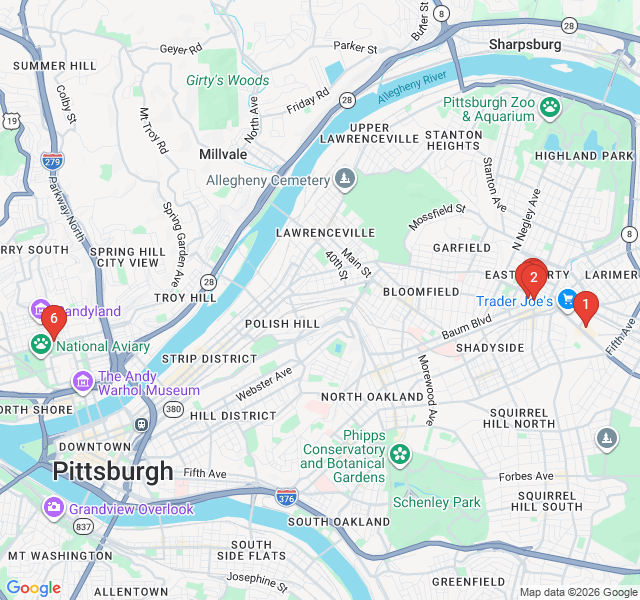
Numbers indicate the order of stops on the tour.
Begin your self-guided adventure at Bakery Square, a site that perfectly encapsulates the story of Pittsburgh’s economic rebirth. This massive complex was originally built in 1918 as a factory for the National Biscuit Company, better known as Nabisco. For decades, the scent of baking crackers and cookies filled the air here until the plant closed in the late 1990s. Today, the red-brick industrial facade has been masterfully preserved, but the interior has traded assembly lines for high-tech office spaces, most notably housing Google’s Pittsburgh headquarters. As you look around, notice how the sleek glass additions contrast with the historic masonry, symbolizing the shift from the industrial age to the information age.
Standing as a 'Cathedral of Hope' in the center of the neighborhood, this Gothic Revival masterpiece is one of the most significant religious structures in the United States. Completed in 1935, the church was a gift from Richard Beatty Mellon and his wife, Jennie King Mellon, as a memorial to their mothers. It was designed by Ralph Adams Cram, the same architect responsible for the Cathedral of St. John the Divine in New York City. The church is renowned for its intricate stone carvings, stunning stained glass, and a spire that dominates the skyline. It serves not just as a place of worship, but as a community anchor that has stood firm through the neighborhood's many fluctuations.
As you walk along Penn Avenue, keep your eyes open for the vibrant murals and installations that define this artistic corridor. This area has become a focal point for the city's creative class, where walls serve as rotating canvases for local and international artists. The themes here often reflect social justice, local history, and abstract expressionism. Because street art is ephemeral by nature, the specific murals you see today might be different from those seen a year ago, making each stroll a unique experience. This stretch of road is the heart of the 'Unblurred' gallery crawls, which occur on the first Friday of every month, drawing crowds to celebrate the neighborhood's creative pulse.
The Kelly Strayhorn Theater is a living tribute to two of Pittsburgh’s most famous artistic exports: dance legend Gene Kelly and jazz composer Billy Strayhorn. Originally opened in 1914 as the Regent Theatre, a silent film house, the venue underwent a significant restoration in the early 2000s. Today, it serves as a multi-disciplinary performing arts center that champions diverse voices and community-centric programming. The architecture retains its classic theater charm, serving as a reminder of the era when East Liberty was known as Pittsburgh’s 'Second Downtown.' It remains a vital cultural engine, ensuring that the performing arts stay at the forefront of the neighborhood's revitalized identity.
This impressive five-story structure was originally built in the 1920s as a YMCA. Its architecture is a blend of Neo-Classical and Gothic styles, featuring prominent brickwork and large arched windows. For years, it served as a community hub with a gymnasium and swimming pool before falling into disuse. In recent years, it gained international fame when it was converted into the Ace Hotel, a project that helped spark the modern luxury revitalization of East Liberty. Although the hotel brand has moved on, the building remains a landmark of adaptive reuse. Inside, many of the original YMCA features, like the gymnasium flooring, were preserved, blending historic character with a contemporary, hip aesthetic.
To reach Alphabet City, you will transition toward the North Side, but the journey is essential for understanding Pittsburgh’s literary art scene. This venue is the headquarters of City of Asylum, an organization that provides sanctuary to writers exiled from their home countries under threat of persecution. The building itself is a hub for free literary readings, jazz concerts, and community workshops. The surrounding streets are famous for 'House Publications'—murals where the facades of homes are covered in poetry and prose in various languages. It represents the intersection of art and human rights, providing a powerful conclusion to your exploration of how creativity can transform and heal a community.
Start Free on iPhone
Explore “East Liberty: Revitalization and Modern Art” with your very own Private Tour Guide with Zigway. Start free on iPhone, skip the large group and the fixed routes, and hear the city come alive as you go.
Your Private Tour Guide
Don't miss the good stuff
Explore Freely
 Easy
EasyPittsburgh, United States
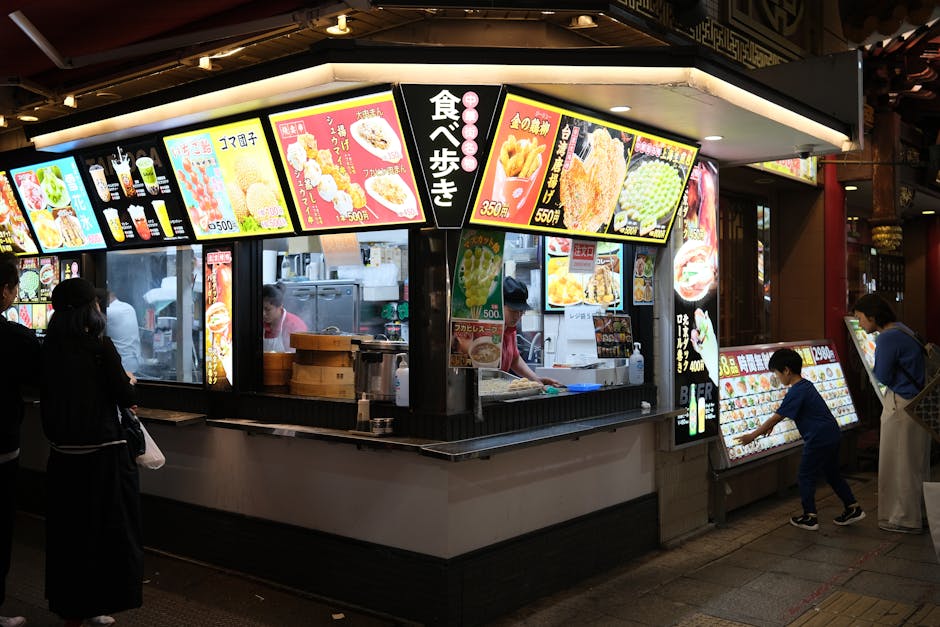
Taste the heart of the Steel City on this self-guided audio walk through the legendary markets and eateries of Pittsburgh's vibrant Strip District.
 Easy
EasyPittsburgh, United States
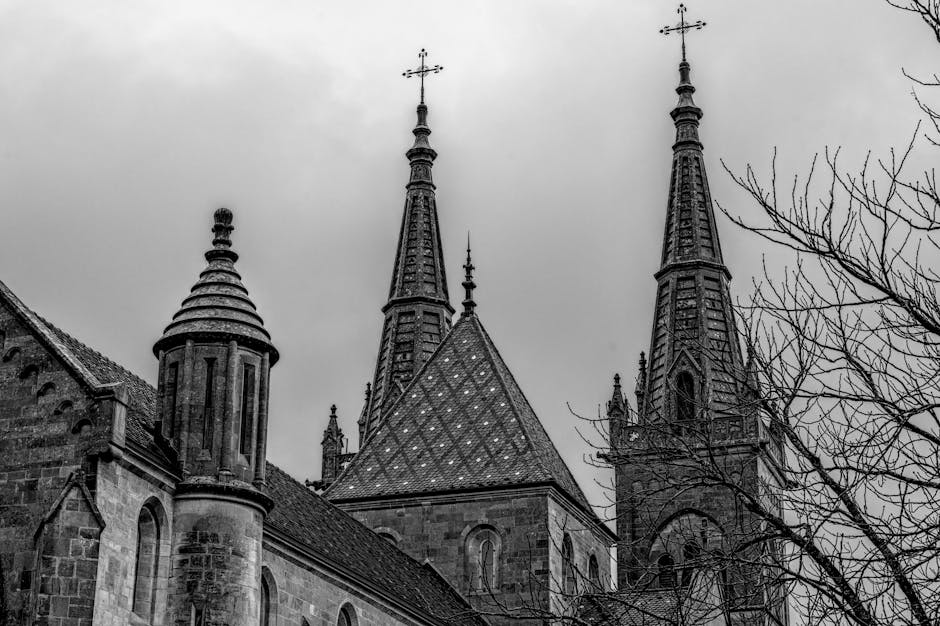
Explore Pittsburgh's Gilded Age grandeur and modern glass spires on this self-guided architecture walk through the historic Golden Triangle.
 Moderate
Pittsburgh, United States
Explore Pittsburgh's vibrant history and hidden gems from Downtown to the heights of Polish Hill and the grandeur of Oakland on this audio walk.
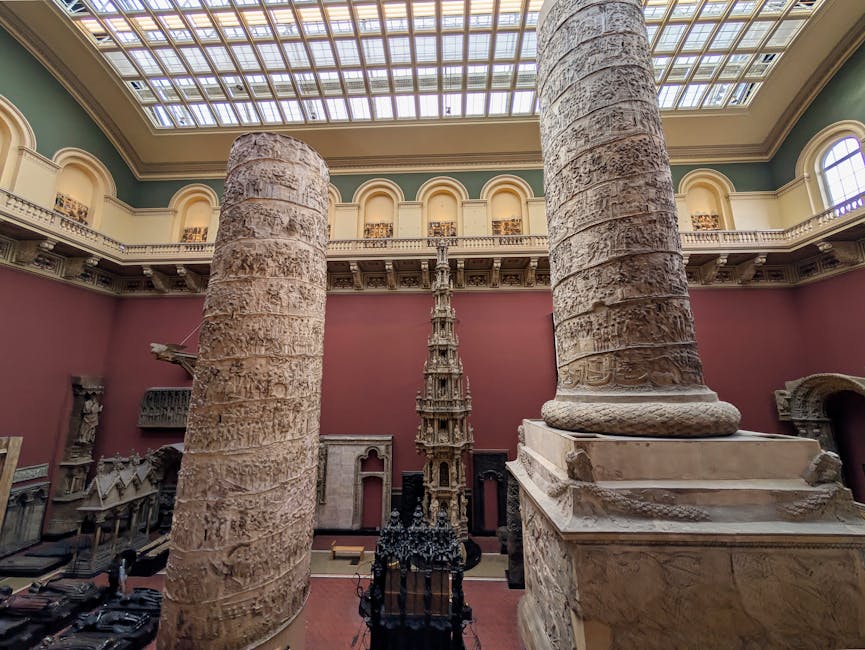 Moderate
Pittsburgh, United States
Explore the grand architecture and academic legacy of Pittsburgh's Oakland district on this self-guided audio walk through history.
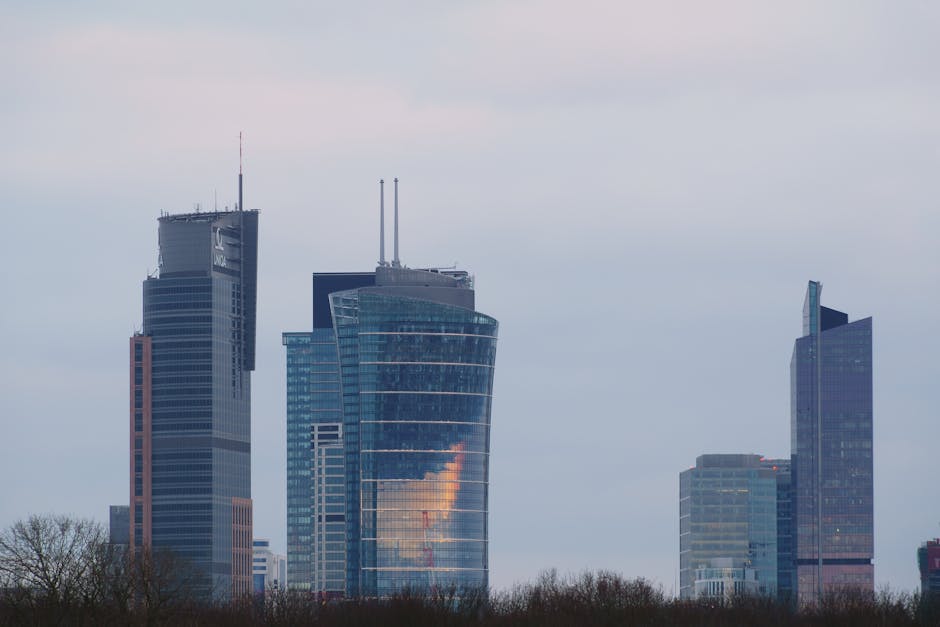 Easy
EasyWarsaw, Poland
Discover the hidden courtyards and grand pre-war architecture of Warsaw's most atmospheric neighborhood on this self-guided stroll.
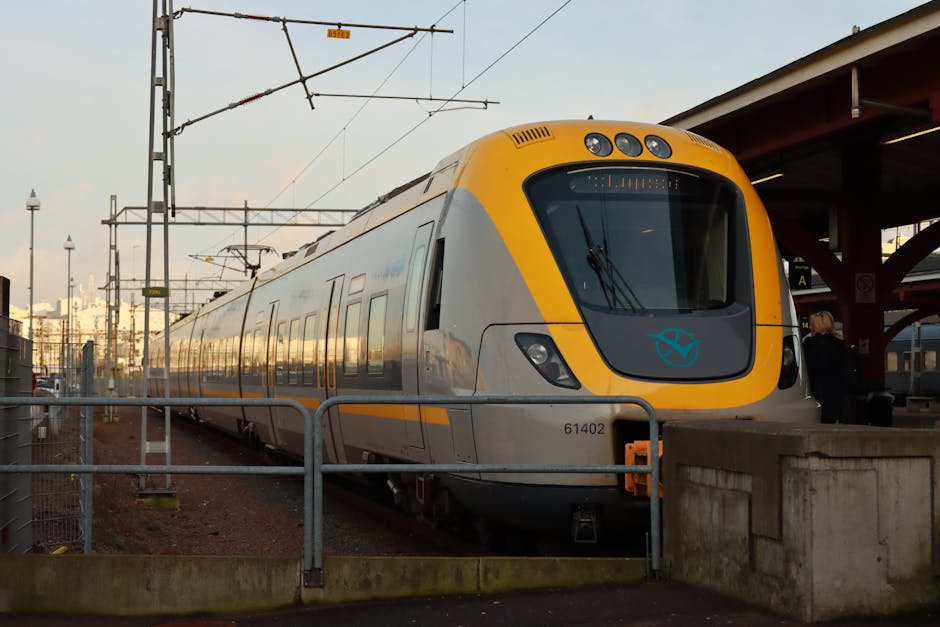 Easy
EasyGothenburg, Sweden
Explore Gothenburg's maritime soul on this self-guided walk from historic shipyards to sleek modern piers and iconic industrial landmarks.
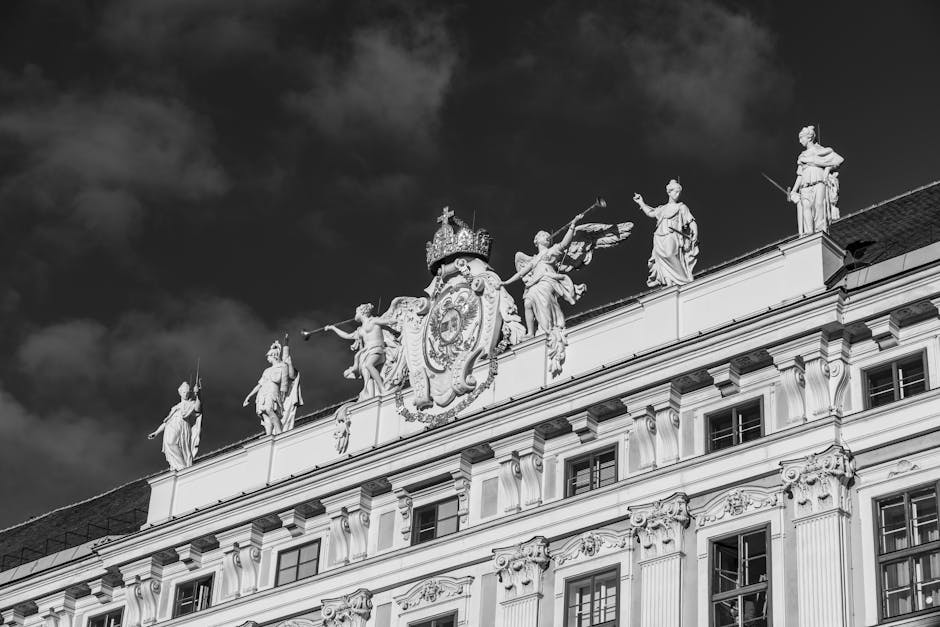 Easy
EasyVienna, Austria
Explore Vienna’s vibrant open-air gallery along the Danube Canal on this self-guided street art and nightlife stroll through Leopoldstadt.
 Easy
EasyNairobi, Kenya
Discover Nairobi’s literary soul on this self-guided walk through historic libraries, iconic bookshops, and cultural centers in the heart of the CBD.
 Easy
EasyNashville, United States
Explore the 'Athens of the South' on this self-guided walk through Centennial Park, featuring the world's only full-scale Parthenon replica.
 Easy
EasyNashville, United States
Explore Nashville's academic heart and Art Deco gems on this self-guided walk through historic Hillsboro Village.
 Easy
EasyNashville, United States
Explore the heart of Nashville's music industry. Discover iconic studios and the history of the legendary Nashville Sound at your own pace.
 Easy
EasyNashville, United States
Explore Nashville's oldest neighborhood! Discover Victorian architecture, Civil War history, and world-class craft beer on this self-guided walk.