Self-guided audio tour in Pittsburgh
Start Free on iPhone
Start free on iPhone to unlock this self-guided walking tour in Pittsburgh. Hear all the stories that make it amazing, walk at your own pace, and begin whenever you want.
Your Private Tour Guide
Discover the layers of the Steel City on this expansive self-guided walk that bridges the gap between the modern downtown skyline and the grit of its industrial past. This neighborhood stroll takes you from the bustling activity of Market Square through the artistic North Shore, into the historic Strip District, and up the steep, winding streets of Polish Hill. You will experience the diverse character of Pittsburgh, from the pop art legacy of Andy Warhol to the spiritual heights of the Immaculate Heart of Mary Church. This walking route is designed for those who want to see the real city—the hidden alleys, the community gardens, and the legendary dive bars that define local life. While many visitors stick to the city center, this exploration invites you to climb the hills and see the panoramic views that only locals usually enjoy. Along the way, you will encounter world-class museums and quirky street art, showcasing the neighborhood history that makes Pittsburgh unique. This is not a standard walking tour Pittsburgh visitors usually find; it is a deep dive into the city's soul. Whether you are interested in the architectural grandeur of the Carnegie Museums or the colorful folk art of Randyland, this route offers a comprehensive look at the city's evolution. Start exploring with Zigway and see how the city's ethnic heritage and industrial roots have transformed into a modern cultural powerhouse. This experience is perfect for those seeking a guided tour Pittsburgh style—independent, flexible, and full of surprises.
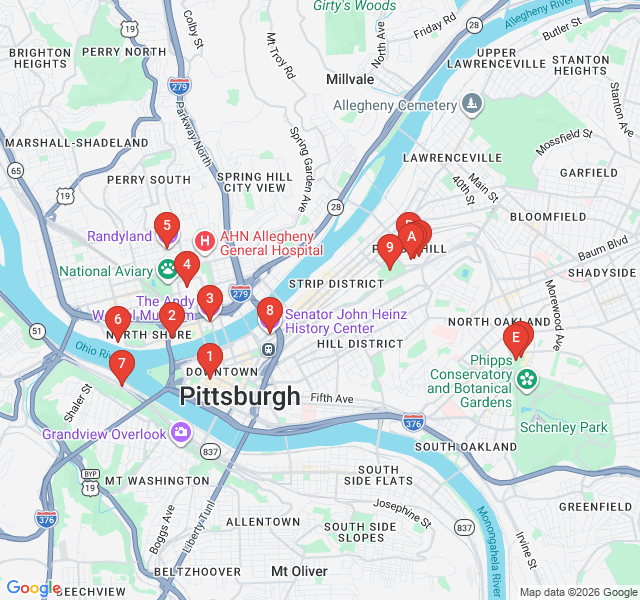
Numbers indicate the order of stops on the tour.
Begin your self-guided adventure in the historic heart of Downtown Pittsburgh. Market Square has been the city's central meeting place since 1794. Originally home to the first courthouse and jail, it has transformed from a bustling market into a vibrant pedestrian hub. Look around at the mix of glass skyscrapers and historic facades. This square represents the city's resilience; it has survived fires and urban renewal to remain the pulse of the Golden Triangle. It is the perfect place to grab a coffee before heading toward the riverfront.
A modern addition to the city's cultural scene, this museum offers a playful look at how our brains perceive reality. While Pittsburgh is known for its heavy industry and steel, it is also a city of innovation and science. The illusions here remind us that perspectives change—much like the city itself has shifted from a smoke-filled industrial hub to a center for technology and healthcare. It is a lighthearted stop before we cross the river into the historic North Shore.
Cross the Andy Warhol Bridge to reach this seven-story tribute to the prince of Pop Art. Andy Warhol was born in Pittsburgh to Rusyn immigrant parents, and his work was deeply influenced by the industrial landscape and the religious icons he saw in local churches. This is the largest museum in North America dedicated to a single artist. As you stand outside, consider how Warhol’s journey from a working-class Pittsburgh neighborhood to international fame mirrors the city's own transformation into a global art destination.
Located in the historic Allegheny Post Office and the neighboring Buhl Planetarium building, this museum is a masterpiece of adaptive reuse. The North Side was once its own independent municipality called Allegheny City before being annexed by Pittsburgh in 1907. This building’s grand architecture reflects the wealth and status of that era. It serves as a reminder of the city's commitment to preserving its historic structures while serving the next generation of Pittsburghers.
Step into one of the most colorful spots in America. Randyland is the creation of artist Randy Gilson, who transformed a dilapidated property into a vibrant landmark using recycled materials and bright paint. It is a testament to the power of individual creativity in neighborhood revitalization. This spot captures the quirky, welcoming spirit of the North Side. Take a moment to explore the courtyard and see how many repurposed objects you can identify in this kaleidoscopic garden of folk art.
Sitting on the banks of the Ohio River, this center highlights Pittsburgh’s role as a leader in scientific education. From the USS Requin submarine docked outside to the miniature railroad inside, it celebrates the technology that built the modern world. The river views here are spectacular, showing the confluence where the Allegheny and Monongahela rivers meet to form the Ohio. This waterway was the lifeblood of the steel mills that once lined these shores.
While we aren't riding it today, this 1877 funicular is a living piece of Pittsburgh history. Built to carry residents up the steep slopes of Mt. Washington, it is one of the few remaining inclines in the city. In the late 19th century, dozens of these 'mountain railways' dotted the landscape. The Duquesne Incline was saved by local residents in the 1960s and still uses its original wooden cable cars. It stands as a symbol of the city's unique topography and its residents' dedication to heritage.
Housed in a former ice warehouse in the Strip District, this is Pennsylvania's largest history museum. It tells the story of the region from the French and Indian War to the modern day. You’ll find exhibits on the steel industry, the Heinz ketchup empire, and the city’s legendary sports teams. The Strip District itself is a historic market area where wholesalers once provided food for the entire region. It remains a sensory delight of international grocers and local street food.
As you transition toward Polish Hill, West Penn Park offers a green breathing space. This area marks the boundary where the flat land of the Strip District gives way to the steep inclines of the hill districts. The park provides a glimpse into the rugged terrain that shaped Pittsburgh’s development. Early immigrant workers often lived on these hills to be within walking distance of the mills in the valley below, creating tight-knit communities separated by the city’s dramatic geography.
Dominating the skyline of Polish Hill, this church is a stunning example of the 'Polish Cathedral' style of architecture. Built by Polish immigrants in the early 1900s, its massive dome is modeled after St. Peter's Basilica in Rome. The interior is a treasure trove of religious art and history, reflecting the deep faith and community pride of the Polish families who settled here. It remains the spiritual and visual anchor of the neighborhood, visible from miles away across the Allegheny River.
This community-managed space reflects the modern spirit of Polish Hill. Like many Pittsburgh neighborhoods, Polish Hill has seen a resurgence led by artists and young families who value its historic character and close-knit feel. The garden is a place where long-time residents and newcomers meet. It stands on the site of former row houses, turning a vacant lot into a productive and beautiful community asset. It’s a perfect example of the grassroots urbanism that defines the city today.
You have reached a legendary Pittsburgh institution. Gooski’s is more than just a dive bar; it’s a living museum of the neighborhood’s grit and character. With its wood-paneled walls, vintage jukebox, and famous pierogies, it has been a local favorite for decades. It captures the authentic, unpolished side of the city. While the neighborhood changes, Gooski’s remains a place where everyone is welcome, embodying the 'work hard, play hard' ethos of the city’s industrial past.
Hidden away in a modest building, this shop is a pilgrimage site for fans of independent literature, comics, and art. It represents the intellectual and creative undercurrent that makes Polish Hill a magnet for the city’s alternative scene. The curated selection here often features local artists and obscure titles you won't find anywhere else. It’s a reminder that Pittsburgh’s neighborhoods are full of hidden gems if you’re willing to look behind an unassuming storefront.
Leaving the hills and entering Oakland, you encounter the legacy of Andrew Carnegie. This museum is world-famous for its 'Dinosaurs in Their Time' exhibition, featuring original fossils found by Carnegie-funded expeditions. Carnegie wanted to bring the world’s wonders to the working people of Pittsburgh. The grand architecture of this building, combined with the library and music hall, created a 'cultural acropolis' that remains one of the most impressive museum complexes in the United States.
Your journey ends at the first museum of modern art in the United States. Founded in 1895, it was designed to showcase the 'Old Masters of tomorrow.' The Hall of Architecture, containing plaster casts of famous world monuments, is one of the few of its kind left in the world. As you finish your walk, reflect on the journey from the humble alleys of Polish Hill to this temple of high culture. It is this contrast—between the grit and the gold—that makes Pittsburgh so unique.
Start Free on iPhone
Explore “Polish Hill: Hidden Alleys and Sacred Spaces” with your very own Private Tour Guide with Zigway. Start free on iPhone, skip the large group and the fixed routes, and hear the city come alive as you go.
Your Private Tour Guide
Don't miss the good stuff
Explore Freely
 Easy
EasyPittsburgh, United States
Explore the dramatic transformation of Pittsburgh's East Liberty through its Gilded Age architecture and vibrant modern art scene.
 Easy
EasyPittsburgh, United States
Taste the heart of the Steel City on this self-guided audio walk through the legendary markets and eateries of Pittsburgh's vibrant Strip District.
 Easy
EasyPittsburgh, United States
Explore Pittsburgh's Gilded Age grandeur and modern glass spires on this self-guided architecture walk through the historic Golden Triangle.
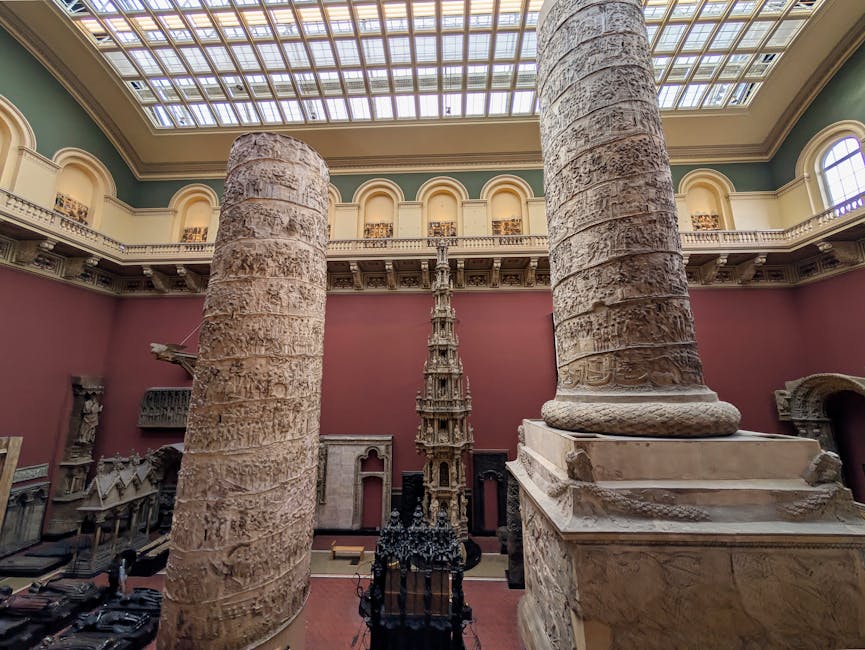 Moderate
Pittsburgh, United States
Explore the grand architecture and academic legacy of Pittsburgh's Oakland district on this self-guided audio walk through history.
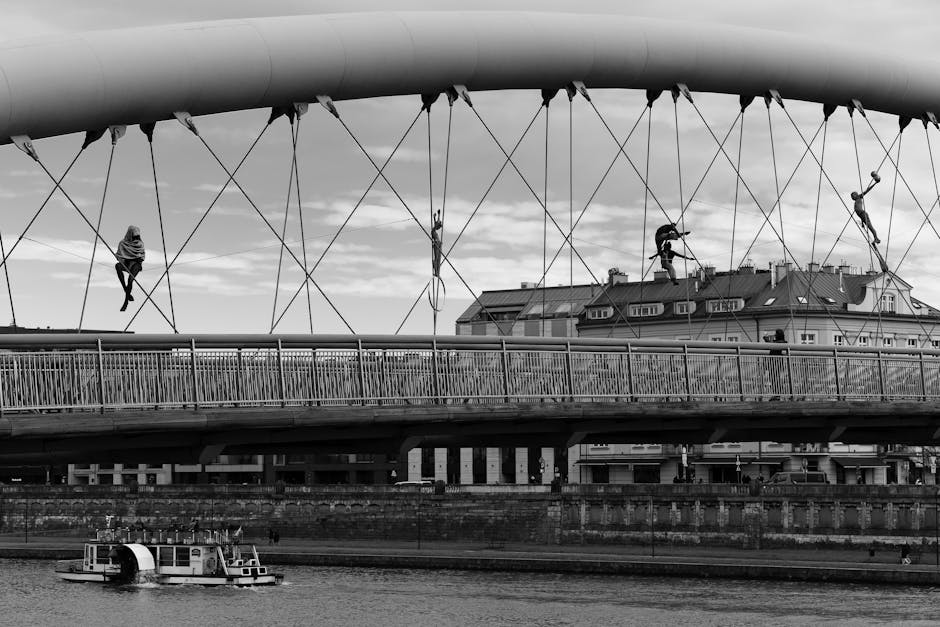 Easy
EasyKrakow, Poland
Explore Krakow’s artistic evolution from Renaissance masterpieces to vibrant urban murals on this inspiring self-guided walk through the city.
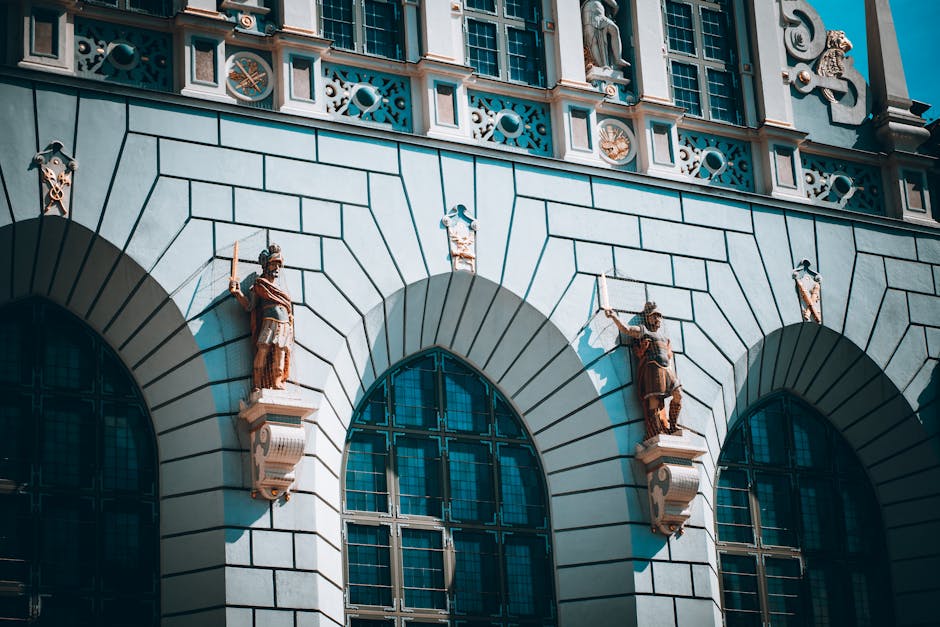 Moderate
Gdansk, Poland
Discover the origins of WWII in Gdansk on this self-guided walk through heroic last stands, massive museums, and strategic hilltop fortifications.
 Moderate
Gdansk, Poland
Discover Zaspa, a massive open-air gallery where grey housing blocks are transformed by over 60 monumental murals. Explore at your own pace.
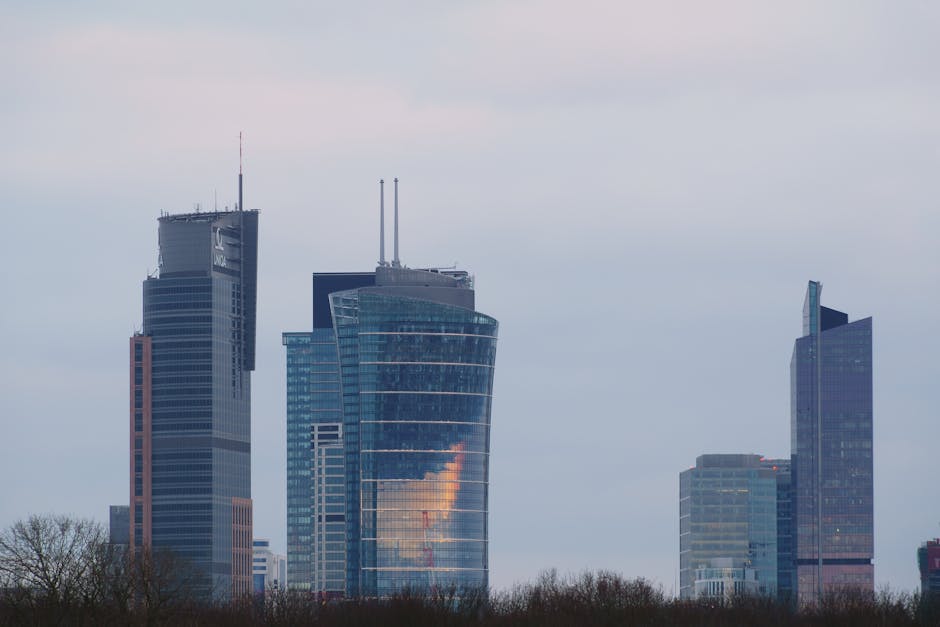 Easy
EasyWarsaw, Poland
Discover the hidden courtyards and grand pre-war architecture of Warsaw's most atmospheric neighborhood on this self-guided stroll.
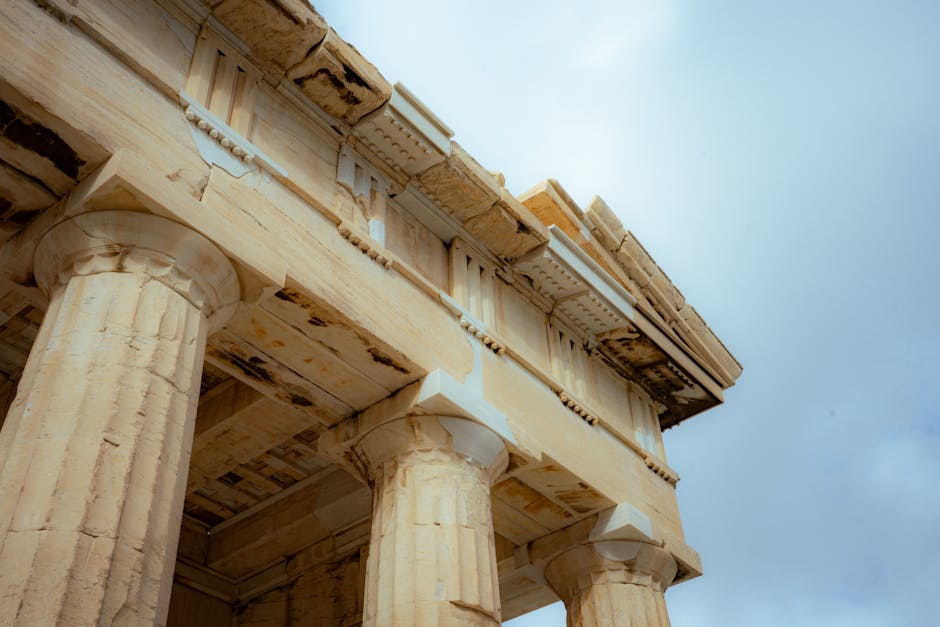 Easy
EasyNashville, United States
Explore the 'Athens of the South' on this self-guided walk through Centennial Park, featuring the world's only full-scale Parthenon replica.
 Easy
EasyNashville, United States
Explore Nashville's academic heart and Art Deco gems on this self-guided walk through historic Hillsboro Village.
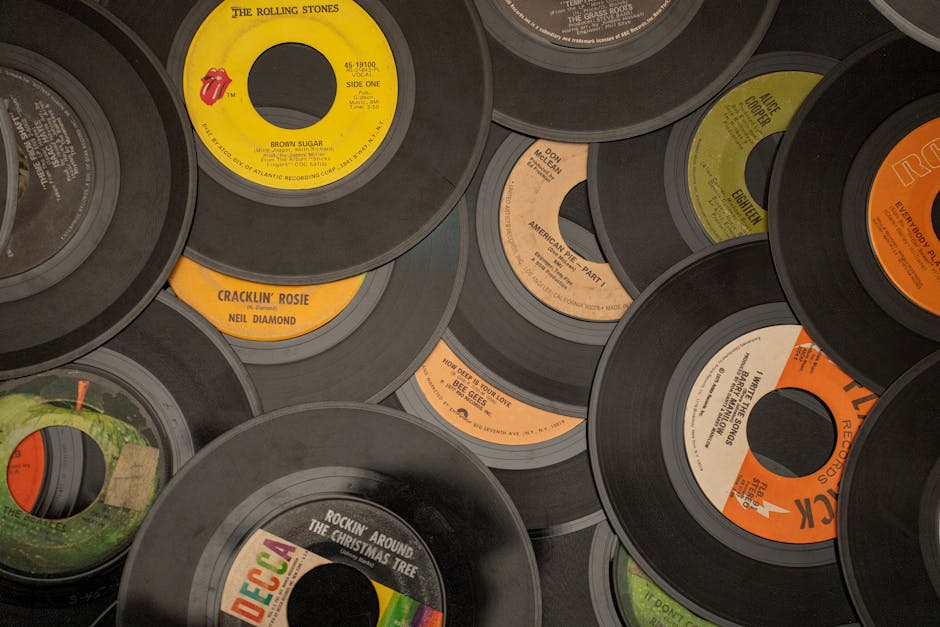 Easy
EasyNashville, United States
Explore the heart of Nashville's music industry. Discover iconic studios and the history of the legendary Nashville Sound at your own pace.
 Easy
EasyNashville, United States
Explore Nashville's oldest neighborhood! Discover Victorian architecture, Civil War history, and world-class craft beer on this self-guided walk.