Self-guided audio tour in Pittsburgh
Start Free on iPhone
Start free on iPhone to unlock this self-guided walking tour in Pittsburgh. Hear all the stories that make it amazing, walk at your own pace, and begin whenever you want.
Your Private Tour Guide
Pittsburgh’s Oakland neighborhood is often called the city's intellectual and cultural heart. This self-guided walk invites you to explore a landscape shaped by industrial titans and visionary architects. Once the site of sprawling estates, Oakland transformed during the Gilded Age into a "City Beautiful" masterpiece. As you begin this walking route, you’ll encounter the legacy of Andrew Carnegie, whose wealth built the world-renowned museums and libraries that anchor the district. The architectural diversity here is staggering. From the French Renaissance style of the Carnegie Institute to the soaring, 42-story Gothic Revival skyscraper known as the Cathedral of Learning, the neighborhood serves as an open-air museum. You’ll stroll through Schenley Plaza, a green oasis that connects the University of Pittsburgh with the Carnegie Museums, offering a perfect vantage point for the surrounding academic giants. History buffs will appreciate the intricate details of the Heinz Memorial Chapel and the solemn dignity of the Soldiers & Sailors Memorial Hall. Each stop on this neighborhood stroll reveals a different facet of Pittsburgh’s identity—from its commitment to global education through the unique Nationality Rooms to its dedication to natural beauty at the Phipps Conservatory. While many look for a guided tour Pittsburgh offers, a self-guided walk allows for a more personal discovery of these historic sites. This walking tour Pittsburgh route is designed for those who love architecture and independent discovery. Explore at your own pace and witness how the Steel City became a beacon of learning and art.
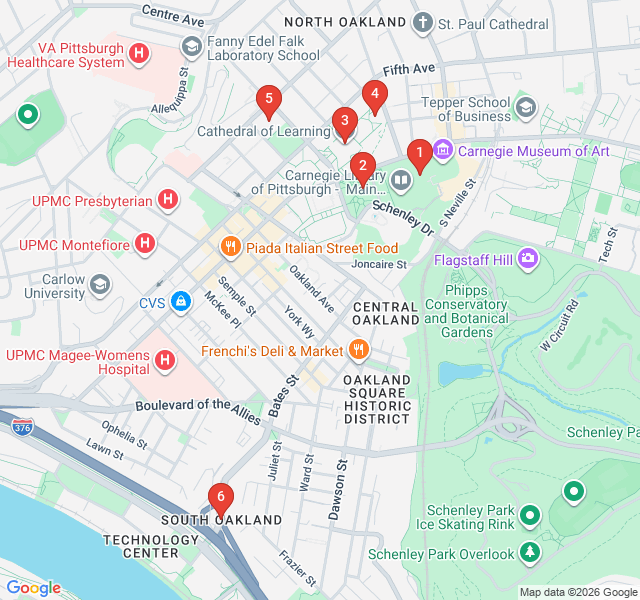
Numbers indicate the order of stops on the tour.
Start your self-guided walk at the Carnegie Museum of Natural History. Founded in 1895 by industrialist Andrew Carnegie, this institution was his gift to the people of Pittsburgh. The museum is perhaps most famous for its world-class dinosaur collection. Look for the 'Dippy' statue outside—a replica of the Diplodocus carnegii skeleton that sparked a global fascination with dinosaurs in the early 20th century. Carnegie’s vision was to create a cultural center that rivaled those in Europe, and the grand French Renaissance architecture of the building reflects that ambition. Inside, the Hall of Architecture and the Hall of Sculpture are modeled after ancient wonders, showcasing Carnegie's belief that art and science should be accessible to everyone. As you admire the ornate facade, consider how this site marked Pittsburgh's transition from an industrial hub to a center of knowledge.
Step into Schenley Plaza, a vibrant five-acre green space that serves as the 'living room' of the Oakland neighborhood. This area was once a massive stone bridge and a parking lot before being restored into the lush garden and community hub you see today. From here, you have a 360-degree view of Oakland’s most famous landmarks. The plaza represents the 'City Beautiful' movement, which aimed to introduce beautification and monumental grandeur in cities. Take a moment to enjoy the Mary Schenley Memorial Fountain, also known as 'A Song to Nature,' which depicts Pan and a female figure representing harmony. It is a perfect spot to observe the local student life from the nearby University of Pittsburgh and Carnegie Mellon University while soaking in the neighborhood's academic energy.
Standing as a literal and figurative pinnacle of the University of Pittsburgh, the Cathedral of Learning is an architectural marvel. Completed in 1937, this 42-story Gothic Revival skyscraper is the tallest educational building in the Western Hemisphere. It was the brainchild of Chancellor John Bowman, who wanted a 'temple of school' that would inspire students. The interior is equally impressive; the three-story Commons Room features soaring stone arches and a medieval atmosphere. The building is also home to the famous Nationality Rooms—classrooms designed to represent the various ethnic groups that built Pittsburgh. Each room is a time capsule of cultural heritage, using traditional materials and craftsmanship. This landmark represents the intersection of vertical urban growth and the timeless pursuit of higher education.
Just across the lawn from the Cathedral of Learning sits the Heinz Memorial Chapel. This non-denominational chapel was a gift from the Heinz family, famous for their global food empire, to honor their mother, Anna Margaretta Heinz. Designed by Charles Klauder in the same Gothic Revival style as the Cathedral, the chapel is renowned for its stunning stained-glass windows. These 73-foot-tall windows are among the tallest in the world and depict a wide range of figures from Abraham Lincoln to Emily Dickinson, alongside traditional religious imagery. The chapel is a popular site for weddings and a peaceful retreat for students. Notice the intricate stone carvings on the exterior, which include symbols of the various virtues. It stands as a testament to the family's philanthropic impact on Pittsburgh's cultural landscape.
As you walk toward Fifth Avenue, you will encounter the imposing Soldiers & Sailors Memorial Hall & Museum. Completed in 1910, this is the largest memorial in the United States dedicated solely to honoring all branches of military veterans and service personnel. The building’s design was inspired by the Mausoleum of Halicarnassus, one of the Seven Wonders of the Ancient World. Its massive stone facade and grand auditorium have hosted everything from political rallies to movie shoots—most notably, parts of 'The Silence of the Lambs' were filmed inside. The museum houses artifacts from the Civil War to the present day, telling the personal stories of those who served. It serves as a somber and grand reminder of the sacrifices made by Pennsylvania's citizens throughout American history.
Conclude your self-guided adventure at Phipps Conservatory and Botanical Gardens. Established in 1893 by real estate tycoon Henry Phipps, this Victorian-style glasshouse was a gift to the city to provide 'instruction and pleasure' to the public. The conservatory is a masterpiece of iron and glass architecture, featuring 14 distinct rooms that house everything from desert plants to tropical palms. Over the years, Phipps has evolved into a global leader in sustainability, with its Center for Sustainable Landscapes being one of the greenest buildings in the world. As you wander through the gardens, you can see the seamless blend of 19th-century elegance and 21st-century environmental innovation. It is a fitting end to your stroll, representing Pittsburgh's ongoing transformation and its commitment to preserving both history and nature.
Start Free on iPhone
Explore “Oakland’s Academic Icons and Museum Marvels” with your very own Private Tour Guide with Zigway. Start free on iPhone, skip the large group and the fixed routes, and hear the city come alive as you go.
Your Private Tour Guide
Don't miss the good stuff
Explore Freely
 Easy
EasyPittsburgh, United States
Explore the dramatic transformation of Pittsburgh's East Liberty through its Gilded Age architecture and vibrant modern art scene.
 Easy
EasyPittsburgh, United States
Taste the heart of the Steel City on this self-guided audio walk through the legendary markets and eateries of Pittsburgh's vibrant Strip District.
 Easy
EasyPittsburgh, United States
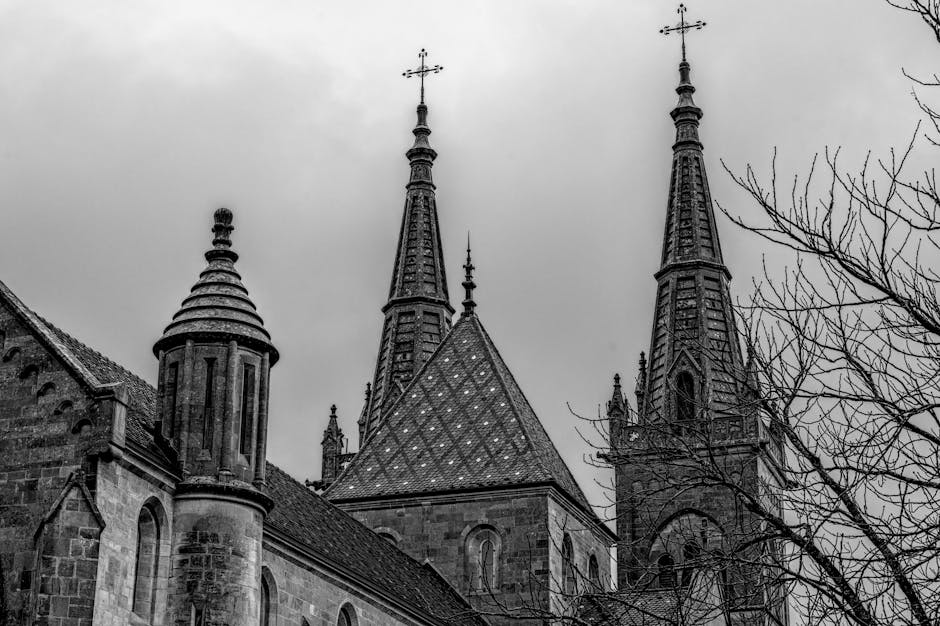
Explore Pittsburgh's Gilded Age grandeur and modern glass spires on this self-guided architecture walk through the historic Golden Triangle.
 Moderate
Pittsburgh, United States
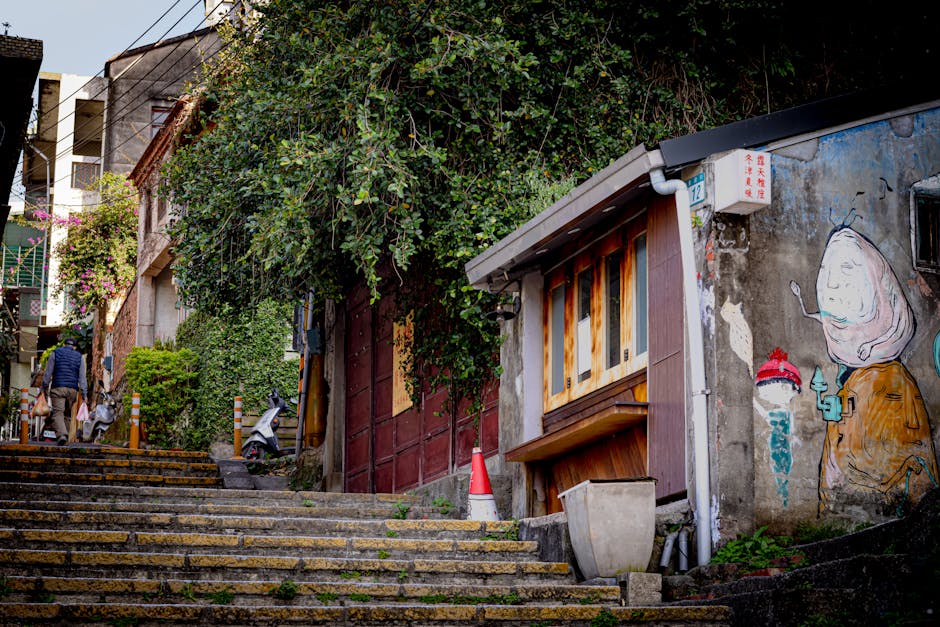
Explore Pittsburgh's vibrant history and hidden gems from Downtown to the heights of Polish Hill and the grandeur of Oakland on this audio walk.
 Easy
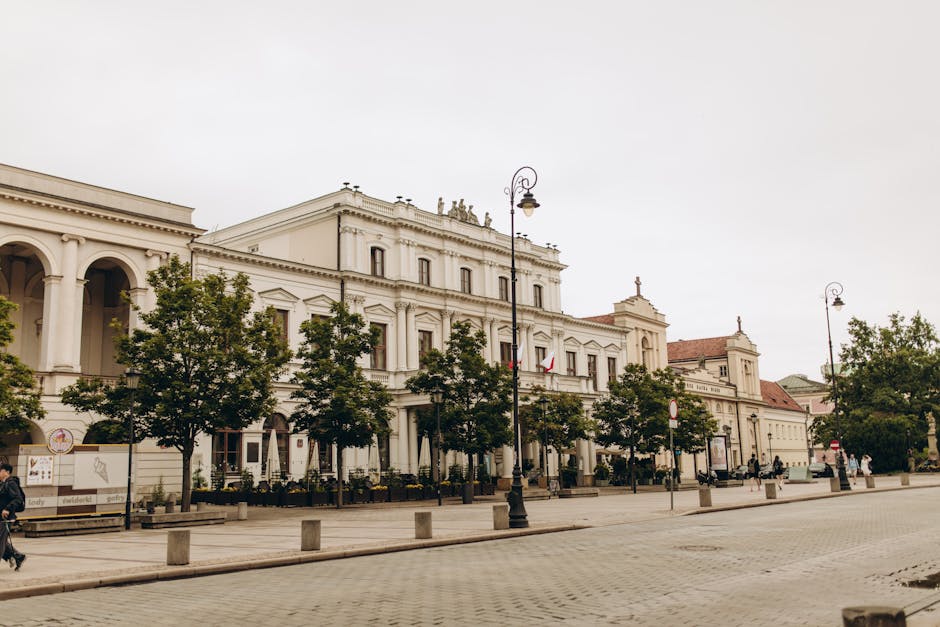
EasyWarsaw, Poland
Explore the 'Polish Versailles' at your own pace. Discover Baroque architecture, royal history, and stunning gardens on this self-guided walk.
 Moderate
Gdansk, Poland
Discover the origins of WWII in Gdansk on this self-guided walk through heroic last stands, massive museums, and strategic hilltop fortifications.
 Easy
EasyGothenburg, Sweden
Explore Gothenburg's elegant academic district, featuring grand 19th-century stone architecture and the iconic cultural hub of Götaplatsen.
 Easy
EasyNairobi, Kenya
Explore Nairobi's architectural evolution from colonial-era landmarks to iconic Brutalist skyscrapers on this historic self-guided walking route.
 Easy
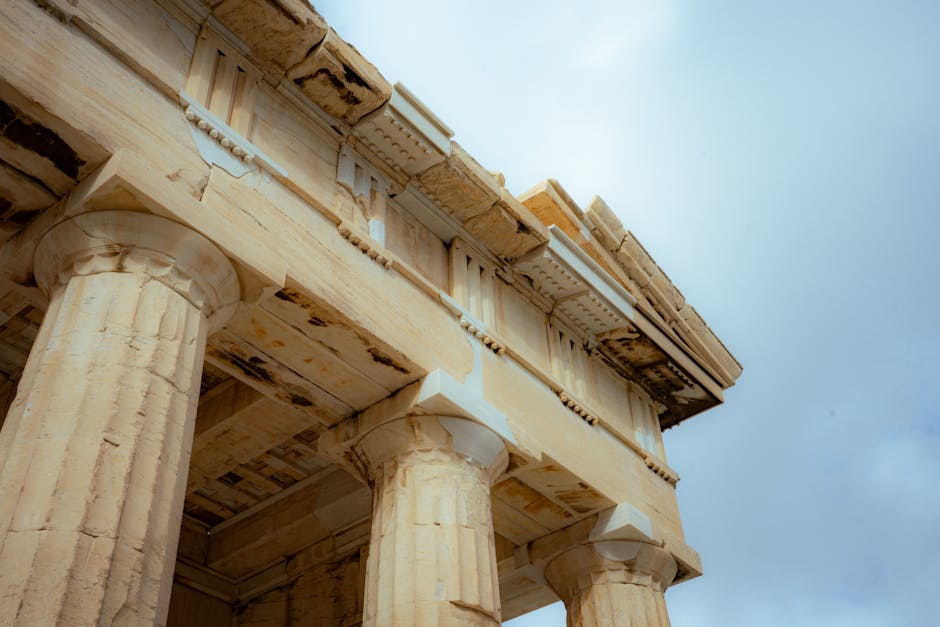
EasyNashville, United States
Explore the 'Athens of the South' on this self-guided walk through Centennial Park, featuring the world's only full-scale Parthenon replica.
 Easy
EasyNashville, United States
Explore Nashville's academic heart and Art Deco gems on this self-guided walk through historic Hillsboro Village.
 Easy
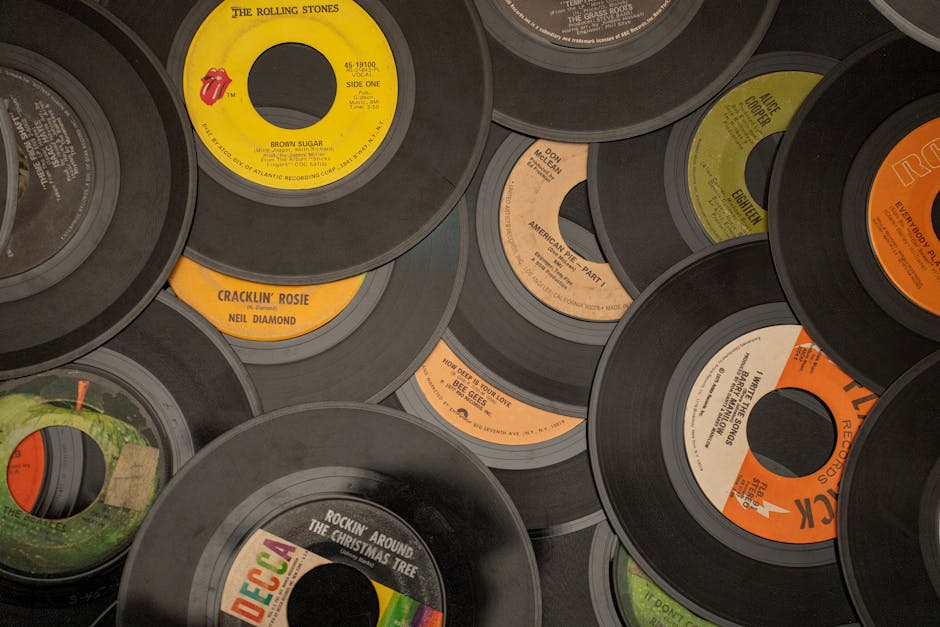
EasyNashville, United States
Explore the heart of Nashville's music industry. Discover iconic studios and the history of the legendary Nashville Sound at your own pace.
 Easy
EasyNashville, United States
Explore Nashville's oldest neighborhood! Discover Victorian architecture, Civil War history, and world-class craft beer on this self-guided walk.