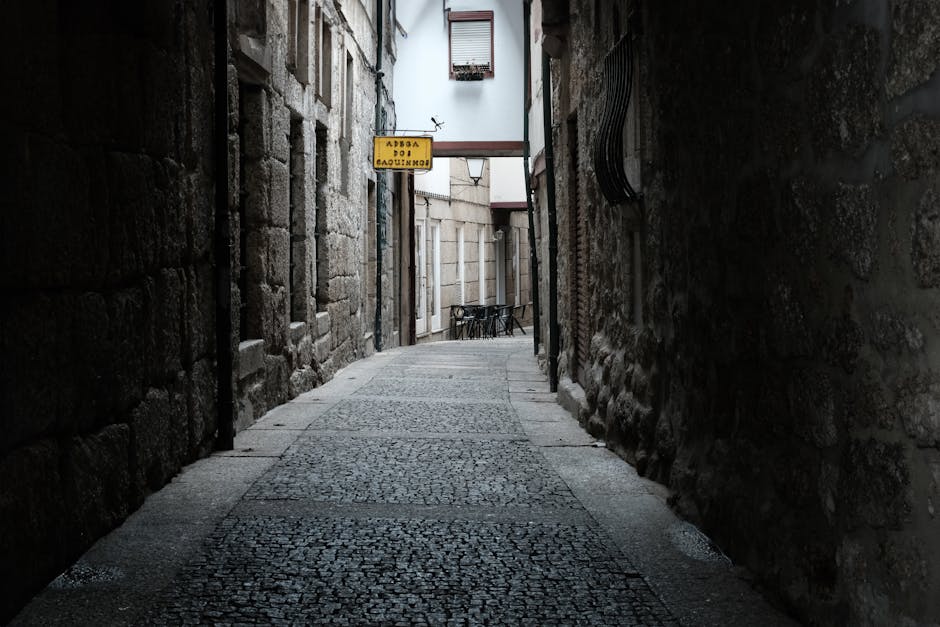
Self-guided audio tour in St. Augustine
Start Free on iPhone
Start free on iPhone to unlock this self-guided walking tour in St. Augustine. Hear all the stories that make it amazing, walk at your own pace, and begin whenever you want.
Your Private Tour Guide
Beyond the bustling crowds of St. George Street and the imposing walls of the Castillo de San Marcos lies a quieter, more fragrant side of the nation’s oldest city. This self-guided walk invites you to step behind the coquina walls and iron gates of St. Augustine to discover the lush courtyards and secret gardens that have provided sanctuary to residents for centuries. This neighborhood stroll focuses on the unique Spanish Colonial and Gilded Age architecture that defines the Historic District, emphasizing how private outdoor spaces were integrated into daily life. St. Augustine's history is written in its flora; from the medicinal herbs of the early Spanish settlers to the exotic tropical specimens planted by Gilded Age tycoons like Henry Flagler, every leaf tells a story. On this walking route, you will explore the transition from the rugged, functional courtyards of the 1700s to the opulent, ornamental gardens of the late 19th century. Highlights include the tranquil koi ponds of the Lightner Museum, the historic medicinal gardens of the Ximenez-Fatio House, and the grand, fountain-centered courtyard of Flagler College. This journey is a photographer's dream, offering countless opportunities to capture the play of light on ancient stone and vibrant hibiscus. Whether you are a history buff or simply looking for a peaceful escape from the tourist trail, this walking tour St. Augustine route provides a refreshing perspective on the city’s enduring charm. Explore at your own pace and let the scent of jasmine and the sound of trickling water lead you through the hidden heart of the city.
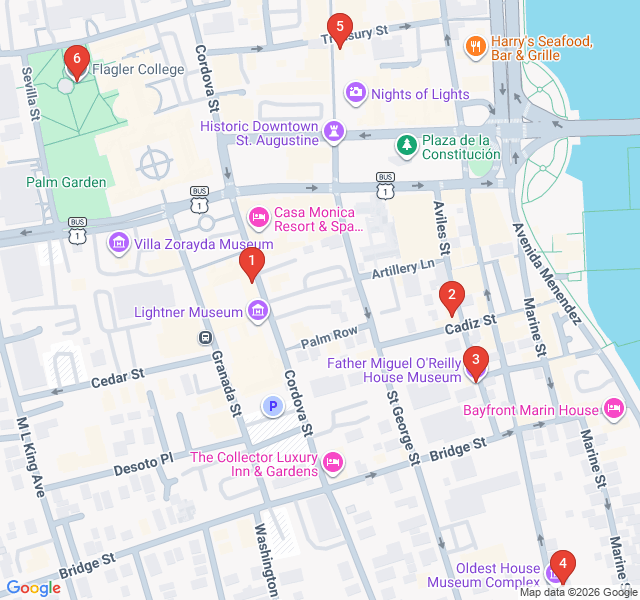
Numbers indicate the order of stops on the tour.
Start exploring with Zigway at the Lightner Museum, originally the Alcazar Hotel built by Henry Flagler in 1888. While the museum inside is spectacular, the courtyard is a masterpiece of Gilded Age landscape design. As you walk over the small stone bridge crossing the koi pond, notice the towering palm trees and the sound of the water. This space was designed to be an exotic oasis for wealthy Victorian travelers. The architecture here is Spanish Renaissance Revival, characterized by the warm coquina-colored walls and bright terracotta trim. Take a moment to watch the fish or photograph the symmetry of the surrounding arches before moving toward the quieter streets to the south.
Leaving the grand hotels behind, you arrive at the Ximenez-Fatio House. This courtyard represents the Second Spanish Period and the early territorial years of Florida. Unlike the ornamental gardens of the Lightner, this space was highly functional. In the 1800s, this was a boarding house, and the courtyard was the center of domestic life. Look for the kitchen house—separated from the main residence to prevent fires—and the various medicinal herbs and citrus trees planted here. It offers a glimpse into the self-sufficiency required in early St. Augustine, where every plant served a purpose, from seasoning food to healing ailments.
A few steps away lies one of the city's most peaceful hidden gems. The Father Miguel O'Reilly House dates back to 1691, and its garden is a place of profound quiet. This space has been maintained by the Sisters of St. Joseph for over 150 years. As you walk through, you'll see religious statuary nestled among native Florida plants and flowering shrubs. The garden emphasizes the spiritual heritage of St. Augustine, the oldest continuously occupied European-established settlement in the continental United States. It is a perfect spot for reflection, away from the engine noise of the nearby trolley routes.
The Gonzalez-Alvarez House, known as the 'Oldest House,' features a sprawling garden that illustrates how landscape styles evolved over centuries. The garden is shaded by ancient oaks and filled with plants that would have been familiar to both Spanish and British residents. Notice the 'Florida-style' gardening—the use of coquina shell paths and hardy, salt-tolerant greenery. This courtyard was once the site of a small farm, providing the residents with poultry and vegetables. Today, it serves as a beautiful example of how historic preservation extends beyond the walls of a building to the very soil it stands on.
Heading back toward the center of the district, you will find the Peña-Peck House. Its walled garden is a true sanctuary, often overlooked by visitors rushing toward the Plaza. Built in 1750 for the King's Treasurer, the house and its grounds reflect the high status of its Spanish Colonial owners. The garden you see today was significantly influenced by the Peck family in the 19th century, blending colonial structure with Victorian floral sensibilities. The high walls provide a microclimate that keeps the garden lush and vibrant even in the heat of summer. It is one of the most romantic spots in the city.
Finish your walking route at the crown jewel of St. Augustine: the courtyard of Flagler College, formerly the Ponce de Leon Hotel. This is the ultimate expression of the Gilded Age. The central courtyard is dominated by a magnificent fountain that doubles as a sundial, surrounded by meticulously manicured lawns and seasonal blooms. The towers, terra cotta details, and lush greenery were designed to transport guests to a Spanish palace. As you stand here, you are surrounded by the legacy of Henry Flagler, the man who transformed St. Augustine into a winter playground for the elite. It is a fittingly grand conclusion to your exploration of the city's hidden outdoor treasures.
Start Free on iPhone
Explore “Secret Gardens and Hidden Patios” with your very own Private Tour Guide with Zigway. Start free on iPhone, skip the large group and the fixed routes, and hear the city come alive as you go.
Your Private Tour Guide
Don't miss the good stuff
Explore Freely
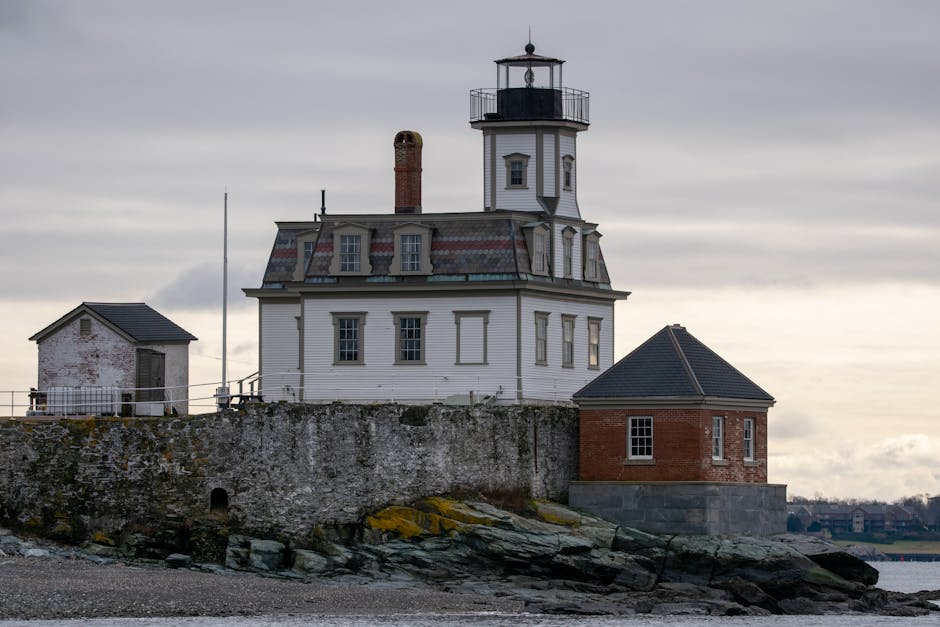 Moderate
St. Augustine, United States
Explore maritime history and coastal nature on this self-guided walk from the Bridge of Lions to the dunes of Anastasia State Park.
 Easy
EasySt. Augustine, United States
Discover the Gilded Age grandeur of St. Augustine's Flagler District on this self-guided walking route through historic hotels and cathedrals.
 Easy
EasySt. Augustine, United States
Explore the oldest street in America through its historic courtyards, military history, and vibrant local art galleries on this self-guided walk.
 Easy
EasySt. Augustine, United States
Explore the Golden Age of Piracy on this self-guided walking route through St. Augustine’s historic waterfront and defensive fortifications.
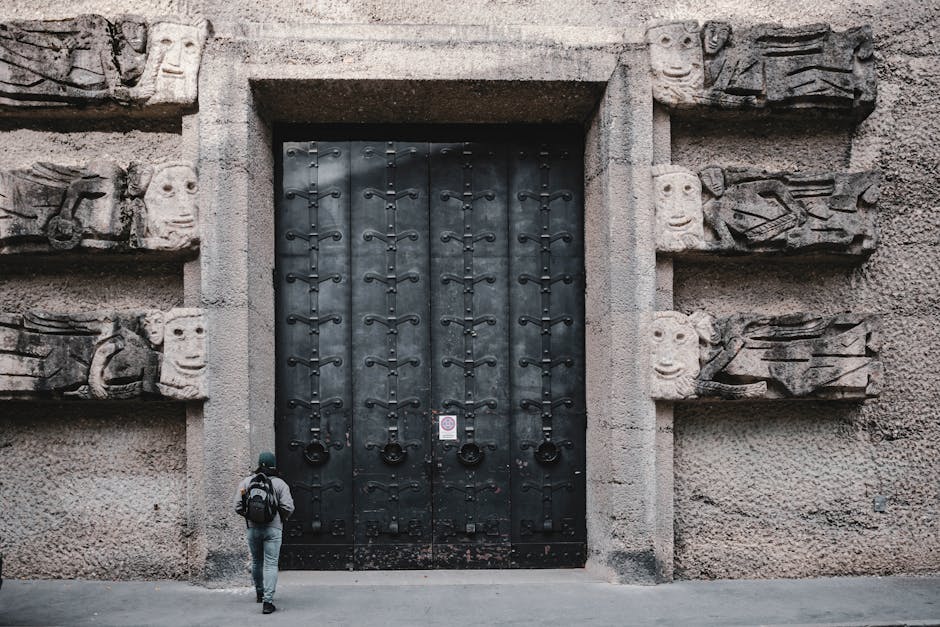 Easy
EasySalzburg, Austria
Discover Salzburg's oldest medieval alley, the birthplace of the 'Silent Night' author, and breathtaking views on this quiet self-guided walk.
 Easy
EasyNairobi, Kenya
Discover Nairobi's iconic skyline on this self-guided architecture walk through the CBD’s most famous modernist and Brutalist landmarks.
 Easy
EasyWarsaw, Poland
Discover the hidden courtyards and grand pre-war architecture of Warsaw's most atmospheric neighborhood on this self-guided stroll.
 Easy
EasyHelsinki, Finland
Discover Helsinki's oldest neighborhood on this self-guided audio walk through Kruununhaka’s historic streets, hidden courtyards, and scenic shores.
 Easy
EasyNashville, United States
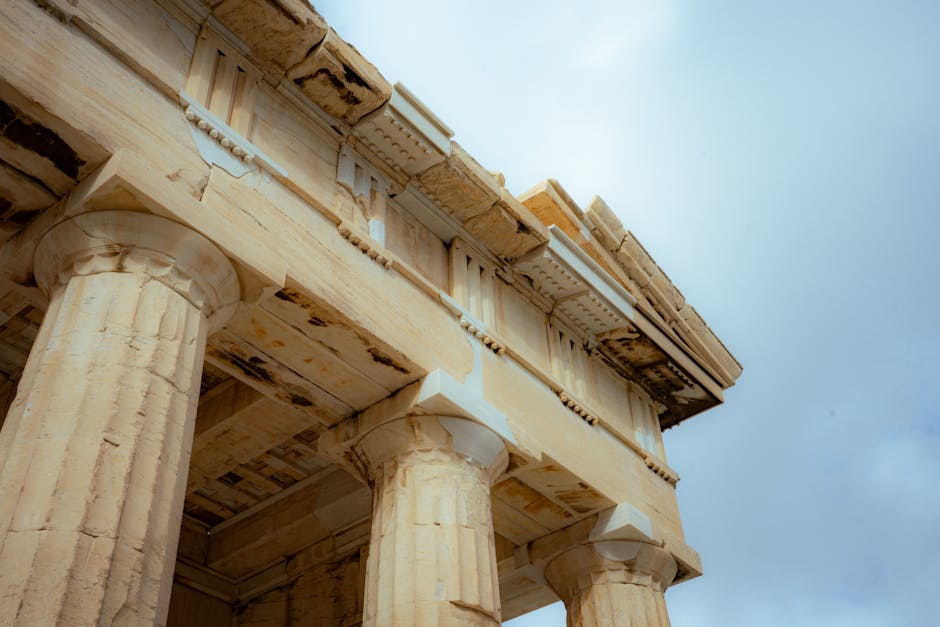
Explore the 'Athens of the South' on this self-guided walk through Centennial Park, featuring the world's only full-scale Parthenon replica.
 Easy
EasyNashville, United States
Explore Nashville's academic heart and Art Deco gems on this self-guided walk through historic Hillsboro Village.
 Easy
EasyNashville, United States
Explore the heart of Nashville's music industry. Discover iconic studios and the history of the legendary Nashville Sound at your own pace.
 Easy
EasyNashville, United States
Explore Nashville's oldest neighborhood! Discover Victorian architecture, Civil War history, and world-class craft beer on this self-guided walk.