Self-guided audio tour in St. Augustine
Start Free on iPhone
Start free on iPhone to unlock this self-guided walking tour in St. Augustine. Hear all the stories that make it amazing, walk at your own pace, and begin whenever you want.
Your Private Tour Guide
Step back into the Golden Age of Piracy with this self-guided walking route through the sun-drenched streets of St. Augustine, the oldest continuously inhabited European-established settlement in the contiguous United States. For centuries, this coastal outpost was a target for some of history's most notorious buccaneers, including Sir Francis Drake and Robert Searle. This neighborhood stroll invites you to explore the very ground where Spanish defenders and sea-faring raiders clashed over the treasures of the New World. Your journey begins at the bayfront, where the scent of salt air sets the stage for stories of high-seas adventure and colonial resilience. As you move through the Historic District, you will encounter the massive fortifications and narrow lanes that defined life on the edge of the Spanish Empire. This walking tour St. Augustine experience is designed for history enthusiasts and families alike, offering a flexible way to discover the city's maritime heritage at your own pace. You will see how the city transformed from a vulnerable wooden outpost into an impenetrable stone fortress. Key landmarks along the way include the imposing Castillo de San Marcos and the historic City Gates, which served as the only land entrance to the town for generations. Beyond the military history, this self-guided walk delves into the daily lives of those who lived through pirate raids, from the surgeons who treated battle wounds to the sailors who navigated the treacherous Florida coast. Whether you are intrigued by the legend of buried treasure or the architectural marvels of coquina stone, this walking route provides a deep dive into the 'Ancient City.' By following this audio walk, you can avoid the constraints of a rigid schedule and immerse yourself in the lore of the Spanish Main. Discover how St. Augustine survived centuries of conflict to become the charming, historic destination it is today. Start exploring with Zigway and uncover the secrets of the pirates who once called these waters their hunting grounds.
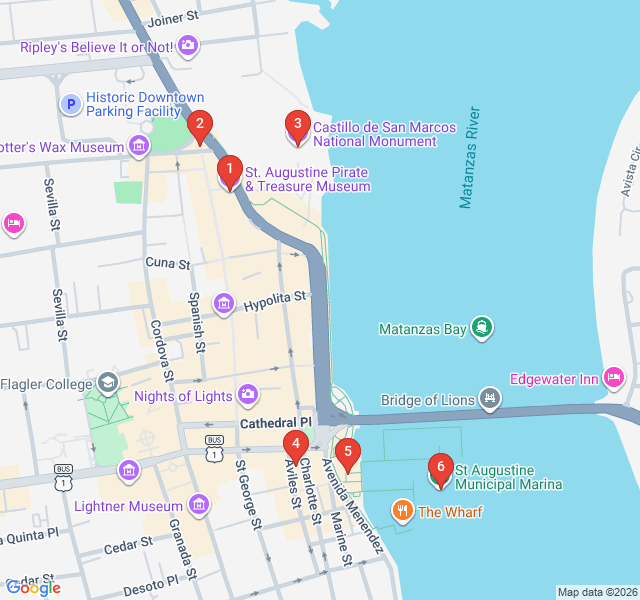
Numbers indicate the order of stops on the tour.
Begin your self-guided adventure at one of the world's largest collections of authentic pirate artifacts. This museum houses the Thomas Tew treasure chest—one of only two known to exist. Piracy wasn't just a movie trope here; it was a constant threat. In the 17th century, St. Augustine was a strategic Spanish outpost, making it a prime target for English privateers. As you stand here, imagine the harbor filled with ships flying the Jolly Roger. The museum showcases how these 'sea dogs' lived, fought, and died. It sets the perfect tone for your walk, moving from the myths of Hollywood to the gritty, fascinating reality of the high seas. Take a moment to look toward the water and visualize the sight of a pirate fleet appearing on the horizon, signaling a day of chaos for the Spanish settlers.
A short walk brings you to these towering coquina pillars. Built in 1808, these gates were once the only way into St. Augustine by land. Before these stone structures existed, the city was protected by a 'Cubeline'—a wall of earth and sharp yucca plants. The gates represent the city's long struggle for security. After Robert Searle’s devastating pirate raid in 1668, where he sacked the town and killed scores of residents, the Spanish realized that wooden walls weren't enough. These gates were part of a massive defensive system that turned the town into a literal fortress. Notice the texture of the coquina stone; it is made of compressed seashells, a local material that proved to be the city's greatest defense against cannon fire and invaders alike.
Dominating the shoreline is the Castillo de San Marcos, the oldest masonry fort in the continental United States. Completed in 1695, this fort was never taken in battle. Its secret weapon was its coquina walls. Unlike brick or granite, which shatter upon impact, the porous coquina acted like a giant sponge, absorbing cannonballs or even causing them to bounce off. During the siege of 1702, the entire population of St. Augustine—over 1,200 people—huddled inside these walls for 50 days while the British burned the town to the ground. The fort stood firm, and the pirates and privateers were kept at bay. Walking around the perimeter, you can see the bastions designed to provide a clear line of fire against any ship attempting to enter the Matanzas River.
As you move into the heart of the historic district, you reach a site dedicated to the grim reality of colonial life. While pirates are often romanticized, the injuries they inflicted were brutal. This museum sits on the site of a hospital that operated during the Second Spanish Period. Here, surgeons utilized a mix of European medical knowledge and local herbal remedies to treat soldiers and citizens. In an era of wooden ships and iron cannonballs, amputations and infections were common. The museum highlights the 'Mourning Room,' where patients were kept when medicine could do no more. It serves as a reminder that the battles fought at the Castillo had very real, very human consequences for the people living within these narrow streets.
Head back toward the water to see the Black Raven, a modern tribute to the vessels that once terrorized these coasts. While this is a contemporary attraction, its design mimics the classic pirate galleon. Seeing a ship like this in the harbor helps bridge the gap between history and the present. Pirate ships were often stolen merchant vessels, modified for speed and heavy weaponry. They needed to be fast enough to catch a prize and shallow enough to hide in the Florida inlets. The presence of the Black Raven in the marina today keeps the maritime spirit of the 1700s alive, offering a visual scale of the ships that men like Drake and Searle would have commanded during their assaults on the city.
Your walking route concludes at the Municipal Marina, a bustling hub that has seen centuries of maritime traffic. From this vantage point, you can look across the Matanzas River. The name 'Matanzas' translates to 'Slaughters,' a grim reminder of the 1565 execution of French Huguenots nearby. This water was the lifeblood and the greatest threat to the city. Every ship bringing supplies from Spain or gold from Mexico had to navigate these shifting sands. Today, it’s a place of leisure, but for a Spanish soldier on watch 300 years ago, a strange sail on the horizon meant a call to arms. Enjoy the breeze and reflect on the layers of history beneath your feet, where the age of exploration and the age of piracy met the shores of Florida.
Start Free on iPhone
Explore “Pirate Lore and High Seas History” with your very own Private Tour Guide with Zigway. Start free on iPhone, skip the large group and the fixed routes, and hear the city come alive as you go.
Your Private Tour Guide
Don't miss the good stuff
Explore Freely
 Moderate
St. Augustine, United States
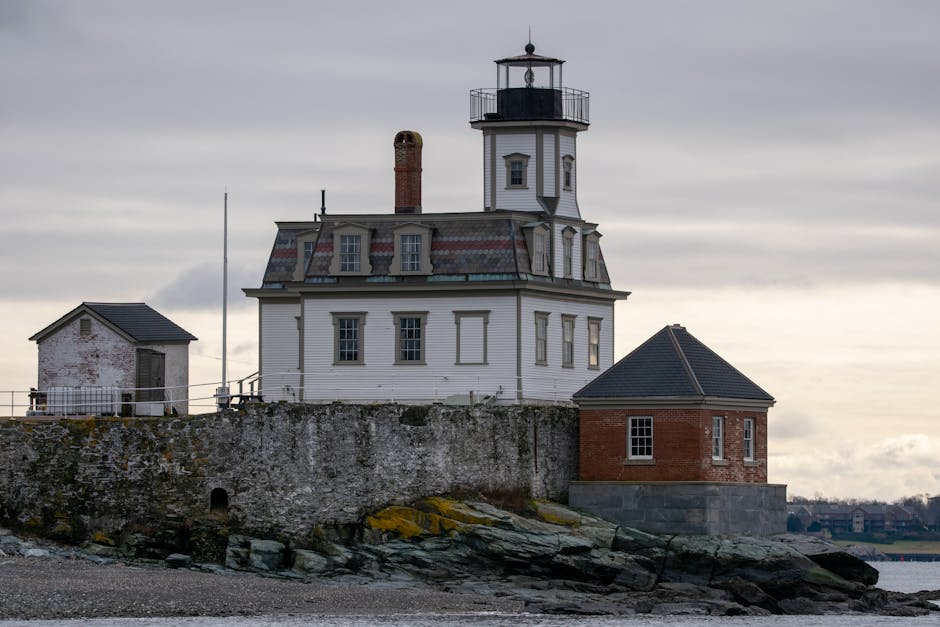
Explore maritime history and coastal nature on this self-guided walk from the Bridge of Lions to the dunes of Anastasia State Park.
 Easy
EasySt. Augustine, United States
Discover the Gilded Age grandeur of St. Augustine's Flagler District on this self-guided walking route through historic hotels and cathedrals.
 Easy
EasySt. Augustine, United States
Explore the oldest street in America through its historic courtyards, military history, and vibrant local art galleries on this self-guided walk.
 Moderate
St. Augustine, United States
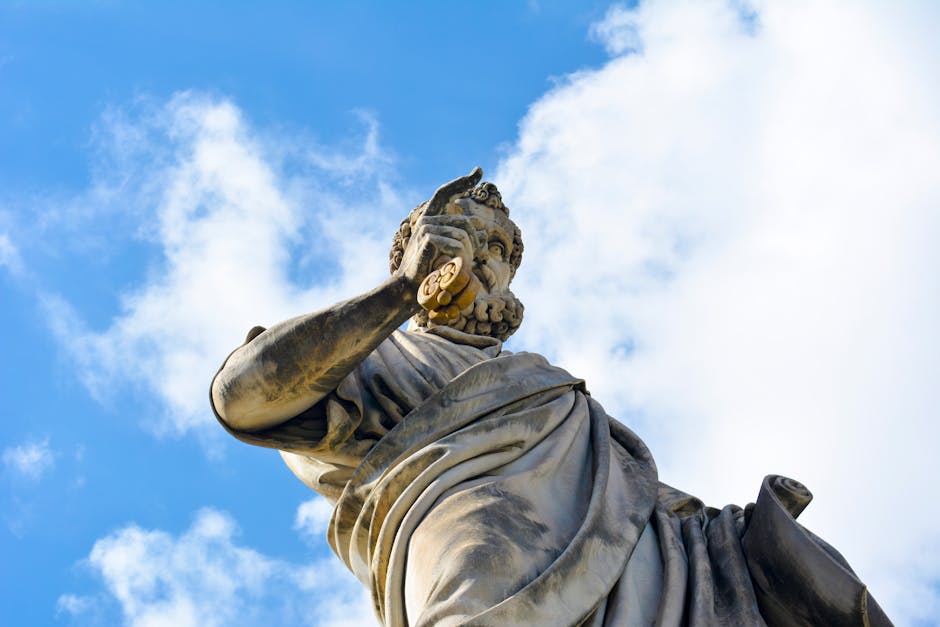
Explore the oldest Catholic parish in the U.S. and Spanish colonial landmarks on this self-guided walking route through historic St. Augustine.
 Easy
EasyInnsbruck, Austria
Uncover the myths and legends of Innsbruck on this self-guided walk through the historic Altstadt and beyond.
 Easy
EasyKrakow, Poland
Uncover Krakow's legendary past on this self-guided walk from literary monuments to the fire-breathing Wawel Dragon.
 Moderate
Helsinki, Finland
Explore the 'Gibraltar of the North' on this independent walking route through the historic bastions and hidden gardens of Suomenlinna Sea Fortress.
 Easy
EasyGothenburg, Sweden
Discover Gothenburg’s 17th-century Dutch foundations, historic canals, and military fortifications on this self-guided architectural walk.
 Easy
EasyNashville, United States
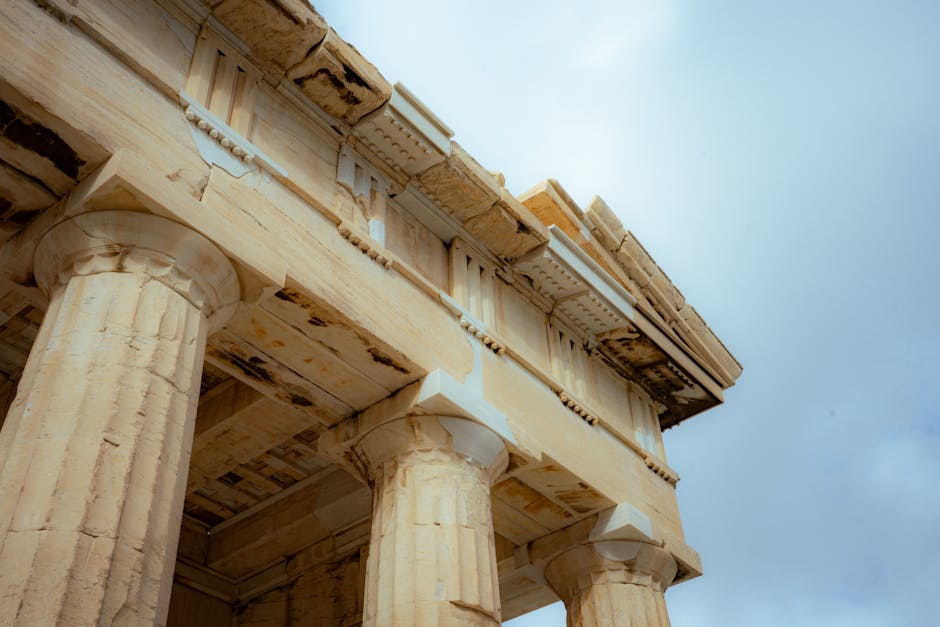
Explore the 'Athens of the South' on this self-guided walk through Centennial Park, featuring the world's only full-scale Parthenon replica.
 Easy
EasyNashville, United States
Explore Nashville's academic heart and Art Deco gems on this self-guided walk through historic Hillsboro Village.
 Easy
EasyNashville, United States
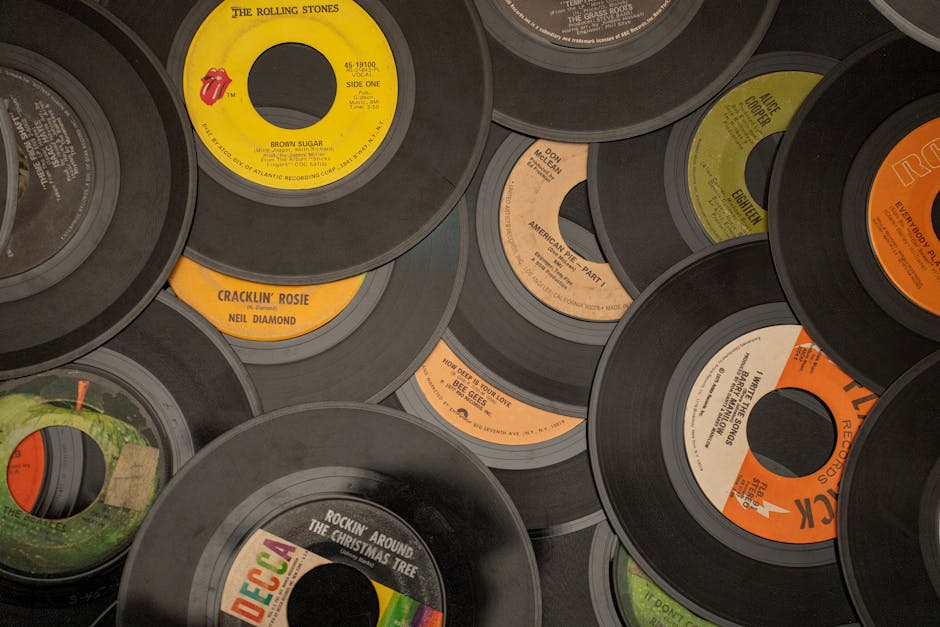
Explore the heart of Nashville's music industry. Discover iconic studios and the history of the legendary Nashville Sound at your own pace.
 Easy
EasyNashville, United States
Explore Nashville's oldest neighborhood! Discover Victorian architecture, Civil War history, and world-class craft beer on this self-guided walk.