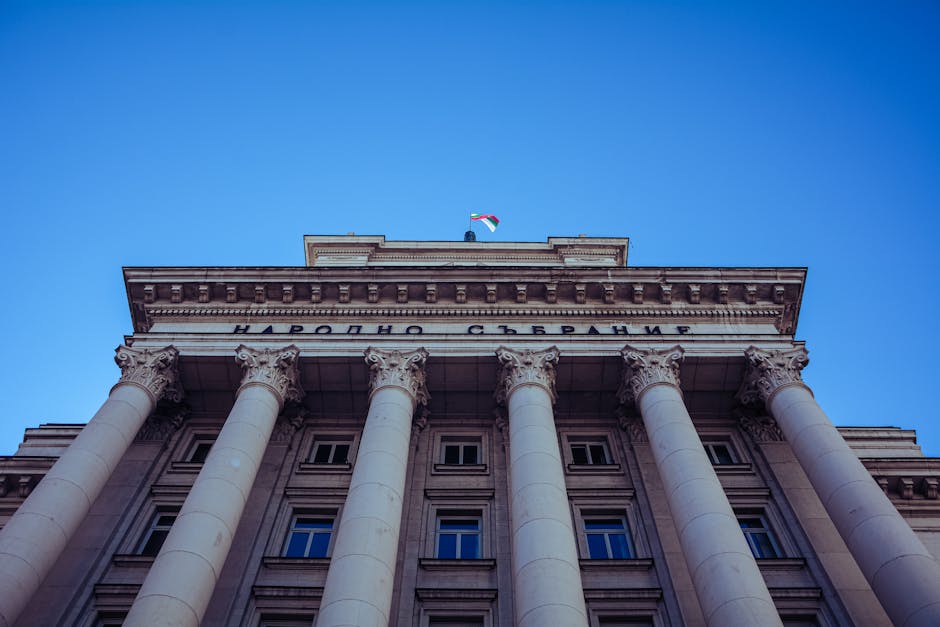
Self-guided audio tour in Sofia
Start Free on iPhone
Start free on iPhone to unlock this self-guided walking tour in Sofia. Hear all the stories that make it amazing, walk at your own pace, and begin whenever you want.
Your Private Tour Guide
Beneath the bustling modern streets of Bulgaria's capital lies a secret world frozen in stone. This self-guided walk invites you to peel back the layers of Sofia, revealing the ancient Roman city of Serdica that thrived here nearly two millennia ago. As you explore the city center, you will realize that you are walking directly above the former administrative heart of the Roman Empire in the Balkans. Serdica was so beloved by Emperor Constantine the Great that he famously remarked, 'Serdica is my Rome.' This audio walk guides you through the most significant excavations, where the transition from ancient Thracian roots to Roman grandeur and later medieval persistence is visible in every brick and column. You will discover how a modern subway expansion led to one of the most significant archaeological finds in Europe, turning a transit hub into an open-air museum. Along this walking route, you will encounter the Eastern Gate of the city's fortress, a medieval church tucked into a modern underpass, and the oldest preserved building in Sofia—a 4th-century rotunda that has survived empires. The journey concludes at the remains of a massive amphitheater, once nearly as large as the Colosseum, hidden within the walls of a contemporary hotel. This neighborhood stroll is perfect for history enthusiasts and first-time visitors who want to understand why Sofia’s motto is 'Ever Growing, Never Aging.' By following this self-guided adventure, you can explore independently and at your own pace, pausing to admire the intricate Roman mosaics or the socialist-era architecture that towers above the ruins. It is a rare opportunity to see a city where the past is not just remembered but is physically integrated into the daily commute of its modern citizens.
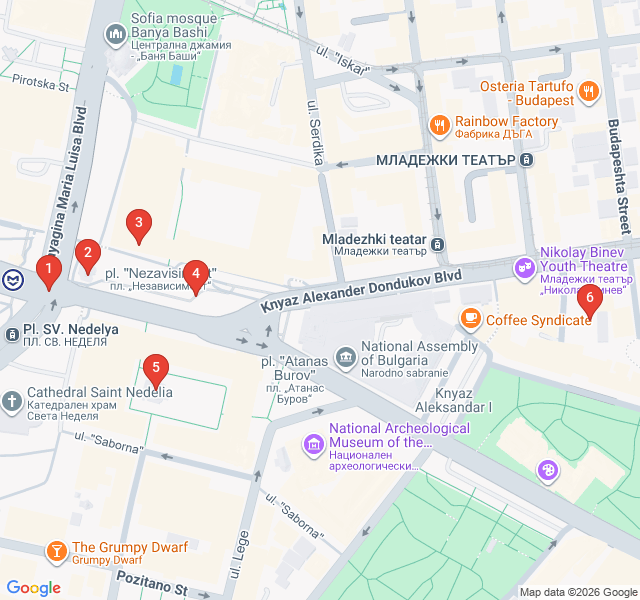
Numbers indicate the order of stops on the tour.
Welcome to the start of your journey into the past. You are standing at the Eastern Gate of ancient Serdica, once the primary entrance for travelers coming from Byzantium. These thick stone walls and the remains of the gate towers date back to the 2nd century AD, during the reign of Emperor Marcus Aurelius. Look closely at the construction—you can see layers of stone and red brick, a technique known as 'opus mixtum' that allowed the structures to withstand earthquakes. This gate was part of a massive fortification system that protected the city for centuries. As you begin this self-guided walk, imagine the merchants, soldiers, and emperors who once passed through this very spot, entering a city that was a vital hub of the Roman province of Thrace.
Descending into the underpass, you encounter a small, unassuming stone church that seems out of place amidst the modern metro entrance. This is the Church of St. Petka of the Saddlers, built in the 11th century during the Ottoman period. Because Christian churches were not allowed to be taller than a man on horseback at the time, the building is partially dug into the ground. It was maintained by the guild of saddlers, hence its name. Inside, though small, the church houses stunning 14th, 15th, and 17th-century frescoes. It stands as a testament to the resilience of the local population, preserving their faith literally beneath the surface of a changing city.
Step back into the sunlight and look around at the imposing buildings surrounding you. This ensemble is known as The Largo, a prime example of Socialist Classicism architecture built in the 1950s. Today, these buildings house the President's Office, the Council of Ministers, and the former Communist Party House. What makes this spot truly unique is the 'Triangle of Power'—the juxtaposition of political authority and ancient history. While the grand facades represent Sofia's 20th-century history, look down through the glass domes in the pavement. Below your feet lies the heart of Roman Serdica, preserved and integrated into the very foundation of modern Bulgarian governance.
Follow the stairs down into the Ancient Serdica Archaeological Complex. This is the largest open-air museum in the city, uncovered during the construction of the Sofia Metro. You are walking on the 'Cardo Maximus,' the main north-south street of the Roman city. Notice the original paving stones, worn smooth by centuries of traffic. Around you are the remains of luxury villas, baths, and administrative buildings, some featuring remnants of sophisticated floor heating systems and colorful mosaics. The glass ceiling above allows natural light to illuminate these ruins, creating a bridge between the sky of the 21st century and the streets of the 2nd century. It is a vivid reminder that Sofia is a living museum.
Tucked away in the courtyard of the Presidency and the Sofia Hotel Balkan, you will find the St. George Rotunda. Built in the early 4th century, this red-brick cylindrical structure is the oldest building in Sofia that has remained intact. It was originally built as Roman baths or a public building before being converted into a church after Christianity was legalized. Its walls have witnessed the rise and fall of the Roman, Byzantine, and Ottoman Empires. Inside, you can see five layers of frescoes, with the oldest dating back to the 4th century. The peaceful courtyard, surrounded by Roman ruins and the high walls of modern government buildings, offers a quiet moment of reflection on the city's enduring spirit.
Your walk concludes at one of Sofia's most surprising sites. In 2004, during the construction of a hotel, workers discovered the remains of a massive Roman amphitheater. It combined a theater and a circus, making it one of the most unique structures in the Roman world. It was once the site of gladiator battles and wild beast fights, capable of seating thousands. Today, the ruins are preserved inside the lobby and lower levels of the Arena di Serdica Hotel. You can walk in and see the ancient arena walls and the stone seats where Roman citizens once cheered. It is a fitting final stop, demonstrating how Sofia continues to build its future directly upon the foundations of its glorious past.
Start Free on iPhone
Explore “Layers of Serdica: Sofia's Underground Roman Past” with your very own Private Tour Guide with Zigway. Start free on iPhone, skip the large group and the fixed routes, and hear the city come alive as you go.
Your Private Tour Guide
Don't miss the good stuff
Explore Freely
 Easy
EasySofia, Bulgaria
Explore the homes and haunts of Bulgaria's greatest writers on this self-guided literary stroll through central Sofia.
 Easy
EasySofia, Bulgaria
Uncover Sofia's clandestine bars, bohemian courtyards, and secret social hubs on this self-guided evening walking route through the city center.
 Moderate
Sofia, Bulgaria
Explore Sofia's Communist past through its massive monuments and Brutalist architecture on this insightful self-guided walking route.
 Easy
EasySofia, Bulgaria
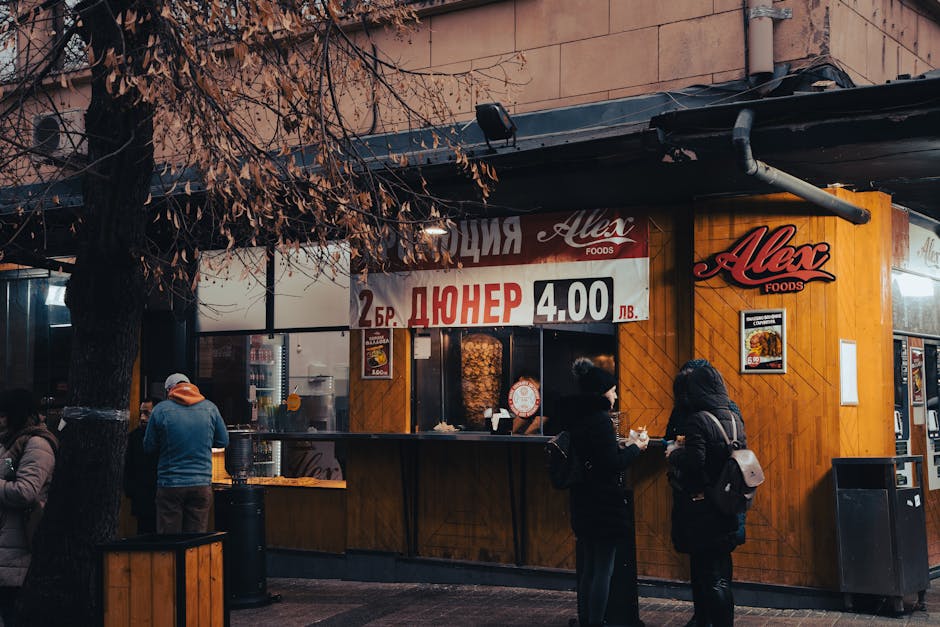
Discover Sofia's culinary soul on this self-guided walk through historic markets, artisan bakeries, and vibrant rakia bars.
 Easy
EasyNairobi, Kenya
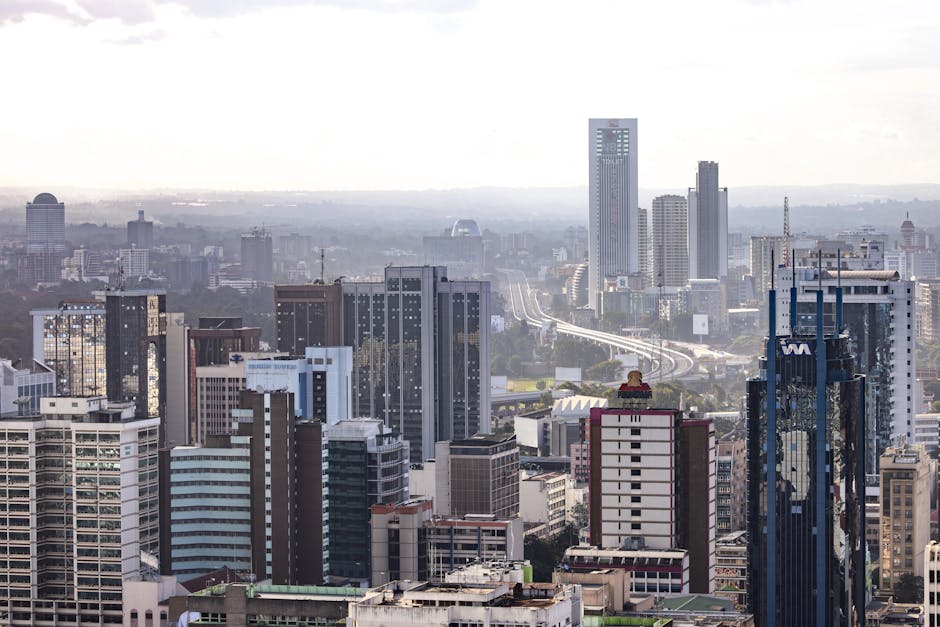
Explore Nairobi's architectural evolution from colonial-era landmarks to iconic Brutalist skyscrapers on this historic self-guided walking route.
 Easy
EasyNairobi, Kenya
Discover Nairobi's iconic skyline on this self-guided architecture walk through the CBD’s most famous modernist and Brutalist landmarks.
 Easy
EasyKrakow, Poland
Explore the historic heart of Kazimierz on this self-guided walk through synagogues, ancient cemeteries, and vibrant squares.
 Easy
EasySalzburg, Austria
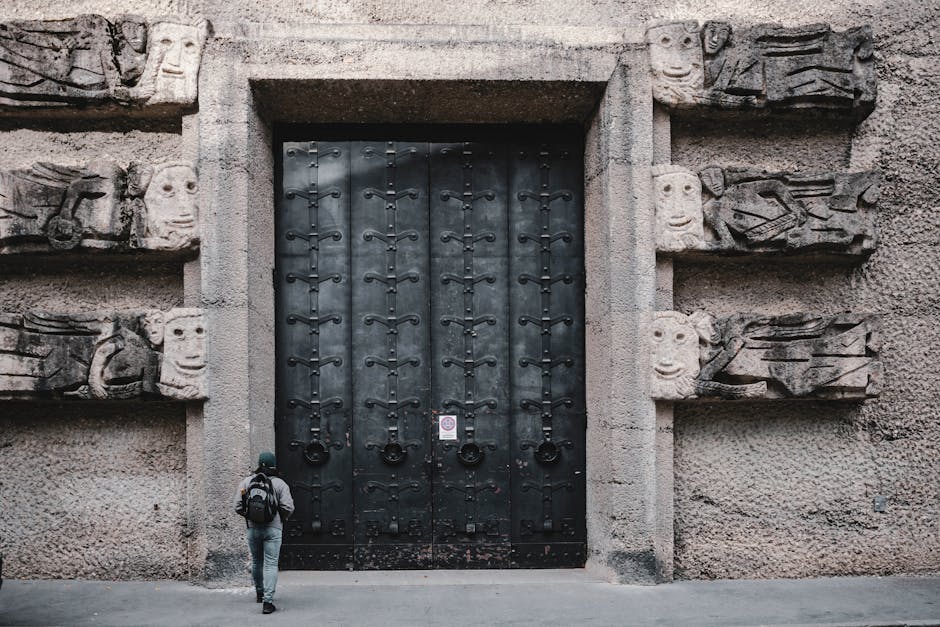
Discover the 'Rome of the North' on this self-guided walk through the Baroque squares and monumental legacy of Salzburg’s Prince-Archbishops.
 Moderate
Plovdiv, Bulgaria
Explore Plovdiv’s socialist past, from the towering Alyosha monument to Brutalist gems and the International Fair on this self-guided walking route.
 Moderate
Plovdiv, Bulgaria
Discover secret gardens and secluded 19th-century courtyards in Plovdiv's historic Old Town on this peaceful self-guided walk.
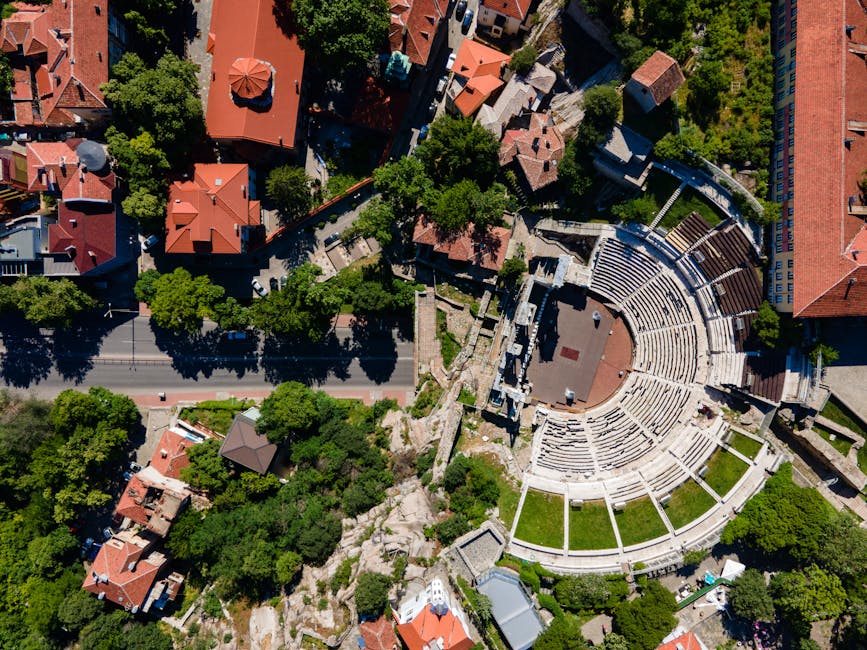 Easy
EasyPlovdiv, Bulgaria
Discover the Roman heart of Philippopolis on this self-guided walk through Plovdiv's ancient forums, massive stadium, and breathtaking mosaics.
 Easy
EasyPlovdiv, Bulgaria
Discover Plovdiv's multi-layered history on this self-guided walk through ancient Roman ruins, Ottoman mosques, and vibrant Orthodox cathedrals.