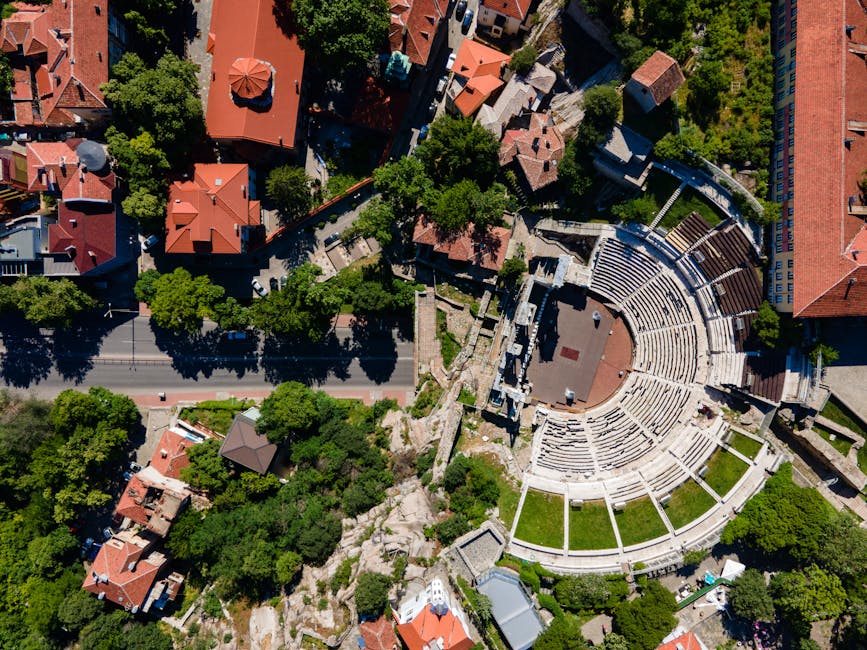
Self-guided audio tour in Plovdiv
Start Free on iPhone
Start free on iPhone to unlock this self-guided walking tour in Plovdiv. Hear all the stories that make it amazing, walk at your own pace, and begin whenever you want.
Your Private Tour Guide
Step back two millennia into the heart of Philippopolis, the Roman name for the vibrant city we now know as Plovdiv. This self-guided walk invites you to explore the monumental legacy of the Roman Empire in one of Europe's oldest continuously inhabited cities. As you follow this walking route through the modern city center, you will discover how the ancient imperial past remains woven into the fabric of contemporary Bulgarian life. The journey begins at the remnants of the Roman Aqueduct, a testament to the sophisticated engineering that once powered this thriving provincial capital. From there, your neighborhood stroll takes you to the Forum and Odeon, the civic and cultural pulse of the ancient city where citizens gathered for trade, politics, and music. One of the true highlights of this audio walk is the encounter with Plovdiv's early Christian heritage. You will visit the Small Basilica and the magnificent Bishop's Basilica of Philippopolis, home to some of the most intricate and well-preserved Roman mosaics in the world. These vibrant depictions of birds and geometric patterns offer a window into the spiritual and artistic transition of the late Roman era. The route concludes at the Ancient Stadium, a massive structure that once held 30,000 spectators and now sits remarkably preserved beneath the main pedestrian street. Exploring Plovdiv independently allows you to appreciate the scale of these ruins at your own pace, moving between the bustling cafes of today and the marble steps of yesterday. This walking tour Plovdiv is designed for those who want to see the 'layers' of history, where a simple turn of a corner reveals a Roman gate or a hidden mosaic. Whether you are a history enthusiast or a first-time visitor, this route provides a clear and engaging narrative of how Philippopolis became the 'largest and most beautiful of all cities' in the province of Thrace.
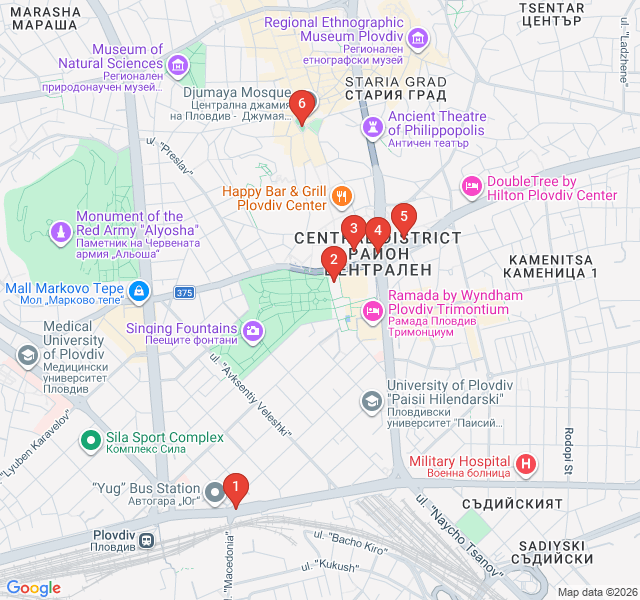
Numbers indicate the order of stops on the tour.
Begin your self-guided adventure at these weathered stone pillars, which are the remains of a massive Roman aqueduct system. In the 2nd and 3rd centuries, Philippopolis required a steady supply of fresh water for its public baths and fountains. These ruins represent the western line of the aqueduct, which carried water from the Rhodope Mountains nearly 30 kilometers away. The engineering was precise, maintaining a steady slope to ensure the water reached the city's hills. Today, these arches stand as a quiet reminder of the city's former scale and the Roman commitment to public infrastructure.
Welcome to the civic heart of ancient Philippopolis. The Forum was the city's main square, where the most important administrative buildings, shops, and the treasury were located. Spanning over 11 hectares, it was one of the largest forums in the Roman Balkans. As you walk through the site, notice the foundations of the ancient shops that once lined the perimeter. This was the place where imperial edicts were read and where the city's inhabitants gathered to trade grain, pottery, and luxury goods. It remains a central landmark, bridging the gap between the ancient city and the modern central post office.
Located at the northeastern corner of the Forum, the Odeon served as a smaller, roofed theater used for musical performances and meetings of the city council. Unlike the larger Amphitheatre nearby, the Odeon provided a more intimate setting for the cultural elite. During the 4th century, it was reconstructed as a small theater. Look at the marble seats and the orchestra area; it’s easy to imagine the debates that once echoed here. The site was rediscovered in the late 20th century and has since been carefully restored to host modern events, continuing its legacy as a place of assembly.
This site offers a glimpse into the spiritual transformation of the Roman Empire. Built in the late 5th century, the Small Basilica was located near the city's eastern fortification wall. It is famous for its exceptionally well-preserved floor mosaics, featuring colorful depictions of birds, deer, and geometric motifs. These symbols were common in early Christian art, representing the soul's journey and the garden of paradise. The craftsmanship here reveals the high level of artistic skill present in Philippopolis during the transition from the pagan Roman era to the Byzantine period.
This is the crown jewel of Plovdiv’s Roman heritage. The Bishop's Basilica is one of the largest early Christian temples in the Balkans, dating back to the 4th century. What makes this site world-class is the 2,000 square meters of floor mosaics spread across two levels. You will find over 100 unique depictions of birds, symbolizing the variety of life and the divine. The basilica was a major religious center until the 6th century. Today, it is housed in a modern museum complex that allows you to walk directly over the glass floors to view the intricate patterns below.
End your neighborhood stroll at the most spectacular remnant of the Roman era: the Ancient Stadium. Built in the 2nd century under Emperor Hadrian, it was roughly 240 meters long and could seat 30,000 people for athletic games and chariot races. Today, you are standing at the northern curved end of the stadium. While most of the structure remains buried under the modern shops of the pedestrian street, this excavated section allows you to descend into the original marble seating. It is a powerful reminder of the city's imperial grandeur and a favorite spot for locals to meet today.
Start Free on iPhone
Explore “The Roman Road: Plovdiv's Imperial Past” with your very own Private Tour Guide with Zigway. Start free on iPhone, skip the large group and the fixed routes, and hear the city come alive as you go.
Your Private Tour Guide
Don't miss the good stuff
Explore Freely
 Moderate
Plovdiv, Bulgaria
Explore Plovdiv’s socialist past, from the towering Alyosha monument to Brutalist gems and the International Fair on this self-guided walking route.
 Moderate
Plovdiv, Bulgaria
Discover secret gardens and secluded 19th-century courtyards in Plovdiv's historic Old Town on this peaceful self-guided walk.
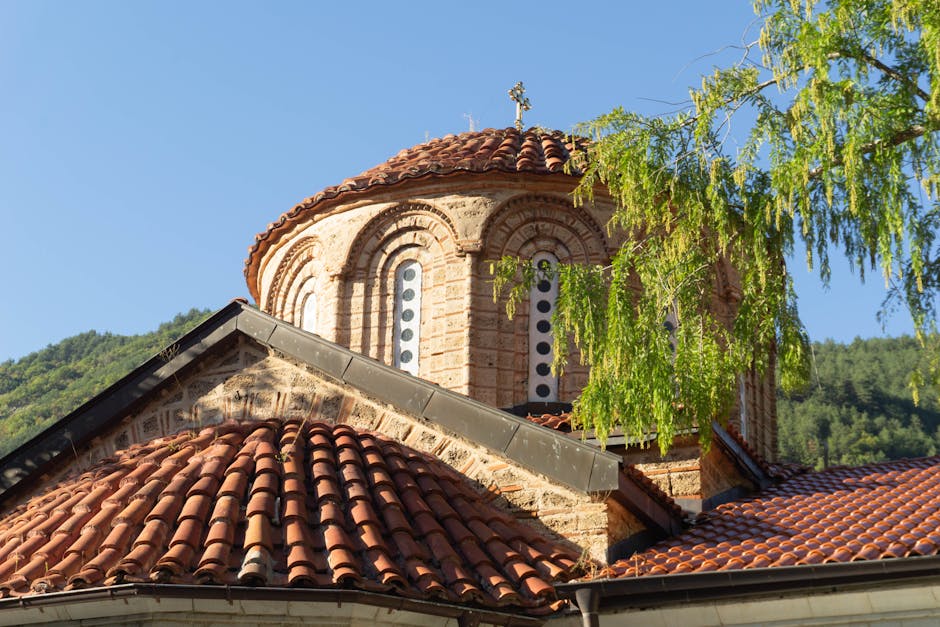 Easy
EasyPlovdiv, Bulgaria
Discover Plovdiv's multi-layered history on this self-guided walk through ancient Roman ruins, Ottoman mosques, and vibrant Orthodox cathedrals.
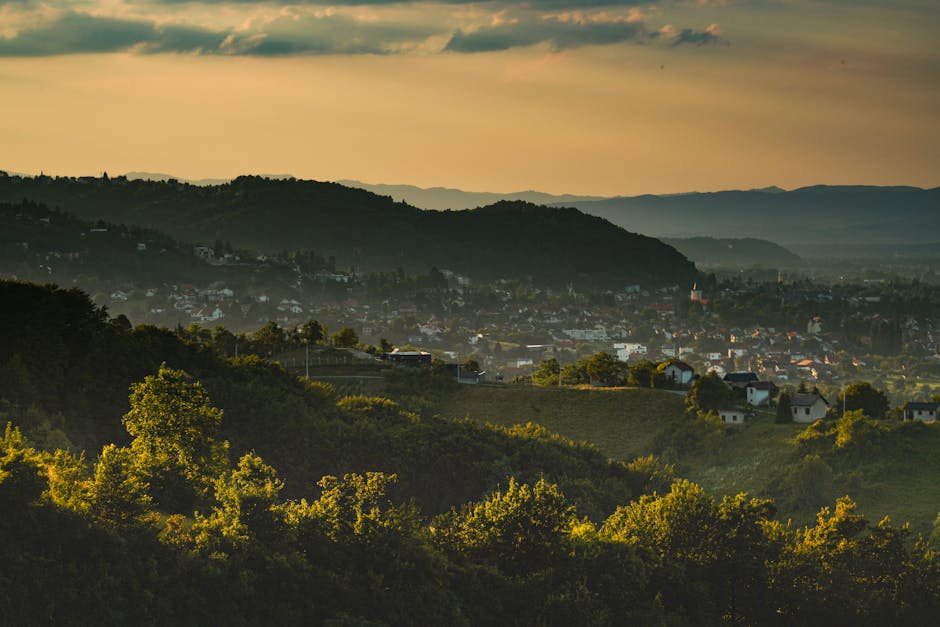 Challenging
Plovdiv, Bulgaria
Scale Plovdiv's iconic peaks on this self-guided walking route. Capture stunning sunset views from the city's historic and natural summits.
 Moderate
Gothenburg, Sweden
Discover Gothenburg’s maritime soul on this self-guided walk from the historic Central Station to the scenic riverfront at Stenpiren.
 Easy
EasyNairobi, Kenya
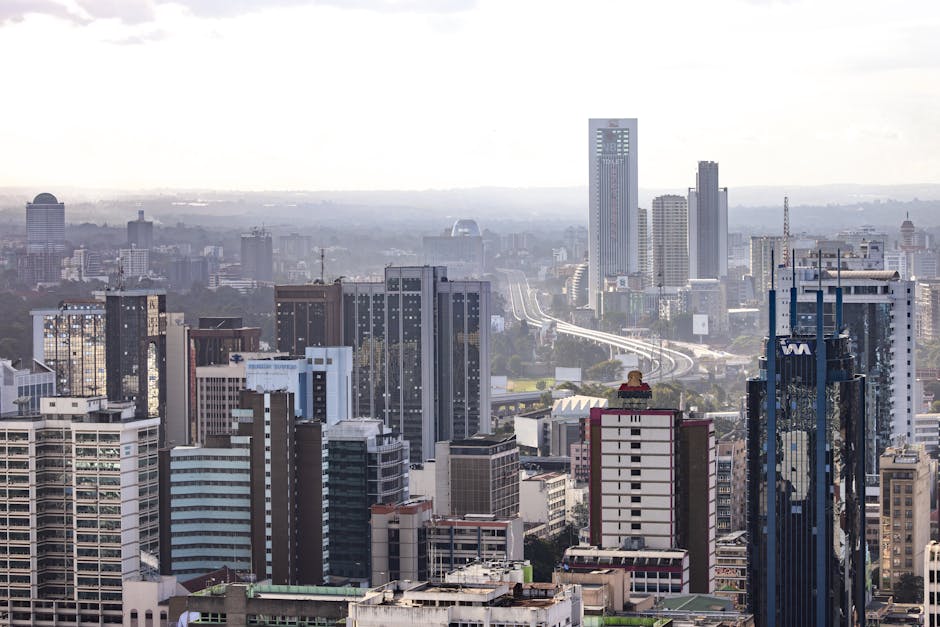
Discover Nairobi's iconic skyline on this self-guided architecture walk through the CBD’s most famous modernist and Brutalist landmarks.
 Moderate
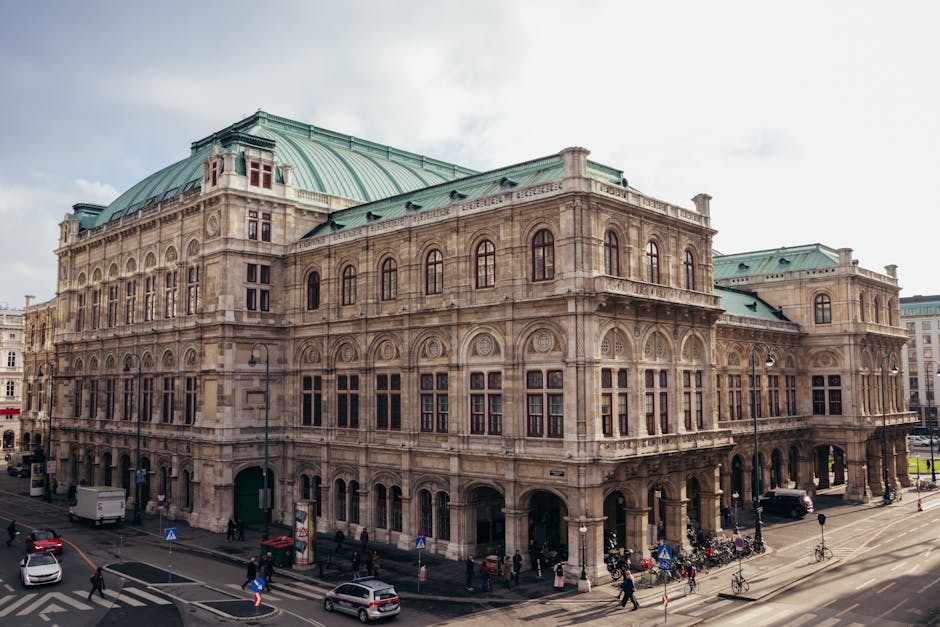
Vienna, Austria
Follow the footsteps of Mozart and Strauss through Vienna’s historic center on this self-guided walk through the city's rich musical history.
 Easy
EasyGdansk, Poland
Discover the opulent Royal Way of Gdansk at your own pace. Explore Hanseatic history, gilded architecture, and the iconic Neptune's Fountain.
 Easy
EasySofia, Bulgaria
Explore the homes and haunts of Bulgaria's greatest writers on this self-guided literary stroll through central Sofia.
 Easy
EasySofia, Bulgaria
Uncover Sofia's clandestine bars, bohemian courtyards, and secret social hubs on this self-guided evening walking route through the city center.
 Moderate
Sofia, Bulgaria
Explore Sofia's Communist past through its massive monuments and Brutalist architecture on this insightful self-guided walking route.
 Easy
EasySofia, Bulgaria
Discover Sofia's culinary soul on this self-guided walk through historic markets, artisan bakeries, and vibrant rakia bars.