Self-guided audio tour in Sofia
Start Free on iPhone
Start free on iPhone to unlock this self-guided walking tour in Sofia. Hear all the stories that make it amazing, walk at your own pace, and begin whenever you want.
Your Private Tour Guide
Sofia holds a secret that few cities in the world can claim: a small geographical area where four distinct faiths have coexisted in peace for centuries. Known locally as the 'Square of Tolerance,' this neighborhood stroll takes you through the heart of the Bulgarian capital to witness the architectural and spiritual harmony of the city. On this self-guided walk, you will encounter a Catholic cathedral, an Orthodox church, a mosque, and a synagogue, all standing within a few hundred meters of one another. This route isn't just about religious history; it is a journey through the layers of Sofia’s past, from the Roman ruins of Ancient Serdica to the grand Ottoman structures and the elegant 20th-century public buildings. Starting at the modern St. Joseph's Catholic Cathedral, you will loop through the historic center, passing the site of the ancient Roman forum and the iconic St. Nedelya Church. The route then leads you into the subterranean world of the Ancient Serdica Archaeological Complex, where you can see the remains of the Roman city that Emperor Constantine once called 'my Rome.' As you emerge, the smell of mineral water and the sight of the Central Sofia Mineral Baths remind you of the city's natural gifts. The final leg of this walking route Sofia highlights the Ottoman influence at the Banya Bashi Mosque and concludes at the majestic Sofia Synagogue, one of the largest and most beautiful in Europe. This self-guided adventure allows you to explore at your own pace, stopping to admire the intricate mosaics or to taste the warm mineral water from the public fountains. It is a perfect introduction for those looking for a comprehensive travel experience that blends spirituality, archaeology, and urban history. By the end of this neighborhood stroll, you will understand why Sofia is celebrated as a beacon of cultural and religious integration in the Balkans. Whether you are interested in Byzantine architecture or the daily life of modern Bulgarians, this walking route offers a profound look at the soul of the city.
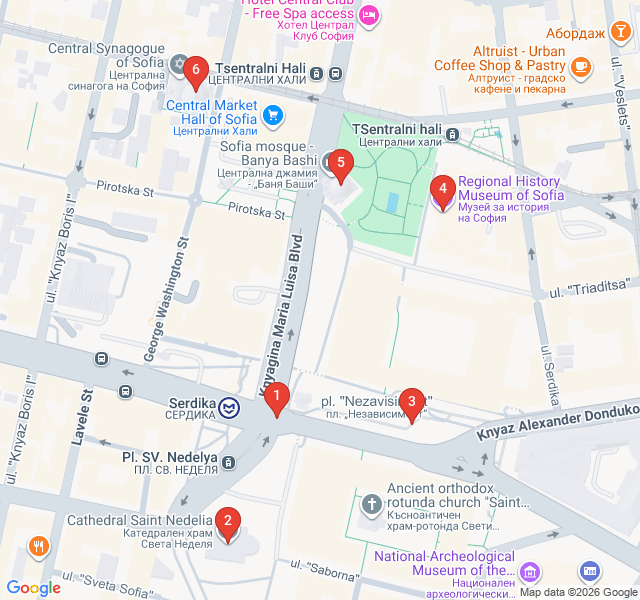
Numbers indicate the order of stops on the tour.
Start exploring with Zigway at the newest addition to Sofia's religious landscape. This modern cathedral was consecrated in 2006, replacing a previous building destroyed by Allied bombing during World War II. Its presence here completes the 'Triangle of Tolerance.' While the exterior is contemporary and minimalist, the interior offers a serene space for the city's Catholic community. Notice the statue of Pope John XXIII, often called 'The Bulgarian Pope,' who served as the Apostolic Visitor to Bulgaria in the 1920s and 30s. This stop represents the Catholic pillar of Sofia’s unique multi-faith center, standing just steps away from Orthodox, Muslim, and Jewish places of worship.
This Eastern Orthodox cathedral is a symbol of Bulgarian resilience. Though a church has stood on this spot for centuries, the current structure is famous for a somber reason: it was the site of a devastating terrorist attack in 1925. After the tragedy, the church was rebuilt in its current Neo-Byzantine style, featuring a massive central dome and stunning interior frescoes. As you look at the exterior, consider the layers of history beneath your feet; the church sits directly atop the remains of the ancient Roman Praetorium, or the governor's palace. It remains one of the most popular places for weddings and baptisms in Sofia today.
Step down into the past as you enter the Serdica Archaeological Complex. When the city began expanding its metro system in 2010, workers unearthed a massive section of the Roman city of Serdica. Today, you can walk along 4th-century Roman streets, see the foundations of early Christian basilicas, and view ancient drainage systems. This was the city that Emperor Constantine the Great loved so much he considered making it the capital of the Roman Empire. The glass domes above you allow natural light to illuminate the ruins while modern Sofia hums with life just a few feet above. It is a rare opportunity to see the literal layers of history that define this capital.
The striking yellow and red striped building before you is the former Central Mineral Baths, built in the early 20th century in the Vienna Secession style. Sofia was founded here specifically because of the thermal springs, which have been used since Thracian and Roman times. While the building now houses the Regional History Museum of Sofia, the water still flows. Look to the side of the building to find the public fountains where locals gather daily to fill bottles with warm, mineral-rich water. The ornate facade, decorated with ceramic mosaics of flowers and geometric patterns, makes this one of the most photographed spots in the city center.
Designed by the legendary Ottoman architect Mimar Sinan—the man responsible for the Blue Mosque in Istanbul—Banya Bashi was completed in 1566. Its name literally translates to 'many baths,' referencing the thermal springs located right next door. In fact, you can sometimes see steam rising from vents near the mosque's walls. This is the only functioning mosque in Sofia today, and its call to prayer serves as a reminder of the city's five centuries of Ottoman rule. The architecture is classic Ottoman, featuring a large dome and a single, slender minaret. It stands as a vital piece of the city's spiritual puzzle, located directly across from the Central Market Hall.
The final stop on our walking route is the Sofia Synagogue, the largest Sephardic synagogue in Europe and the third-largest synagogue on the continent. Built in 1909 in the Moorish Revival style, it was designed by Austrian architect Friedrich Grünanger to resemble the old Leopoldstädter Tempel in Vienna. The interior is breathtaking, featuring a massive brass chandelier weighing over two tons. The synagogue is not just an architectural marvel; it is a monument to the Bulgarian Jewish community, which was famously saved from deportation during the Holocaust. Its proximity to the mosque and churches we just visited perfectly encapsulates the spirit of tolerance that defines Sofia.
Start Free on iPhone
Explore “The Triangle of Tolerance: A Journey of Faith” with your very own Private Tour Guide with Zigway. Start free on iPhone, skip the large group and the fixed routes, and hear the city come alive as you go.
Your Private Tour Guide
Don't miss the good stuff
Explore Freely
 Easy
EasySofia, Bulgaria
Explore the homes and haunts of Bulgaria's greatest writers on this self-guided literary stroll through central Sofia.
 Easy
EasySofia, Bulgaria
Uncover Sofia's clandestine bars, bohemian courtyards, and secret social hubs on this self-guided evening walking route through the city center.
 Moderate
Sofia, Bulgaria
Explore Sofia's Communist past through its massive monuments and Brutalist architecture on this insightful self-guided walking route.
 Easy
EasySofia, Bulgaria
Discover Sofia's culinary soul on this self-guided walk through historic markets, artisan bakeries, and vibrant rakia bars.
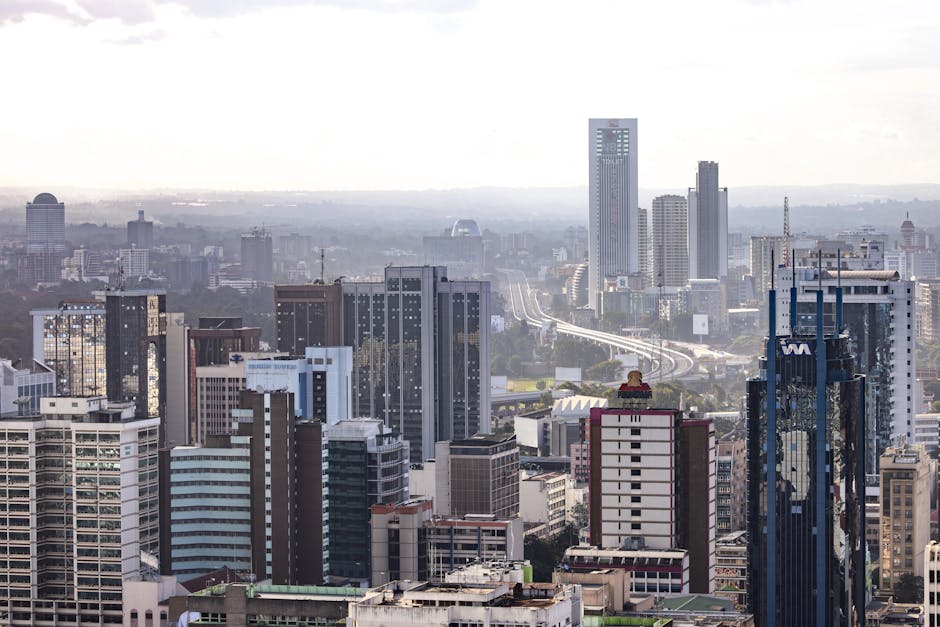 Easy
EasyNairobi, Kenya
Explore Nairobi's architectural evolution from colonial-era landmarks to iconic Brutalist skyscrapers on this historic self-guided walking route.
 Easy
EasyNairobi, Kenya
Discover Nairobi's iconic skyline on this self-guided architecture walk through the CBD’s most famous modernist and Brutalist landmarks.
 Easy
EasyKrakow, Poland
Explore the historic heart of Kazimierz on this self-guided walk through synagogues, ancient cemeteries, and vibrant squares.
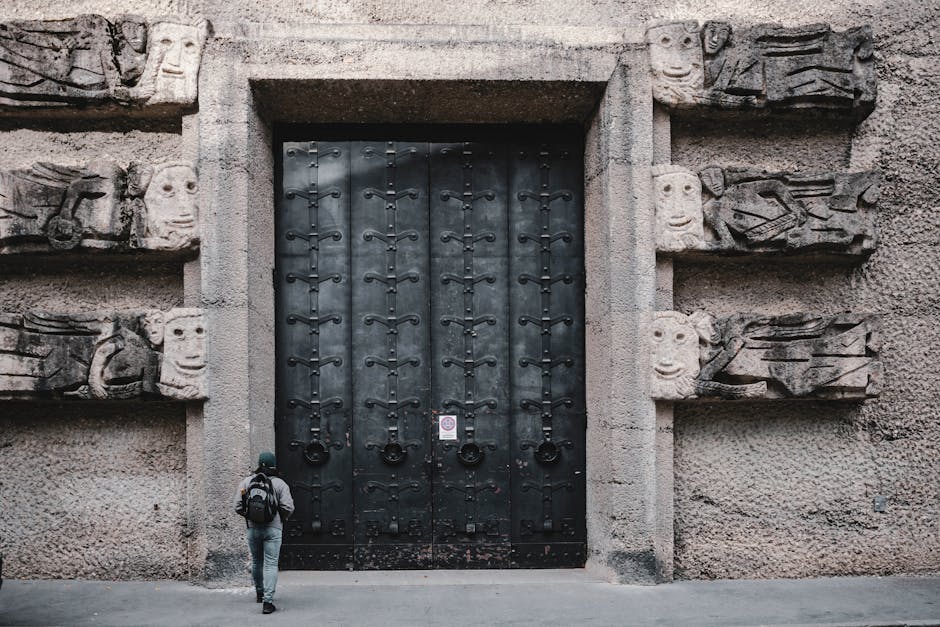 Easy
EasySalzburg, Austria
Discover the 'Rome of the North' on this self-guided walk through the Baroque squares and monumental legacy of Salzburg’s Prince-Archbishops.
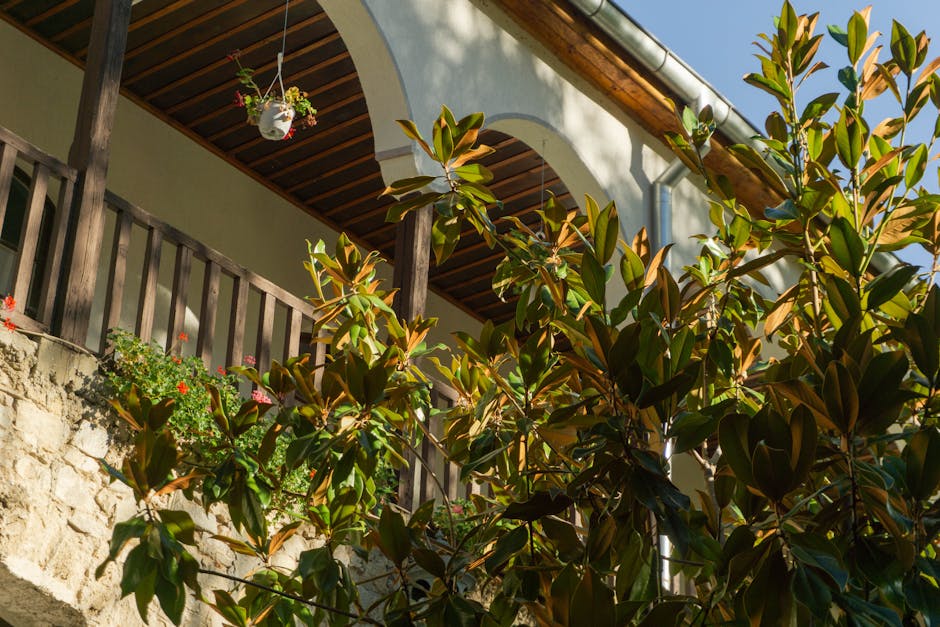 Moderate
Plovdiv, Bulgaria
Explore Plovdiv’s socialist past, from the towering Alyosha monument to Brutalist gems and the International Fair on this self-guided walking route.
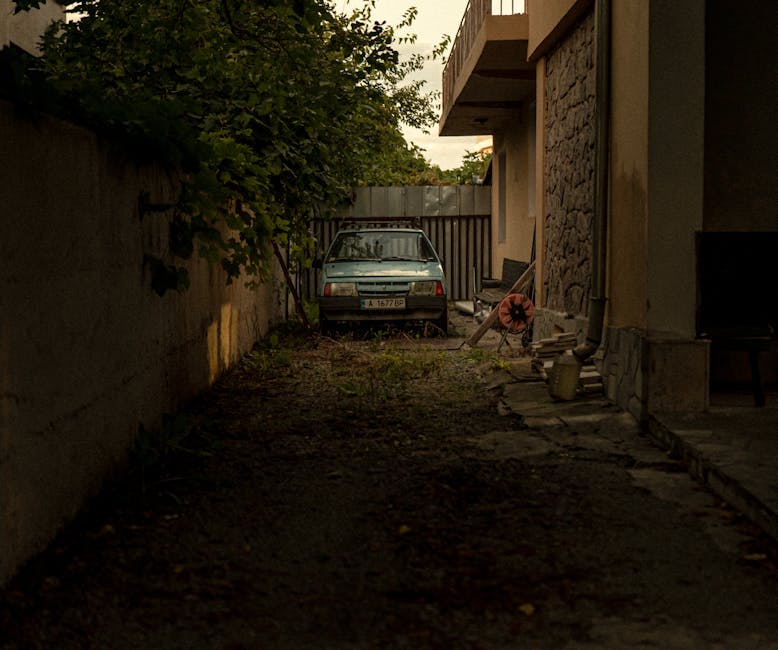 Moderate
Plovdiv, Bulgaria
Discover secret gardens and secluded 19th-century courtyards in Plovdiv's historic Old Town on this peaceful self-guided walk.
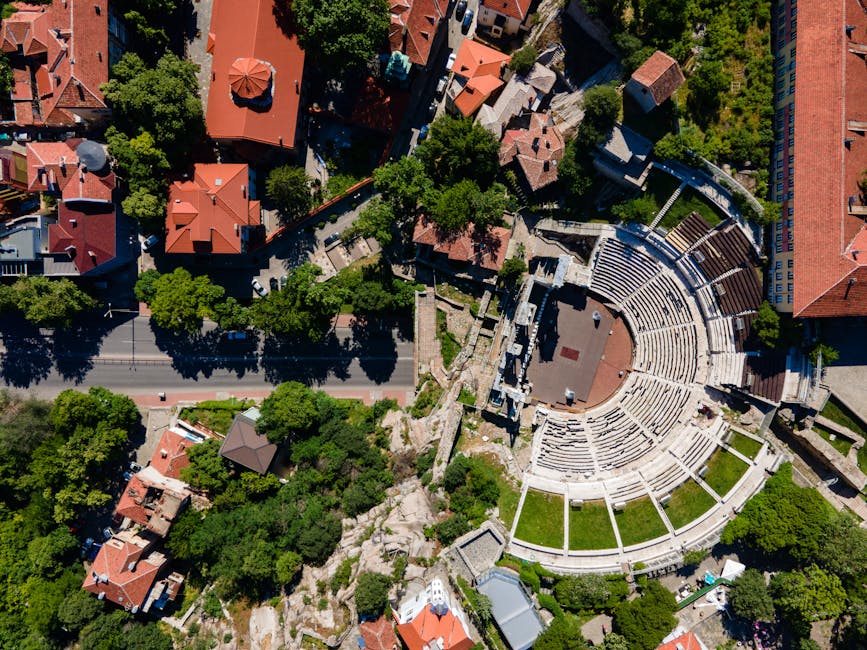 Easy
EasyPlovdiv, Bulgaria
Discover the Roman heart of Philippopolis on this self-guided walk through Plovdiv's ancient forums, massive stadium, and breathtaking mosaics.
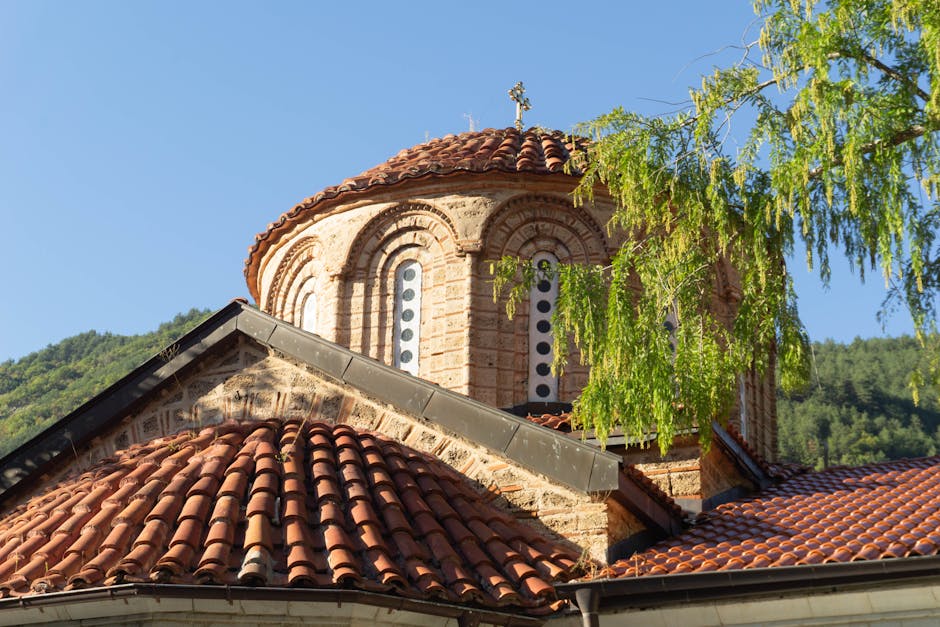 Easy
EasyPlovdiv, Bulgaria
Discover Plovdiv's multi-layered history on this self-guided walk through ancient Roman ruins, Ottoman mosques, and vibrant Orthodox cathedrals.