Self-guided audio tour in Sofia
Start Free on iPhone
Start free on iPhone to unlock this self-guided walking tour in Sofia. Hear all the stories that make it amazing, walk at your own pace, and begin whenever you want.
Your Private Tour Guide
Step onto the legendary yellow bricks of Sofia and enter a world where imperial elegance meets resilient history. This self-guided walk invites you to explore the 'Royal Heart' of the Bulgarian capital, a district defined by its grand Neo-Renaissance facades, lush gardens, and gold-domed cathedrals. As you navigate the streets of the Oborishte neighborhood, you will witness the architectural transformation of a city that transitioned from centuries of Ottoman rule to a sophisticated European capital under the Bulgarian monarchy. This walking route is designed for those who appreciate the finer details of history and the silent stories told by stone and bronze. Your journey begins at the National Assembly, the seat of Bulgarian democracy, before leading you into the vibrant atmosphere of the City Garden. Here, the locals gather near the fountains, framed by the stunning Ivan Vazov National Theatre—a masterpiece of Viennese architecture. You will then transition from the secular to the sacred, visiting the ancient Saint Sofia Church, which gave the city its name, and the breathtaking St. Alexander Nevsky Cathedral, one of the largest Eastern Orthodox cathedrals in the world. The route concludes at the former Royal Palace, now the National Gallery, where the ghosts of royalty once walked. This is more than just a simple stroll; it is an immersive experience into the soul of Sofia, allowing you to discover the city's most iconic landmarks at your own pace without the pressure of a group. Whether you are a photography enthusiast looking for the perfect shot of the golden domes or a history buff eager to uncover the layers of the past, this neighborhood stroll offers a comprehensive look at the grandeur that defines Sofia today.
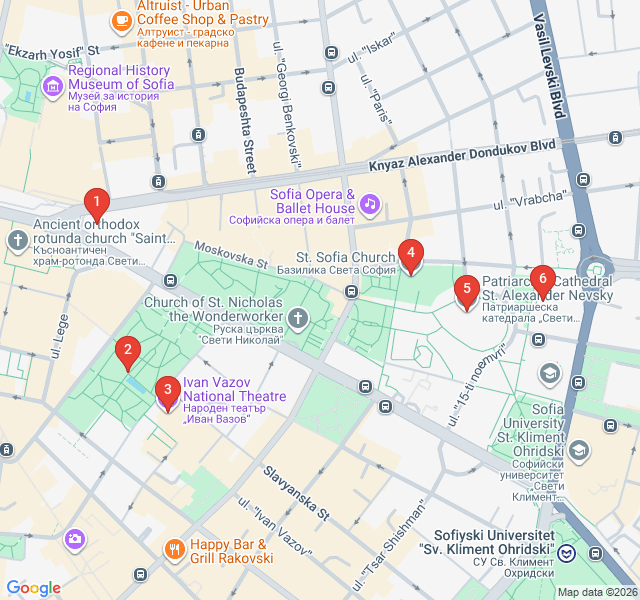
Numbers indicate the order of stops on the tour.
Begin your self-guided adventure in front of the National Assembly. Completed in 1886, this Neo-Renaissance building is the heart of Bulgarian politics. Look closely at the main entrance to see the motto 'Suedinenieto pravi silata,' which translates to 'Unity Makes Strength.' This phrase was adopted from the Belgian coat of arms and reflects the nation's post-liberation aspirations. The building sits on the famous yellow bricks—a gift from the Austro-Hungarian Empire. This spot has been the stage for many of the country's most significant historical protests and celebrations, making it a symbol of the Bulgarian spirit and its journey toward modern democracy.
Take a short walk to the City Garden, the oldest public park in Sofia, established in 1872. This is the city's social living room. You will often see locals playing chess on the stone tables or enjoying the large central fountain. The garden was originally laid out during the Ottoman period but was significantly redesigned after Bulgaria's independence to mirror the grand parks of Western Europe. It serves as a green buffer between the political buildings and the cultural heart of the city. Take a moment to breathe in the atmosphere and observe the daily rhythm of Sofia life before heading toward the theater.
Standing prominently at the edge of the City Garden is the Ivan Vazov National Theatre, a stunning example of Neoclassical architecture. Designed by the famous Viennese architects Fellner & Helmer and completed in 1907, it is the oldest and most prestigious theater in the country. The facade features a pediment depicting Apollo and the Muses. The building has survived a devastating fire in 1923 and bombings during World War II, each time being meticulously restored. It remains a pinnacle of Bulgarian culture, named after the 'Patriarch of Bulgarian Literature,' Ivan Vazov, whose plays are still performed within its grand halls today.
Moving toward the religious district, you encounter the Saint Sofia Church. This modest red-brick structure is one of the most significant historical sites in the Balkans. Dating back to the 6th century, it was built during the reign of Byzantine Emperor Justinian I. It is so important that the city itself was renamed 'Sofia' after this church in the 14th century. Unlike the ornate cathedrals nearby, Saint Sofia’s beauty lies in its ancient simplicity. Beneath its floors lies an extensive necropolis with tombs dating back to Roman times. Outside, you will find the Monument to the Unknown Soldier and the eternal flame, honoring those who fell for Bulgaria.
Just steps away is the crown jewel of Sofia's skyline: the St. Alexander Nevsky Cathedral. This Neo-Byzantine masterpiece was built between 1882 and 1912 to honor the Russian soldiers who died during the Russo-Turkish War of 1877-1878, which led to Bulgaria’s liberation. Its gold-plated domes can be seen from across the city, and the interior is a cavernous space filled with Italian marble, Brazilian onyx, and intricate mosaics. It can hold up to 5,000 people. As you walk around the exterior, note the different architectural influences that blend Eastern Orthodox traditions with European craftsmanship, creating a truly unique landmark that defines the Bulgarian capital.
Your walking route concludes at the former Royal Palace, now housing the National Gallery and the Institute of Ethnology and Folklore Studies. This site was originally an Ottoman administrative building (a konak) but was completely transformed into a European-style palace after Prince Alexander I Battenberg took the throne. The architecture reflects the French second-empire style, symbolizing Bulgaria’s shift toward the West. For decades, this was the residence of the Bulgarian Tsars. Today, it preserves the nation's artistic heritage. Standing here, you are at the intersection of Sofia's royal past and its vibrant cultural present, marking the perfect end to your exploration of the city's heart.
Start Free on iPhone
Explore “Golden Bricks and Grandeur: Sofia's Royal Heart” with your very own Private Tour Guide with Zigway. Start free on iPhone, skip the large group and the fixed routes, and hear the city come alive as you go.
Your Private Tour Guide
Don't miss the good stuff
Explore Freely
 Easy
EasySofia, Bulgaria
Explore the homes and haunts of Bulgaria's greatest writers on this self-guided literary stroll through central Sofia.
 Easy
EasySofia, Bulgaria
Uncover Sofia's clandestine bars, bohemian courtyards, and secret social hubs on this self-guided evening walking route through the city center.
 Moderate
Sofia, Bulgaria
Explore Sofia's Communist past through its massive monuments and Brutalist architecture on this insightful self-guided walking route.
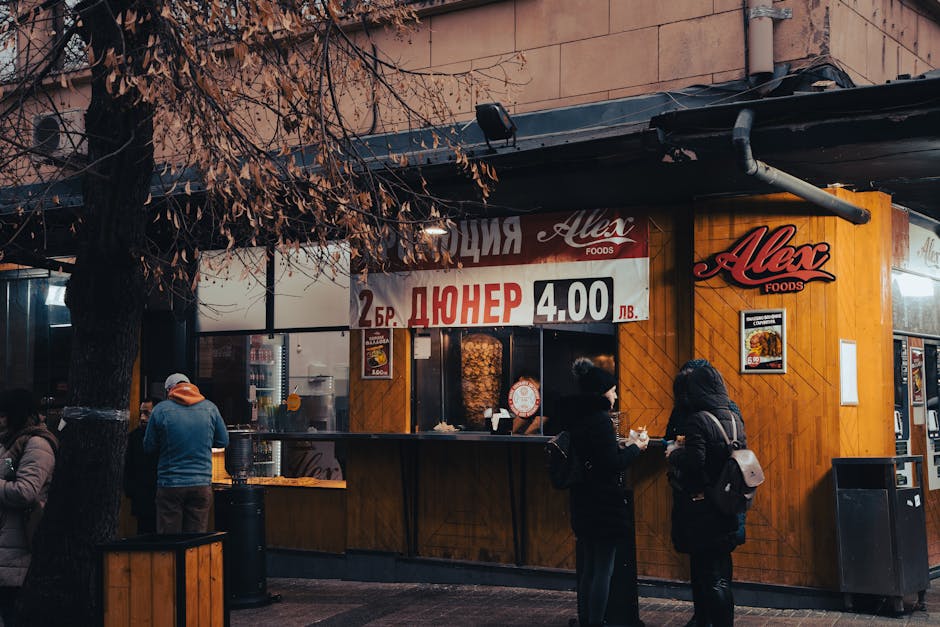 Easy
EasySofia, Bulgaria
Discover Sofia's culinary soul on this self-guided walk through historic markets, artisan bakeries, and vibrant rakia bars.
 Easy
EasyNairobi, Kenya
Discover Nairobi's iconic skyline on this self-guided architecture walk through the CBD’s most famous modernist and Brutalist landmarks.
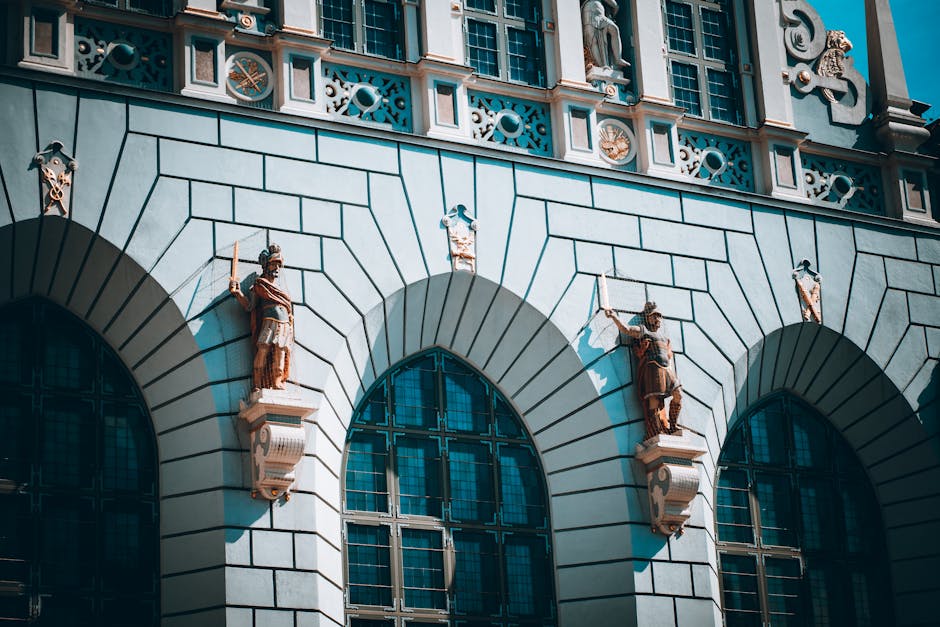 Easy
EasyGdansk, Poland
Discover the opulent Royal Way of Gdansk at your own pace. Explore Hanseatic history, gilded architecture, and the iconic Neptune's Fountain.
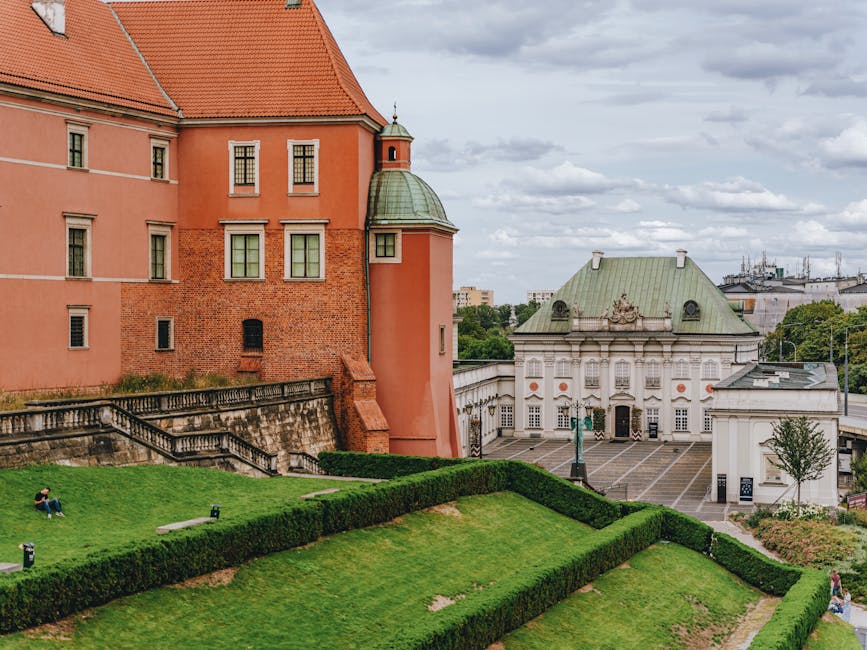 Easy
EasyWarsaw, Poland
Explore the miracle of Warsaw's reconstructed Old Town on this self-guided walk through royal squares, medieval walls, and heroic monuments.
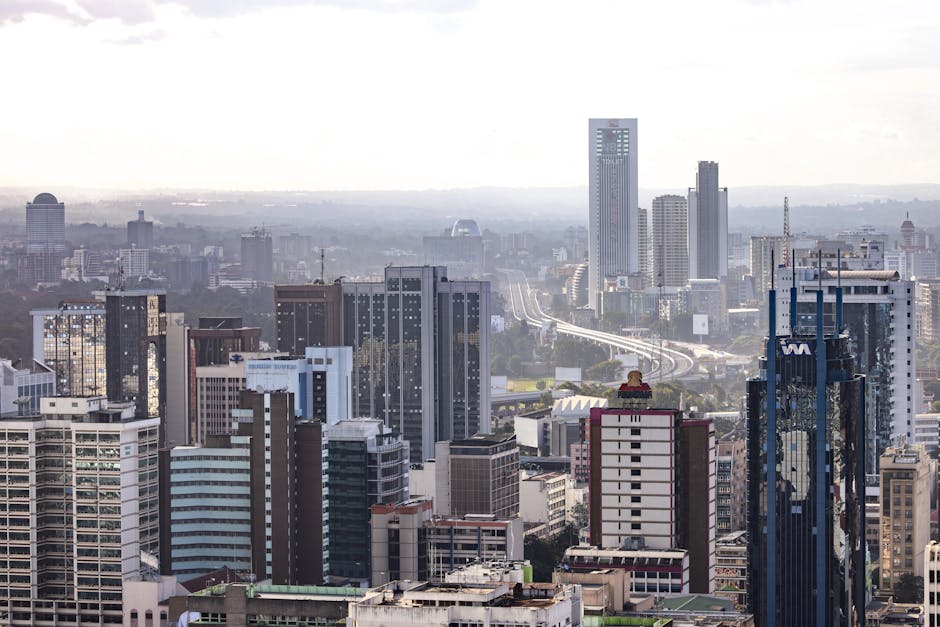 Easy
EasyNairobi, Kenya
Explore Nairobi's architectural evolution from colonial-era landmarks to iconic Brutalist skyscrapers on this historic self-guided walking route.
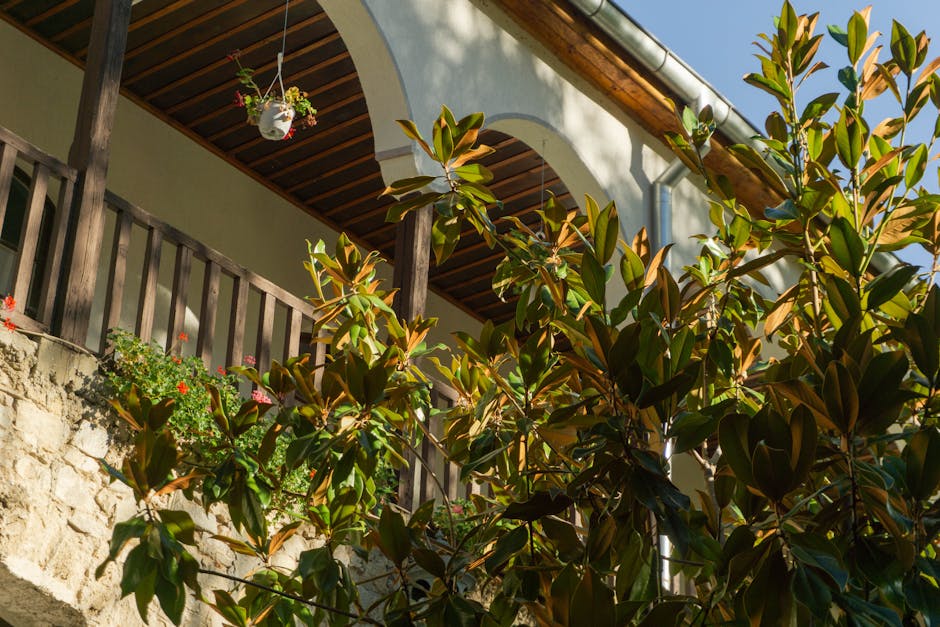 Moderate
Plovdiv, Bulgaria
Explore Plovdiv’s socialist past, from the towering Alyosha monument to Brutalist gems and the International Fair on this self-guided walking route.
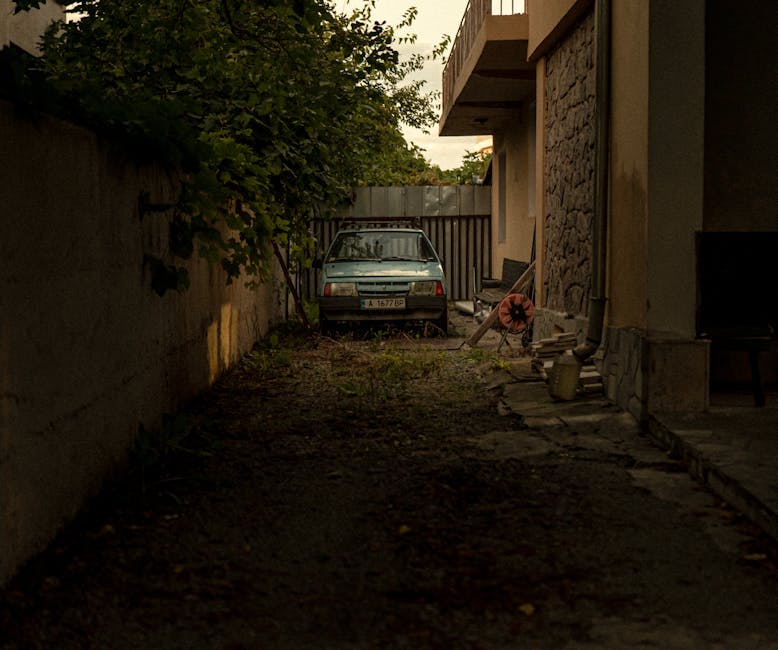 Moderate
Plovdiv, Bulgaria
Discover secret gardens and secluded 19th-century courtyards in Plovdiv's historic Old Town on this peaceful self-guided walk.
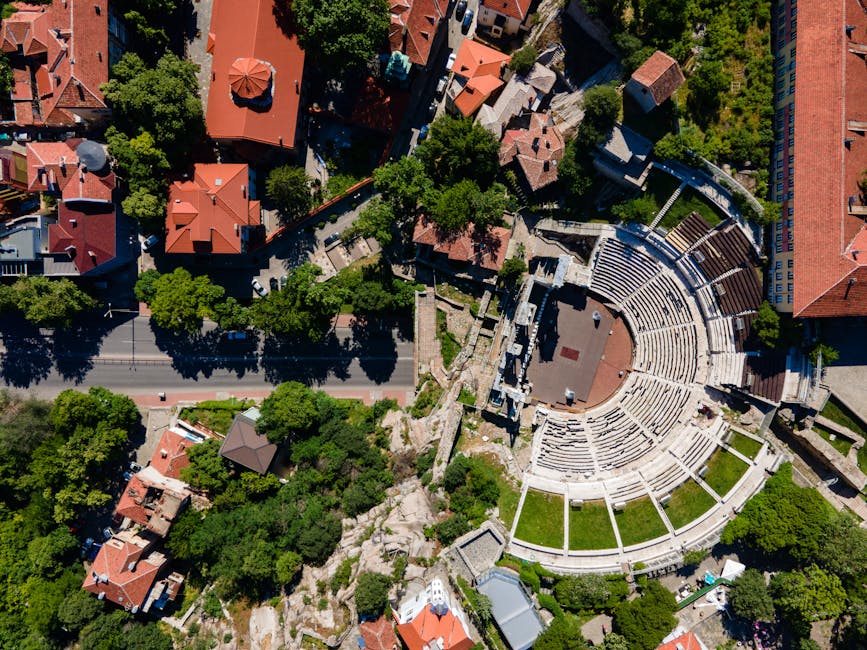 Easy
EasyPlovdiv, Bulgaria
Discover the Roman heart of Philippopolis on this self-guided walk through Plovdiv's ancient forums, massive stadium, and breathtaking mosaics.
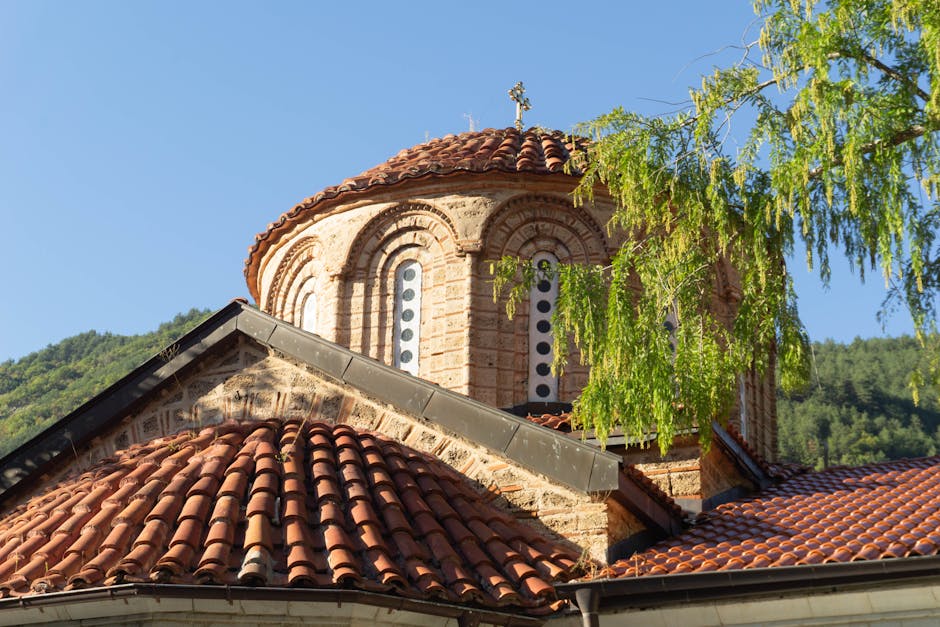 Easy
EasyPlovdiv, Bulgaria
Discover Plovdiv's multi-layered history on this self-guided walk through ancient Roman ruins, Ottoman mosques, and vibrant Orthodox cathedrals.