Self-guided audio tour in Plovdiv
Start Free on iPhone
Start free on iPhone to unlock this self-guided walking tour in Plovdiv. Hear all the stories that make it amazing, walk at your own pace, and begin whenever you want.
Your Private Tour Guide
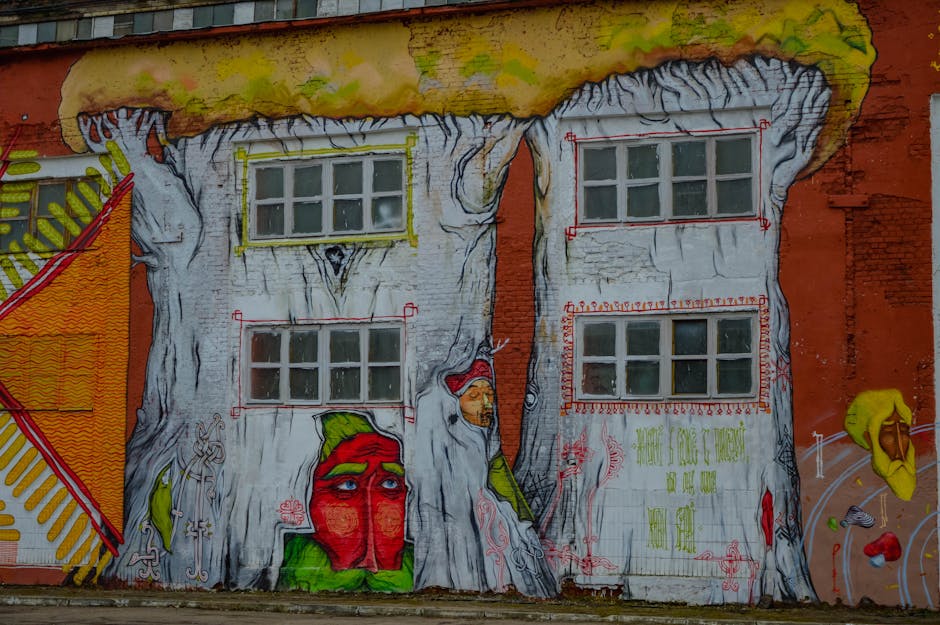
Step into the vibrant soul of Plovdiv with this immersive self-guided walk through Kapana, the city’s dedicated creative district. Once a bustling center for craftsmen and merchants known as 'The Trap' for its labyrinthine streets, Kapana has been reborn as a kaleidoscope of street art, independent galleries, and artisanal workshops. This neighborhood stroll captures the unique tension between Plovdiv’s ancient history and its modern, bohemian energy, leading you through narrow alleys draped in colorful flags and decorated with world-class murals. This route is designed for those who want to explore Plovdiv at their own pace, moving seamlessly between the timber-framed houses of the Old Town and the trendy craft beer bars of the creative quarter. Your journey begins at the majestic Regional Ethnographic Museum, a masterpiece of the Bulgarian National Revival, before descending into the heart of Kapana. Along the way, you will discover the stories behind iconic murals like 'The Girl with the Earrings' and walk the historic Magura Street, where modern makers still keep traditional crafts alive. The route also bridges the gap to Plovdiv’s monumental history, passing the Ancient Theatre of Philippopolis and the breathtaking mosaics of the Bishop’s Basilica. Whether you are a photography enthusiast looking for the perfect shot of Plovdiv’s street art or a history buff eager to see how a 2,000-year-old city stays young, this walking route Plovdiv offers a comprehensive look at the city’s cultural evolution. Unlike a typical walking tour Plovdiv, this audio walk allows you to linger at a cafe or spend extra time in a gallery without a schedule to keep. Experience the creative pulse of Bulgaria’s most artistic city, discovering hidden gems and local favorites that define the Plovdiv experience today. **Note:** This area is known for its ever-changing character. Street art, pop-up venues, and temporary exhibitions may differ from what's described. That's part of the adventure - you might discover something entirely new!
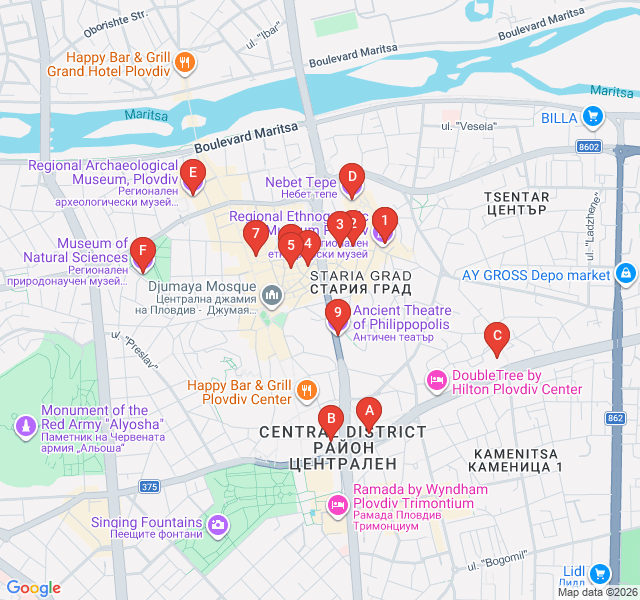
Numbers indicate the order of stops on the tour.
Start exploring with Zigway at one of the most photographed buildings in Plovdiv. This is the Kuyumdzhiev House, built in 1847 for a wealthy merchant. Its flowing, curved facade is a prime example of the 'Plovdiv Baroque' style that defined the Bulgarian National Revival. Notice the elegant symmetry and the painted ornaments on the exterior walls. Inside, the museum houses thousands of artifacts detailing the traditional life of the region, from folk costumes to artisanal tools. The lush courtyard offers a peaceful moment before you transition from the historic heights of the Old Town down into the energetic streets of the creative district below.
A short walk brings you to Balabanov's House, a reconstruction of a 19th-century merchant's home that serves as a cultural hub today. This house represents the 'symmetrical' house type, characterized by a large central hall on the second floor surrounded by smaller rooms. It is a testament to the wealth and cosmopolitan taste of Plovdiv's elite during the Ottoman era. The house frequently hosts art exhibitions and chamber music concerts, keeping the spirit of the 'Old Town' alive with contemporary cultural expression. Take a moment to admire the heavy wooden doors and the cantilevered upper floors that nearly touch the house across the street.
Adjacent to Balabanov’s is the House of Stepan Hindliyan, perhaps the most ornately decorated residence in the Old Town. Hindliyan was a merchant whose travels to the East are reflected in the intricate wall paintings found throughout the home. Look for the 'alafrangas'—painted niches that depict landscapes of cities like Alexandria, Constantinople, and Venice. These were the 19th-century equivalent of travel photos, showcasing the owner's worldly connections. The house also features a unique internal marble fountain that once circulated rose water, adding a sensory layer to the luxury of the era. It is a must-see for fans of interior design and historical art.
Welcome to the 'Trap.' The name Kapana translates literally to 'The Trap,' a nod to the dense, winding streets where you could easily lose your way. For five centuries, this was the city's commercial heart, with each street dedicated to a specific craft like leatherworking or weaving. By the late 20th century, the area had fallen into disrepair, but a massive revitalization project for Plovdiv’s 2019 European Capital of Culture title transformed it into Bulgaria's first dedicated creative district. Today, the 'trap' is one you won't want to leave, filled with pedestrian-only zones, overhead bunting, and a palpable sense of community.
In the heart of Kapana, you’ll find Cat and Mouse, one of the pioneers of the neighborhood’s craft beer revolution. This spot is more than just a bar; it’s a social anchor for the local creative community. When Kapana was being revitalized, places like this helped shift the area from a quiet residential zone to a vibrant nightlife and social hub. They offer a wide selection of Bulgarian craft brews, many of which are produced in limited batches. Even if you aren't stopping for a drink, notice how the bar integrates into the street life, with patrons often spilling out onto the cobblestones, embodying the relaxed, 'aylyak' lifestyle Plovdiv is famous for.
Kapana is an open-air gallery, and this mural is one of its most iconic pieces. Created by the street art collective Stern, it depicts a stylized young woman adorned with intricate jewelry. Street art in Kapana is highly regulated and curated, often reflecting the neighborhood's history or its creative future. Please keep in mind that street art is inherently temporary; murals may be updated, painted over, or slightly altered as part of the district's 'living' nature. This constant change is what keeps the creative pulse of Kapana beating. Take a moment to look around at the smaller tags and stickers nearby—they are the smaller voices in this urban conversation.
Magura Street is the backbone of Kapana's maker culture. As you stroll down this narrow lane, you’ll pass independent boutiques, handmade jewelry shops, and art studios. This street best preserves the spirit of the old craftsmen who once defined the district. Unlike mass-market shopping streets, Magura is about the unique and the handcrafted. You might see a local artist working in their window or a designer arranging a new display. It’s the perfect place to find a souvenir that actually has a story behind it. The architecture here is smaller in scale than the Old Town, reflecting the modest but industrious lives of the historic merchant class.
Moving back toward the edge of the Old Town, you encounter Philippopolis, a site where fine dining meets fine art. This building houses a private art gallery and a restaurant with a terrace offering one of the best views of the city. It sits atop ancient foundations, a common theme in Plovdiv where the Roman, Ottoman, and Bulgarian layers are literally stacked on top of each other. Even if you aren't dining, the building itself is a beautiful example of how historic preservation can be paired with modern business. The garden area is particularly famous for its atmosphere, nestled against the ancient fortifications of the hill.
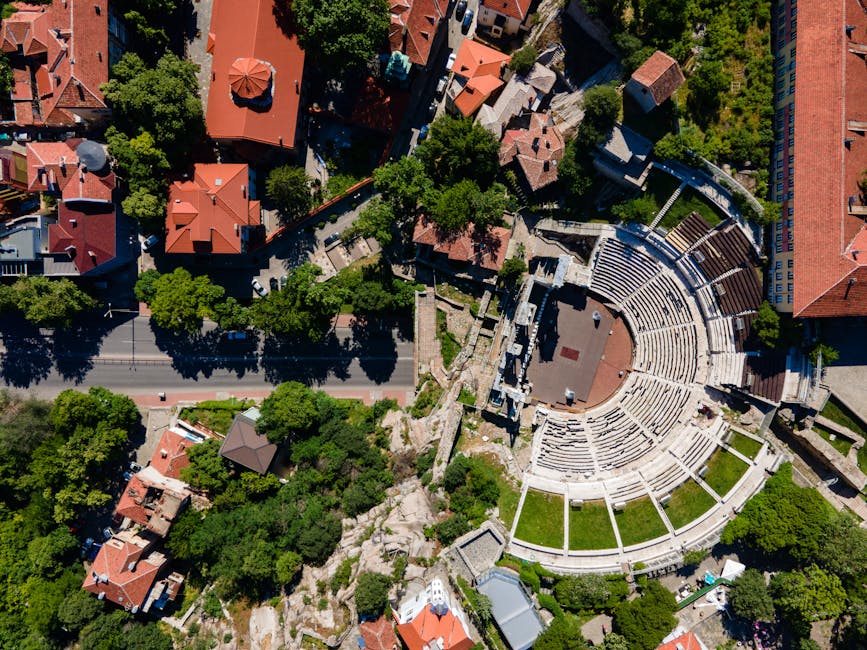
This is the crown jewel of Plovdiv. Built in the 2nd century AD during the reign of Emperor Trajan, this Roman theatre is one of the best-preserved in the world. It was only rediscovered in the 1970s after a landslide triggered a major archaeological excavation. Today, it isn't just a ruin; it is a living venue that hosts opera, rock concerts, and theatre performances under the stars. It could once hold up to 6,000 spectators. Stand at the top and look out—the theatre is perfectly positioned between two of Plovdiv’s hills, offering a dramatic backdrop of the city and the Rhodope Mountains in the distance.
The Episcopal Basilica of Philippopolis is a recent addition to Plovdiv’s world-class heritage sites. This massive early Christian church dates back to the 4th century and is famous for its nearly 2,000 square meters of floor mosaics. The mosaics feature over 100 unique bird species, symbolizing the Garden of Eden. The site was forgotten for centuries, buried under layers of soil and later buildings, until its painstaking restoration. The modern protective structure allows you to walk over the mosaics on glass walkways, providing a clear view of the incredible craftsmanship of the late Roman Empire. It is a profound link to Plovdiv’s spiritual and artistic past.
Art News Cafe is a vital node in Plovdiv’s contemporary art scene. Located near the Sariev Gallery, it has long been a meeting point for artists, curators, and writers. It’s a place where the 'creative pulse' mentioned in our route title is most audible. The cafe often hosts small exhibitions, book launches, and discussions about the future of the city. In a city so defined by its ancient ruins, places like Art News Cafe are essential—they represent the living culture that ensures Plovdiv remains a vibrant, modern European city rather than just a museum. It’s a great spot for a coffee break and to browse local cultural flyers.
A short distance from the grand Bishop's Basilica lies its smaller, but equally fascinating sibling. The Small Basilica dates from the late 5th century and was discovered by accident during construction in the 1980s. While smaller in scale, its mosaics are exceptionally fine, including a famous baptistery decorated with images of deer and doves. The site tells a story of the city's transition to Christianity and the high level of artistic skill that remained even during the turbulent years of the early Middle Ages. The intimate scale of this site provides a quieter, more contemplative look at Plovdiv’s Byzantine heritage.
Climb to the top of Nebet Tepe to see where Plovdiv began. This hill was the site of the earliest settlements, dating back over 6,000 years to the Thracians. You can see the remains of ancient fortress walls, secret tunnels, and water reservoirs. But for locals, Nebet Tepe is best known as the city’s favorite sunset spot. From here, you can see the entire layout of the city: the modern center, the creative district of Kapana, and the other hills rising from the Thracian plain. It is the perfect place to reflect on the layers of history you have walked through, from the ancient ruins to the modern murals.
For those who want to dive deeper into the treasures of the past, this museum is a goldmine. It houses one of the richest collections of Thracian art in the world. The highlight is undoubtedly the Panagyurishte Gold Treasure—a set of nine solid gold vessels weighing over 6 kilograms, decorated with intricate mythological scenes. These artifacts provide a window into the sophisticated culture that inhabited this region long before the Romans arrived. The museum elegantly chronicles Plovdiv’s journey from a prehistoric settlement to a major Roman metropolis, making it a crucial stop for understanding the sheer depth of the city's history.
Finish your walk at the Museum of Natural Sciences, which has recently been modernized into one of the best of its kind in Bulgaria. While it might seem a departure from the 'makers' theme, the museum itself is a feat of modern educational design. It features a digital planetarium, a massive aquarium, and a tropical butterfly hall where live butterflies flutter around visitors. It’s a testament to Plovdiv’s commitment to modernizing its public institutions. From here, you are just a few minutes' walk back to the main pedestrian street and the city center, making it a convenient place to conclude your self-guided adventure.
Start Free on iPhone
Explore “Kapana’s Creative Pulse: Murals and Makers” with your very own Private Tour Guide with Zigway. Start free on iPhone, skip the large group and the fixed routes, and hear the city come alive as you go.
Your Private Tour Guide
Don't miss the good stuff
Explore Freely
 Moderate
Plovdiv, Bulgaria
Explore Plovdiv’s socialist past, from the towering Alyosha monument to Brutalist gems and the International Fair on this self-guided walking route.
 Moderate
Plovdiv, Bulgaria
Discover secret gardens and secluded 19th-century courtyards in Plovdiv's historic Old Town on this peaceful self-guided walk.
 Easy
EasyPlovdiv, Bulgaria
Discover the Roman heart of Philippopolis on this self-guided walk through Plovdiv's ancient forums, massive stadium, and breathtaking mosaics.
 Easy
EasyPlovdiv, Bulgaria
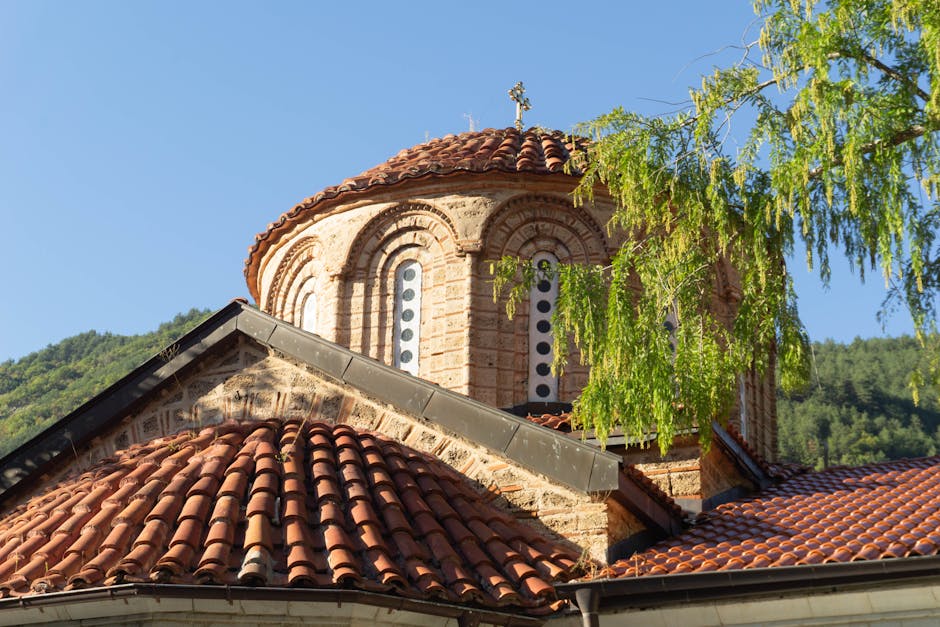
Discover Plovdiv's multi-layered history on this self-guided walk through ancient Roman ruins, Ottoman mosques, and vibrant Orthodox cathedrals.
 Easy
EasyVienna, Austria
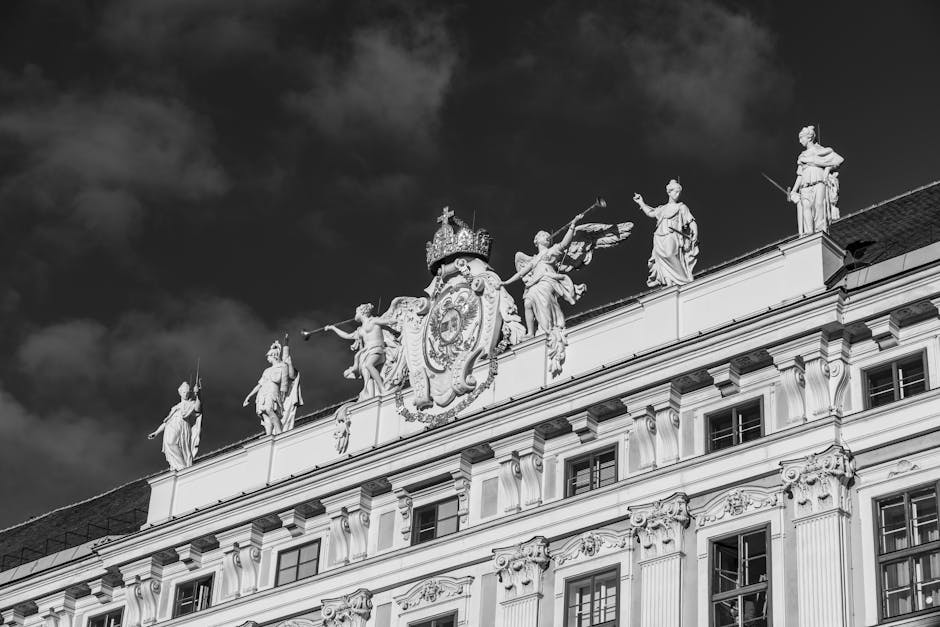
Explore Vienna’s vibrant open-air gallery along the Danube Canal on this self-guided street art and nightlife stroll through Leopoldstadt.
 Easy
EasyWarsaw, Poland
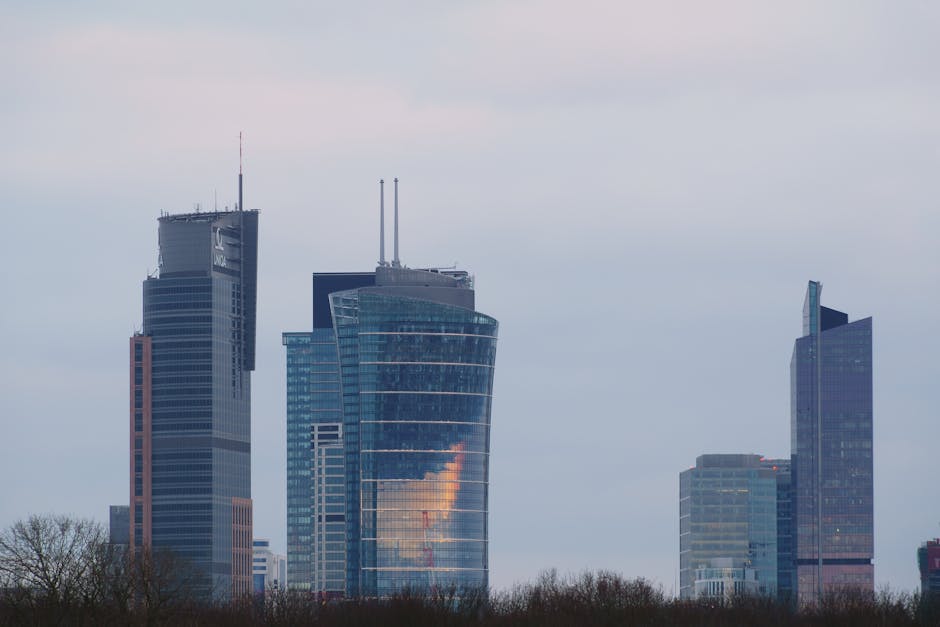
Discover the hidden courtyards and grand pre-war architecture of Warsaw's most atmospheric neighborhood on this self-guided stroll.
 Easy
EasyWarsaw, Poland
Explore Warsaw's scenic riverfront, rooftop gardens, and industrial-chic architecture on this self-guided stroll through the Powiśle district.
 Easy
EasyGothenburg, Sweden
Explore Gothenburg's maritime soul on this self-guided walk from historic shipyards to sleek modern piers and iconic industrial landmarks.
 Easy
EasySofia, Bulgaria
Explore the homes and haunts of Bulgaria's greatest writers on this self-guided literary stroll through central Sofia.
 Easy
EasySofia, Bulgaria
Uncover Sofia's clandestine bars, bohemian courtyards, and secret social hubs on this self-guided evening walking route through the city center.
 Moderate
Sofia, Bulgaria
Explore Sofia's Communist past through its massive monuments and Brutalist architecture on this insightful self-guided walking route.
 Easy
EasySofia, Bulgaria
Discover Sofia's culinary soul on this self-guided walk through historic markets, artisan bakeries, and vibrant rakia bars.