Self-guided audio tour in Plovdiv
Start Free on iPhone
Start free on iPhone to unlock this self-guided walking tour in Plovdiv. Hear all the stories that make it amazing, walk at your own pace, and begin whenever you want.
Your Private Tour Guide
Step into a living museum where the echoes of ancient civilizations resonate through narrow, cobblestone streets. Plovdiv is one of the oldest continuously inhabited cities in Europe, and this self-guided walk invites you to peel back the layers of time in its atmospheric Old Town, known as the Three Hills. As you navigate this architectural reserve, you will encounter a unique fusion of Roman engineering, Ottoman influence, and the vibrant 'Bulgarian Baroque' style that emerged during the National Revival. This walking route is designed for those who wish to explore at their own pace, moving from the ruins of Thracian fortifications to the grandeur of 19th-century merchant mansions. The journey highlights the cultural resilience of a city that has seen the rise and fall of empires, yet remains a beating heart of art and heritage. You will begin at the Regional Ethnographic Museum, a masterpiece of symmetrical design, before passing through the iconic Hisar Kapia gate. The path leads through spiritual landmarks and opulent private residences like the Hindliyan House, which showcases the wealth and global connections of Plovdiv’s historic merchant class. Climbing toward Nebet Tepe, the very birthplace of the city, provides a panoramic vantage point over the modern sprawl and the Rhodope Mountains in the distance. The experience concludes at the breathtaking Ancient Theatre of Philippopolis, one of the best-preserved Roman theaters in the world. Whether you are a fan of ancient history or simply enjoy the aesthetic of colorful facades and hanging bay windows, this neighborhood stroll offers a profound connection to Bulgaria's cultural soul. This walking tour Plovdiv is the ideal way to experience the city's timeless charm independently.
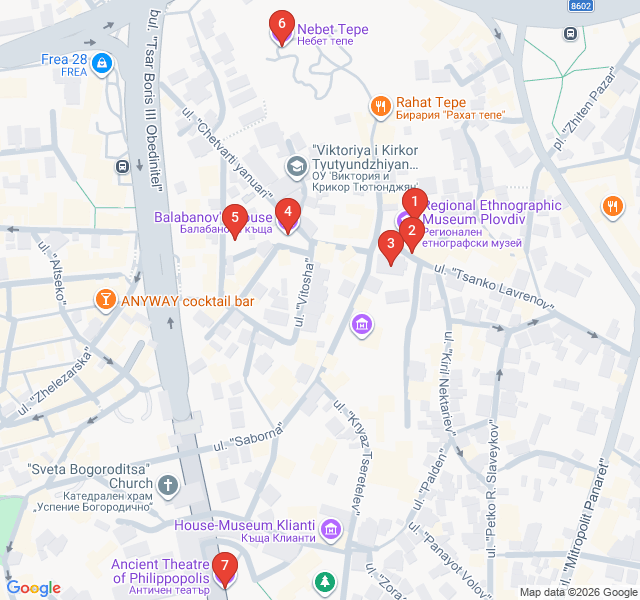
Numbers indicate the order of stops on the tour.
Start exploring with Zigway at the Kuyumdzhioglu House, which houses the Ethnographic Museum. Built in 1847 for a wealthy merchant, this structure is the pinnacle of Plovdiv's National Revival architecture. Notice the undulating roofline and the four-columned portico that curves like a wave. The facade is adorned with intricate floral ornaments, a style often called 'Plovdiv Baroque.' Inside, the museum chronicles the traditional life of the region, from folk costumes to artisanal crafts. Even if you only view the exterior, the symmetry and the sheer scale of the building reflect the high social status and aesthetic ambitions of the city's 19th-century elite.
Just a few steps away stands Hisar Kapia, the 'Gate of the Fortress.' While the arch you see today dates primarily from the 11th to 14th centuries, it rests on foundations laid by the Romans in the 2nd century. This gate was once one of the three main entrances to the ancient citadel. As you pass through, look at the houses built directly into the old fortress walls; this clever use of space creates the narrow, winding atmosphere that defines the Old Town. It is one of the most photographed spots in the city, symbolizing the transition from the ancient world to the medieval era.
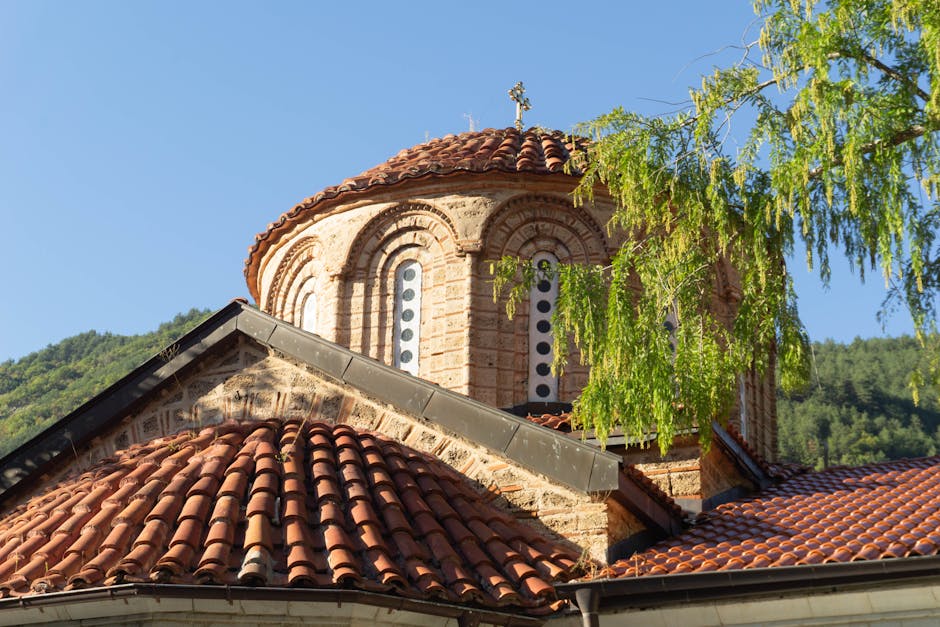
This is one of the oldest Christian sites in Plovdiv, dedicated to Emperor Constantine the Great and his mother, Helena. Although the current building was reconstructed in 1832, records suggest a sanctuary has existed here since the 4th century. Step inside to admire the magnificent gilded iconostasis, carved by masters of the Debar school. The walls are covered in vibrant frescoes that depict biblical scenes with incredible detail. The church’s courtyard, enclosed by high stone walls, offers a peaceful moment of reflection amidst the historical bustle of the neighborhood.
The Balabanov House is a prime example of the 'symmetrical house' style. Built in the early 19th century, it was designed for grand social gatherings. The ground floor was used for economic activities, while the upper floor, with its spacious central hall or 'hayat,' was reserved for receiving guests. The interior is rich with wood-carved ceilings and period furniture, illustrating the luxury of the merchant class. Today, the house serves as a cultural hub, frequently hosting art exhibitions and chamber music concerts, keeping the spirit of Plovdiv’s intellectual history alive.
Connected to the Balabanov House by a small courtyard, the Hindliyan House belonged to a merchant of Armenian origin who traded extensively with India. This is perhaps the most lavishly decorated home in the Old Town. Look for the 'alafranga' niches—decorative wall recesses painted with landscapes of cities the owner visited, like Constantinople, Alexandria, and Venice. A unique feature here is the rose water fountain in the main hall, which was used to scent the air and mask the smell of tobacco. The house even features a rare marble bathhouse with underfloor heating, a true testament to 19th-century luxury.
Ascend to the highest point of the Old Town to reach Nebet Tepe. This archaeological site marks the very beginning of Plovdiv, with ruins dating back to the Thracian tribe of the Bessi in the 4th millennium BC. Over the centuries, Romans, Byzantines, and Bulgarians all fortified this hill. You can see the remains of ancient walls, a secret tunnel, and a large water reservoir. Beyond the ruins, the hill offers the best panoramic view of Plovdiv. From here, you can see the Maritsa River, the modern city center, and the other hills that give Plovdiv its nickname, 'The City of the Seven Hills.'
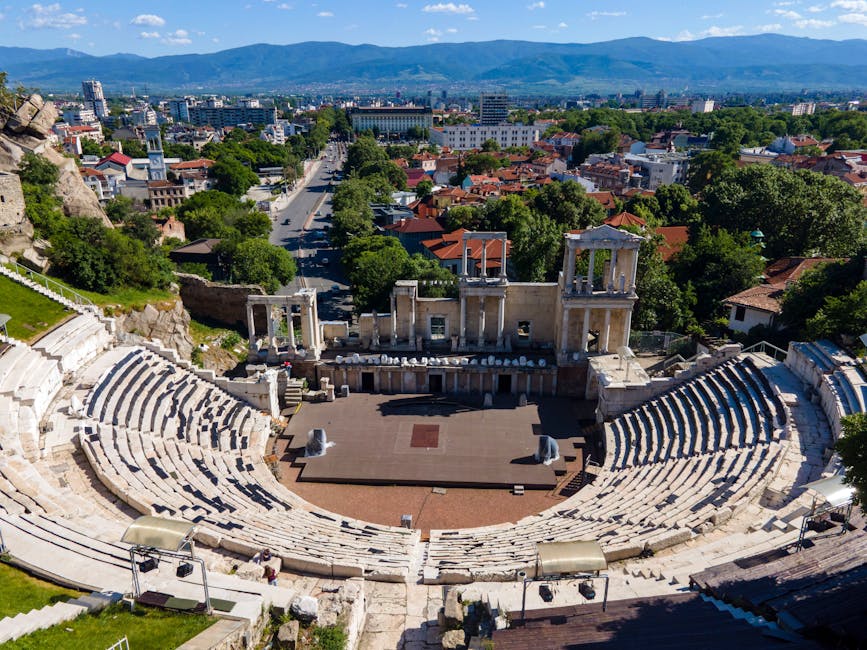
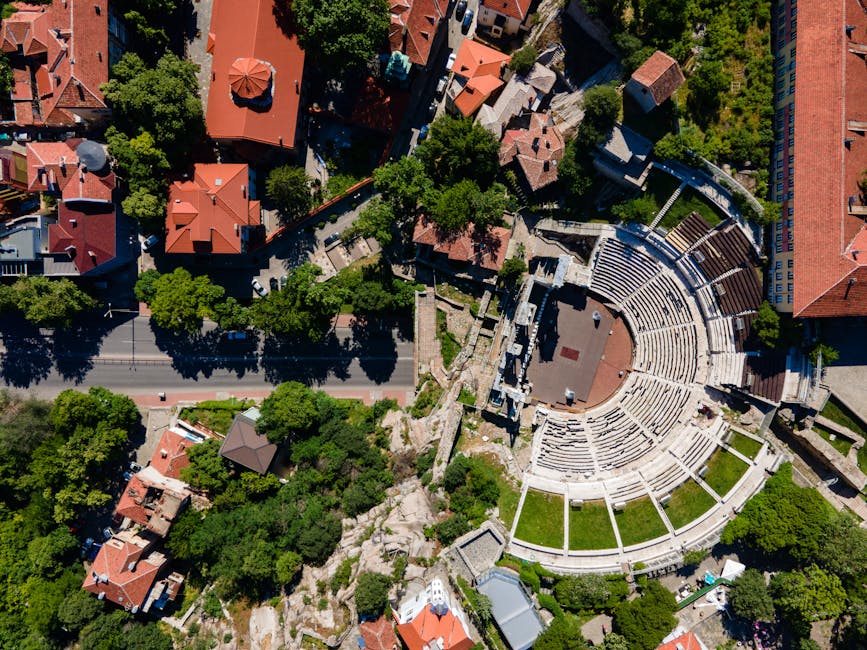
End your self-guided adventure at the crown jewel of Plovdiv: the Ancient Theatre. Built in the early 2nd century AD during the reign of Emperor Trajan, it was only rediscovered in the 1970s following a landslide. It is remarkably well-preserved, with its marble seats and two-story stage wall still standing. Capable of seating up to 6,000 spectators, it was used for theatrical performances and gladiator fights. Today, it remains a working venue, hosting world-class opera and rock concerts under the stars. Standing at the top of the auditorium, you can feel the immense legacy of the Roman Empire integrated into the modern life of Plovdiv.
Start Free on iPhone
Explore “Echoes of Philippopolis: The Old Town Odyssey” with your very own Private Tour Guide with Zigway. Start free on iPhone, skip the large group and the fixed routes, and hear the city come alive as you go.
Your Private Tour Guide
Don't miss the good stuff
Explore Freely
 Moderate
Plovdiv, Bulgaria
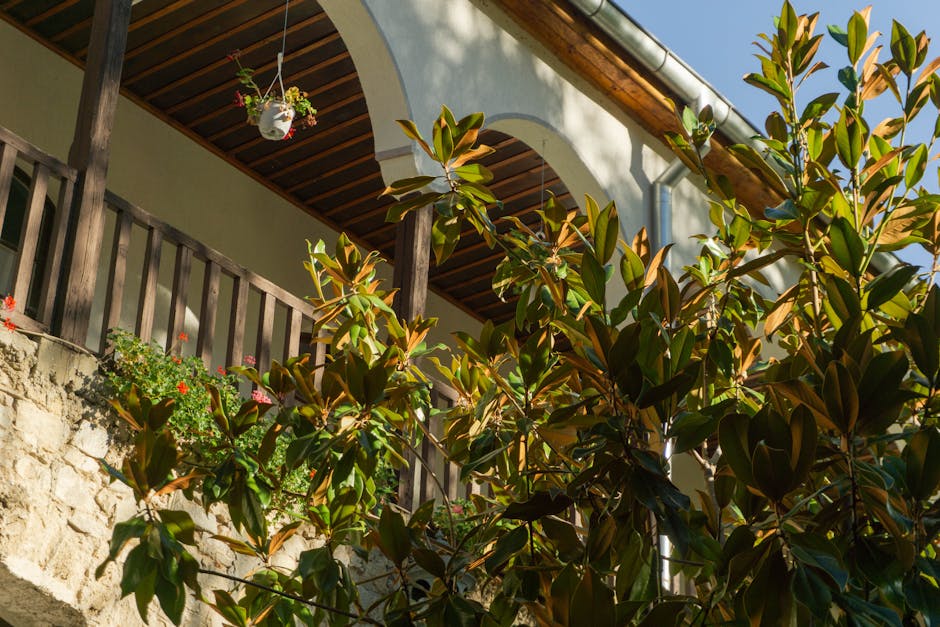
Explore Plovdiv’s socialist past, from the towering Alyosha monument to Brutalist gems and the International Fair on this self-guided walking route.
 Moderate
Plovdiv, Bulgaria
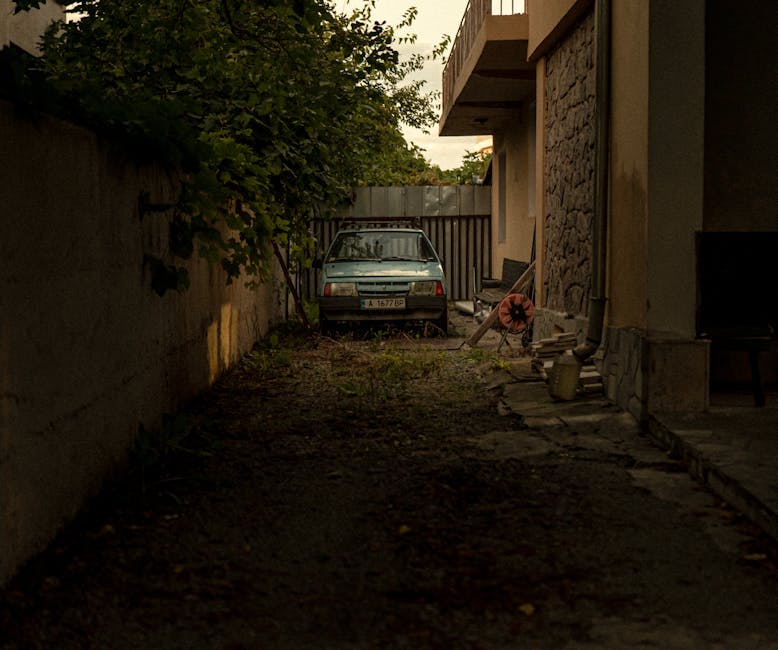
Discover secret gardens and secluded 19th-century courtyards in Plovdiv's historic Old Town on this peaceful self-guided walk.
 Easy
EasyPlovdiv, Bulgaria
Discover the Roman heart of Philippopolis on this self-guided walk through Plovdiv's ancient forums, massive stadium, and breathtaking mosaics.
 Easy
EasyPlovdiv, Bulgaria
Discover Plovdiv's multi-layered history on this self-guided walk through ancient Roman ruins, Ottoman mosques, and vibrant Orthodox cathedrals.
 Moderate
Gothenburg, Sweden
Discover Gothenburg’s maritime soul on this self-guided walk from the historic Central Station to the scenic riverfront at Stenpiren.
 Moderate
Vienna, Austria
Follow the footsteps of Mozart and Strauss through Vienna’s historic center on this self-guided walk through the city's rich musical history.
 Moderate
Vienna, Austria
Discover the noir world of The Third Man and Cold War Vienna on this atmospheric self-guided audio walk through the historic Innere Stadt.
 Moderate
Warsaw, Poland
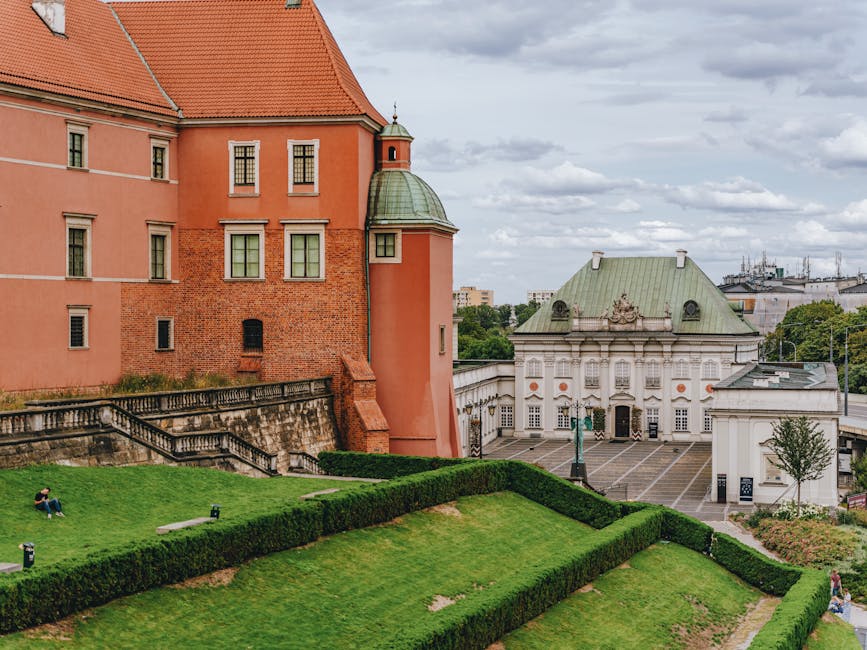
Explore the resilient spirit of Warsaw's Muranów district on this self-guided walk through the history and landmarks of the former Jewish Ghetto.
 Easy
EasySofia, Bulgaria
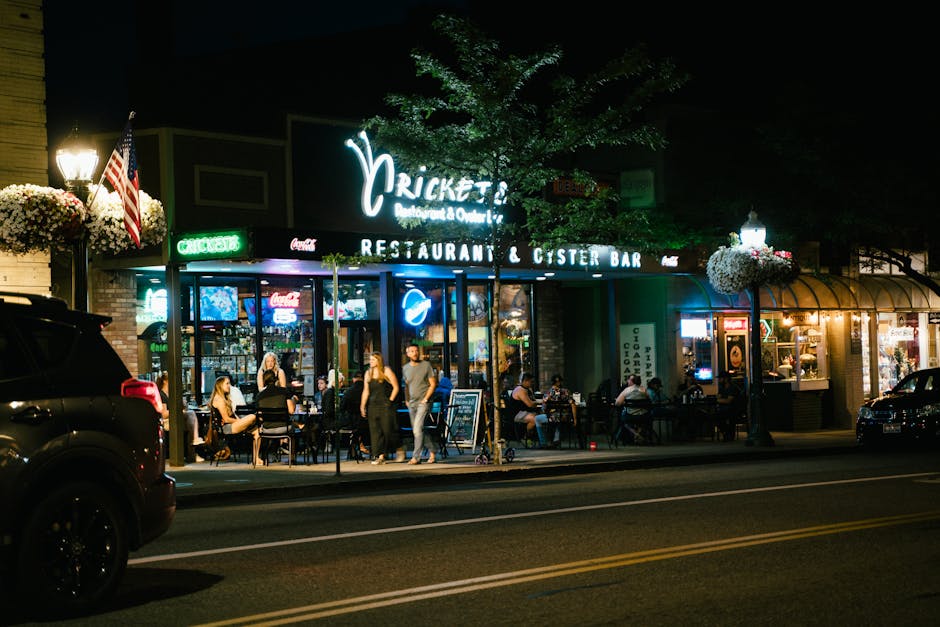
Explore the homes and haunts of Bulgaria's greatest writers on this self-guided literary stroll through central Sofia.
 Easy
EasySofia, Bulgaria
Uncover Sofia's clandestine bars, bohemian courtyards, and secret social hubs on this self-guided evening walking route through the city center.
 Moderate
Sofia, Bulgaria
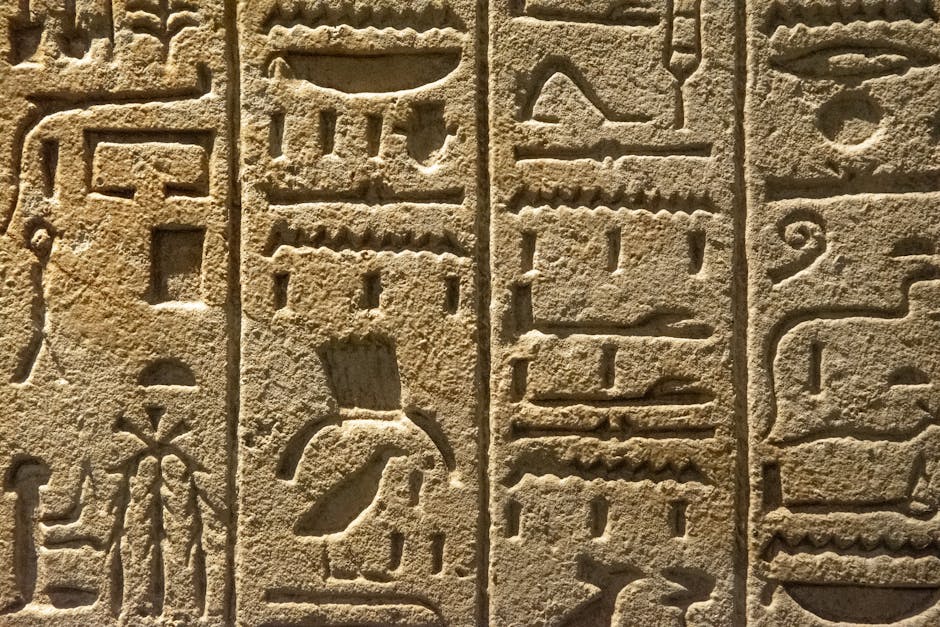
Explore Sofia's Communist past through its massive monuments and Brutalist architecture on this insightful self-guided walking route.
 Easy
EasySofia, Bulgaria
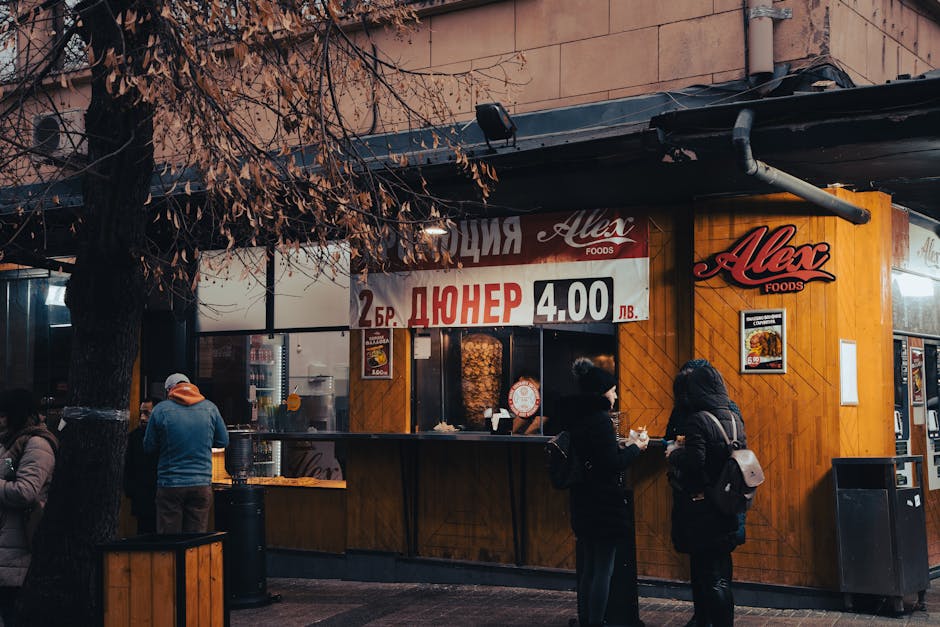
Discover Sofia's culinary soul on this self-guided walk through historic markets, artisan bakeries, and vibrant rakia bars.