Self-guided audio tour in Tirana
Start Free on iPhone
Start free on iPhone to unlock this self-guided walking tour in Tirana. Hear all the stories that make it amazing, walk at your own pace, and begin whenever you want.
Your Private Tour Guide
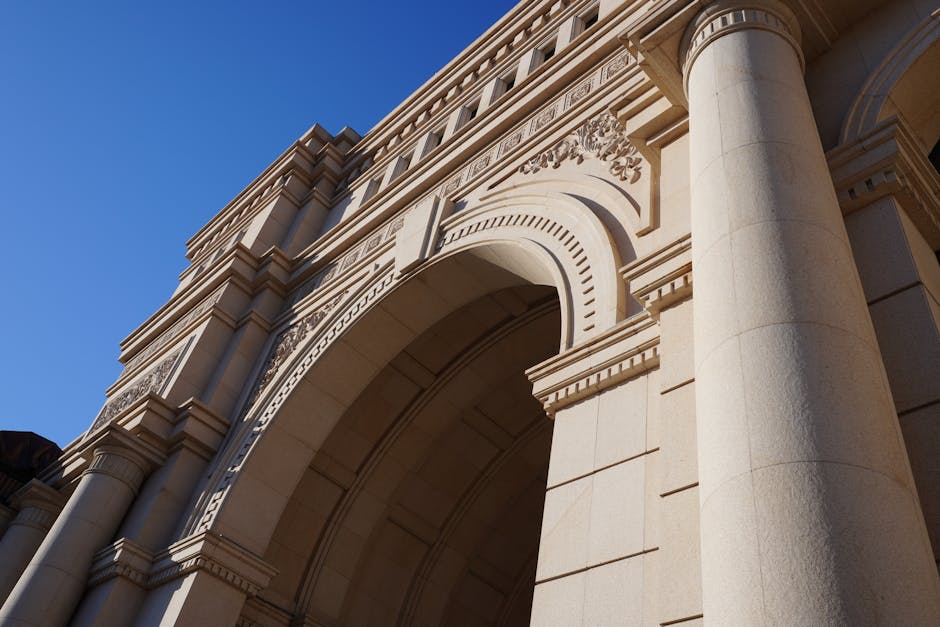
Tirana is often described as a kaleidoscope of architectural styles, where Ottoman ruins meet socialist realism and contemporary glass towers. However, one of the most defining periods of the city’s urban layout remains the Italian influence of the early 20th century. This self-guided walk invites you to explore the grand 'Imperial Avenue' and the Rationalist structures that transformed a dusty provincial town into a modern European capital. As you stroll along the Bulevardi Dëshmorët e Kombit, you will encounter the monumental legacy of Italian architects like Gherardo Bosio and Armando Brasini, who were tasked with creating a city plan that reflected the ambitions of the Italian Fascist era. This walking route focuses on the architectural axis that stretches from Mother Teresa Square toward the city center. You will see how the clean lines and geometric simplicity of Rationalism were used to project power and order. The journey begins at the National Archaeological Museum, originally conceived as part of a larger fascist cultural complex, and leads you past the Polytechnic University, which anchors the southern end of the city's main boulevard. This area provides a fascinating look at how architecture was used as a tool for political identity, blending classical Italian elements with the functional requirements of a modernizing state. Moving further north, the route showcases the Prime Minister's Office and the cluster of ministerial buildings that define Tirana’s administrative heart. These structures, with their rhythmic facades and strategic placement, illustrate the concept of the 'ideal city' envisioned during the 1930s. The walk concludes at the National Bank of Albania, a masterpiece of 20th-century design that remains one of the most significant examples of Italian architecture in the Balkans. Whether you are an architecture enthusiast or a history buff, this neighborhood stroll offers a unique perspective on Tirana’s complex past. This is a perfect alternative to a standard guided tour Tirana offers, allowing you to absorb the history at your own pace while admiring the play of light on these historic stone facades.
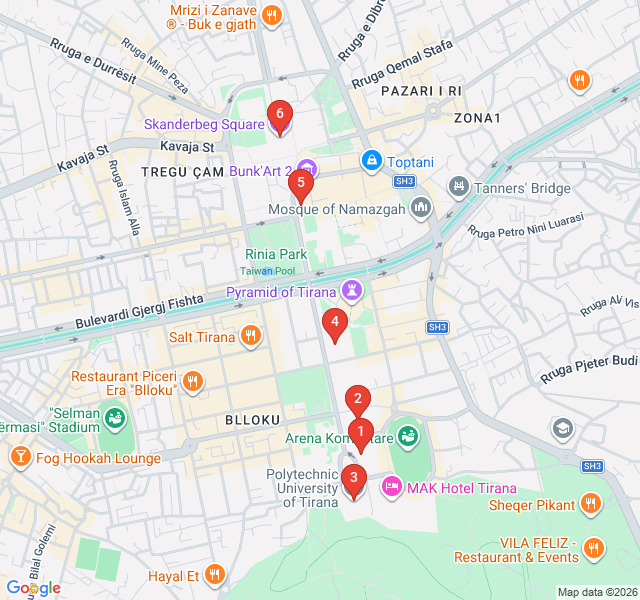
Numbers indicate the order of stops on the tour.
Welcome to the start of your self-guided walk. You are standing in front of the National Archaeological Museum, a building that embodies the Italian Rationalist style of the late 1930s. Originally constructed as the 'Casa del Fascio' (House of the Fascist Party), its design features clean, horizontal lines and a lack of excessive ornamentation, which was typical of the era's architectural philosophy. The building was designed by Gherardo Bosio, the lead architect for Tirana's urban plan under the Italian occupation. Today, it houses Albania's most significant archaeological finds, but the building itself remains a primary artifact of the city's 20th-century transformation. Notice the symmetry and the use of local stone, intended to give the structure a sense of permanence and authority.
Just a short walk from the museum, you will find the Palace of Congresses. While this building was completed in 1986 during the communist era, it was intentionally placed along the historic imperial axis established by the Italians decades earlier. Architect Klement Kolaneci designed it to host Labor Party congresses and major state events. Its design is a unique blend of socialist modernism with traditional Albanian motifs, such as the rhythmic window patterns that evoke the look of a 'kulla' or traditional fortified house. It serves as a reminder of how subsequent regimes in Albania continued to utilize the grand boulevard for political theater and monumental architecture, maintaining the city's North-South orientation.
Turning back toward Mother Teresa Square, the Polytechnic University stands as the architectural anchor of this southern terminus. Completed in 1940, this was another Gherardo Bosio project, designed as the center for Italian colonial administration and education. The building is a classic example of Rationalism, featuring a colonnaded entrance and a stark, imposing facade. If you look at the layout of the square from above, it is shaped like a 'fasces'—the bundle of rods that served as the symbol of Italian Fascism. While the political context has changed, the university remains one of the most prestigious institutions in the country and a cornerstone of Tirana's academic life.
As you walk north along the boulevard, you reach the Prime Minister's Office. This building was originally the seat of the Italian Lieutenant (Luogotenenza) during the occupation. Designed by Bosio, it features a grand entrance and a series of bas-reliefs that originally depicted scenes of Italian and Albanian history, though some were altered or removed after World War II. In recent years, the building has integrated contemporary art, such as the 'Marquee Tirana' installation by Philippe Parreno at the entrance. This building has been the site of countless protests and celebrations, making it perhaps the most politically significant structure on the entire boulevard.
Continuing toward Skanderbeg Square, you encounter the Ministry of Internal Affairs. This is part of a larger complex of ministerial buildings designed by Armando Brasini in the late 1920s and early 30s. Unlike the strict Rationalism you saw earlier, Brasini’s work is more eclectic, blending neo-Renaissance and neo-Baroque elements. The deep red and ochre colors of these buildings have become iconic symbols of Tirana. These ministries were designed to bring a sense of European order and grandeur to the city, creating a formal entrance to the capital's main square. The heavy stonework and arched doorways were meant to convey the strength and stability of the newly formed Albanian state.
The final stop on our walking route is the National Bank of Albania, located on the edge of Skanderbeg Square. Completed in 1936, it was designed by Vittorio Ballio Morpurgo. The building is celebrated for its circular central hall and its masterful use of brick and stone. The exterior features a relief by sculptor Alfredo Biagini, depicting labor and commerce. The National Bank is considered one of the finest examples of Italian architecture in the city, successfully blending modern functionalism with classical dignity. It survived the communist period largely intact and continues to serve its original purpose, standing as a testament to the enduring quality of the 1930s urban plan.
Start Free on iPhone
Explore “Italian Fascist Architecture and Imperial Avenues” with your very own Private Tour Guide with Zigway. Start free on iPhone, skip the large group and the fixed routes, and hear the city come alive as you go.
Your Private Tour Guide
Don't miss the good stuff
Explore Freely
 Easy
EasyTirana, Albania
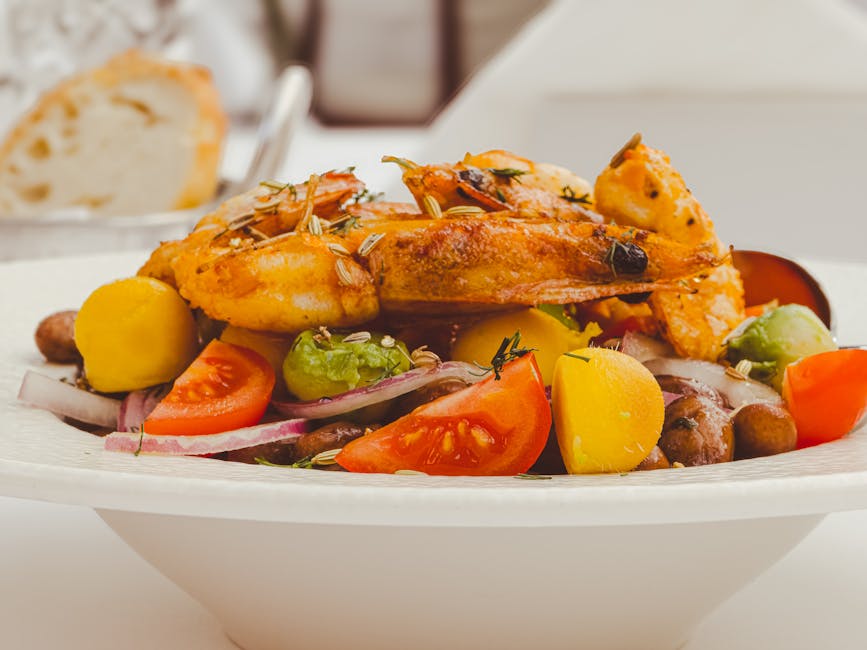
Explore the vibrant stalls of Pazari i Ri and the trendy eateries of Blloku on this flavor-focused self-guided walk through Tirana.
 Moderate
Tirana, Albania
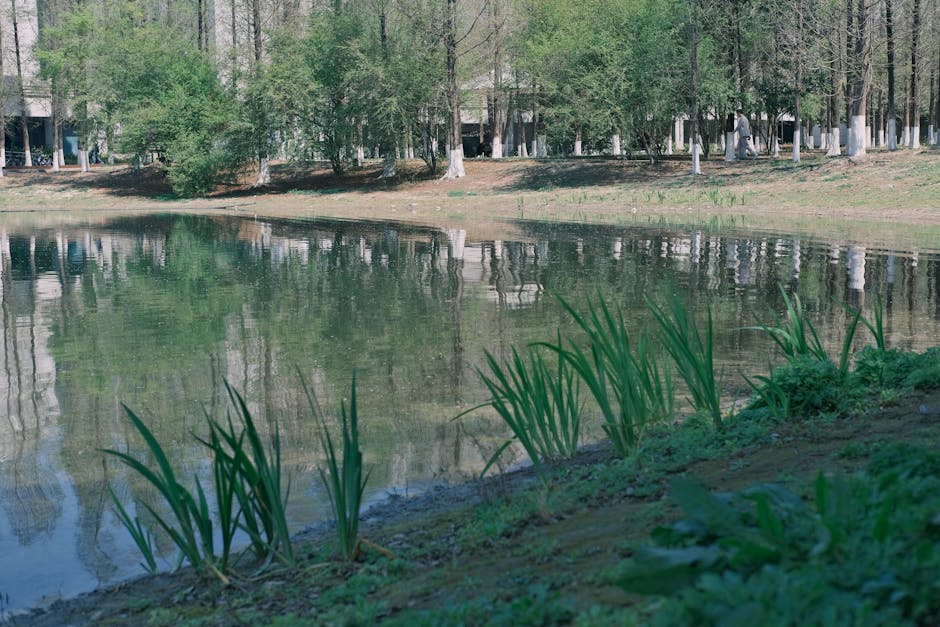
Explore Tirana's green side on this self-guided walk from Skanderbeg Square to the serene Grand Park and hidden lakeside memorials.
 Easy
EasyTirana, Albania
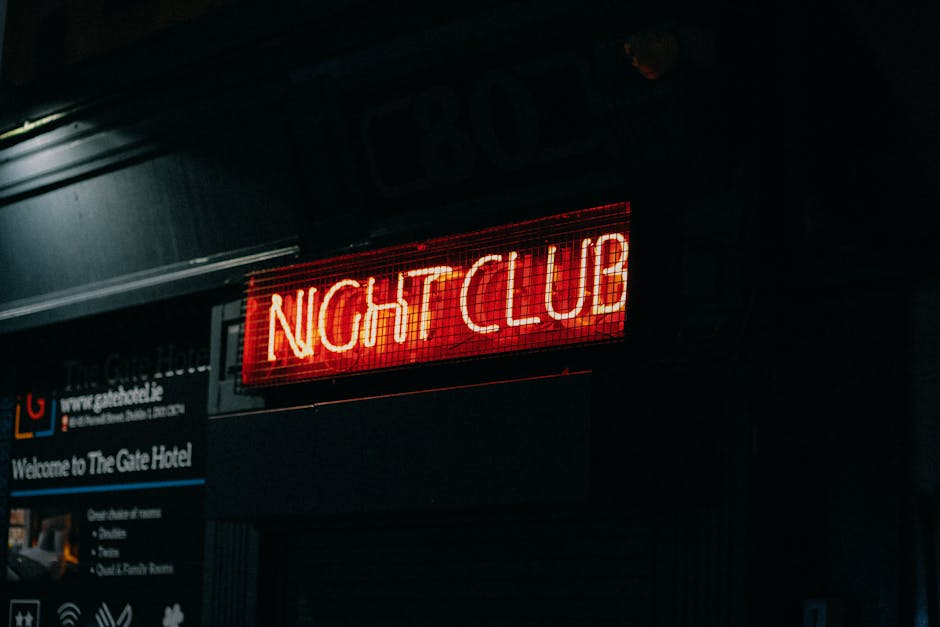
Explore Tirana’s neon-lit landmarks and vibrant nightlife districts on this self-guided evening photography walk.
 Easy
EasyTirana, Albania
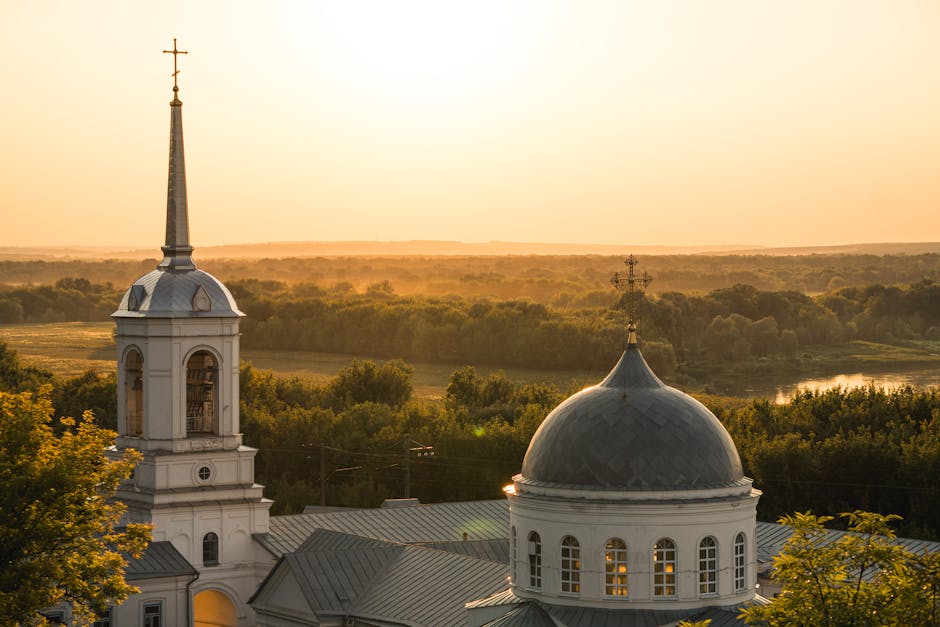
Explore Tirana’s unique religious harmony on this self-guided walk through historic mosques, grand cathedrals, and Ottoman landmarks.
 Easy
EasyNairobi, Kenya
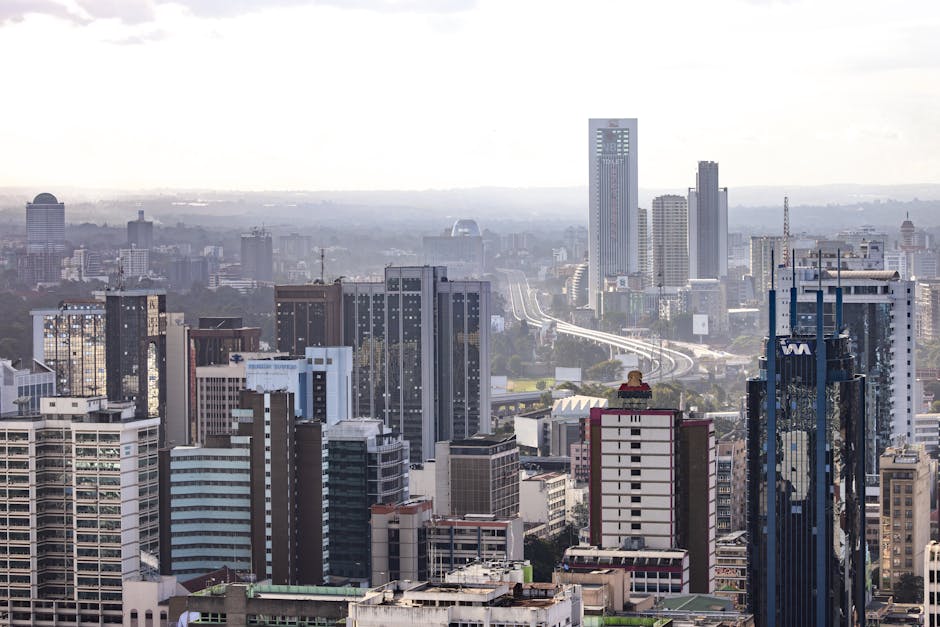
Discover Nairobi's iconic skyline on this self-guided architecture walk through the CBD’s most famous modernist and Brutalist landmarks.
 Easy
EasySalzburg, Austria
Discover the 'Rome of the North' on this self-guided walk through the Baroque squares and monumental legacy of Salzburg’s Prince-Archbishops.
 Easy
EasyWarsaw, Poland
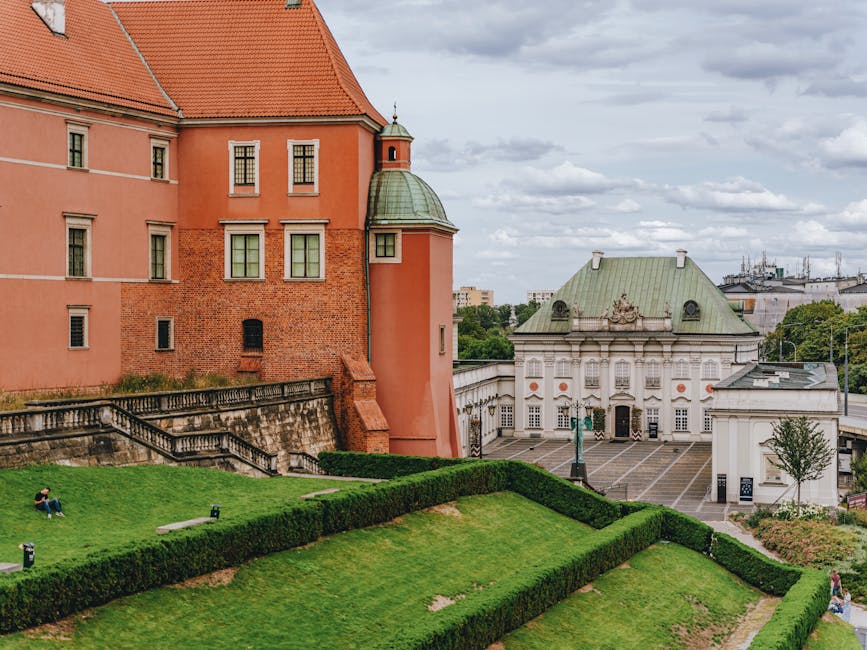
Explore the miracle of Warsaw's reconstructed Old Town on this self-guided walk through royal squares, medieval walls, and heroic monuments.
 Easy
EasyNairobi, Kenya
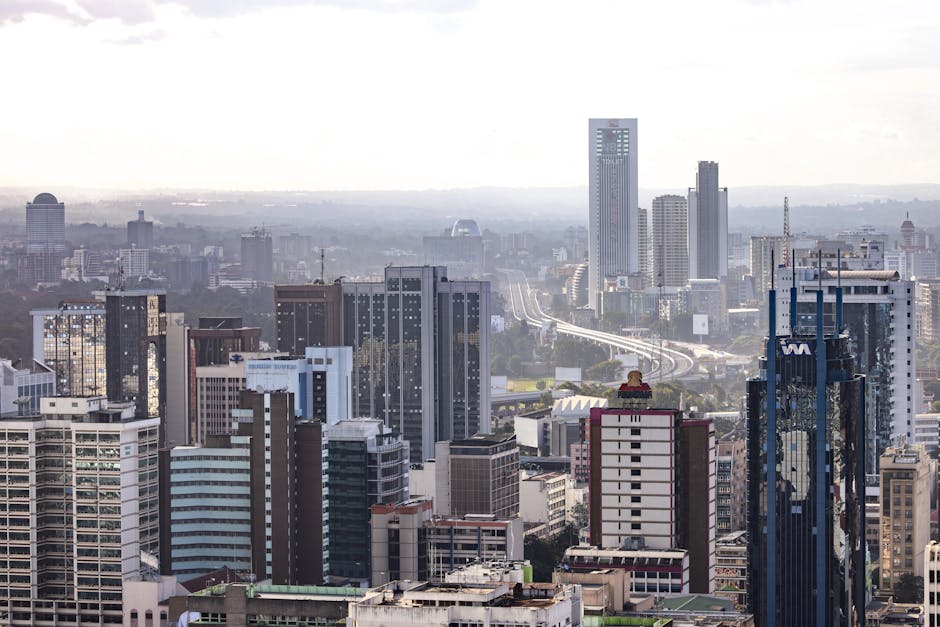
Explore Nairobi's architectural evolution from colonial-era landmarks to iconic Brutalist skyscrapers on this historic self-guided walking route.
 Easy
EasyBerat, Albania
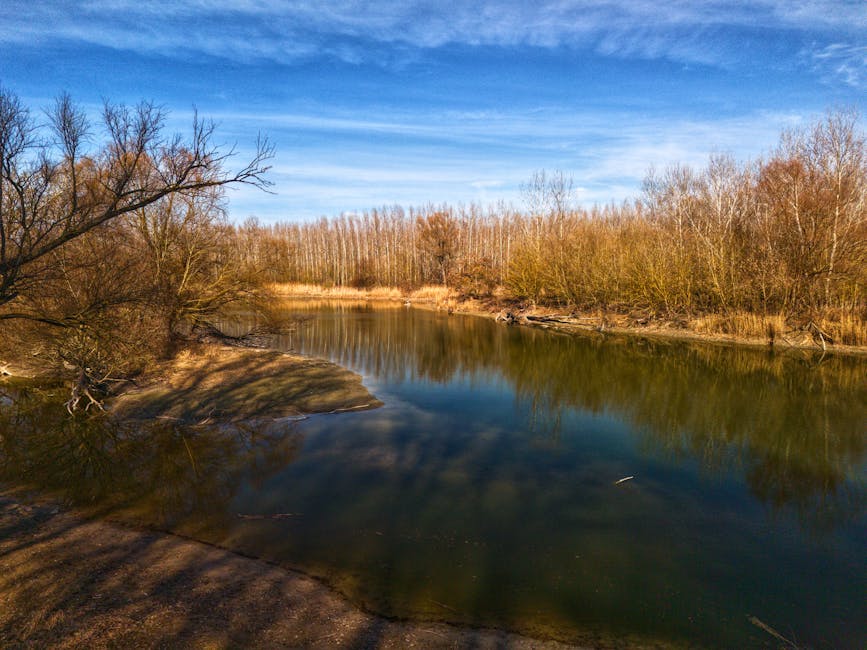
Explore Berat’s stunning riverside, historic bridges, and iconic 'thousand windows' views on this peaceful self-guided nature and photography walk.
 Moderate
Berat, Albania
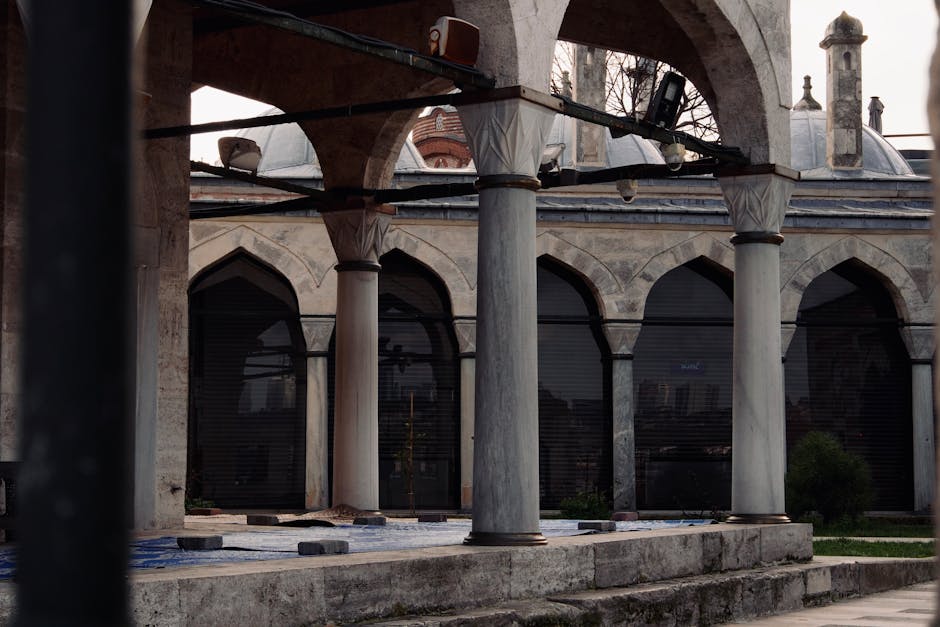
Explore Berat’s unique religious harmony on this self-guided walk through ancient mosques, Sufi shrines, and Byzantine churches.
 Moderate
Berat, Albania
Discover the legends and landmarks of Berat on this self-guided walk through Ottoman neighborhoods and the ancient living citadel.
 Moderate
Berat, Albania
Explore the 'City of a Thousand Windows' on this self-guided walk through the historic Ottoman districts of Mangalem and Gorica in Berat.