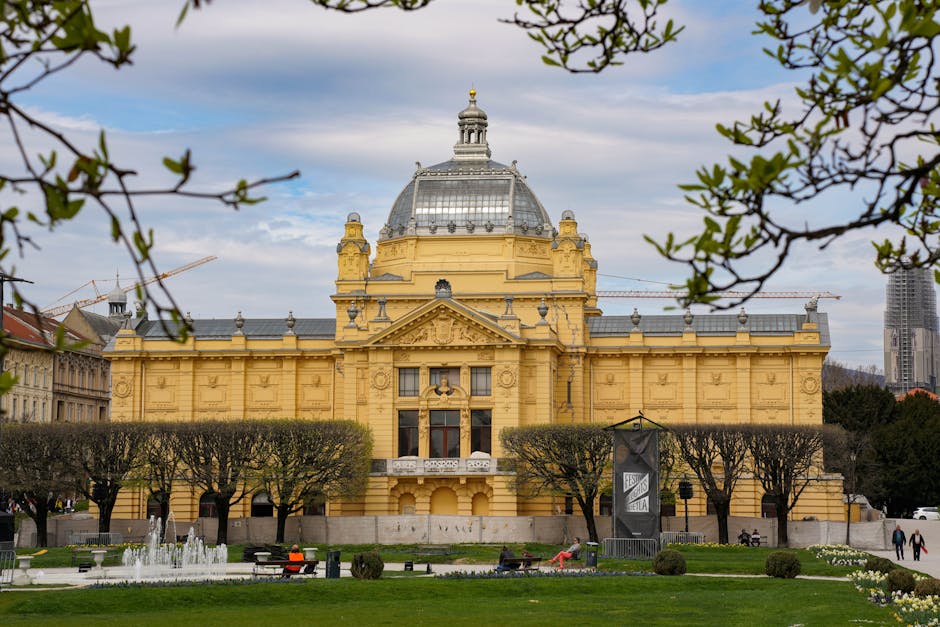
Self-guided audio tour in Zagreb
Start Free on iPhone
Start free on iPhone to unlock this self-guided walking tour in Zagreb. Hear all the stories that make it amazing, walk at your own pace, and begin whenever you want.
Your Private Tour Guide
While many visitors flock to the historic Upper Town for its medieval charm, Zagreb’s true modern heartbeat is found on its walls. This self-guided walk takes you through the evolving urban landscape of the Croatian capital, where gray socialist-era structures and forgotten courtyards have been transformed into a sprawling open-air gallery. As you explore, you will discover that the local street art scene is more than just decoration; it is a visual dialogue reflecting the city's transition from a regional center to a vibrant European cultural hub. This neighborhood stroll focuses on the Donji Grad (Lower Town) and its peripheries, showcasing everything from hyper-realistic anamorphic murals to the raw, underground graffiti of independent cultural centers. A walking tour Zagreb experience often misses the transient nature of urban art, but this route highlights key landmarks that have stood the test of time while acknowledging the fleeting pieces that appear overnight. You will encounter the famous Whale Mural near the Gradec plateau, a masterpiece of perspective, before diving into the creative oasis of Art Park. The journey also brings you to Medika, the epicenter of Zagreb's alternative scene, and the historic Branimirova wall, which has served as a canvas for local artists for decades. Beyond the art, this self-guided adventure offers a glimpse into the local lifestyle. You will pass through the Design District around Martićeva Street, where street art blends seamlessly with boutique coffee shops and architectural studios. This is an invitation to look up, peek into hidden alleyways, and see the city through the eyes of the creatives who define its contemporary identity. Whether you are a photography enthusiast or simply curious about urban culture, this street-art-focused walking route provides a unique perspective on Zagreb that traditional sightseeing often overlooks. **Note:** This area is known for its ever-changing character. Street art, pop-up venues, and temporary exhibitions may differ from what's described. That's part of the adventure - you might discover something entirely new!
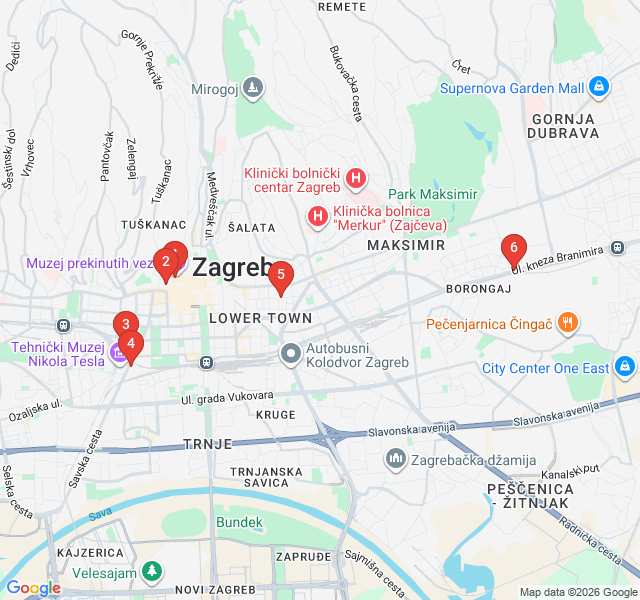
Numbers indicate the order of stops on the tour.
Start your exploration at one of Zagreb's most photographed spots. Painted by French artist Etien on a wall that was once part of a former military hospital, this hyper-realistic whale uses a technique called anamorphism. To see the effect perfectly, you may need to adjust your standing position; from the right angle, the whale appears to float in 3D space against the backdrop of the Upper Town. While this mural has become a permanent fixture of the cityscape, remember that the surrounding smaller tags and stencils are part of a living canvas that changes frequently. This piece serves as a bridge between the historic Gradec district and the modern urban culture below.
Tucked away near the Grič Tunnel entrance, Art Park is a testament to community-led revitalization. Once a neglected corner of the city, it was transformed into a vibrant summer hub by a collective of local artists. The murals here are seasonal and frequently repainted, meaning every visit offers something new. During warmer months, this space functions as an outdoor lounge with workshops and music, but the art is accessible year-round. It is a perfect example of how Zagreb utilizes its 'pockets' of space to foster creativity and provide a respite from the urban bustle.
As you reach Pierottijeva Street, you will find Medika, the crown jewel of Zagreb's underground culture. Housed in a former pharmaceutical factory, this autonomous center is covered from floor to roof in wildstyle graffiti, political stencils, and intricate murals. Medika is the headquarters of the AKC (Autonomous Cultural Center) and represents the grittier, more activist side of the local art scene. Because this is a working creative space, the exterior art is highly volatile and constantly evolving. Take a moment to explore the intricate layers of paint that have built up over years of creative expression.
The Student Center (SC) is more than just a cafeteria; it is a historical site for avant-garde art in Zagreb. The murals here often reflect the 'Kultura promjene' (Culture of Change) initiative, which aimed to bring high-level contemporary art to student spaces. Look for large-scale works that interact with the socialist-modernist architecture of the complex. The art here often carries social or philosophical themes, contrasting with the more spontaneous graffiti found elsewhere. It is a space where academic life and urban street culture collide, creating a unique atmosphere of intellectual rebellion.
Welcome to the 'Design District.' Martićeva Street and its surrounding courtyards represent the more polished side of Zagreb’s urban art scene. In recent years, this neighborhood has been revitalized by architects and designers, leading to a series of commissioned murals that blend with the early 20th-century facades. Don't just stick to the main road; peek into the driveways and open courtyards where large-scale pieces are often tucked away. The art here is often more graphic and illustrative, reflecting the neighborhood's identity as a hub for the creative industries.
Your walk concludes at the Branimirova graffiti wall, the most iconic stretch of urban art in Croatia. This long concrete wall separates the railway tracks from the street and has been a legal canvas since 1999, when the first organized painting took place as part of an anti-drugs campaign. It has been repainted several times since, most notably in 2010. You will see a diverse range of styles here, from established street artists to local crews. It serves as a historical timeline of the city's graffiti culture and remains one of the longest and most significant street art galleries in the region.
Start Free on iPhone
Explore “Zagreb Street Art Safari” with your very own Private Tour Guide with Zigway. Start free on iPhone, skip the large group and the fixed routes, and hear the city come alive as you go.
Your Private Tour Guide
Don't miss the good stuff
Explore Freely
 Easy
EasyZagreb, Croatia
Explore Zagreb's grand 'Green Horseshoe' on this self-guided walk through stunning 19th-century parks, iconic museums, and lush gardens.
 Moderate
Zagreb, Croatia
Discover the Brutalist icons of Novi Zagreb on this self-guided walk through massive residential blocks and striking socialist-era architecture.
 Moderate
Zagreb, Croatia
Explore the dark folklore and witch-hunt history of Zagreb's Upper Town on this atmospheric self-guided audio walk through Gornji Grad.
 Easy
EasyZagreb, Croatia
Explore Zagreb's stunning Mirogoj Cemetery and iconic university architecture on this peaceful, self-guided artistic journey.
 Easy
EasyVienna, Austria
Explore Vienna’s vibrant open-air gallery along the Danube Canal on this self-guided street art and nightlife stroll through Leopoldstadt.
 Moderate
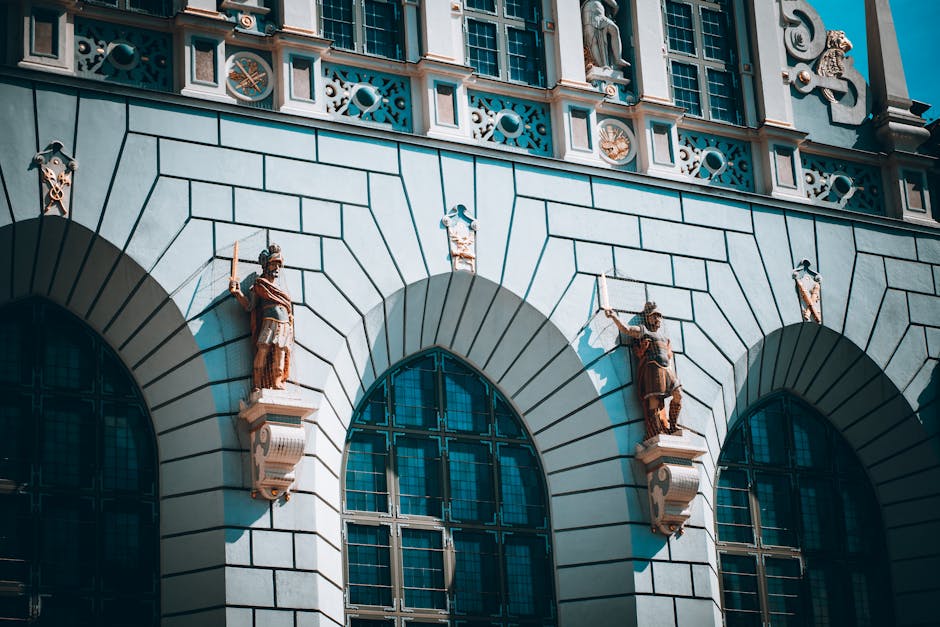
Gdansk, Poland
Discover Zaspa, a massive open-air gallery where grey housing blocks are transformed by over 60 monumental murals. Explore at your own pace.
 Easy
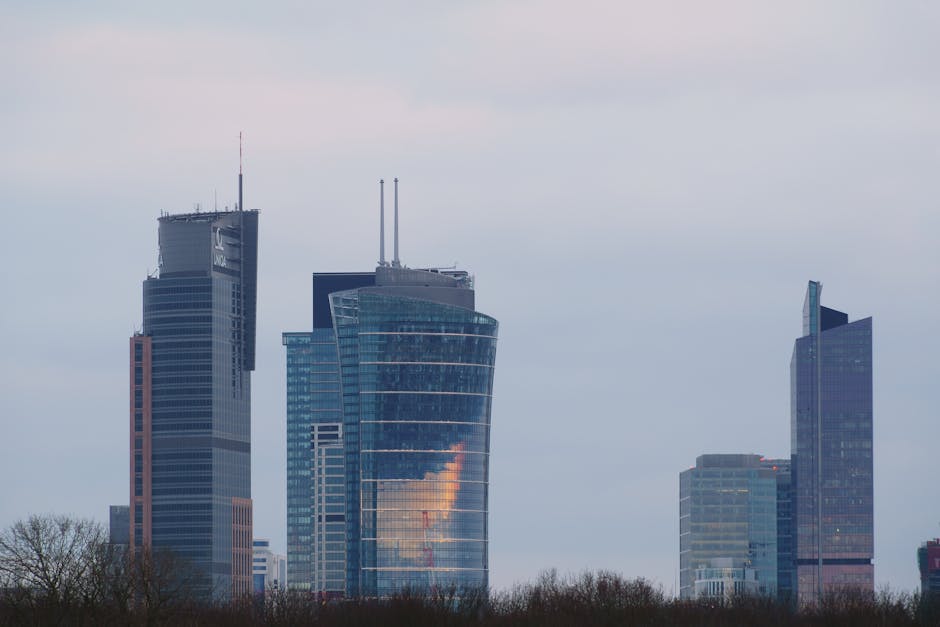
EasyWarsaw, Poland
Discover the hidden courtyards and grand pre-war architecture of Warsaw's most atmospheric neighborhood on this self-guided stroll.
 Easy
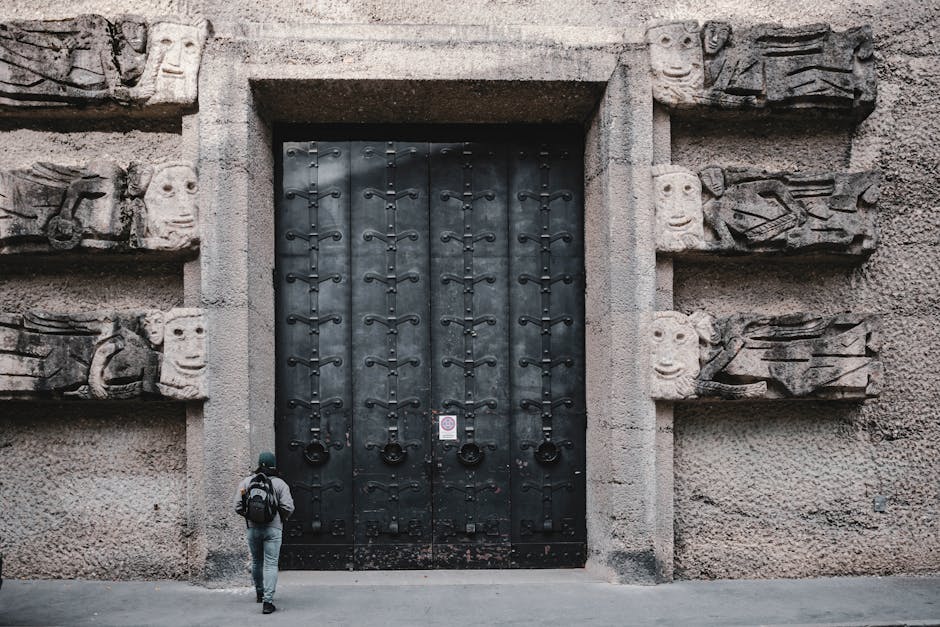
EasySalzburg, Austria
Discover Salzburg's oldest medieval alley, the birthplace of the 'Silent Night' author, and breathtaking views on this quiet self-guided walk.
 Easy
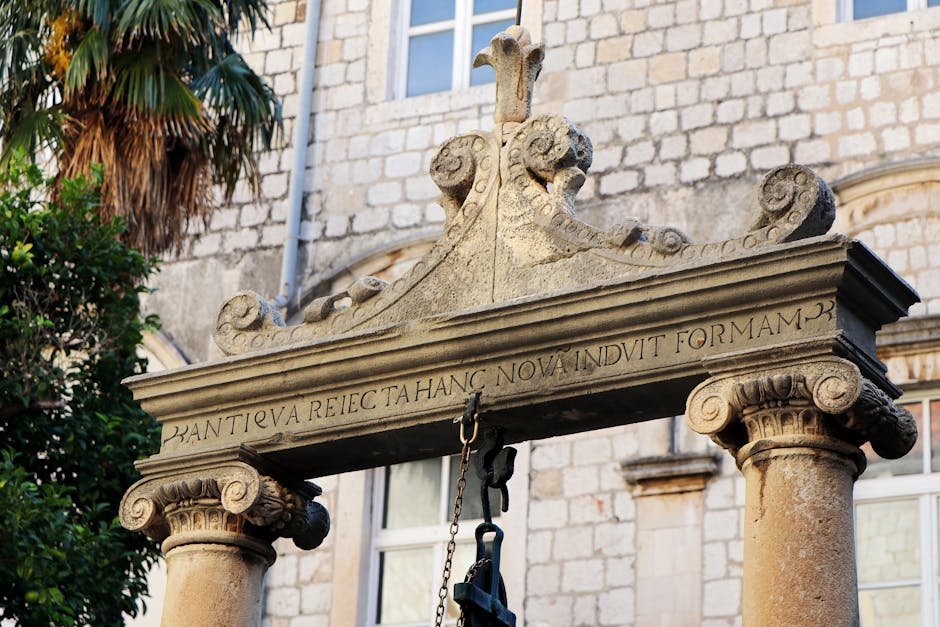
EasyDubrovnik, Croatia
Explore Dubrovnik’s legendary maritime history on this self-guided walk through the Old Port, ancient shipyards, and the historic quarantine station.
 Easy
EasyDubrovnik, Croatia
Discover Dubrovnik's nocturnal charm on this self-guided walk through lantern-lit alleys, jazz spots, and hidden cliffside bars.
 Moderate
Dubrovnik, Croatia
Escape the crowds and discover Dubrovnik's wild side on this scenic self-guided coastal walk through Lapad's pine forests and hidden bays.
 Easy
EasyDubrovnik, Croatia
Discover Dubrovnik's intellectual soul on this self-guided walk through ancient libraries, historic pharmacies, and serene monastic cloisters.