Self-guided audio tour in Zagreb
Start Free on iPhone
Start free on iPhone to unlock this self-guided walking tour in Zagreb. Hear all the stories that make it amazing, walk at your own pace, and begin whenever you want.
Your Private Tour Guide
Embark on a contemplative journey through Zagreb, where the echoes of history meet the vibrant pulse of modern academic life. This self-guided walk, titled 'Mirogoj: A Sanctuary of Art and Silence,' invites you to explore the city's unique architectural landscape, moving from the bustling central square to the serene, ivy-clad arcades of one of Europe’s most beautiful cemeteries. Zagreb is a city defined by its dualities—the old and the new, the sacred and the secular—and this walking route highlights the artistic and intellectual pillars that support the Croatian capital. You will start at the symbolic heart of the city, Ban Josip Jelačić Square, before ascending toward the majestic Mirogoj Cemetery, a masterpiece of Neo-Renaissance architecture designed by Hermann Bollé. As you explore independently, the route shifts from the quiet dignity of memorial art to the dynamic energy of Zagreb’s university districts. This neighborhood stroll takes you through the evolution of Croatian design, from the historicist buildings of the Upper Town fringe to the bold, modernist lines of the National and University Library. Along the way, you will encounter monuments to national heroes, including the final resting place of basketball legend Dražen Petrović, and discover the hidden architectural gems within the University of Zagreb’s various faculties. Whether you are a fan of history, a student of architecture, or simply looking for a peaceful escape from the typical tourist paths, this walking tour Zagreb offers a profound look at the soul of the city. Discover at your own pace the stories of the artists, scientists, and thinkers who shaped Croatia. This audio walk is not just a path through the streets, but a narrative of a nation’s identity, expressed through stone, bronze, and glass. Begin your self-guided adventure today and see why Zagreb is often called a 'city of museums'—where even the cemeteries and school halls are galleries of high art.
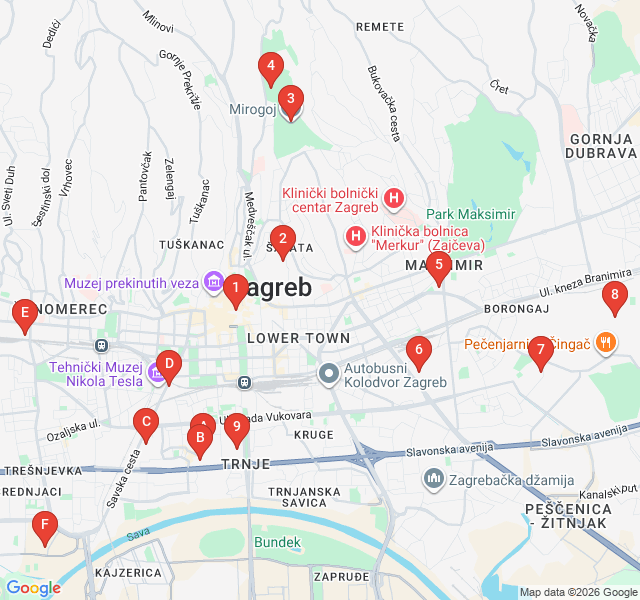
Numbers indicate the order of stops on the tour.
Start exploring with Zigway at the very heart of Zagreb. The statue of Ban Josip Jelačić, a 19th-century count and military strategist, is the city's most famous meeting point. Facing south, the statue has a storied history; it was removed during the Yugoslav era as a symbol of nationalism and triumphantly returned in 1990. Notice the intricate details of the uniform and the commanding presence of the Ban. This square serves as the gateway between the historic Upper Town and the modern Lower Town, setting the stage for our journey through Zagreb's evolving identity.
As you head north, you encounter the School of Medicine. Established in 1917, this institution represents the beginning of Zagreb’s journey as a regional leader in science and healthcare. The building itself reflects the functional yet dignified academic architecture of the early 20th century. It stands as a testament to the city's intellectual ambitions during a period of great political transition. Take a moment to appreciate the quiet, scholarly atmosphere of this neighborhood, which serves as the bridge between the city center and the greenery of the northern hills.
Welcome to Mirogoj, often cited as one of the most beautiful cemeteries in Europe. This is not merely a burial ground but an open-air art gallery and a 'Pantheon' of Croatian history. Designed by Hermann Bollé in 1876, the exterior is defined by magnificent Neo-Renaissance arcades topped with copper cupolas. As you walk through the entrance, notice how the architecture creates a sense of profound peace. Mirogoj is unique because it was designed to be multi-confessional from the start, welcoming Catholics, Orthodox Christians, Jews, and Protestants alike—a rare feat for 19th-century Europe.
Within the silent rows of Mirogoj lies the final resting place of a national hero. Dražen Petrović, known as the 'Mozart of Basketball,' was a pioneer for European players in the NBA. His tomb is a site of pilgrimage for sports fans from around the world. The simple yet moving memorial reflects the immense impact he had on Croatian pride during the 1990s. This stop reminds us that the history we explore on this route isn't just about centuries-old architecture, but also the contemporary legends who continue to inspire the people of Zagreb today.
Moving toward the eastern part of the city, we reach the Faculty of Economics and Business. This sprawling complex highlights the post-WWII expansion of the University of Zagreb. The architecture here shifts toward the functionalist style, emphasizing the city's growth into a modern industrial and commercial hub. It is one of the largest faculties in the country, and the energy here is a sharp contrast to the silence of Mirogoj. Observe the flow of student life, which keeps the city's spirit youthful and forward-looking.
Nearby, the Faculty of Veterinary Medicine showcases another facet of Zagreb's scientific heritage. Founded in 1919, it is the only faculty of its kind in Croatia. The campus layout, with its specialized clinics and research buildings, reflects the early 20th-century approach to creating dedicated academic 'colonies' within the city. The surrounding greenery and the specific layout of the buildings offer a glimpse into the organized urban planning that characterized Zagreb's eastward expansion.
The Faculty of Graphic Arts represents the intersection of technology and creativity. Zagreb has a long-standing tradition of printing and publishing, dating back to the first Croatian printing presses. This faculty continues that legacy, training the next generation of designers and media specialists. The building’s presence in this district highlights the cluster of technical and vocational schools that define the eastern urban fabric, showcasing a city that values both its artistic past and its digital future.
Once a military airbase, Borongaj has been transformed into a modern university campus. This site is a fascinating example of urban repurposing. Where planes once took off, students now study transport sciences, education, and rehabilitation. The vast, open spaces of the campus provide a different perspective on Zagreb’s urbanism—one that is less about dense historic blocks and more about adaptive reuse and future growth. It is a symbol of a city that is constantly reinventing its heritage for the needs of the 21st century.
Standing before this glass-clad masterpiece, you are looking at a jewel of modern Croatian architecture. Completed in 1995, the National and University Library (NSK) is a striking contrast to the historicist buildings of the center. Its crystalline form and vast glass surfaces are designed to reflect the light and the surrounding landscape. Inside, it houses millions of volumes, including the most precious medieval Croatian manuscripts. This building represents the 'new' Zagreb—a city that looks toward Europe and the future while carefully guarding its literary treasures.
Just a short distance from the library, this faculty is the intellectual heart of the university. Known locally as 'Filozofski,' it has historically been a center for social activism and critical thought. The building’s architecture is typical of the mid-20th-century modernism that dominates this part of Zagreb, known as Trnje. This area was envisioned as the new administrative and cultural center of the city after WWII, characterized by wide boulevards and monumental public buildings.
Adjacent to the Humanities faculty, this building represents the industrial and technical prowess of Croatia. The Faculty of Mechanical Engineering and Naval Architecture is a reminder of Croatia's long maritime tradition and its history of engineering excellence. The stark, industrial aesthetic of the building fits its purpose perfectly. This cluster of faculties creates a 'university city' within Zagreb, where different disciplines coexist in a landscape of concrete and glass.
The Faculty of Teacher Education is housed in a building that reflects the classic European tradition of pedagogical institutions. As you look at this site, consider the importance of education in the formation of the Croatian state. This faculty has trained generations of teachers who have shaped the minds of the nation. The architecture here is more traditional, providing a sense of continuity with the city's educational roots in the 19th century.
This is a vibrant hub of student life and culture. The Student Centre (SC) is famous not just for its cafeterias, but for its role as a cultural incubator. The highlight of this stop is the French Pavilion, an architectural marvel built in 1937 for the Zagreb Fair. Its unique circular structure and slender columns make it one of the most important examples of modern architecture in the region. Today, it serves as a space for art exhibitions and performances, bridging the gap between student life and high culture.
Representing the cutting edge of private education in Croatia, Algebra University College is located in a modern, renovated industrial space. This stop highlights the shift toward digital technology and entrepreneurship in the Croatian capital. The campus is a model of contemporary educational design, fostering innovation and creativity. It stands as a symbol of Zagreb's successful transition into the digital economy, attracting talent from across the region.
We conclude our walking route near the Jarun Lake district at the Faculty of Kinesiology. This faculty emphasizes the importance of sports and physical health in Croatian culture. The surrounding area is a popular recreational zone for locals, known as the 'Zagreb Sea.' It is a fitting place to end your self-guided walk, where the academic study of the human body meets the practical, everyday love of movement and nature. From the silence of Mirogoj to the active shores of Jarun, you have traversed the full spectrum of Zagreb's cultural life.
Start Free on iPhone
Explore “Mirogoj: A Sanctuary of Art and Silence” with your very own Private Tour Guide with Zigway. Start free on iPhone, skip the large group and the fixed routes, and hear the city come alive as you go.
Your Private Tour Guide
Don't miss the good stuff
Explore Freely
 Easy
EasyZagreb, Croatia
Explore Zagreb's grand 'Green Horseshoe' on this self-guided walk through stunning 19th-century parks, iconic museums, and lush gardens.
 Moderate
Zagreb, Croatia
Discover the Brutalist icons of Novi Zagreb on this self-guided walk through massive residential blocks and striking socialist-era architecture.
 Moderate
Zagreb, Croatia
Explore the dark folklore and witch-hunt history of Zagreb's Upper Town on this atmospheric self-guided audio walk through Gornji Grad.
 Easy
EasyZagreb, Croatia
Discover the soul of Zagreb through its iconic coffee rituals and the legacy of its most famous bohemian poets on this self-guided stroll.
 Easy
EasyWarsaw, Poland
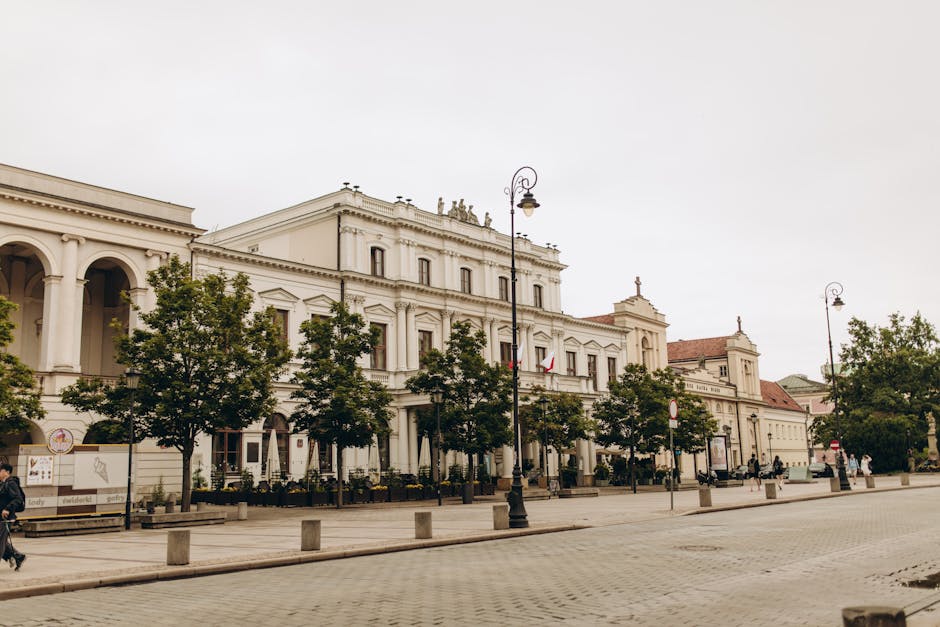
Explore the 'Polish Versailles' at your own pace. Discover Baroque architecture, royal history, and stunning gardens on this self-guided walk.
 Easy
EasyWarsaw, Poland
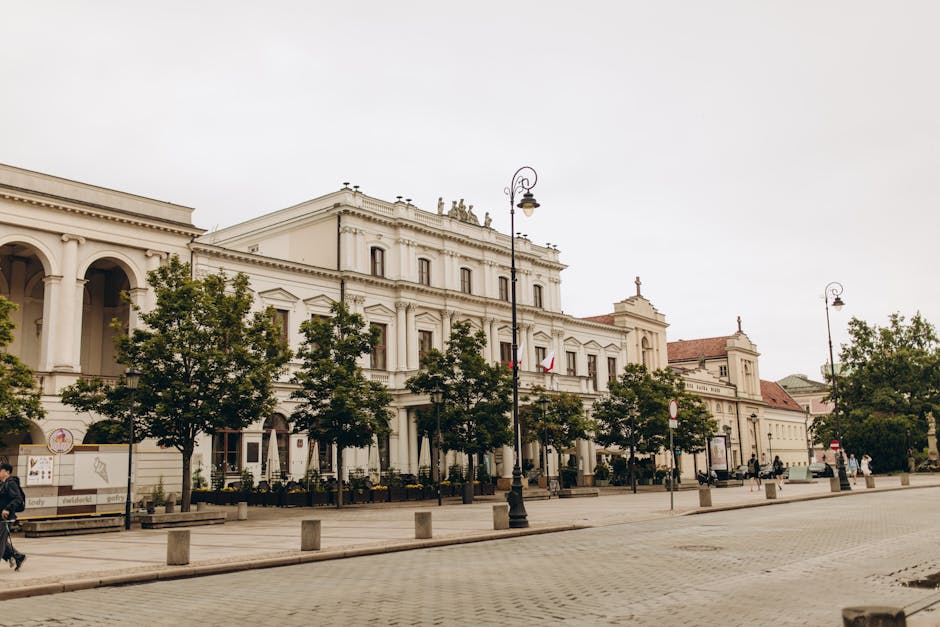
Discover Warsaw's intellectual heart through historic campuses, peaceful parks, and the stunning rooftop gardens of the University Library.
 Easy
EasyNairobi, Kenya
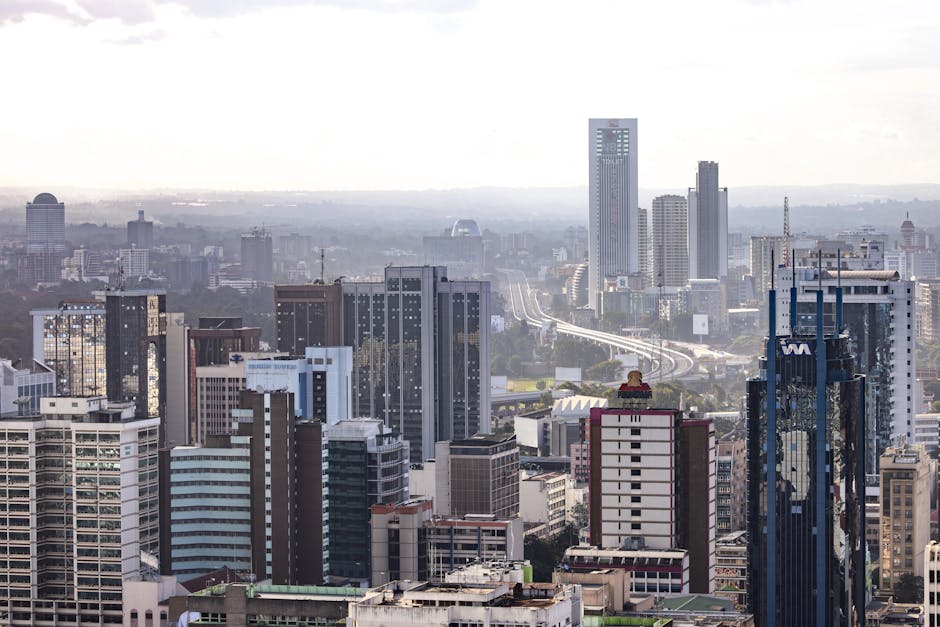
Explore Nairobi's architectural evolution from colonial-era landmarks to iconic Brutalist skyscrapers on this historic self-guided walking route.
 Easy
EasyNairobi, Kenya
Discover Nairobi's iconic skyline on this self-guided architecture walk through the CBD’s most famous modernist and Brutalist landmarks.
 Easy
EasyDubrovnik, Croatia
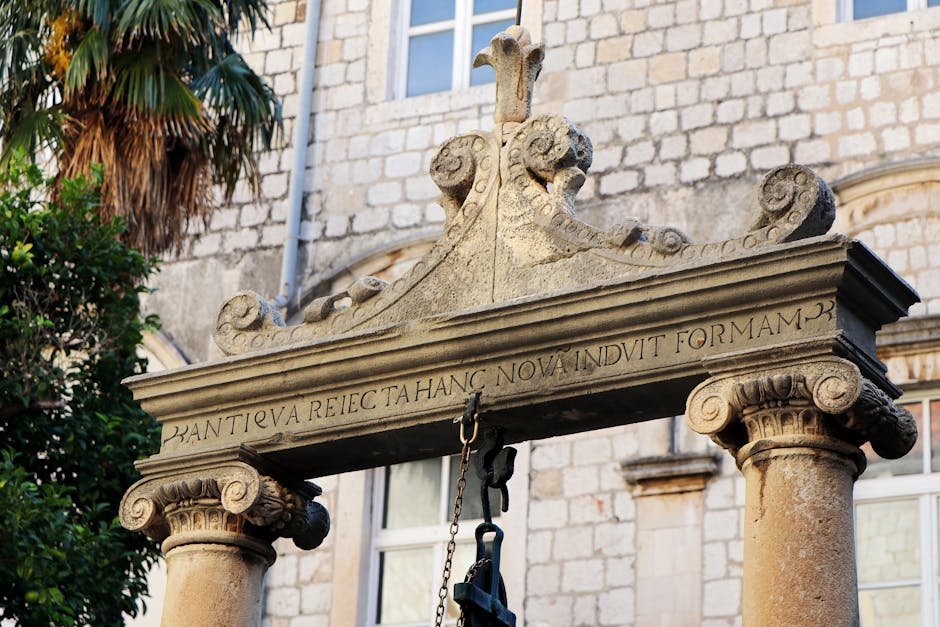
Explore Dubrovnik’s legendary maritime history on this self-guided walk through the Old Port, ancient shipyards, and the historic quarantine station.
 Easy
EasyDubrovnik, Croatia
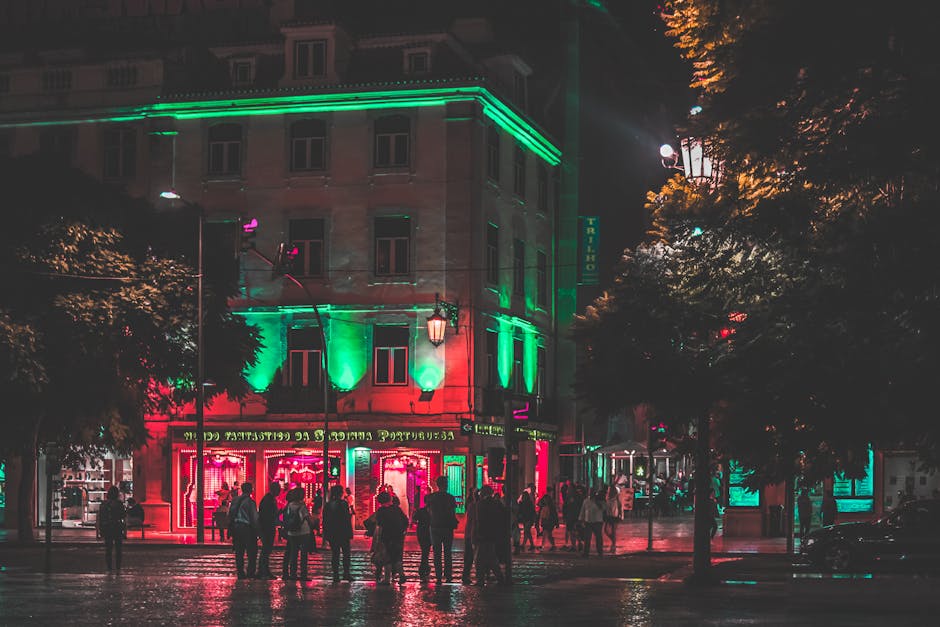
Discover Dubrovnik's nocturnal charm on this self-guided walk through lantern-lit alleys, jazz spots, and hidden cliffside bars.
 Moderate
Dubrovnik, Croatia
Escape the crowds and discover Dubrovnik's wild side on this scenic self-guided coastal walk through Lapad's pine forests and hidden bays.
 Easy
EasyDubrovnik, Croatia
Discover Dubrovnik's intellectual soul on this self-guided walk through ancient libraries, historic pharmacies, and serene monastic cloisters.