Self-guided audio tour in Dubrovnik
Start Free on iPhone
Start free on iPhone to unlock this self-guided walking tour in Dubrovnik. Hear all the stories that make it amazing, walk at your own pace, and begin whenever you want.
Your Private Tour Guide
Dubrovnik is often celebrated as the 'Pearl of the Adriatic,' a shimmering medieval city of limestone and terracotta. However, just decades ago, this UNESCO World Heritage site was the front line of a brutal conflict. This self-guided walk invites you to look past the Game of Thrones filming locations and cruise ship crowds to uncover the 'Echoes of the Homeland War.' By following this walking route, you will gain a deeper understanding of the 1991-1992 Siege of Dubrovnik, a pivotal moment in the Croatian War of Independence that saw the city bombarded by land, sea, and air. Your journey begins atop Mount Srđ at the Homeland War Museum, housed within Fort Imperial. This fortress served as the final line of defense for the city, and from this vantage point, you can see the strategic layout that made Dubrovnik both a target and a stronghold. As you descend toward the Old Town via the Dubrovnik Cable Car, you’ll transition from the battlefield to the urban heart of the resistance. Within the ancient walls, the route takes you to the Memorial Room of the Defenders of Dubrovnik. Located inside the historic Sponza Palace, this quiet space honors the lives lost during the siege with a moving gallery of portraits. The exploration continues at War Photo Limited, a world-class gallery of photojournalism that provides a raw, unfiltered look at the realities of the conflict through the lenses of those who were there. Finally, the walk concludes at the Franciscan Monastery. While famous for its ancient pharmacy, the monastery also bears the scars of the war, serving as a reminder of the delicate balance between preserving history and enduring modern strife. This neighborhood stroll offers a somber yet essential perspective on the resilience of the Croatian people and the remarkable restoration of their beloved city. It is a walking tour Dubrovnik visitors should undertake to truly appreciate the soul of the city beyond its aesthetic beauty.
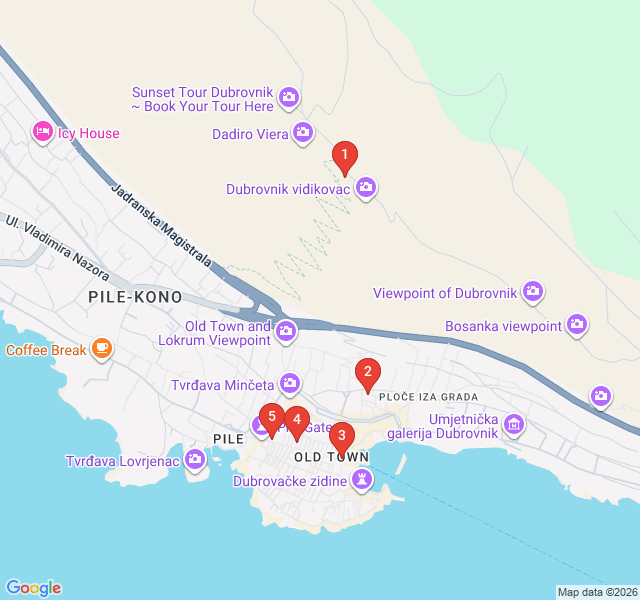
Numbers indicate the order of stops on the tour.
High above the city, Fort Imperial stands as a symbol of Croatian resistance. Built during the Napoleonic era, this fortress became the most critical defensive point during the 1991 Siege of Dubrovnik. Inside, the Homeland War Museum displays a vast collection of documents, weapons, and photographs documenting the 240-day blockade. As you explore the stone corridors, you will see the remains of the communications equipment used by the defenders. The museum doesn't just chronicle military strategy; it tells the story of the 163rd Dubrovnik Brigade and the civilians who lived under fire. Look out from the terrace to see the city below; it was from these heights that the JNA forces launched their assault, and it was from here that the city was ultimately held.
The Dubrovnik Cable Car is more than just a tourist attraction; it is a symbol of the city's recovery. During the early days of the conflict in 1991, the original cable car system was completely destroyed by shelling, cutting off the most direct link between the city and Mount Srđ. For nearly two decades, the broken pylons stood as a reminder of the war. It wasn't until 2010 that the system was fully restored. As you travel between the mountain and the Old Town, consider that this path was once a trajectory for missiles. Today, it offers one of the most peaceful views in Europe, but the history of its destruction remains a key chapter in the city's modern narrative.
Located within the elegant Sponza Palace, the Memorial Room provides a deeply personal connection to the war. This space is dedicated to the young men and women who gave their lives defending the city between 1991 and 1995. Unlike larger museums, this room focuses on the faces of the fallen. Rows of black-and-white portraits line the walls, accompanied by the dates of their birth and death. Many of those pictured were barely out of their teens. The juxtaposition of these modern tragedies within the walls of a 16th-century palace—which survived the Great Earthquake of 1667—highlights the enduring nature of Dubrovnik’s struggles. It is a place for quiet reflection on the human cost of independence.
War Photo Limited is a gallery dedicated to contemporary conflict photography. Founded by photojournalist Wade Goddard, who covered the Balkan wars, the gallery aims to expose the 'myth of war' and the reality of its impact on individuals. While the exhibits rotate and cover global conflicts, the permanent collection includes harrowing images of the Siege of Dubrovnik. These photographs capture the smoke rising from the terracotta roofs and the desperation of citizens fetching water under sniper fire. The gallery serves as a stark reminder that the beautiful streets you are walking through today were, not long ago, a zone of intense suffering. It is a powerful, often uncomfortable, but necessary stop to understand the gravity of the Homeland War.
Our final stop is the Franciscan Monastery, home to one of the oldest continuously functioning pharmacies in the world, dating back to 1317. While the cloister is a masterpiece of Romanesque-Gothic architecture, look closely at the walls and the bell tower. During the 1991 bombardment, the monastery was hit by over 50 projectiles. The library, which houses invaluable historical manuscripts, was nearly lost to fire. Today, the restoration is so seamless it is hard to spot the damage, but small plaques and remaining shrapnel marks tell the story. This site represents the 'healing' of Dubrovnik—where an ancient place of medicine and peace survived the violence of the modern era to continue its service to the community.
Start Free on iPhone
Explore “Echoes of the Homeland War” with your very own Private Tour Guide with Zigway. Start free on iPhone, skip the large group and the fixed routes, and hear the city come alive as you go.
Your Private Tour Guide
Don't miss the good stuff
Explore Freely
 Easy
EasyDubrovnik, Croatia
Explore Dubrovnik’s legendary maritime history on this self-guided walk through the Old Port, ancient shipyards, and the historic quarantine station.
 Easy
EasyDubrovnik, Croatia
Discover Dubrovnik's nocturnal charm on this self-guided walk through lantern-lit alleys, jazz spots, and hidden cliffside bars.
 Moderate
Dubrovnik, Croatia
Escape the crowds and discover Dubrovnik's wild side on this scenic self-guided coastal walk through Lapad's pine forests and hidden bays.
 Easy
EasyDubrovnik, Croatia
Discover Dubrovnik's intellectual soul on this self-guided walk through ancient libraries, historic pharmacies, and serene monastic cloisters.
 Moderate
Gdansk, Poland
Discover the origins of WWII in Gdansk on this self-guided walk through heroic last stands, massive museums, and strategic hilltop fortifications.
 Moderate
Warsaw, Poland
Explore the resilient spirit of Warsaw's Muranów district on this self-guided walk through the history and landmarks of the former Jewish Ghetto.
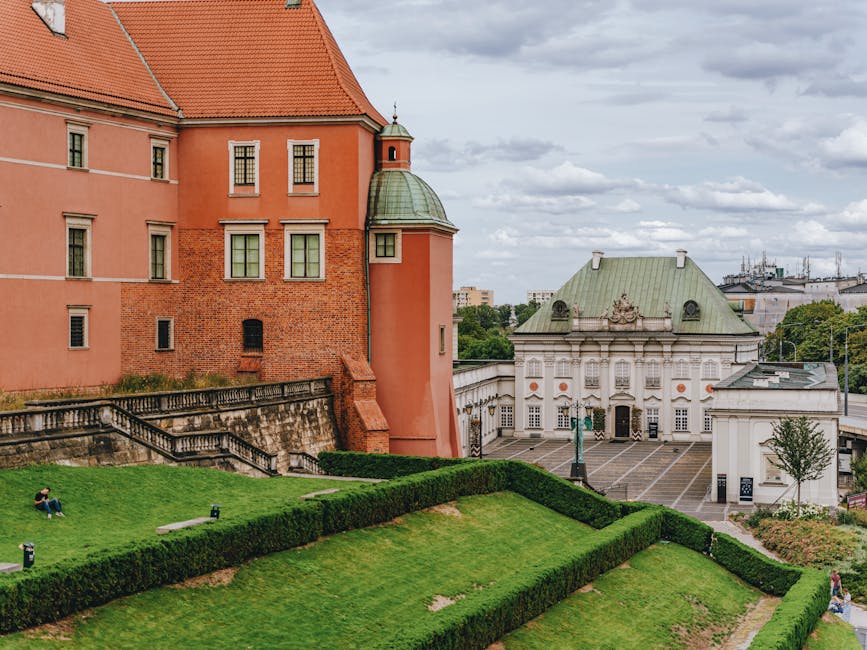 Moderate
Warsaw, Poland
A powerful self-guided walk through Warsaw's WWII history, tracking the 1944 Uprising from ruined skyscrapers to solemn memorials.
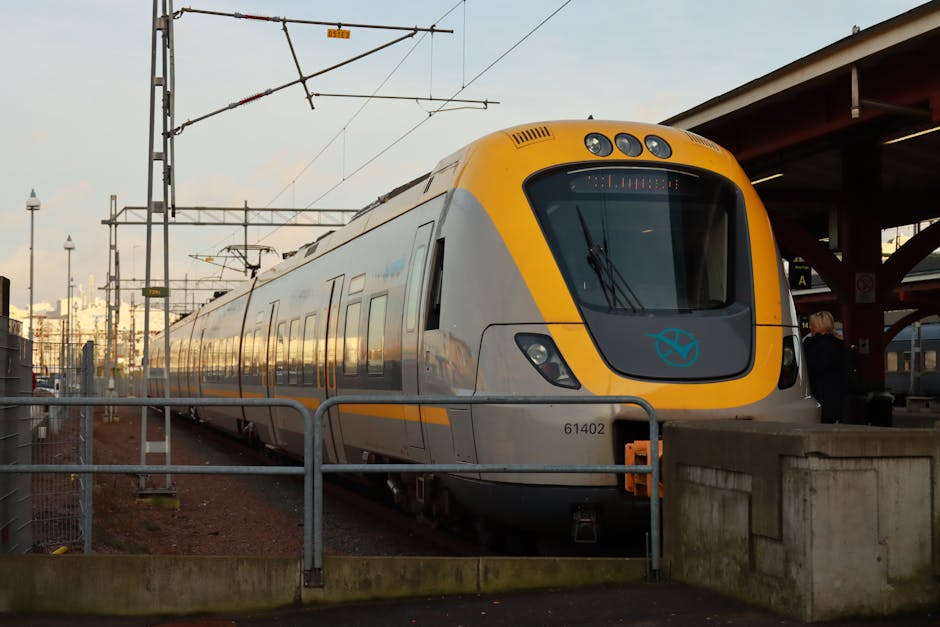 Moderate
Gothenburg, Sweden
Discover Gothenburg’s maritime soul on this self-guided walk from the historic Central Station to the scenic riverfront at Stenpiren.
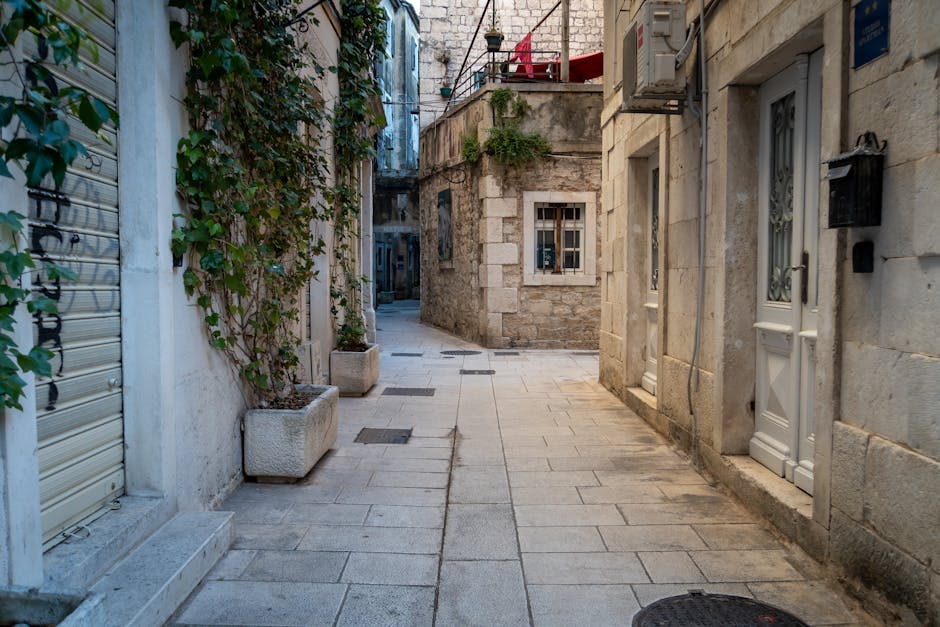 Moderate
Split, Croatia
Wander through the narrow stone alleys and hidden medieval chapels of Split's historic fisherman's quarter on this scenic self-guided adventure.
 Easy
EasySplit, Croatia
Taste the heart of Dalmatia on this self-guided walk through Split's historic markets, legendary taverns, and vibrant street food spots.
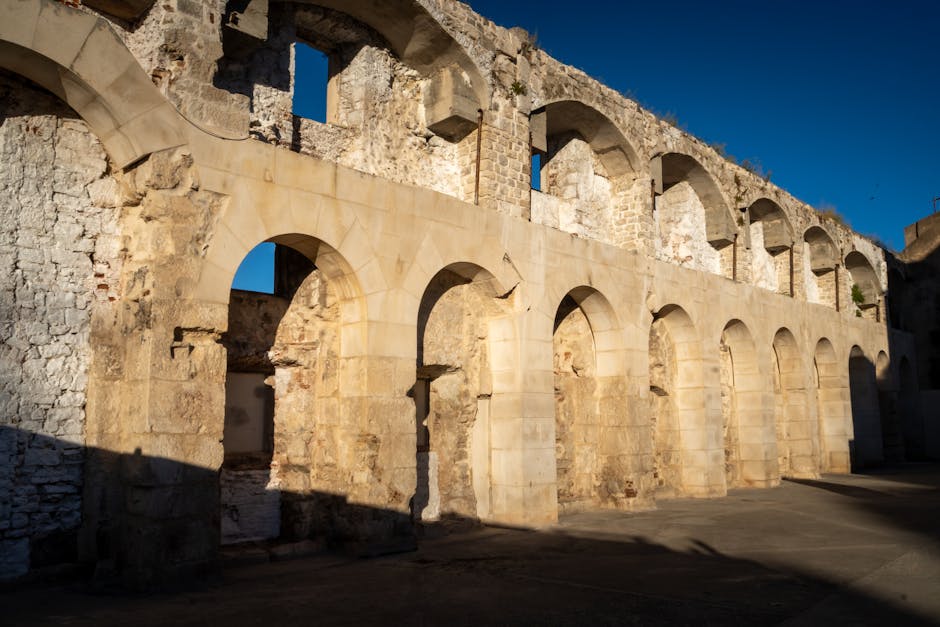 Easy
EasySplit, Croatia
Explore a 1,700-year-old Roman palace turned vibrant city. Discover ancient temples and medieval streets at your own pace with this audio walk.
 Easy
EasySplit, Croatia
Explore Split's literary heritage on this self-guided walk through the Old Town, featuring iconic poets, playwrights, and historic theaters.