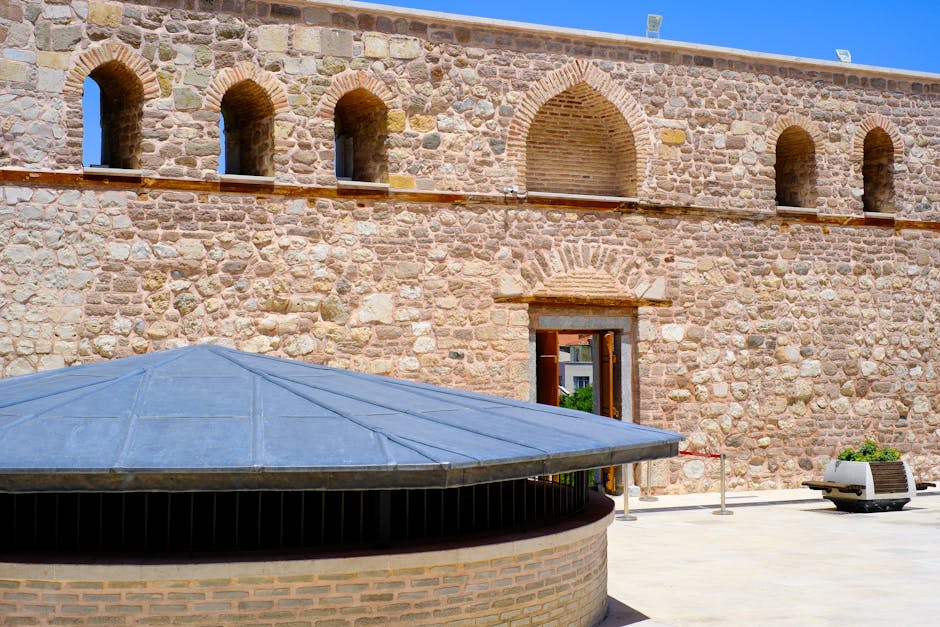
Self-guided audio tour in Split
Start Free on iPhone
Start free on iPhone to unlock this self-guided walking tour in Split. Hear all the stories that make it amazing, walk at your own pace, and begin whenever you want.
Your Private Tour Guide
Split is a city of layers, where Roman emperors once walked and where a vibrant Jewish community found refuge and flourished for centuries. This self-guided walk invites you to look beyond the grand facades of Diocletian’s Palace to discover the intimate history of the Jewish Ghetto and the enduring legacy of the Sephardic Jews who arrived after the Spanish Expulsion. As you navigate the narrow stone alleys, you will encounter one of the oldest synagogues in Europe still in use, tucked away discreetly within the Roman walls, and learn about the visionary Daniel Rodriguez, who transformed Split into a major Mediterranean port. This walking route blends iconic Roman architecture with the hidden symbols of Jewish life. You will see where the Ghetto was established in the 16th century and explore the People’s Square, the heart of civic life where Jewish merchants once traded. The journey extends beyond the palace walls to the Archaeological Museum, which houses some of the earliest evidence of Jewish presence in the region dating back to the Roman city of Salona. You will also visit the historic Jewish Cemetery on the slopes of Marjan Hill, a peaceful site offering some of the most poignant views over the city. Whether you are a history enthusiast or a first-time visitor, this audio walk provides a unique perspective on Split's multicultural identity. You can explore at your own pace, pausing to admire the intricate carvings at Jupiter's Temple or the preserved cellars of the Emperor's palace. By the time you reach the Meštrović Gallery, you will have a deep understanding of how this community shaped the economic and cultural fabric of Dalmatia. This walking tour Split offers is a profound journey through time, resilience, and heritage.
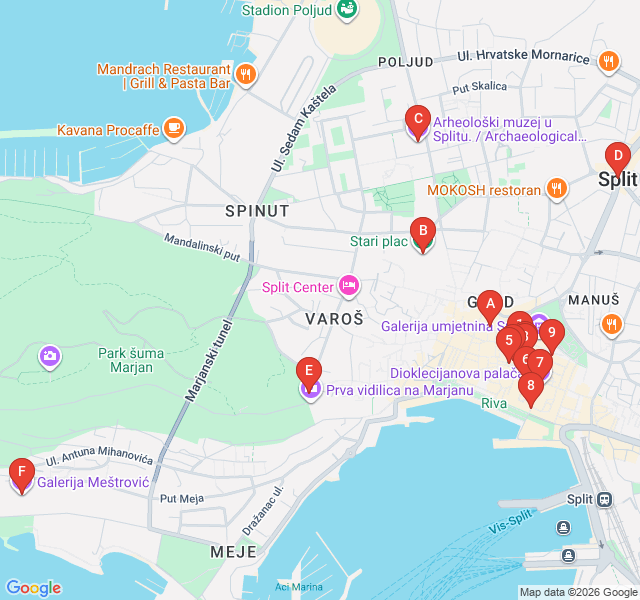
Numbers indicate the order of stops on the tour.
Start exploring near the Golden Gate at the Game of Thrones Museum. While the museum celebrates modern fantasy, its location is significant to our story. It sits on the edge of what was once the Jewish Ghetto. In the 16th century, Split became a sanctuary for Sephardic Jews fleeing the Inquisition. The local authorities, recognizing the economic potential of these skilled merchants, allowed them to settle within the palace walls. This area became the heart of their community, a bustling center of trade and culture that would help revive Split's economy after years of decline.
Tucked away in a narrow alley is the Split Synagogue. Established in the early 16th century, it is one of the oldest Sephardic synagogues in the world still in continuous use. Notice how it is built directly into the western wall of Diocletian's Palace; it was converted from two medieval houses. Because of historic restrictions, the exterior is modest and blends into the residential street, but the interior holds beautiful ritual objects and a library. It stands as a testament to the community's long-standing presence and their integration into the very stone of the city.
You are now standing in the heart of the Ghetto. Unlike the locked ghettos of Venice or Rome, Split’s Ghetto was relatively open for much of its history. Established in 1573, it consisted of a few narrow streets where families lived and worked. The community was vital to Split’s growth, particularly in the textile and spice trades. As you walk through these narrow passages, imagine the sounds of Ladino—the language of the Sephardic Jews—mixing with the local Dalmatian dialect. The ghetto was officially abolished during the Napoleonic rule in the early 19th century.
Emerging from the Ghetto, you find the Old Town Hall. This Gothic building was the center of municipal power. Jewish community leaders often interacted with the city council here to negotiate trade rights and community protections. The square surrounding the hall was the primary marketplace. Jewish merchants played a crucial role in the 'Lazzaretto'—the quarantine and trade station near the harbor—which turned Split into a major transit point for goods traveling between the Ottoman Empire and Venice.
Known locally as Pjaca, People's Square has been the center of Split’s public life since the 15th century. Look at the flagstones beneath your feet; they have been polished smooth by centuries of footsteps. Jewish-owned shops and cafes once lined this square. During the 19th century, as Jews gained full civil rights, they became prominent members of the Split bourgeoisie, contributing to the city's political and intellectual life. The clock tower here, with its 24-hour dial, has watched over this multicultural exchange for generations.
This ancient Roman temple, later converted into a Christian baptistery, highlights the religious transitions of Split. For the Jewish community, the Roman heritage of the city was a constant backdrop. Interestingly, some of the earliest Jewish artifacts in the region were found in the nearby ruins of Salona, suggesting that Jews have lived in this part of Dalmatia since the time of the Roman Empire itself. The layers of history here—Roman, Christian, and Jewish—are inextricably linked.
You are standing within one of the best-preserved monuments of Roman architecture in the world. Diocletian’s Palace was not just a residence for an emperor but a fortified city. When the Jewish community arrived in the 1500s, they repurposed the Roman structures, finding safety within the thick walls. The palace's layout, with its Cardo and Decumanus streets, dictated the boundaries of the Ghetto and the placement of the Synagogue. It is a rare example of an ancient military complex evolving into a living, multi-ethnic neighborhood.
Descend into the substructures of the palace. These cellars provide a mirror image of the palace layout above. During the medieval and early modern periods, these spaces were often used for storage by merchants, including Jewish traders who dealt in silk, grain, and leather. The cool, dry conditions were perfect for preserving goods before they were shipped across the Adriatic. Today, they offer a glimpse into the sheer scale of Roman engineering that provided the foundation for the city's commercial success.
The Golden Gate, or Porta Aurea, was the main entrance to the palace for the Emperor. Just outside this gate stands the massive statue of Gregory of Nin. For the Jewish community, this area was a transition point between the safety of the palace walls and the fields and cemeteries beyond. The gate's intricate carvings remind us of the city's imperial past, while the nearby streets remind us of the diverse people who kept the city alive long after the Romans left.
While not directly related to Jewish history, Froggyland is a quirky Split landmark that showcases the city's eccentric cultural side. This collection of taxidermy frogs in human poses was created by Ferenc Mere, a Hungarian artist. It serves as a lighthearted reminder that Split is a city of surprises and individual passions, reflecting the diverse and often unusual stories that make up the urban fabric of the Old Town.
This old stadium was the original home of Hajduk Split, the city’s beloved football club. Members of the Jewish community were active in the city's sporting and social clubs in the early 20th century. Sport was a major avenue for integration and local pride. During the tragic years of World War II, many Jewish residents and athletes faced persecution, and the community was nearly decimated. Standing here, we remember the vibrant social life that existed before the Holocaust.
The Archaeological Museum is the oldest museum in Croatia. It houses crucial evidence of the earliest Jewish presence in Dalmatia, including oil lamps and tombstone fragments marked with menorahs from the 3rd and 4th centuries. These finds from the ancient city of Salona prove that Jewish life in this region predates the palace itself. It provides a vital archaeological link between the ancient Roman world and the later Sephardic community that arrived in the 16th century.
This street is named after Daniel Rodriguez (Daniel Rodrigo), perhaps the most important figure in Split’s Jewish history. A Portuguese Jew, Rodriguez convinced the Venetian Senate to build a free port and a lazaretto (quarantine station) in Split in the late 1500s. His vision transformed a sleepy town into a thriving commercial hub connecting the East and West. By naming this street after him, the city honors the man whose economic brilliance ensured Split's survival during the Venetian-Ottoman wars.
Located on the eastern slope of Marjan Hill, this cemetery was founded in 1573. It is one of the most significant Jewish sites in Croatia, containing over 700 graves. The horizontal tombstones are typical of the Sephardic tradition. Though the last burial took place in 1945, the site remains a protected cultural monument. From here, you can look back at the city and the harbor—the very port that Daniel Rodriguez helped build—and reflect on the centuries of Jewish life that contributed to the Split you see today.
Our walk ends at the Meštrović Gallery, dedicated to Croatia’s greatest sculptor, Ivan Meštrović. While Meštrović was not Jewish, his work often explored themes of suffering, faith, and human dignity—themes that resonate deeply with the history of the Jewish people. During WWII, Meštrović used his influence to help several Jewish individuals escape persecution. The gallery and its beautiful gardens offer a peaceful place to reflect on the resilience of the human spirit and the diverse cultural legacies that define Split.
Start Free on iPhone
Explore “Split's Jewish Heritage: The Ghetto and Beyond” with your very own Private Tour Guide with Zigway. Start free on iPhone, skip the large group and the fixed routes, and hear the city come alive as you go.
Your Private Tour Guide
Don't miss the good stuff
Explore Freely
 Moderate
Split, Croatia
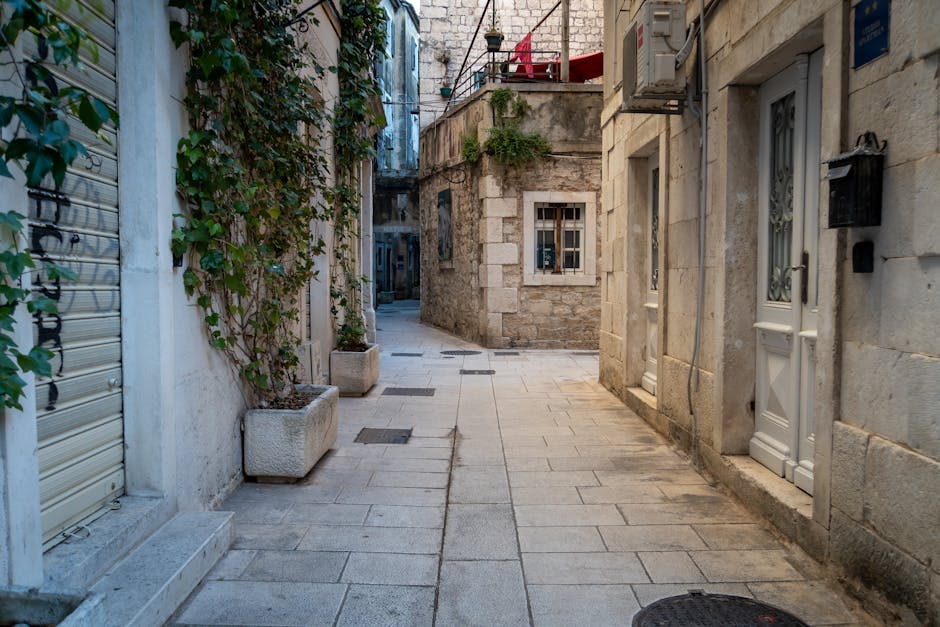
Wander through the narrow stone alleys and hidden medieval chapels of Split's historic fisherman's quarter on this scenic self-guided adventure.
 Easy
EasySplit, Croatia
Taste the heart of Dalmatia on this self-guided walk through Split's historic markets, legendary taverns, and vibrant street food spots.
 Easy
EasySplit, Croatia
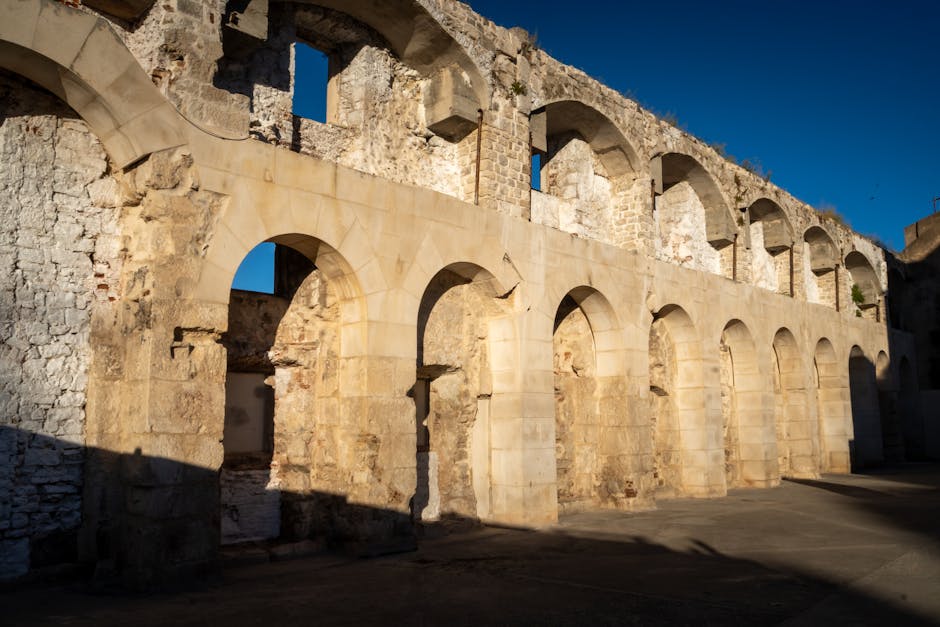
Explore a 1,700-year-old Roman palace turned vibrant city. Discover ancient temples and medieval streets at your own pace with this audio walk.
 Easy
EasySplit, Croatia
Explore Split's literary heritage on this self-guided walk through the Old Town, featuring iconic poets, playwrights, and historic theaters.
 Easy
EasyKrakow, Poland
Explore the historic heart of Kazimierz on this self-guided walk through synagogues, ancient cemeteries, and vibrant squares.
 Easy
EasySalzburg, Austria
Discover the 'Rome of the North' on this self-guided walk through the Baroque squares and monumental legacy of Salzburg’s Prince-Archbishops.
 Easy
EasyGothenburg, Sweden
Discover Gothenburg’s 17th-century Dutch foundations, historic canals, and military fortifications on this self-guided architectural walk.
 Easy
EasyNairobi, Kenya
Explore Nairobi's architectural evolution from colonial-era landmarks to iconic Brutalist skyscrapers on this historic self-guided walking route.
 Easy
EasyDubrovnik, Croatia
Explore Dubrovnik’s legendary maritime history on this self-guided walk through the Old Port, ancient shipyards, and the historic quarantine station.
 Easy
EasyDubrovnik, Croatia
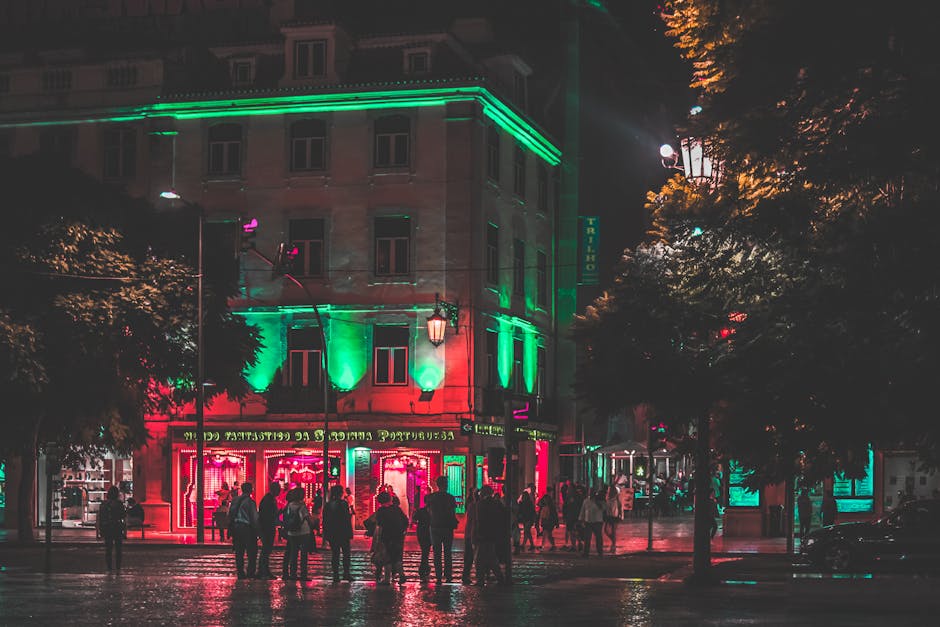
Discover Dubrovnik's nocturnal charm on this self-guided walk through lantern-lit alleys, jazz spots, and hidden cliffside bars.
 Moderate
Dubrovnik, Croatia
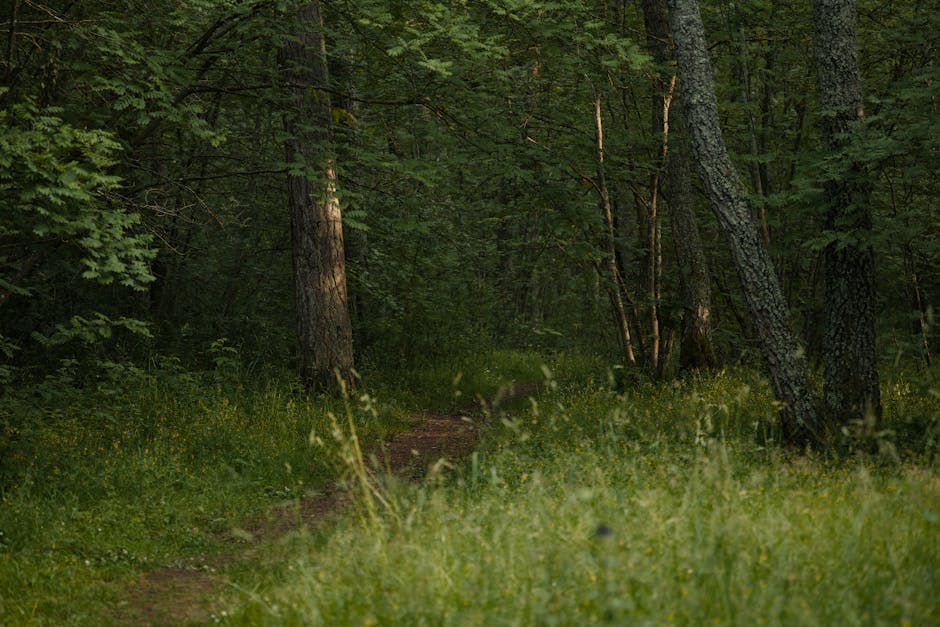
Escape the crowds and discover Dubrovnik's wild side on this scenic self-guided coastal walk through Lapad's pine forests and hidden bays.
 Easy
EasyDubrovnik, Croatia
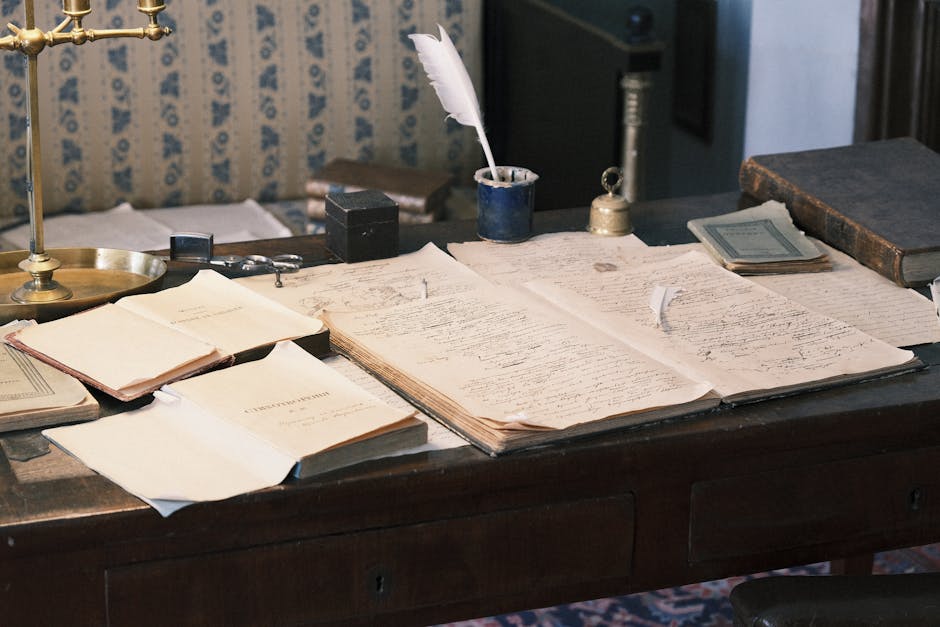
Discover Dubrovnik's intellectual soul on this self-guided walk through ancient libraries, historic pharmacies, and serene monastic cloisters.