Self-guided audio tour in Split
Start Free on iPhone
Start free on iPhone to unlock this self-guided walking tour in Split. Hear all the stories that make it amazing, walk at your own pace, and begin whenever you want.
Your Private Tour Guide
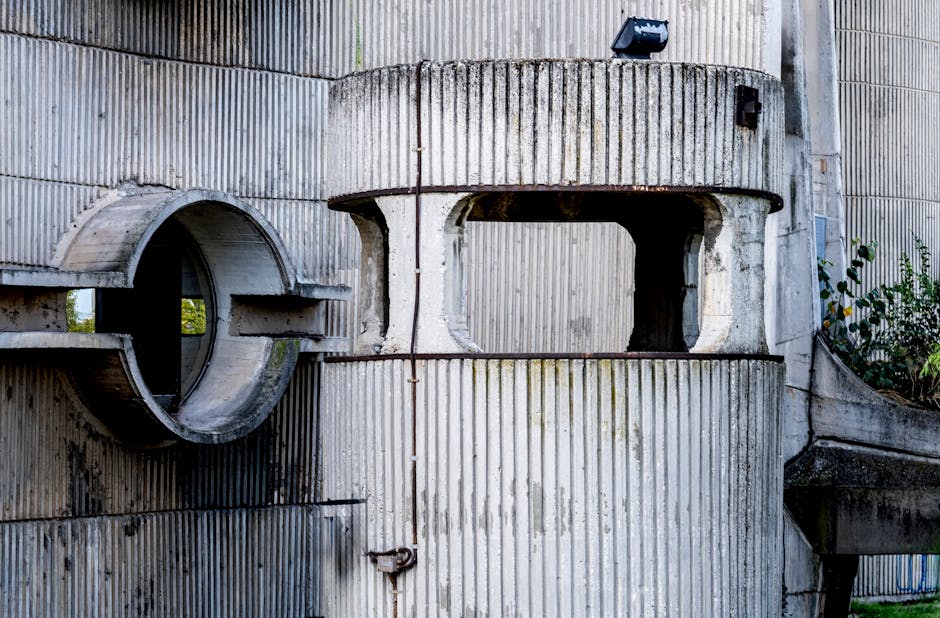
While most travelers to Split rarely venture beyond the Roman walls of Diocletian’s Palace, a different kind of architectural wonder lies just a short distance away. This self-guided walk explores the bold, concrete world of Split 3 and the city's modernist legacy. In the late 1960s and 70s, Split became a laboratory for utopian urban planning, resulting in some of the most significant Brutalist and Modernist structures in the former Yugoslavia. This walking route invites you to discover how architects balanced massive concrete forms with the Mediterranean lifestyle. The journey begins at the Koteks Shopping Centre and Gripe Sports Centre, a massive complex built to host the 1979 Mediterranean Games. From here, you will head into the heart of Split 3, a neighborhood designed to foster community through innovative pedestrian-first planning. The centerpiece is Ulica Ruđera Boškovića, a grand pedestrian spine lined with soaring residential blocks that look like modern fortresses but were designed to feel like traditional Dalmatian streets. You will see how these 'streets in the sky' were intended to bring the social intimacy of the old town into a modern, high-rise environment. As you continue this neighborhood stroll, the route takes you past the striking Split University Library before shifting toward the coast to visit the Archaeological Museum and the legendary Poljud Stadium. Known as the 'Shell of the Mediterranean,' Poljud is a masterpiece of modern engineering and a symbol of local pride. This architecture-focused travel experience offers a deep dive into a period of history when Split was rapidly transforming into a modern metropolis. It is an essential route for photography enthusiasts, history buffs, and anyone interested in the social history of the 20th century. By exploring independently with this audio walk, you can take the time to appreciate the textures of raw concrete and the hidden courtyards that make this area a living monument to a bygone era of optimism.
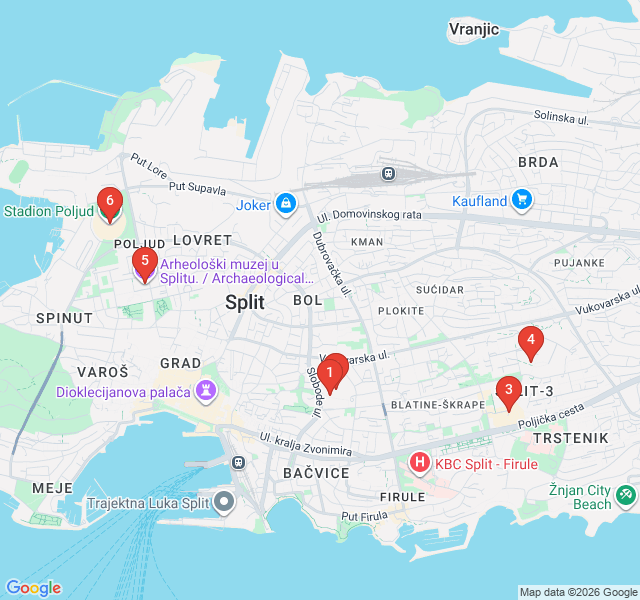
Numbers indicate the order of stops on the tour.
Welcome to the starting point of your self-guided adventure through Split's modern history. The Koteks Shopping Centre, designed by Slaven Rožić and built for the 1979 Mediterranean Games, was once the most modern shopping destination in the region. Notice the tiered concrete terraces and the way the building integrates with the surrounding landscape. In the late 70s, this wasn't just a mall; it was a symbol of Split's economic rise and its connection to global trends. Though it has aged, the Brutalist 'bones' of the structure remain impressive, showcasing the era's love for raw materials and functional, geometric shapes. This complex helped shift the city's center of gravity eastward, paving the way for the massive urban expansion you are about to explore.
Directly adjacent to Koteks is the Gripe Sports Centre. This multipurpose arena is another cornerstone of the 1979 Mediterranean Games legacy. Architecturally, it is famous for its massive, sweeping roofline and the use of exposed concrete. It was designed to house multiple sports under one roof, reflecting the socialist era's emphasis on public health and community athletics. Even today, it remains a vibrant hub for local sports clubs. As you look at the structure, consider the sheer scale of the construction and the ambition required to transform Split into an international sporting hub in just a few years. It represents the peak of Yugoslav modernism, where form and function met on a grand scale.
You are now standing in the heart of Split 3, specifically on the pedestrian spine of Ulica Ruđera Boškovića. This is arguably the most famous example of urban planning in the former Yugoslavia. Designed by a team of Slovenian architects including Vladimir Mušič, the goal was to create a modern city that didn't lose its 'soul.' Unlike the repetitive, soul-crushing housing blocks seen elsewhere, these buildings were designed to mimic the social dynamics of the ancient city. The wide pedestrian street is lined with shops and cafes, while the residential blocks above feature balconies and common areas intended to encourage neighborly interaction. It is a masterpiece of balancing high-density living with the human scale and the local climate.
Continuing through the campus area, you will find the Split University Library. This building is a more recent addition to the city's modernist landscape, completed in the early 21st century but deeply respectful of the surrounding brutalist context. It features sharp, angular geometry and a sophisticated use of glass and concrete that allows natural light to flood the interior study spaces. The library serves as the intellectual heart of the University of Split, which is integrated into the Split 3 district. It represents the continuation of the city's commitment to bold, contemporary architecture, proving that the modernist spirit in Split didn't end with the fall of the 1970s regimes.
As we transition toward the northern part of the city, we encounter the Archaeological Museum. Founded in 1820, it is the oldest museum in Croatia. While the building itself predates the Brutalist era, its presence on this route is significant. It provides the essential historical context that the modernist architects were trying to respect. They didn't want to replace this history; they wanted to build a 'new Split' that could stand alongside it. The museum’s courtyard, filled with Roman stelae and sarcophagi, offers a quiet, classical contrast to the raw concrete heights you have just seen. It is a reminder that Split has always been a city of stone, whether that stone is 2,000-year-old limestone or 50-year-old reinforced concrete.
The final stop on this neighborhood stroll is the magnificent Poljud Stadium, affectionately known as the 'Poljudska ljepotica' or 'Poljud Beauty.' Designed by architect Boris Magaš and completed in 1979, its shell-like structure was a revolutionary feat of engineering. The roof, which spans 206 meters without internal supports, was one of the largest of its kind in the world at the time. Beyond its architectural brilliance, Poljud is the home of Hajduk Split, a football club that is inseparable from the city's identity. The stadium’s design allows for breathtaking views of the surrounding mountains and sea, perfectly anchoring this modernist icon in the natural Mediterranean landscape. It is the perfect place to reflect on Split's journey from an ancient palace to a modern architectural pioneer.
Start Free on iPhone
Explore “Modernist Split: Brutalism and Split 3” with your very own Private Tour Guide with Zigway. Start free on iPhone, skip the large group and the fixed routes, and hear the city come alive as you go.
Your Private Tour Guide
Don't miss the good stuff
Explore Freely
 Moderate
Split, Croatia
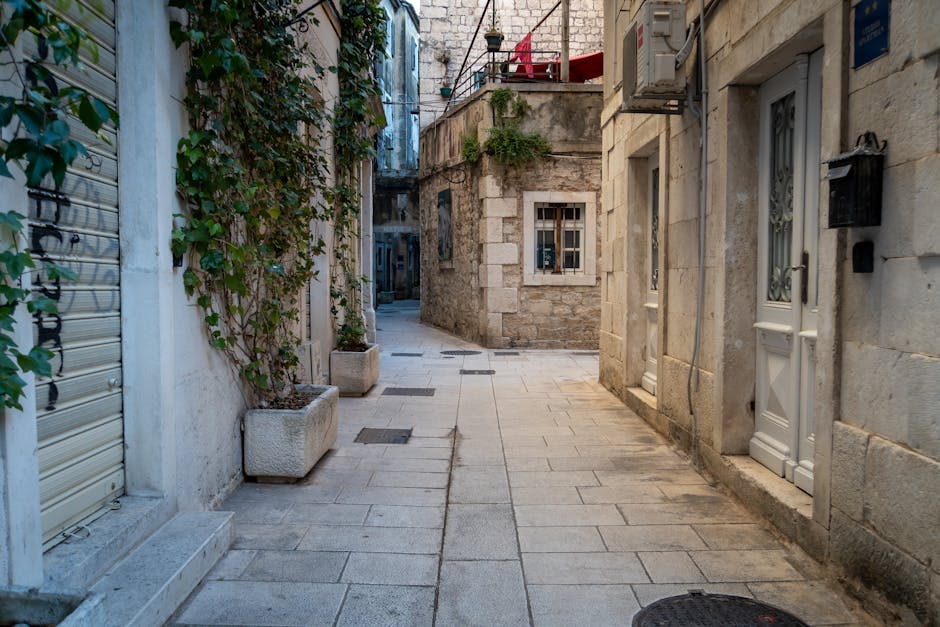
Wander through the narrow stone alleys and hidden medieval chapels of Split's historic fisherman's quarter on this scenic self-guided adventure.
 Easy
EasySplit, Croatia
Taste the heart of Dalmatia on this self-guided walk through Split's historic markets, legendary taverns, and vibrant street food spots.
 Easy
EasySplit, Croatia
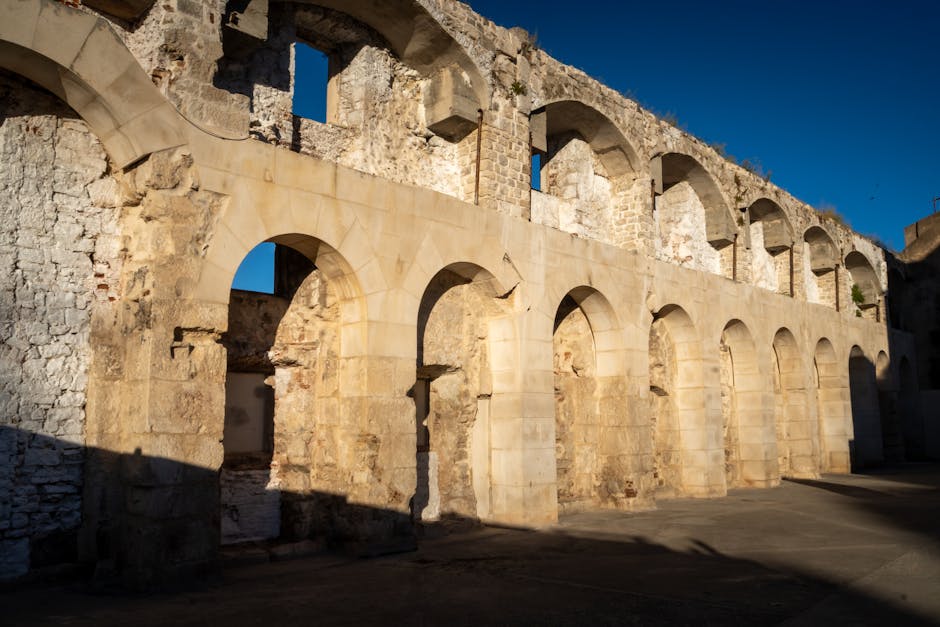
Explore a 1,700-year-old Roman palace turned vibrant city. Discover ancient temples and medieval streets at your own pace with this audio walk.
 Easy
EasySplit, Croatia
Explore Split's literary heritage on this self-guided walk through the Old Town, featuring iconic poets, playwrights, and historic theaters.
 Moderate
Gdansk, Poland
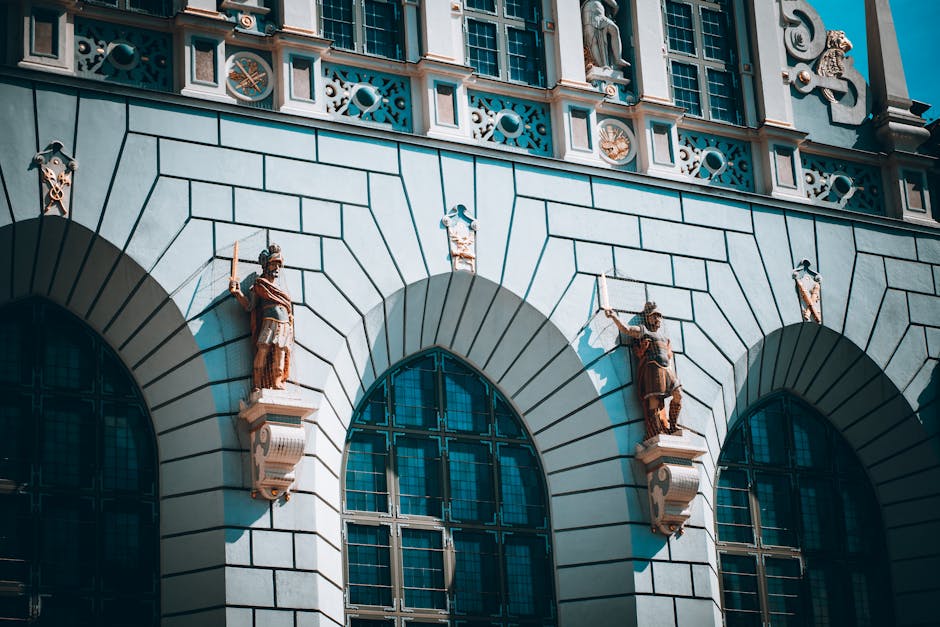
Discover Zaspa, a massive open-air gallery where grey housing blocks are transformed by over 60 monumental murals. Explore at your own pace.
 Moderate
Gdansk, Poland
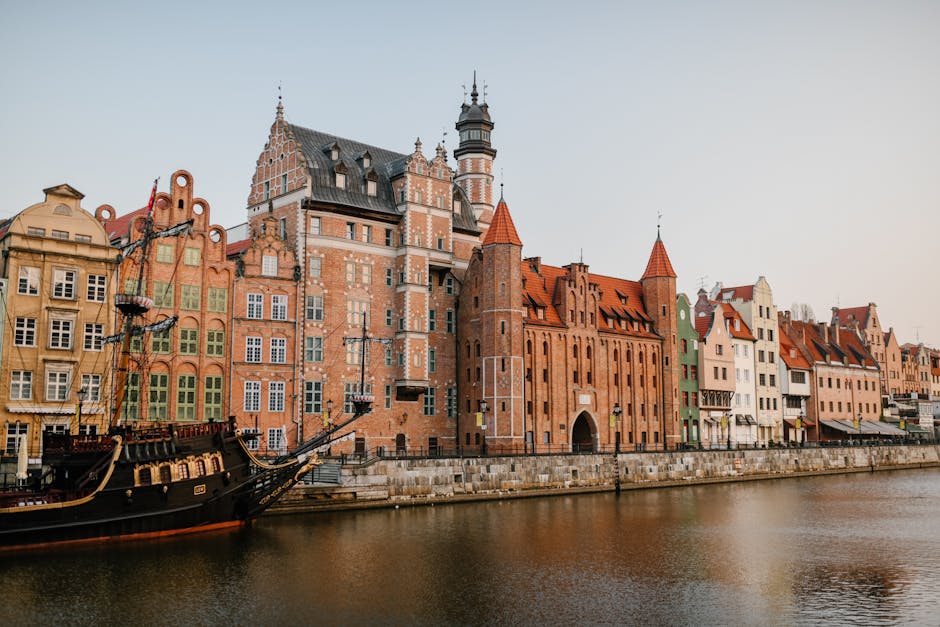
Discover the bohemian soul of Gdańsk. Explore the literary landmarks of Günter Grass, Prussian villas, and the trendy cafes of historic Wrzeszcz.
 Easy
EasyHelsinki, Finland
Discover Helsinki's oldest neighborhood on this self-guided audio walk through Kruununhaka’s historic streets, hidden courtyards, and scenic shores.
 Moderate
Gothenburg, Sweden
Discover Gothenburg’s maritime soul on this self-guided walk from the historic Central Station to the scenic riverfront at Stenpiren.
 Easy
EasyDubrovnik, Croatia
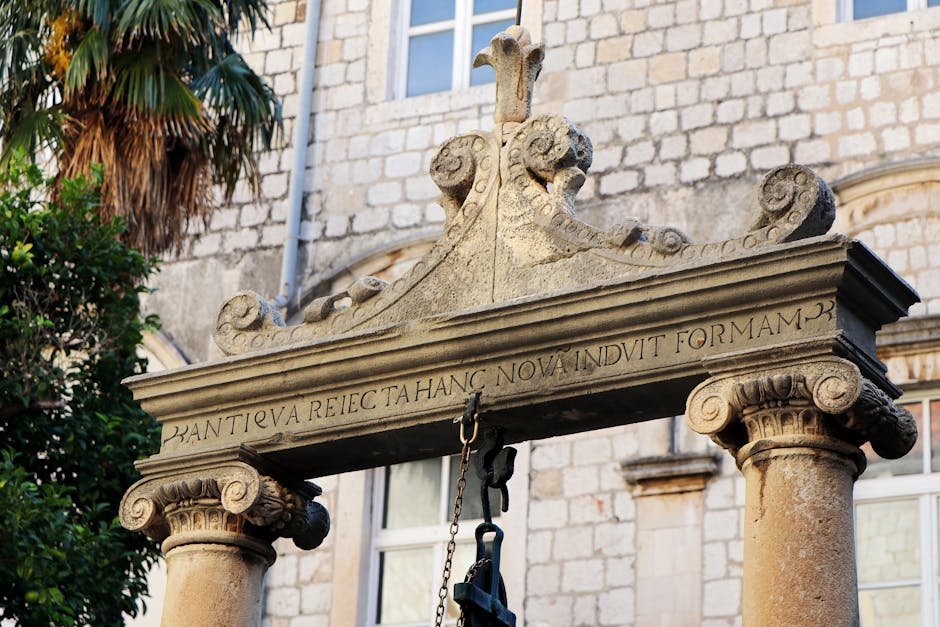
Explore Dubrovnik’s legendary maritime history on this self-guided walk through the Old Port, ancient shipyards, and the historic quarantine station.
 Easy
EasyDubrovnik, Croatia
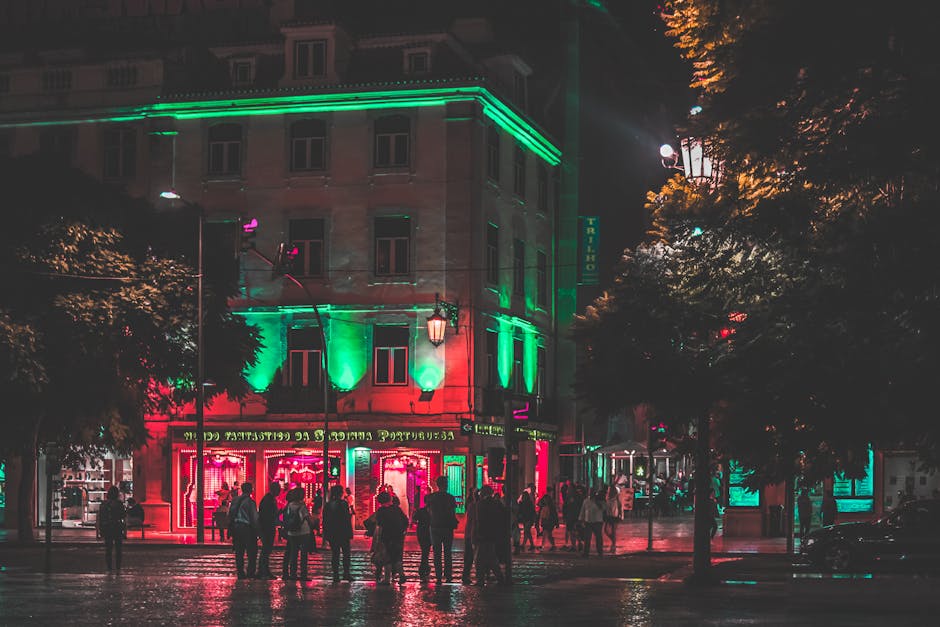
Discover Dubrovnik's nocturnal charm on this self-guided walk through lantern-lit alleys, jazz spots, and hidden cliffside bars.
 Moderate
Dubrovnik, Croatia
Escape the crowds and discover Dubrovnik's wild side on this scenic self-guided coastal walk through Lapad's pine forests and hidden bays.
 Easy
EasyDubrovnik, Croatia
Discover Dubrovnik's intellectual soul on this self-guided walk through ancient libraries, historic pharmacies, and serene monastic cloisters.