Self-guided audio tour in Split
Start Free on iPhone
Start free on iPhone to unlock this self-guided walking tour in Split. Hear all the stories that make it amazing, walk at your own pace, and begin whenever you want.
Your Private Tour Guide
Step away from the marble-paved corridors of Diocletian’s Palace and discover the soul of Split in its most authentic neighborhood. Radunica, the heart of the old East Suburb, offers a glimpse into the lives of the laborers, fishermen, and sailors who built this city. This self-guided walk invites you to explore a side of Split often missed by the crowds, where laundry hangs between green-shuttered windows and narrow stone alleys whisper centuries of secrets. Unlike a typical walking tour Split might offer in the city center, this route focuses on the rugged history of the Gripe Fortress and the humble charm of the Lučac district. Your journey begins at the imposing Gripe Fortress, a 17th-century bastion built by the Venetians to defend the city against Ottoman advances. Today, it houses the Croatian Maritime Museum, showcasing the region's deep-rooted connection to the Adriatic. As you descend toward the neighborhood of Radunica, the atmosphere shifts from military might to intimate local life. You will wander through the main artery of the district, where the traditional stone architecture has remained largely unchanged for generations. This neighborhood stroll captures the essence of the 'original' Split, far removed from the polished tourist trails. Continuing toward the edges of the historic center, you will encounter the Silver Gate, the eastern entrance to the Roman Emperor’s residence, and the peaceful Park Emanuela Vidovića, a green oasis dedicated to one of Croatia’s most beloved painters. The walk concludes at the Church of St. Peter, a site that has served as a spiritual anchor for the residents of the East Suburb for centuries. This walking route is perfect for travelers who prefer to explore independently and uncover the hidden layers of a Mediterranean city. Whether you are interested in maritime history, military architecture, or simply the rhythm of local life, this self-guided adventure provides a comprehensive look at the historical evolution of Split beyond its Roman walls.
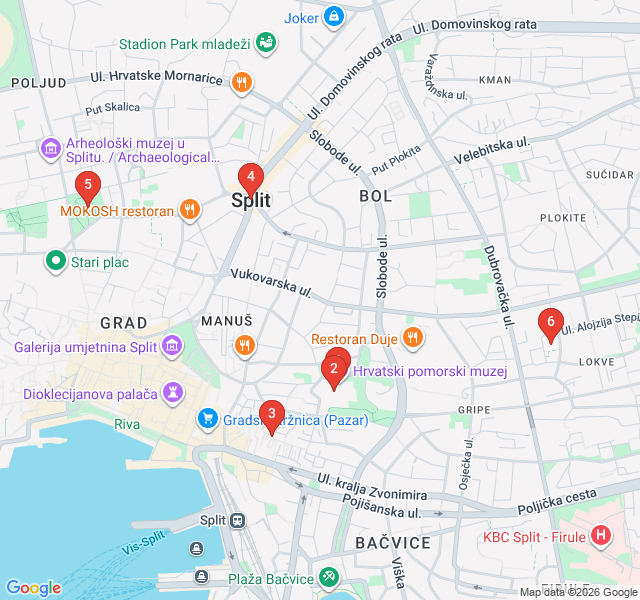
Numbers indicate the order of stops on the tour.
Begin your self-guided walk at the Croatian Maritime Museum, located within the sturdy walls of the Gripe Fortress. This museum is a treasure trove for anyone fascinated by the sea. It houses an extensive collection ranging from ancient Roman anchors and amphorae to torpedoes—which were actually a Croatian invention! The exhibits detail how the sea shaped the economy and identity of Split. As you explore, notice the traditional wooden boats and the evolution of naval technology. This site provides the perfect context for understanding why the residents of the nearby Radunica neighborhood were so deeply tied to the maritime trade. It is the best place to appreciate Split's identity as a Mediterranean powerhouse.
Step outside the museum to appreciate the Gripe Fortress itself. Built in the mid-17th century by the Venetian Republic, this star-shaped bastion was a crucial defense against the Ottoman Empire. While the city center was protected by the Roman walls of Diocletian's Palace, the heights of Gripe were strategically vital to prevent an artillery bombardment from above. In 1657, a massive Ottoman force laid siege to this very spot, but the local defenders held firm. Today, the fortress offers some of the most commanding views of Split, the harbor, and the surrounding islands. Take a moment to walk the perimeter and imagine the lookouts who once scanned the horizon for enemy sails.
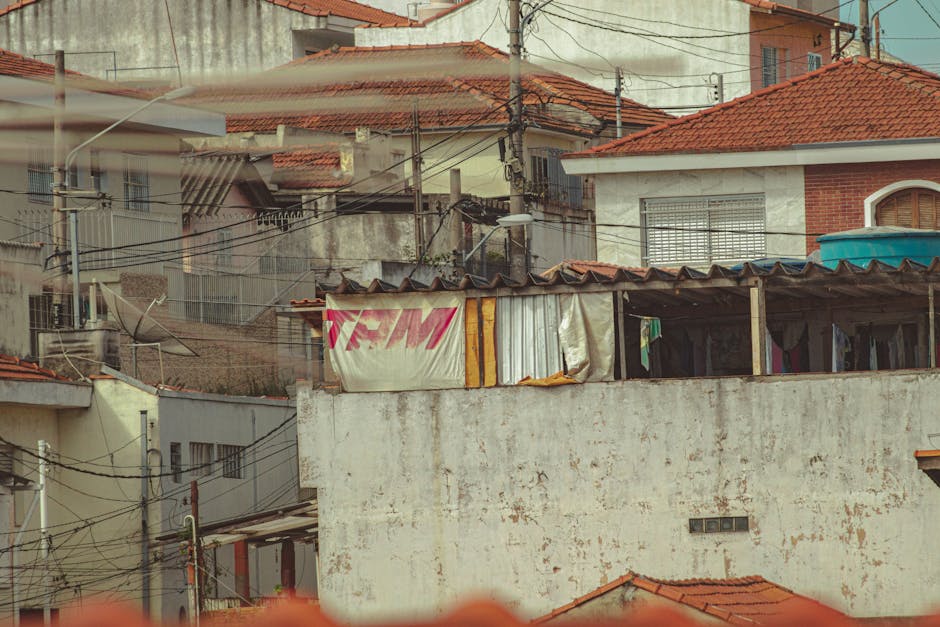
As you descend from the fortress, you enter the heart of Radunica. This is the main street of one of Split’s oldest suburbs, Lučac. For centuries, this was the domain of farmers and fishermen. The name 'Radunica' is said to come from an old word for a spring of water that once flowed here. The architecture here is distinctly 'folk'—simple stone houses with small windows and steep stairs. Look for the 'tiramole'—laundry lines strung across the street—which are a symbol of Mediterranean communal living. Every June, the neighborhood comes alive with the 'Dani Radunice' festival, celebrating the area's unique dialect, songs, and traditions that have survived the test of time.
Leaving the quiet alleys of Radunica, you arrive at the Silver Gate, or Porta Argentea. This was the eastern entrance to Diocletian’s Palace. During the Middle Ages, the gate was closed and a small church was built into the wall, only to be reopened in the 20th century after extensive restoration. Standing here, you can see the stark contrast between the monumental Roman architecture of the palace and the organic, sprawling growth of the suburbs like Radunica where you just walked. This gate was the primary link for the inhabitants of the East Suburb to enter the city for markets and religious services. Notice the large stone blocks that have stood here for over 1,700 years.
A short walk brings you to this tranquil green space named after Emanuel Vidović, one of Split’s most celebrated painters. Vidović was famous for his atmospheric, often melancholic depictions of the city's old interiors and the nearby coastal town of Trogir. The park is a favorite spot for locals to escape the midday heat. It serves as a buffer between the historic core and the newer parts of the city. While Split is often associated with stone and sea, parks like this were essential for the urban planning of the late 19th and early 20th centuries. It’s an ideal place to rest on a bench and soak in the local atmosphere before the final stop.
Your neighborhood stroll concludes at the Church of St. Peter (Sveti Petar). While the current building features 18th-century Baroque elements, it stands on a site with much deeper historical roots. For the people of Radunica and the Lučac district, this church was the center of their spiritual life. It was here that the local brotherhoods—religious organizations that also served as social safety nets for the poor—would meet. The interior is modest compared to the Cathedral, reflecting the working-class nature of the neighborhood. From here, you are just a few minutes' walk from the main bus station and the ferry port, marking the transition from the old suburbs back to the modern travel hubs of Split.
Start Free on iPhone
Explore “Radunica: Tales of the Old East Suburb” with your very own Private Tour Guide with Zigway. Start free on iPhone, skip the large group and the fixed routes, and hear the city come alive as you go.
Your Private Tour Guide
Don't miss the good stuff
Explore Freely
 Moderate
Split, Croatia
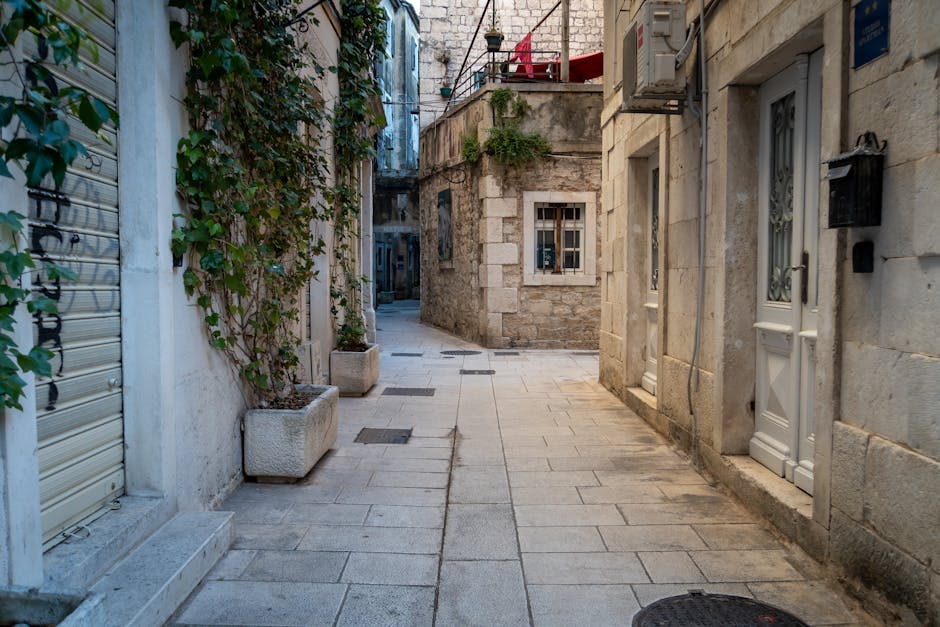
Wander through the narrow stone alleys and hidden medieval chapels of Split's historic fisherman's quarter on this scenic self-guided adventure.
 Easy
EasySplit, Croatia
Taste the heart of Dalmatia on this self-guided walk through Split's historic markets, legendary taverns, and vibrant street food spots.
 Easy
EasySplit, Croatia
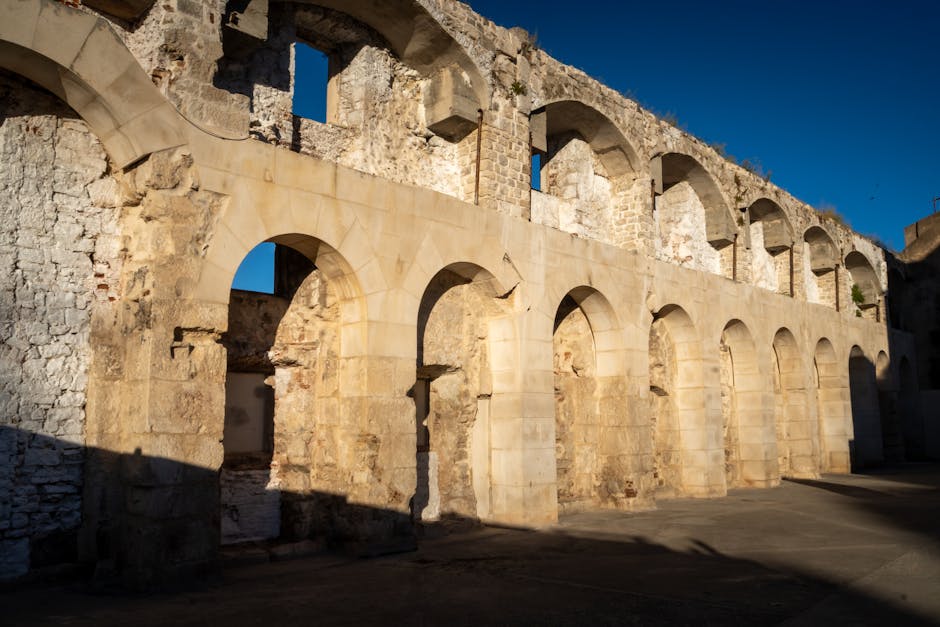
Explore a 1,700-year-old Roman palace turned vibrant city. Discover ancient temples and medieval streets at your own pace with this audio walk.
 Easy
EasySplit, Croatia
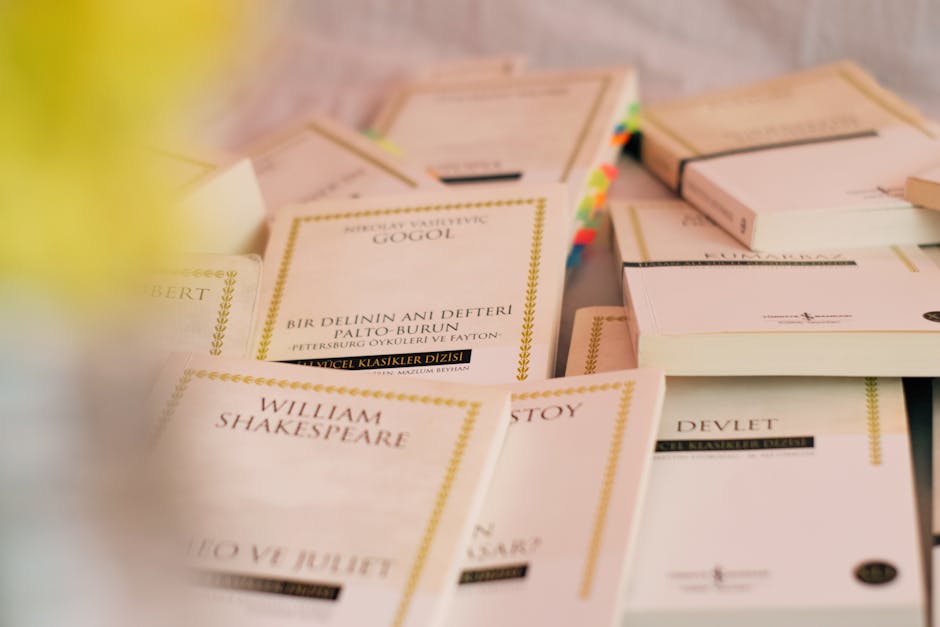
Explore Split's literary heritage on this self-guided walk through the Old Town, featuring iconic poets, playwrights, and historic theaters.
 Easy
EasyHelsinki, Finland
Discover Helsinki's oldest neighborhood on this self-guided audio walk through Kruununhaka’s historic streets, hidden courtyards, and scenic shores.
 Easy
EasyGothenburg, Sweden
Explore Gothenburg's maritime soul on this self-guided walk from historic shipyards to sleek modern piers and iconic industrial landmarks.
 Moderate
Vienna, Austria
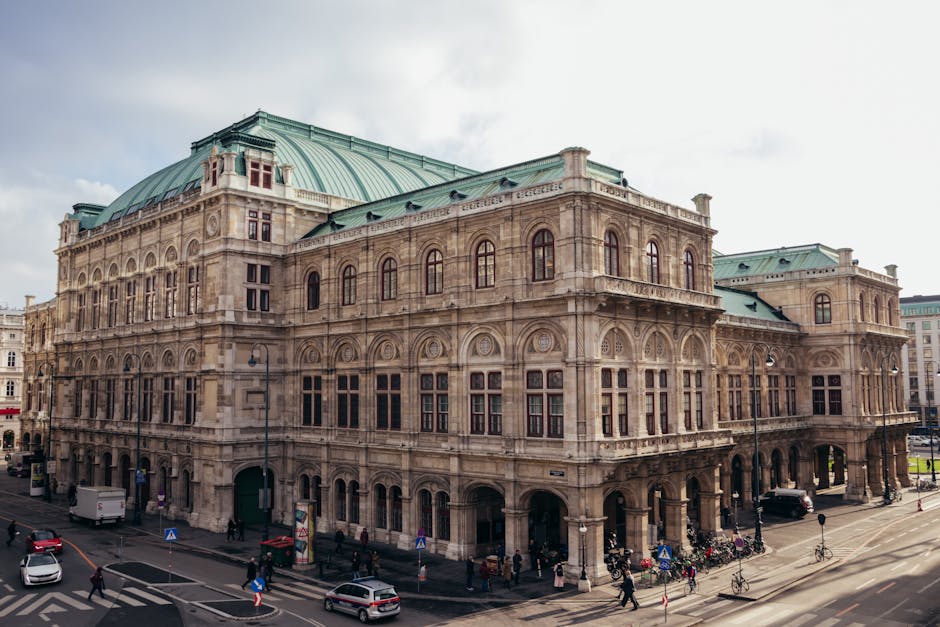
Discover the noir world of The Third Man and Cold War Vienna on this atmospheric self-guided audio walk through the historic Innere Stadt.
 Moderate
Gdansk, Poland
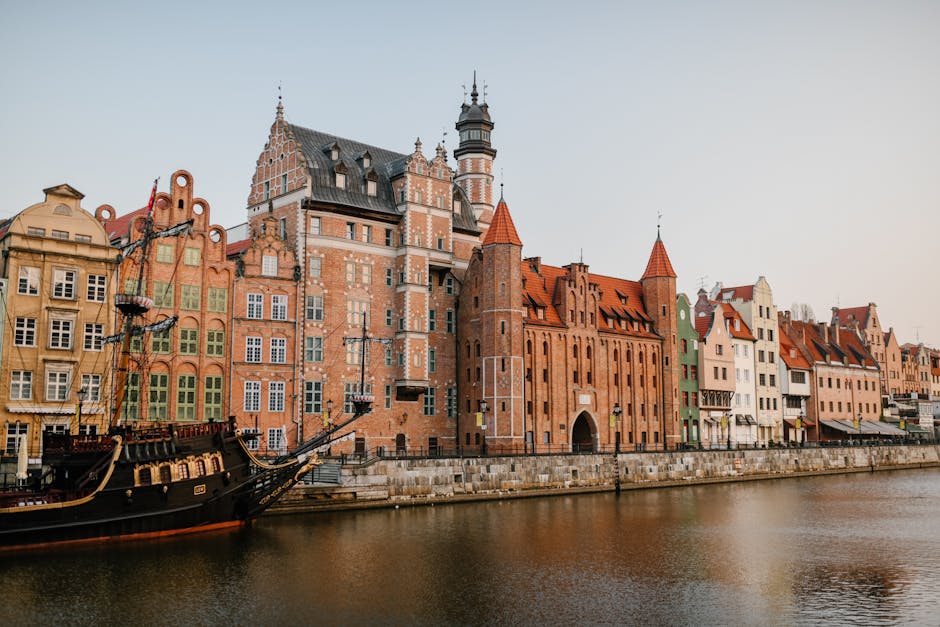
Discover the bohemian soul of Gdańsk. Explore the literary landmarks of Günter Grass, Prussian villas, and the trendy cafes of historic Wrzeszcz.
 Easy
EasyDubrovnik, Croatia
Explore Dubrovnik’s legendary maritime history on this self-guided walk through the Old Port, ancient shipyards, and the historic quarantine station.
 Easy
EasyDubrovnik, Croatia
Discover Dubrovnik's nocturnal charm on this self-guided walk through lantern-lit alleys, jazz spots, and hidden cliffside bars.
 Moderate
Dubrovnik, Croatia
Escape the crowds and discover Dubrovnik's wild side on this scenic self-guided coastal walk through Lapad's pine forests and hidden bays.
 Easy
EasyDubrovnik, Croatia
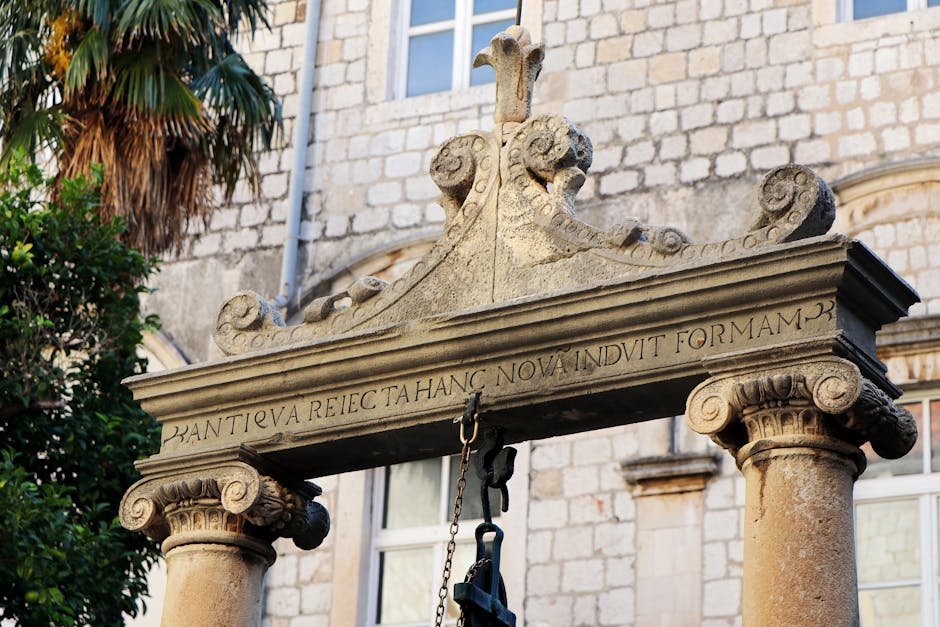
Discover Dubrovnik's intellectual soul on this self-guided walk through ancient libraries, historic pharmacies, and serene monastic cloisters.