Self-guided audio tour in Novi Sad
Start Free on iPhone
Start free on iPhone to unlock this self-guided walking tour in Novi Sad. Hear all the stories that make it amazing, walk at your own pace, and begin whenever you want.
Your Private Tour Guide
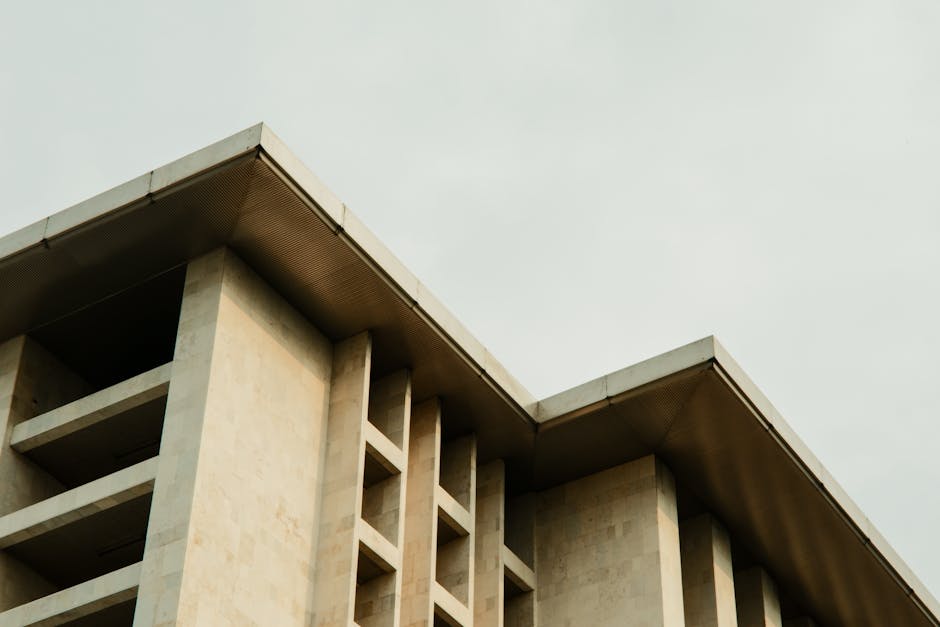
Novi Sad is often celebrated for its charming Austro-Hungarian core, but a few blocks away lies a different city entirely—one defined by the soaring ambitions of Socialist Modernism and the raw aesthetic of Brutalism. This self-guided walk through the Liman district and the southern edge of the city center reveals a fascinating architectural evolution. You will explore how Novi Sad transformed from a regional administrative hub into a bold urban experiment during the 20th century. This walking route Novi Sad offers is perfect for those who find beauty in the 'concrete' side of history. The journey begins with the Banovina Building, an architectural masterpiece often called the 'White Ship' of the Danube. Designed by Dragiša Brašovan, its streamlined facade and white marble cladding represent the peak of pre-WWII Modernism in Yugoslavia. From there, the path leads you through the monumental blocks of the Serbian National Theatre, a controversial white monolith that redefined the city's old square. As you move toward the Liman neighborhood, the scale shifts. You will encounter the SPENS Sports Center, a sprawling complex built for the 1981 Table Tennis World Championships, which remains a hub of local life. Deep in Liman, the landscape is dominated by high-rise residential towers and functionalist structures like the Liman Post Office. These buildings reflect the Yugoslav era's commitment to social housing and communal living. The walk concludes at the 'Tower' buildings, iconic residential blocks that offer a glimpse into the everyday lives of thousands of Novi Sad residents. Throughout this neighborhood stroll, you will see how glass, steel, and concrete were used to project a vision of a modern, egalitarian future. Whether you are an architecture enthusiast or a curious traveler, this self-guided adventure provides a unique perspective on the city's layered identity, far removed from the typical tourist trails.
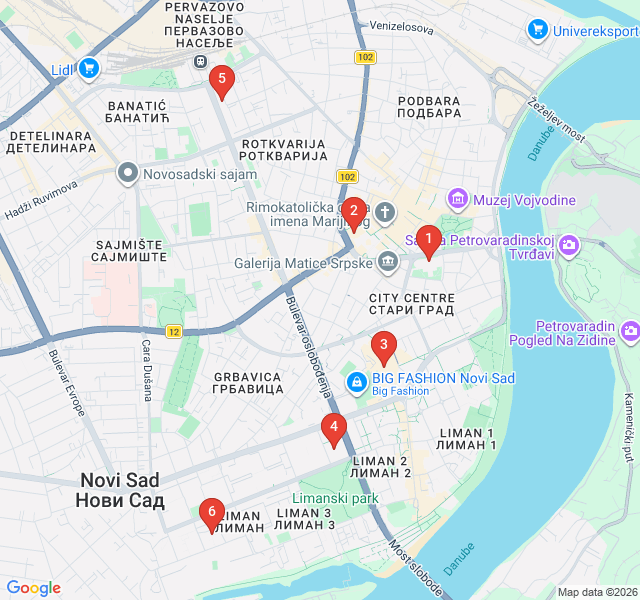
Numbers indicate the order of stops on the tour.
Welcome to the 'White Ship' of Novi Sad. Formally known as the Palace of the Danube Banovina, this building is a masterpiece of Yugoslav Modernism designed by Dragiša Brašovan and completed in 1939. Its curved, streamlined shape and cladding in white Brač marble were meant to symbolize the strength and sophistication of the Kingdom of Yugoslavia. Notice the long, horizontal windows and the lack of traditional ornamentation, which were revolutionary at the time. Today, it serves as the seat of the provincial government. It stands as a bridge between the classical past and the bold, experimental future that would define Novi Sad in the following decades.
Standing in stark contrast to the surrounding 19th-century architecture, the Serbian National Theatre is a massive white monolith completed in 1981. Designed by Polish architect Wiktor Jackiewicz, its construction was controversial as it required the demolition of older buildings in the city center. However, its expansive marble surfaces and sharp geometric lines have since become an integral part of the city's skyline. This building represents the high-budget cultural projects of the Socialist era, providing a massive stage for the arts. Take a moment to walk around its perimeter to appreciate the sheer scale of the white stone against the urban background.
SPENS is more than just a sports hall; it is a symbol of Novi Sad's urban pride. Built in 1981 for the 36th World Table Tennis Championships, this sprawling complex was funded through a 'self-contribution' scheme where citizens donated a portion of their wages. The architecture is a fascinating mix of industrial glass and concrete, designed to be a multi-functional space for sport, shopping, and culture. As you walk through its wide corridors and open plazas, you can feel the ambition of the 1980s. It remains one of the largest sports and business centers in the Balkans, acting as the heart of the Liman neighborhood.
The NIS (Naftna Industrija Srbije) headquarters is a striking example of Late Modernism. Often referred to as the 'Glass Palace,' its mirrored blue facade reflects the sky and the surrounding parkland. While construction began in the late 1980s, it wasn't fully completed until 1998. The building represents the corporate power and industrial heritage of Novi Sad, which is the center of the Serbian oil and gas industry. Its sleek, reflective surface provides a sharp visual contrast to the raw, exposed concrete of the residential blocks you will see further into the Liman district.
As you enter the heart of Liman, you encounter the Liman Post Office, a classic example of Brutalist utility. Built to serve the rapidly expanding residential population of this district, the building prioritizes function and raw materials. Look for the repetitive geometric patterns and the heavy use of exposed concrete. In the Yugoslav era, even functional buildings like post offices were designed with a distinct architectural identity, reflecting the state's investment in infrastructure. This structure marks the transition into the residential core of the neighborhood, where the socialist dream of communal living was most fully realized.
This self-guided walk concludes among the iconic 'Tower' buildings of Liman. These high-rise residential blocks are the definitive image of Novi Sad’s post-war expansion. Unlike the cramped tenements of older cities, these were designed with plenty of surrounding green space, playgrounds, and pedestrian paths, following the principles of Le Corbusier and the CIAM. Living here was once a sign of modern status, offering central heating and elevators to the working class. Even today, the 'Liman lifestyle'—characterized by a mix of urban density and park-like surroundings—is highly valued by the city's residents. Look up at the varying heights and concrete textures that define this vertical neighborhood.
Start Free on iPhone
Explore “Modernist Novi Sad: Concrete and Contrast” with your very own Private Tour Guide with Zigway. Start free on iPhone, skip the large group and the fixed routes, and hear the city come alive as you go.
Your Private Tour Guide
Don't miss the good stuff
Explore Freely
 Easy
EasyNovi Sad, Serbia
Explore the vibrant soul of Novi Sad's nightlife on this self-guided walk through iconic pubs, craft beer gems, and the famous Laze Telečkog street.
 Easy
EasyNovi Sad, Serbia
Explore the Austro-Hungarian grandeur of Novi Sad's historic center on this self-guided walking route through the elegant streets of Stari Grad.
 Moderate
Novi Sad, Serbia
Explore the 'Gibraltar on the Danube' from Novi Sad's elegant city center to the massive underground tunnels of Petrovaradin Fortress.
 Easy
EasyNovi Sad, Serbia
Taste your way through Novi Sad's vibrant markets and iconic street food on this self-guided culinary stroll through the heart of Vojvodina.
 Moderate
Gdansk, Poland
Discover Zaspa, a massive open-air gallery where grey housing blocks are transformed by over 60 monumental murals. Explore at your own pace.
 Easy
EasyHelsinki, Finland
Discover Helsinki's oldest neighborhood on this self-guided audio walk through Kruununhaka’s historic streets, hidden courtyards, and scenic shores.
 Moderate
Gothenburg, Sweden
Discover Gothenburg’s maritime soul on this self-guided walk from the historic Central Station to the scenic riverfront at Stenpiren.
 Moderate
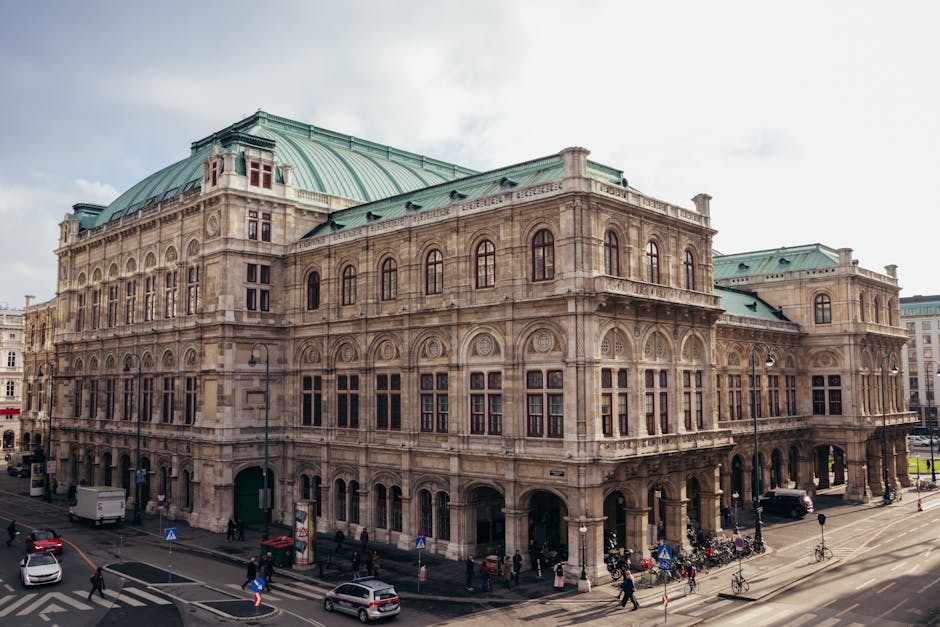
Vienna, Austria
Follow the footsteps of Mozart and Strauss through Vienna’s historic center on this self-guided walk through the city's rich musical history.
 Easy
EasyBelgrade, Serbia
Discover Lower Dorćol, where 18th-century history meets industrial revival and vibrant street art on this self-guided stroll through Belgrade.
 Easy
EasyBelgrade, Serbia
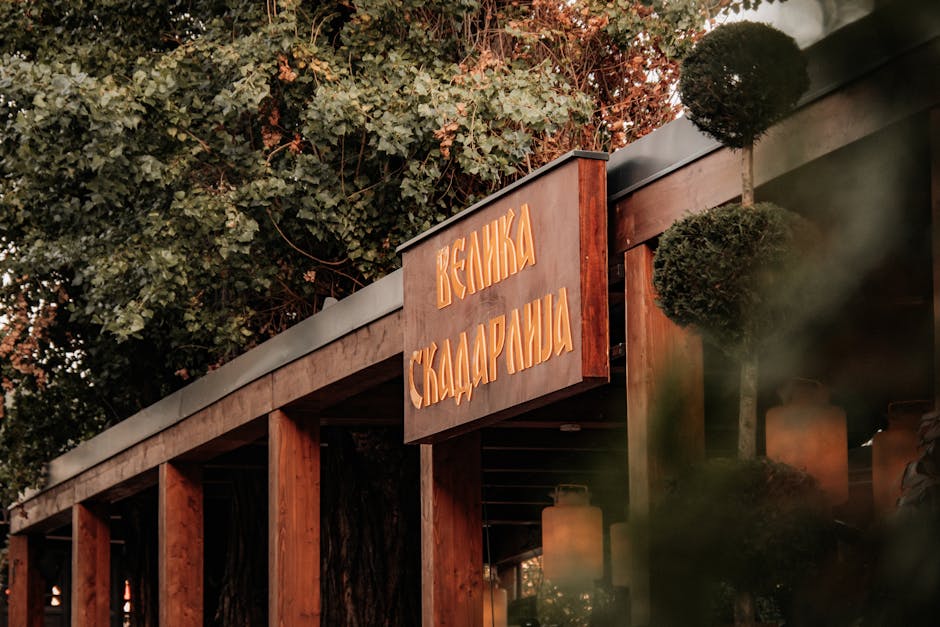
Discover Belgrade’s bohemian heart. Explore the historic Skadarlija quarter and Dorćol’s hidden Ottoman gems on this self-guided audio walk.
 Easy
EasyBelgrade, Serbia
Explore the future of Serbia's capital on this self-guided walk through the modern Belgrade Waterfront and the scenic Sava Promenada.
 Moderate
Belgrade, Serbia
Explore the legacy of Yugoslavia on this self-guided walk from Tito’s tomb to the historic ruins and monuments of central Belgrade.