Self-guided audio tour in Kotor
Start Free on iPhone
Start free on iPhone to unlock this self-guided walking tour in Kotor. Hear all the stories that make it amazing, walk at your own pace, and begin whenever you want.
Your Private Tour Guide
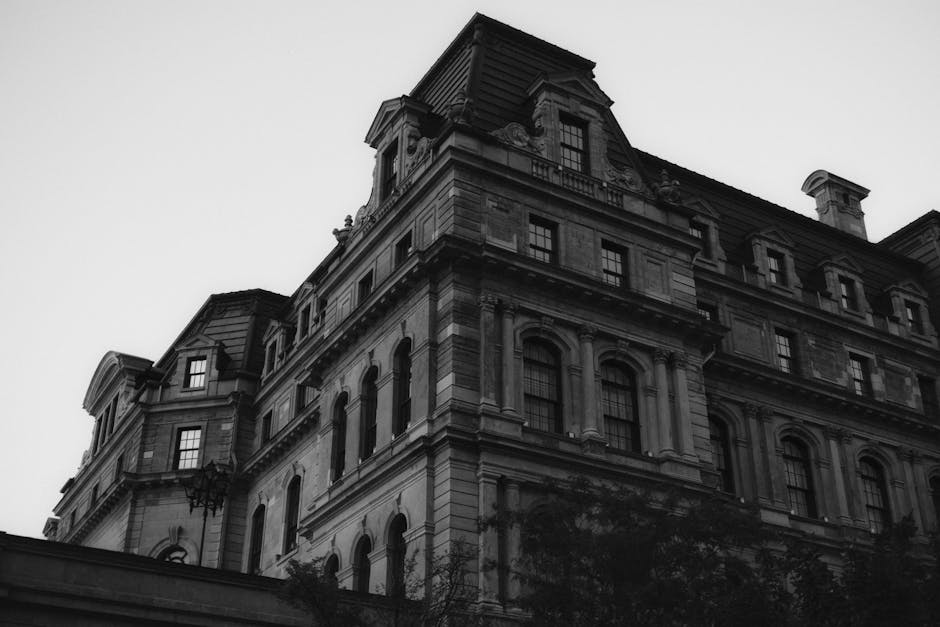
Step back into the golden age of the Venetian Republic with a self-guided walk through the stone-paved streets of Kotor. This neighborhood stroll focuses on the 'Noble Living' of the city's most influential families, whose palatial homes still stand as testament to centuries of maritime wealth and aristocratic prestige. As you explore the UNESCO-listed Old Town, you will discover that every corner holds a story of a dynasty that shaped the Adriatic. This walking route is designed for those who appreciate the fine details of architecture, from Gothic windows to Baroque balconies, without the constraints of a group schedule. Kotor’s history is etched into the facades of its palaces. Unlike many other Mediterranean cities, Kotor’s nobility were deeply tied to the sea, and their homes reflect a unique blend of defensive strength and artistic elegance. On this audio walk, you will encounter the striking green shutters of the Pima Palace and the intricate Gothic portals of the Beskuca family. You will also see how the city rebuilt itself after the devastating earthquake of 1667, blending older Renaissance foundations with then-modern Baroque flourishes. This exploration offers a deep dive into the lives of the counts, captains, and diplomats who once walked these very limestone paths. Key highlights include the Drago Palace, located right next to the iconic Cathedral of Saint Tryphon, and the Grgurina Palace, which now serves as a guardian of the city’s seafaring heritage. Whether you are a fan of historical anecdotes or simply want to find the most photogenic spots in the Old Town, this walking route provides the context you need to truly see Kotor. By choosing a self-guided adventure, you can pause for a coffee in a hidden square or spend extra time admiring a specific coat of arms. Discover the aristocratic heart of Montenegro at your own pace and see why this walking tour Kotor remains a favorite for history enthusiasts visiting the Balkans.
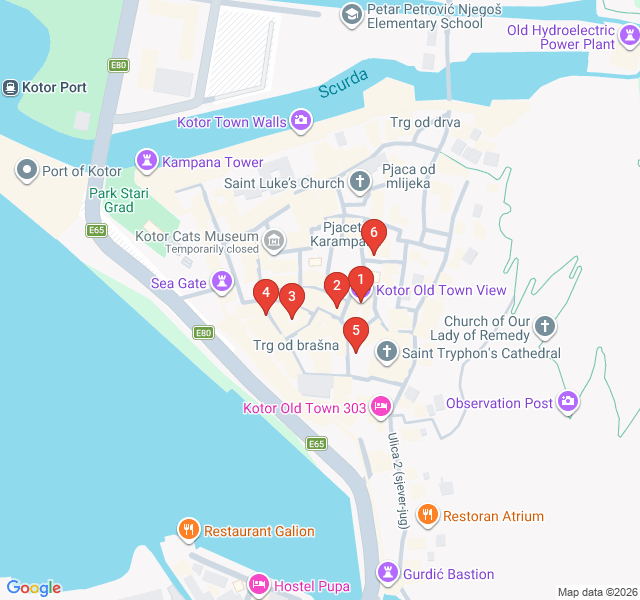
Numbers indicate the order of stops on the tour.
Start your self-guided walk at the Vrakjen Palace, a residence that perfectly encapsulates the transition of styles in Kotor. Originally built in the 14th century, the palace you see today mostly reflects 18th-century Baroque modifications. The Vrakjen family were prominent members of the local nobility, and their home is known for its preserved interior features, including original floor tiles and ceiling decorations. Look closely at the facade to see how the family integrated their coat of arms into the stonework. This palace serves as a quiet introduction to the aristocratic life that once thrived within these walls, away from the busier main squares.
Arriving at Flour Square, the Pima Palace is impossible to miss with its grand terrace and iconic green shutters. Rebuilt after the 1667 earthquake, it is a stunning mix of Renaissance and Baroque elements. The Pima family was one of Kotor's most influential, producing poets, professors, and diplomats. Note the long balcony supported by twelve stone brackets—this was a significant status symbol in the 17th century. The portal features the family coat of arms, held by two angels. It is often cited as one of the most beautiful palaces on the Adriatic, representing the peak of Kotor's architectural elegance during the Venetian era.
Just a short stroll away stands the Bizanti Palace, which flanks one side of the Square of Arms. This palace is unique because it consists of two wings connected by a courtyard with a stone staircase. The Bizanti family were among the oldest nobility in Kotor, with records dating back to the 11th century. The facade you see today is a 17th-century reconstruction, but it retains the Renaissance layout of its predecessors. Look for the family crest, which features a lion, symbolizing their strength and loyalty. The palace’s position near the main gate highlights the family's high social standing in the city's administrative hierarchy.
The Beskuca Palace is famous for a paradox. The name 'Beskuca' literally translates to 'homeless,' yet the family owned one of the most beautiful palaces in the city. Legend says the family arrived in Kotor with nothing and vowed to build 100 houses; they reached 99, but never the hundredth. The most striking feature here is the Gothic portal, which was actually taken from an older palace belonging to the Bizanti family. It is considered one of the finest examples of floral Gothic stonework in the entire region. Even though the palace was simplified after earthquake damage, this doorway remains a masterpiece of medieval craftsmanship.
Located next to the Cathedral of Saint Tryphon, the Drago Palace is a highlight for fans of the Gothic style. The Drago family were patrons of the arts and sciences, and their home reflects that sophistication. Look up at the bifora and trifora—the double and triple arched windows—which are decorated with intricate carvings. The palace is actually two buildings joined together, with the older section dating back to the 14th century. Notice the dragon motifs integrated into the carvings; 'Drago' means dragon in Latin, and the family used this mythical creature as their emblem. It is a rare survivor of the city's medieval architectural peak.
Concluding your neighborhood stroll is the Grgurina Palace, a late Baroque masterpiece that now houses the Maritime Museum of Montenegro. Built in the 18th century, it was the home of the Grgurina family, who were famous mariners. The palace is built of fine stone from the island of Korčula and features balconies with stone balustrades. Inside, the original room layout is still visible, showing how a high-ranking family would have organized their domestic life. The palace marks the end of the great era of palace building in Kotor, standing as a final, grand statement of the city's maritime and aristocratic glory before the fall of the Venetian Republic.
Start Free on iPhone
Explore “Noble Living: Aristocratic Kotor” with your very own Private Tour Guide with Zigway. Start free on iPhone, skip the large group and the fixed routes, and hear the city come alive as you go.
Your Private Tour Guide
Don't miss the good stuff
Explore Freely
 Easy
EasyKotor, Montenegro
Discover Kotor's medieval squares, Venetian palaces, and mountain fortresses on this self-guided audio walk through the historic Old Town.
 Easy
EasyKotor, Montenegro
Discover Kotor’s legendary seafaring past on this self-guided audio walk through the historic Old Town and the scenic harbor.
 Easy
EasyKotor, Montenegro
Discover Kotor’s hidden squares, Venetian bastions, and coastal paths on this flexible self-guided audio walk through the historic Old Town.
 Easy
EasyKotor, Montenegro
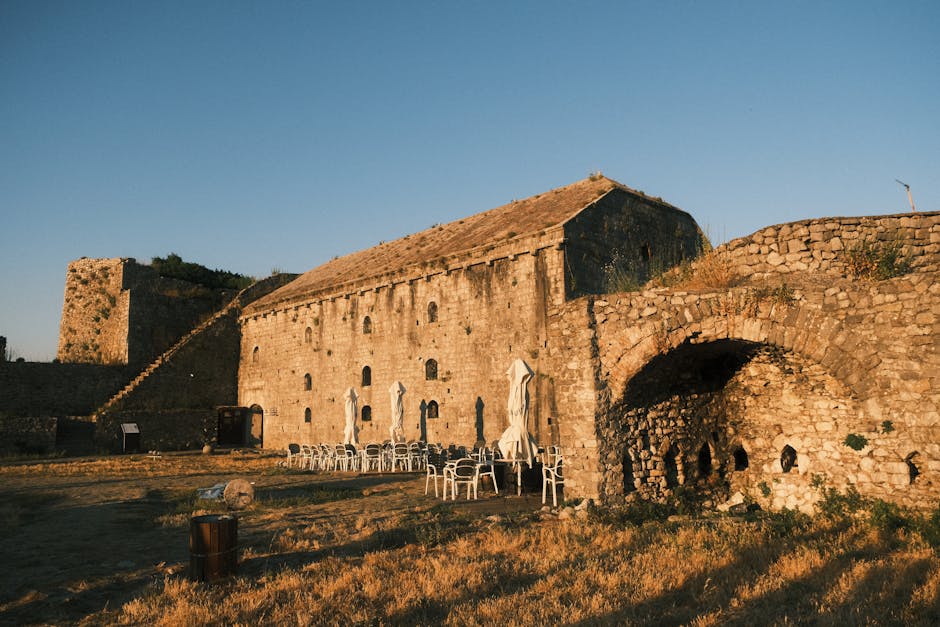
Explore Kotor's marble streets and meeting its famous feline residents on this charming self-guided stroll through Montenegro's cat-loving capital.
 Easy
EasyGothenburg, Sweden
Discover Gothenburg’s 17th-century Dutch foundations, historic canals, and military fortifications on this self-guided architectural walk.
 Easy
EasyNairobi, Kenya
Explore Nairobi's architectural evolution from colonial-era landmarks to iconic Brutalist skyscrapers on this historic self-guided walking route.
 Easy
EasyNairobi, Kenya
Discover Nairobi's iconic skyline on this self-guided architecture walk through the CBD’s most famous modernist and Brutalist landmarks.
 Easy
EasyKrakow, Poland
Explore the historic heart of Kazimierz on this self-guided walk through synagogues, ancient cemeteries, and vibrant squares.
 Moderate
Budva, Montenegro
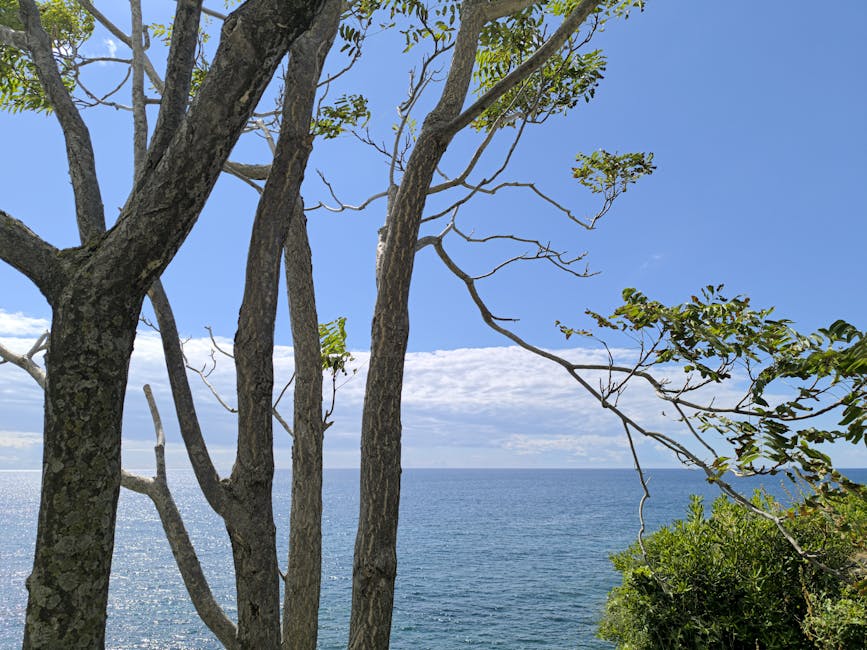
Discover Budva's hidden parks, panoramic hill views, and the stunning 'Hawaii of Montenegro' island on this refreshing self-guided audio walk.
 Moderate
Budva, Montenegro
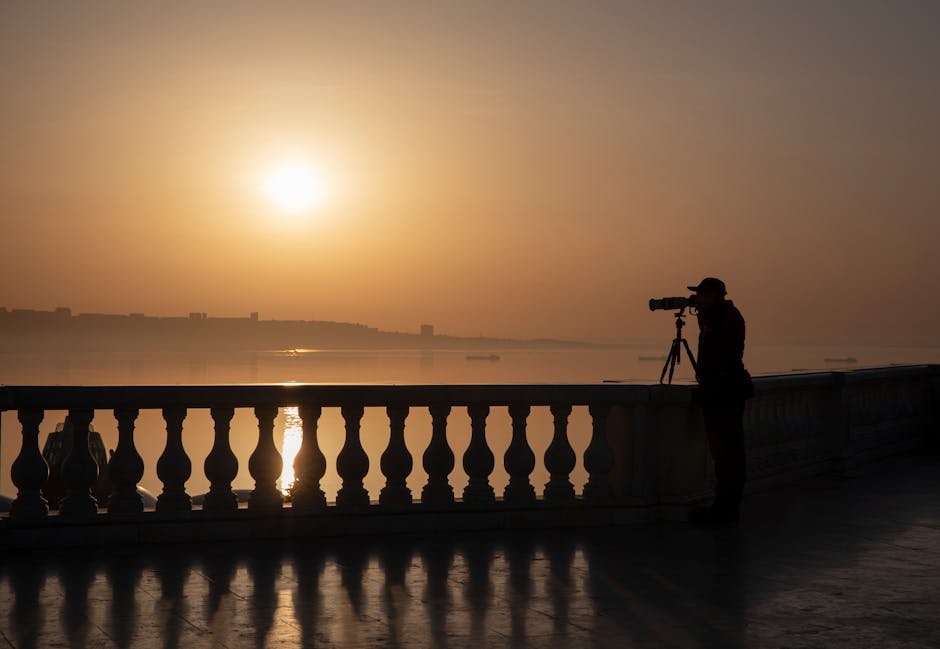
Capture Budva’s most breathtaking vistas on this self-guided audio walk through historic fortresses and scenic mountain paths at sunset.
 Easy
EasyBudva, Montenegro
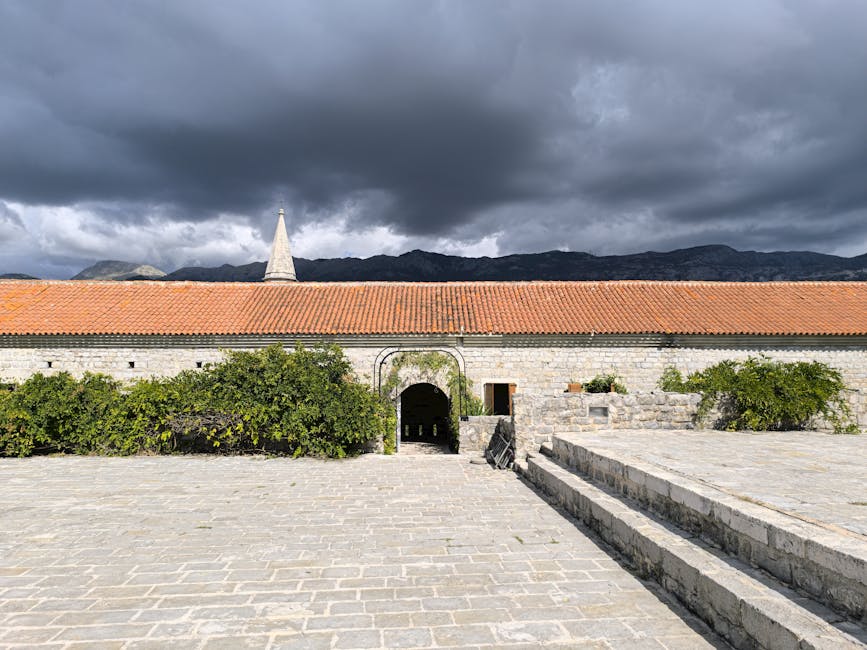
Uncover 2,500 years of history in Budva, from Roman mosaics and ancient city gates to a 2,000-year-old olive tree on this self-guided walk.
 Moderate
Budva, Montenegro
Explore Budva’s spiritual heart on this self-guided walk from the Old Town’s Roman ruins to the serene hillside monasteries and panoramic viewpoints.