Self-guided audio tour in Kotor
Start Free on iPhone
Start free on iPhone to unlock this self-guided walking tour in Kotor. Hear all the stories that make it amazing, walk at your own pace, and begin whenever you want.
Your Private Tour Guide
Rising sharply from the emerald waters of the Adriatic, the limestone cliffs of Kotor hold a secret etched in stone: the Great Wall of Montenegro. This self-guided walk invites you to conquer the 'Stairway to the Sky,' a vertical journey through centuries of Venetian, Byzantine, and Illyrian history. As you ascend the 1,350 stone steps toward the San Giovanni Fortress, you aren't just climbing a mountain; you are traversing a UNESCO World Heritage site that has shielded this fjord-like bay for over a millennium. This walking route offers a profound connection to the landscape, blending the rugged natural beauty of the Orjen and Lovćen massifs with the architectural ingenuity of the Republic of Venice. Your journey begins at the sea level, exploring the formidable bastions and gates that protected the Old Town from maritime invaders. You will discover the Kampana Tower and the iconic Sea Gate before beginning the steep ascent. Along the way, the path reveals hidden gems like the 15th-century Church of Our Lady of Remedy, a sanctuary built by survivors of the plague. The higher you climb, the more the 'Ladder of Kotor' unfolds—a series of zig-zagging switchbacks that once served as the only caravan trail connecting Kotor to the old Montenegrin capital of Cetinje. The reward for this challenging trek is the summit of San Giovanni (St. John). From this eagle’s nest, the red-tiled roofs of the Old Town look like a toy village, and the Bay of Kotor stretches out in a perfect 'S' shape toward the open sea. This walking tour Kotor provides the freedom to pause whenever your breath catches—either from the exertion or the increasingly spectacular vistas. For those with extra energy, the route extends toward the Vrmac ridge, offering a different perspective of the fortifications. Whether you are a history enthusiast or a nature lover, this self-guided adventure captures the soul of the Mediterranean’s only fjord. Prepare for a workout, bring plenty of water, and get ready to experience one of Europe’s most dramatic panoramic views.
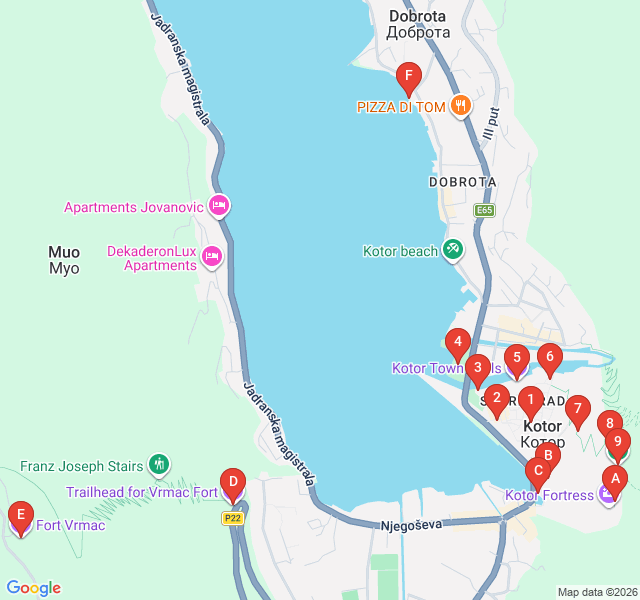
Numbers indicate the order of stops on the tour.
Welcome to the starting point of your vertical adventure. Located near the River Gate, this northern entrance is the gateway to the upper fortifications. Before you begin the ascent, take a moment to look up at the mountain. The walls you see winding like a stone ribbon were built and reinforced between the 9th and 19th centuries. Most of what stands today is the work of the Venetians, who controlled Kotor for nearly four centuries. This entrance leads you directly onto the stone path that served as a vital defense line against Ottoman incursions. Ensure your footwear is secure, as the stones here have been polished smooth by centuries of footsteps.
The Sea Gate is the main entrance to Kotor's Old Town, built in 1555 during the Venetian period. As you stand before it, look for the winged Lion of St. Mark, the symbol of Venice, which still watches over the entrance. Above the gate, you'll see the date '21-XI-1944,' commemorating the day the city was liberated from Nazi occupation during WWII. The gate's thick walls and vaulted ceiling were designed to withstand heavy bombardment. It serves as a threshold between the modern waterfront and the labyrinthine medieval streets. Notice the intricate stone carvings that reflect the city's maritime wealth and its strategic importance as a naval outpost.
Part of the city's massive medieval defense system, the Kampana Tower is one of the most photographed spots in Kotor. Built in the 13th and 14th centuries, it sits at the corner where the Scurda River meets the bay. Its cylindrical shape and thick limestone walls were essential for mounting cannons to defend the city's flank. If you walk along the top of the ramparts here, you get your first real sense of the scale of the fortifications. The tower offers a perfect view of the river's turquoise water and the sheer mountain face you are about to climb. It represents the strength of the Kotor city-state during its peak of independence.
Park Slobode, or Liberty Park, offers a brief moment of greenery and level ground before the climb intensifies. Situated along the waterfront, this is where locals gather to enjoy the sea breeze. Historically, this area was outside the main defensive walls and served as a transition zone between the harbor and the protected interior. From here, you can look back at the Kampana Tower and see how the walls seamlessly integrate with the natural rock formations of the mountain. It is a great spot to pause, check your water supply, and admire the sleek yachts and traditional wooden boats docked in the harbor.
As you begin your ascent, you reach this smaller lookout point. While it is only a fraction of the way up, the elevation gain already provides a stunning perspective of the city's layout. From here, you can clearly see the triangular shape of the Old Town, designed to fit perfectly into the narrow strip of land between the sea and the mountain. This spot was historically used as a secondary guard post to monitor movement in the town below. The architectural style here is simpler and more functional, emphasizing defense over aesthetics. Take a breath and look at the orange terracotta roofs; they form a beautiful mosaic against the blue bay.
Kotor is famous for its feline residents, and this area is a favorite haunt for the city's cats. Local legend says that cats saved Kotor from the plague and rats centuries ago, earning them a permanent place of honor. Today, they are considered a symbol of good luck and are cared for by the community. You might see bowls of food and small shelters tucked into the stone niches. The cats here are incredibly friendly and often accompany travelers for a few steps of their walk. It's a whimsical reminder of the living history of the city, where ancient stone meets a vibrant, furry local culture.
Perched at 100 meters above sea level, this small Roman Catholic church was built in 1518 by survivors of the plague. It is a poignant monument to faith and resilience. The church is only accessible by foot, making it one of the most uniquely situated religious sites in Montenegro. Its bell tower is a landmark that can be seen from almost anywhere in the Old Town. Many locals still make the trek up here to offer prayers. The terrace in front of the church provides one of the best 'mid-way' views of the journey, offering a chance to rest in the shade of the stone walls while listening to the distant sounds of the town.
This section of the path follows the 'Old Town Road,' which isn't a road for cars, but an ancient pedestrian thoroughfare. As the path narrows, you'll notice the incredible masonry required to build these switchbacks into the side of a near-vertical cliff. This path was once the primary route for trade between the maritime traders of the coast and the mountain tribes of the interior. The stones are worn and uneven, carrying the weight of centuries of commerce and conflict. Look for the small holes in the walls—these were used for muskets and lookouts to defend the path from invaders trying to bypass the main gates.
At this viewpoint, you can see the famous 'Ladder of Kotor' snaking up the mountain outside the city walls. This ancient caravan trail consists of over 70 hairpin turns and was the only way to transport goods to the hinterlands until the late 19th century. From this vantage point, you can appreciate the sheer engineering feat of the trail. You might even see a small stone house in the distance; this is the village of Špiljari, where a few families still live, disconnected from the modern world below. The contrast between the fortified walls on your left and the open mountain trail on your right is striking.
You have reached the summit! At 280 meters above the sea, the San Giovanni (St. John) Fortress is the crown jewel of Kotor's defenses. The ruins you see today date back to the Venetian era, though the site has been fortified since Illyrian times. Wander through the roofless rooms and imagine the soldiers who lived here, watching for sails on the horizon. The panoramic view from the highest rampart is unparalleled—you can see the entire length of the bay, the Vrmac peninsula, and the surrounding peaks of the Dinaric Alps. This is the ultimate reward for your 1,350-step climb. Take your time to soak in the silence and the scale of this historic achievement.
As you descend back into the Old Town, you'll pass near Restoran Atrium. While the walk is self-guided, this area marks a return to the culinary heart of Kotor. Located near the St. Tryphon Cathedral, the restaurant is housed in a historic building that reflects the city's transition from a military stronghold to a center of culture and gastronomy. The descent is often harder on the knees than the ascent, so this area serves as a psychological finish line. The surrounding squares are filled with the aroma of fresh seafood and Montenegrin wine, offering a tempting preview of your post-walk celebrations.
The Gurdić Bastion guards the southern entrance to the city. It is unique because it features a natural 'spring gate.' During heavy rains, the freshwater spring here creates a powerful outward current that prevented enemy ships from approaching the gate. In the summer, the water recedes, revealing a deep, still pool. The bastion itself is a massive semi-circular structure that showcases the evolution of military architecture from the medieval to the early modern period. It is a peaceful corner of the city, often quieter than the main Sea Gate, and provides a final look at the ingenuity of Kotor's ancient defenders.
For those seeking an extended adventure, this trailhead leads across the valley toward the Vrmac ridge. Vrmac is the peninsula that separates the inner Bay of Kotor from the outer Bay of Tivat. This trail follows an old Austro-Hungarian military road. Unlike the steep stone steps of San Giovanni, this path is a gradual, wide gravel road designed for transporting heavy artillery and supplies. It offers a different perspective, looking back at the San Giovanni walls you just conquered. The trailhead is a transition from the medieval Venetian world to the 19th-century Austro-Hungarian strategic landscape.
Fort Vrmac is a remarkably well-preserved Austro-Hungarian fortress built in the late 1800s. Unlike the exposed ruins of San Giovanni, Vrmac is a massive, bunker-like structure built to withstand modern shellfire. It is an eerie, atmospheric place where you can explore the dark corridors, barracks, and massive armored cupolas that once held long-range guns. The fort was a key part of the 'Festung Kotor' (Fortress Kotor) system, which made this bay one of the most heavily fortified naval bases in the world. The views from the roof look out over both the Kotor and Tivat bays simultaneously.
Finish your journey with a relaxing stroll along the Dobrota Riva. This coastal promenade stretches for several kilometers along the bay, lined with 'palazzos' built by wealthy sea captains in the 17th and 18th centuries. The water here is crystal clear and perfect for a quick dip to cool off after your hike. This is where the locals spend their evenings, and the atmosphere is a perfect contrast to the rugged, vertical challenge of the fortress walls. Look back at the mountain one last time; from here, the San Giovanni fortress looks like a tiny speck against the sky, a testament to the heights you’ve reached today.
Start Free on iPhone
Explore “The Stairway to the Sky: San Giovanni Fortress” with your very own Private Tour Guide with Zigway. Start free on iPhone, skip the large group and the fixed routes, and hear the city come alive as you go.
Your Private Tour Guide
Don't miss the good stuff
Explore Freely
 Easy
EasyKotor, Montenegro
Discover Kotor's medieval squares, Venetian palaces, and mountain fortresses on this self-guided audio walk through the historic Old Town.
 Easy
EasyKotor, Montenegro
Discover Kotor’s legendary seafaring past on this self-guided audio walk through the historic Old Town and the scenic harbor.
 Easy
EasyKotor, Montenegro
Discover Kotor’s hidden squares, Venetian bastions, and coastal paths on this flexible self-guided audio walk through the historic Old Town.
 Easy
EasyKotor, Montenegro
Explore Kotor's marble streets and meeting its famous feline residents on this charming self-guided stroll through Montenegro's cat-loving capital.
 Easy
EasyNairobi, Kenya
Discover Nairobi's iconic skyline on this self-guided architecture walk through the CBD’s most famous modernist and Brutalist landmarks.
 Easy
EasyNairobi, Kenya
Explore Nairobi's architectural evolution from colonial-era landmarks to iconic Brutalist skyscrapers on this historic self-guided walking route.
 Moderate
Nairobi, Kenya
Discover Nairobi's lush side on this self-guided walk through botanical gardens, historic memorials, and vibrant local markets.
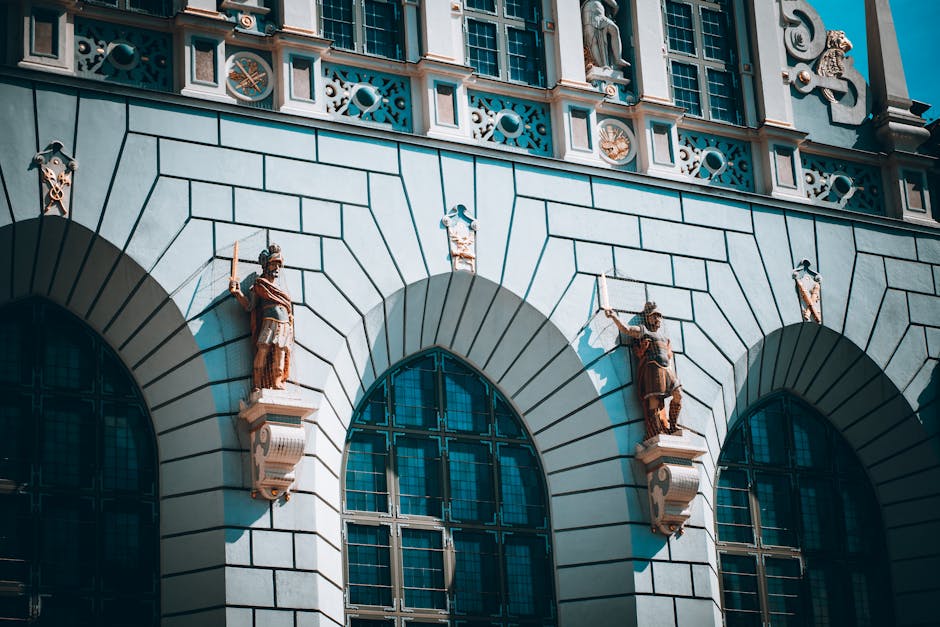 Moderate
Gdansk, Poland
Discover the origins of WWII in Gdansk on this self-guided walk through heroic last stands, massive museums, and strategic hilltop fortifications.
 Moderate
Budva, Montenegro
Discover Budva's hidden parks, panoramic hill views, and the stunning 'Hawaii of Montenegro' island on this refreshing self-guided audio walk.
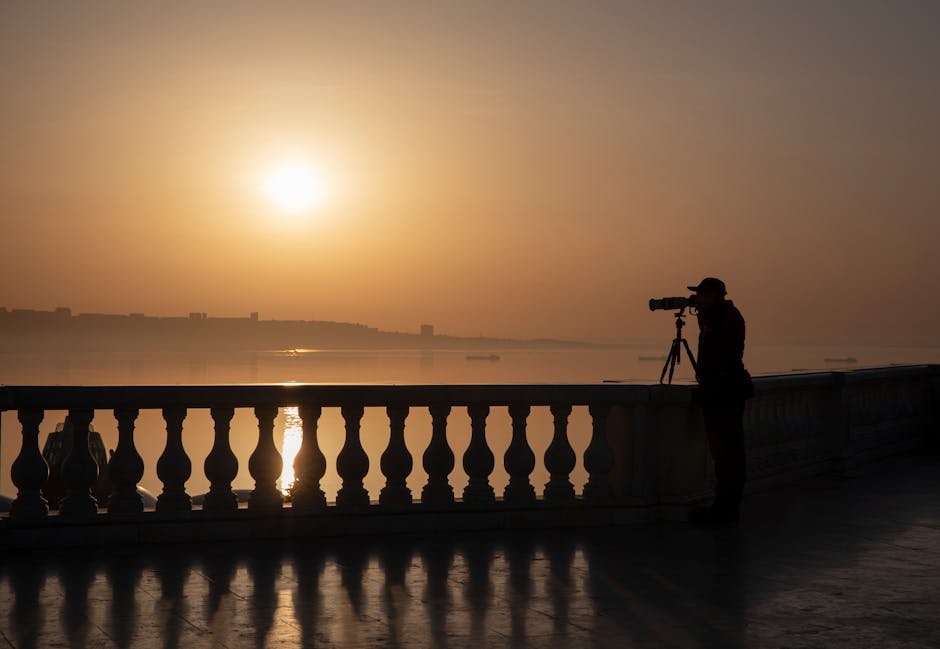 Moderate
Budva, Montenegro
Capture Budva’s most breathtaking vistas on this self-guided audio walk through historic fortresses and scenic mountain paths at sunset.
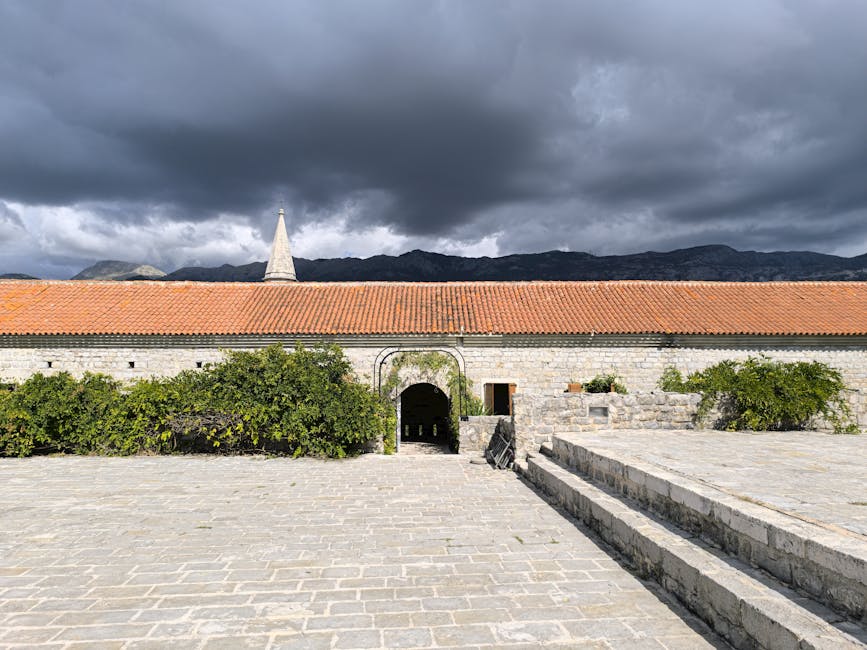 Easy
EasyBudva, Montenegro
Uncover 2,500 years of history in Budva, from Roman mosaics and ancient city gates to a 2,000-year-old olive tree on this self-guided walk.
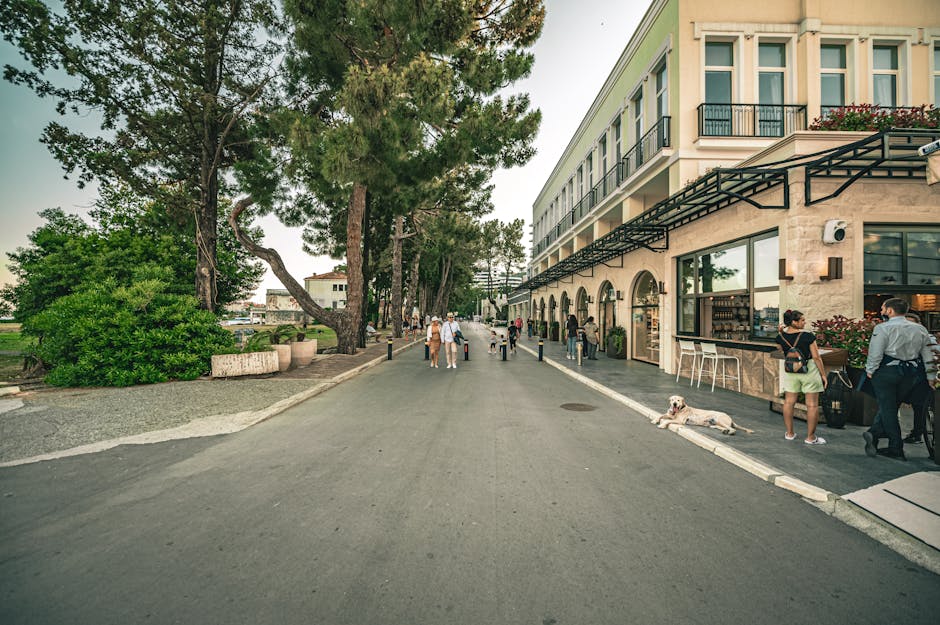 Moderate
Budva, Montenegro
Explore Budva’s spiritual heart on this self-guided walk from the Old Town’s Roman ruins to the serene hillside monasteries and panoramic viewpoints.