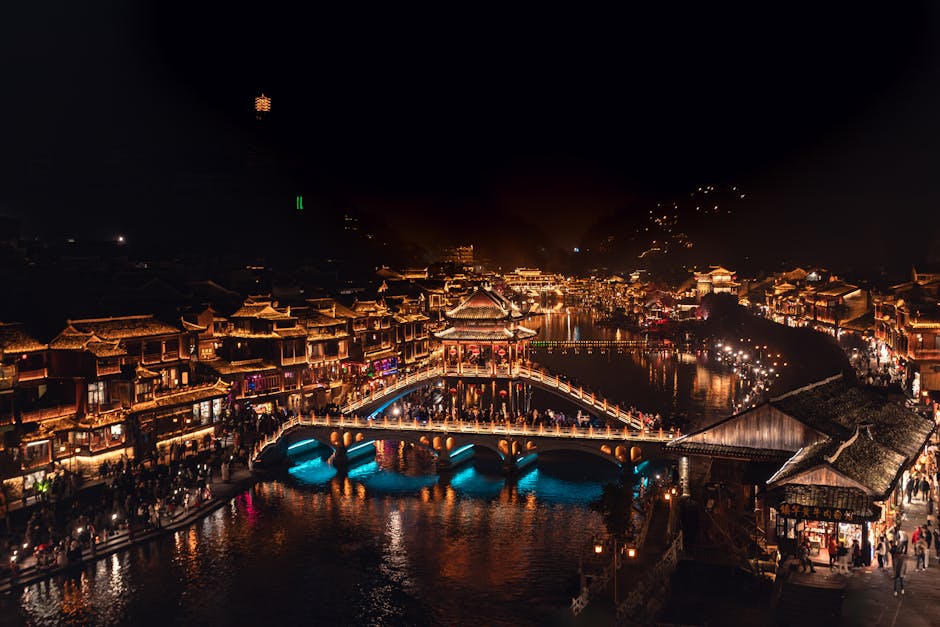
Self-guided audio tour in Malacca
Start Free on iPhone
Start free on iPhone to unlock this self-guided walking tour in Malacca. Hear all the stories that make it amazing, walk at your own pace, and begin whenever you want.
Your Private Tour Guide
Step away from the souvenir stalls and neon-lit rickshaws to discover the heartbeat of Melaka's UNESCO World Heritage core. This neighborhood stroll takes you deep into the narrow lanes of Chinatown, where the rhythmic clang of hammers and the sweet scent of sandalwood signal the presence of the city’s last remaining master craftsmen. On this self-guided walk, you will explore the 'vanishing trades'—professions passed down through generations that are now struggling to survive in a modern world. This route offers a rare glimpse into the living history of Malaysia, focusing on the artisans who have shaped the cultural fabric of the region for centuries. From the intense heat of a traditional forge to the delicate hand-stitching of tiny silk shoes, each stop reveals a different facet of the city's diverse heritage. You will wander past the vibrant shophouses of Jalan Hang Kasturi and the historic atmosphere of Jalan Tokong, often referred to as the 'Street of Harmony.' This walking tour Malacca provides a sensory journey through the sights, sounds, and smells of a bygone era. You are not just seeing landmarks; you are witnessing the dedication of individuals who maintain ancient techniques by hand. Highlights include a visit to a third-generation blacksmith, a workshop where rattan is woven into intricate furniture, and a shop dedicated to the nearly lost art of making shoes for bound feet. This self-guided adventure allows you to move at your own pace, giving you the flexibility to linger at a workshop or pause for a local coffee. By choosing this walking tour Malacca, you are engaging with the authentic, unpolished side of the city that many visitors overlook. It is a tribute to the resilience of tradition in the face of change, making it a must-do experience for those interested in the deep-rooted culture and art of Southeast Asia. **Note:** This area is known for its ever-changing character. Street art, pop-up venues, and temporary exhibitions may differ from what's described. That's part of the adventure - you might discover something entirely new!
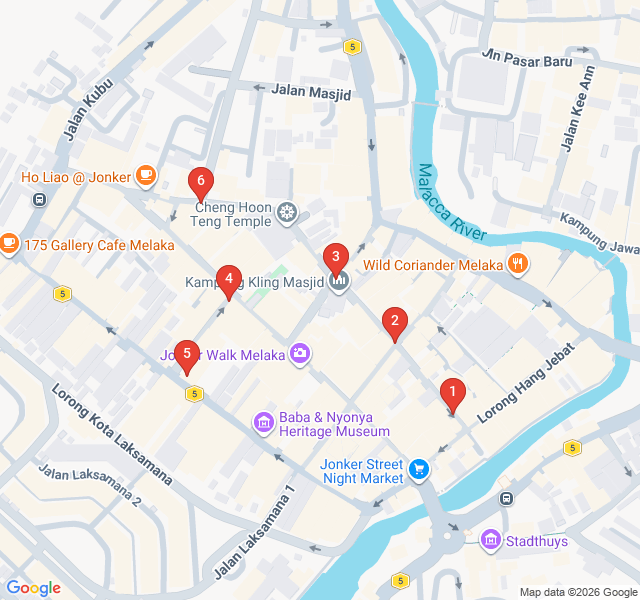
Numbers indicate the order of stops on the tour.
Begin your self-guided adventure at one of the last remaining traditional forges in Melaka. As you approach, listen for the rhythmic 'ping-ping' of hammers hitting steel. This workshop, often run by the Chin family, has been producing hand-forged tools for decades. Observe the intense heat of the charcoal fire and the skill required to shape red-hot metal into 'parangs' (machetes) and agricultural tools. Unlike mass-produced items, these tools are tempered by hand, a process that ensures durability. The soot-stained walls and ancient anvils tell a story of hard labor and ancestral pride. Please remain a respectful distance from the sparks while observing the master at work.
A short walk away, the scent of raw fiber leads you to a world of woven textures. Rattan weaving is a labor-intensive craft that requires immense finger strength and patience. Here, you might see craftsmen stripping long canes or weaving intricate patterns for chairs, baskets, and mats. Rattan is a sustainable material native to Southeast Asian rainforests, and in the hands of these masters, it becomes functional art. Note the lack of nails or screws in the traditional designs; the structural integrity relies entirely on the tightness of the weave and the natural flexibility of the vine. It is a craft that is slowly being replaced by plastic, making this workshop a precious cultural site.
Step inside this apothecary to experience a different kind of tradition. The walls are lined with floor-to-ceiling wooden drawers, each containing a specific root, bark, or dried herb used in Traditional Chinese Medicine (TCM). The air is thick with the earthy, medicinal scent of licorice and ginseng. Watch as the pharmacist uses a traditional hand-held scale to balance precise measurements of ingredients based on centuries-old prescriptions. This is not just a shop; it is a community hub where locals seek holistic remedies for everything from the common cold to chronic fatigue. The preservation of this knowledge is a vital link to Melaka's Peranakan and Chinese heritage.
As you turn onto Jalan Hang Lekir, you enter Melaka’s famous 'Antique Row.' This street is a treasure trove for history buffs. The shophouses here often contain an eclectic mix of colonial-era furniture, porcelain from the Ming and Qing dynasties, and vintage advertisements from British Malaya. While the shops are commercial, they function as mini-museums of Melaka's multicultural past. Look for the distinctive 'Dutch' bricks in some of the older structures and the ornate carvings on the wooden shutters. This area captures the era when Melaka was one of the world's most important trading ports, attracting merchants from across the globe.
This stop tells a poignant story of social history. Wah Aik is famous for making 'lotus shoes'—the tiny, three-inch silk slippers worn by women with bound feet, a practice that ended in the early 20th century. Today, the shop continues to produce these miniature shoes as historical replicas and collectors' items, alongside beautiful hand-beaded Nyonya slippers ('kasut manek'). The beadwork is incredibly fine, often requiring thousands of tiny glass beads to create intricate floral or bird motifs. This craft is a signature of Peranakan culture, representing the refinement and artistry of the Straits Chinese community. It is a rare opportunity to see the tools used to maintain this delicate heritage.
End your walk on Jalan Tokong, where the sweet, heavy aroma of incense fills the air. Mr. Lee, one of the few remaining joss stick makers, creates oversized ceremonial incense by hand. Unlike factory-made sticks, these are crafted using a mixture of sawdust and aromatic herbs, meticulously layered onto a bamboo core. You might see the large sticks drying in the sun, some decorated with colorful dragons. These joss sticks are essential for prayers at the nearby Cheng Hoon Teng Temple. The process is slow and meditative, a stark contrast to the buzzing city outside. It is a fitting conclusion to a route dedicated to the enduring spirit of Melaka’s artisans.
Start Free on iPhone
Explore “Living Traditions: The Vanishing Trades of Old Melaka” with your very own Private Tour Guide with Zigway. Start free on iPhone, skip the large group and the fixed routes, and hear the city come alive as you go.
Your Private Tour Guide
Don't miss the good stuff
Explore Freely
 Moderate
Malacca, Malaysia
Discover the European heart of Melaka on this self-guided walk through Portuguese ruins, Dutch landmarks, and historic squares at your own pace.
 Easy
EasyMalacca, Malaysia
Discover the legends of the spice trade and sunken treasures on this self-guided maritime walk through Malacca’s historic Quayside.
 Easy
EasyMalacca, Malaysia
Explore Malaysia's oldest houses of worship on a single street. A self-guided stroll through Malacca's multicultural history and religious harmony.
 Easy
EasyMalacca, Malaysia
Explore Malacca’s 'Millionaires' Row' on this self-guided audio walk through the opulent world of the Peranakan merchant elite.
 Easy
EasyNairobi, Kenya
Discover Nairobi’s literary soul on this self-guided walk through historic libraries, iconic bookshops, and cultural centers in the heart of the CBD.
 Easy
EasyKrakow, Poland
Explore the prestigious Jagiellonian University district, featuring Neo-Gothic architecture, Baroque churches, and Krakow's hidden scholarly gems.
 Easy
EasyWarsaw, Poland
Discover the hidden courtyards and grand pre-war architecture of Warsaw's most atmospheric neighborhood on this self-guided stroll.
 Easy
EasySalzburg, Austria
Discover Salzburg's oldest medieval alley, the birthplace of the 'Silent Night' author, and breathtaking views on this quiet self-guided walk.
 Easy
EasyKuala Lumpur, Malaysia
Discover the futuristic architecture and lush parklands of KLCC on this photography-focused self-guided walk through Kuala Lumpur's iconic center.
 Moderate
Kuala Lumpur, Malaysia
Discover Kuala Lumpur's rainforest heart on this self-guided walk through the Bukit Nanas canopy, historic markets, and iconic green spaces.
 Easy
EasyKuala Lumpur, Malaysia
Explore the vibrant colors, scents, and diverse spiritual landmarks of Kuala Lumpur's Little India on this sensory self-guided audio walk.
 Moderate
Kuala Lumpur, Malaysia
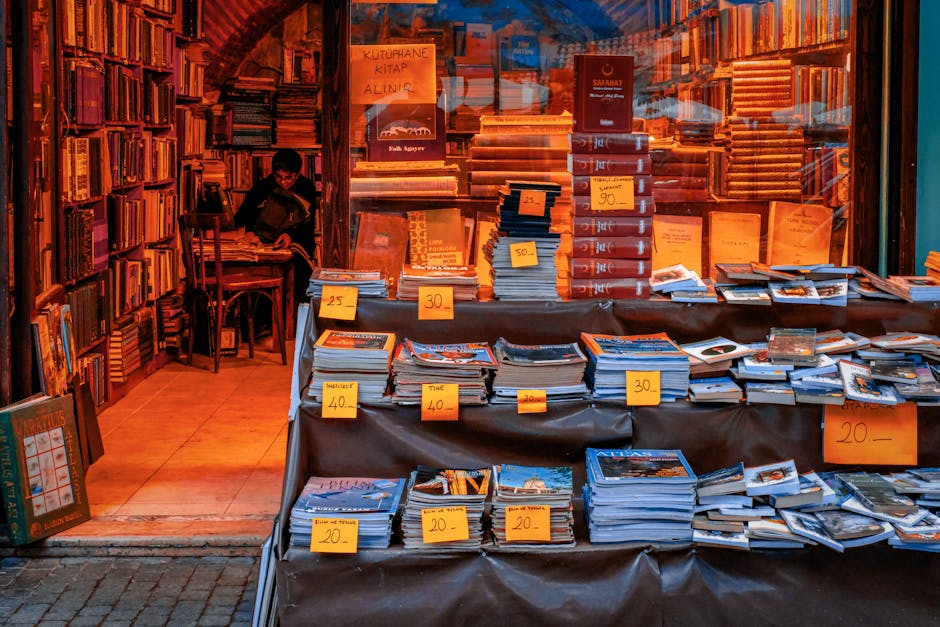
Explore Kuala Lumpur’s most iconic bookstores and creative hubs on this half-day self-guided literary adventure.