Self-guided audio tour in Malacca
Start Free on iPhone
Start free on iPhone to unlock this self-guided walking tour in Malacca. Hear all the stories that make it amazing, walk at your own pace, and begin whenever you want.
Your Private Tour Guide
Malacca is a living museum, a coastal city where the currents of global history have deposited layers of Portuguese, Dutch, and British influence. This self-guided walk invites you to step back in time and explore the heart of a UNESCO World Heritage site, where the architecture tells the story of centuries of trade and conquest. As you navigate this walking route, you will encounter some of the oldest European relics in Southeast Asia, from the crumbling stone of a 16th-century Portuguese fortress to the vibrant salmon-red administrative buildings left behind by the Dutch. This neighborhood stroll focuses on the historic core, where the Melaka River meets the sea, once the most sought-after port in the world. Your journey begins at the iconic A Famosa, the last remaining gateway of a once-mighty fortress. From there, you will climb the gentle slope of St. Paul’s Hill to see the ruins of the oldest church building in the region, offering a panoramic view of the Malacca Straits. The route then descends into the famous Dutch Square, a cluster of crimson-colored structures that serve as the city’s most recognizable landmarks. You will see the Stadthuys, considered the oldest Dutch building in the East, and the neighboring Christ Church, which remains an active place of worship today. What makes this self-guided adventure special is the ability to linger where the history speaks to you most. You can pause to admire the intricate Dutch masonry, read the weathered tombstones of explorers, or simply enjoy the breeze by the river at Bastion Middleburg. This walking tour Malacca allows you to bypass the constraints of a rigid schedule and immerse yourself in the stories of the spice trade, maritime battles, and the birth of modern Malaysia. Whether you are a photography enthusiast looking for the perfect shot of the red facades or a history buff eager to trace the colonial footsteps of the past, this walking route offers a comprehensive and flexible way to experience the European legacy of Melaka.
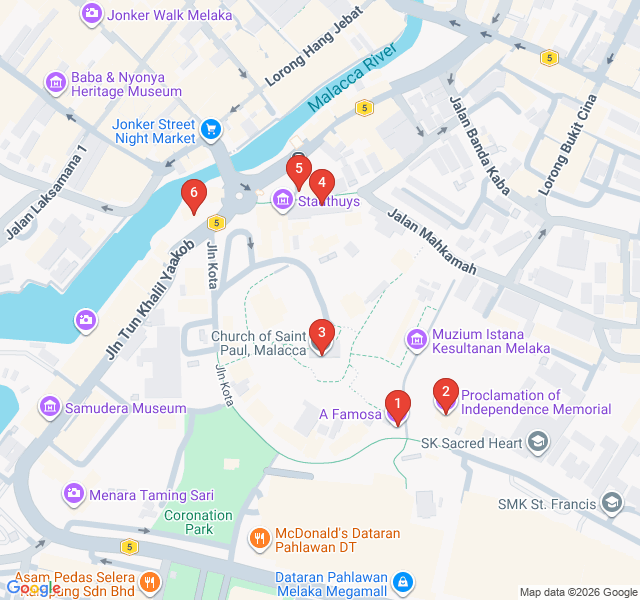
Numbers indicate the order of stops on the tour.
Begin your self-guided adventure at the Porta de Santiago, the only surviving gate of the great Portuguese fortress known as A Famosa. Built in 1511 by Alfonso de Albuquerque, this was once part of a massive citadel that protected the Portuguese administration. When the Dutch took over in 1641, they renovated the gate, which is why you can see the Dutch East India Company (VOC) coat of arms carved above the arch. It nearly disappeared entirely in the early 1800s when the British ordered its destruction, but was saved at the last minute by Sir Stamford Raffles. Today, these stones represent the oldest European architectural remains in Southeast Asia.
Just a short walk from the fort, you will find an elegant building that blends British and Moorish architectural styles. This was originally the Malacca Club, a social hub for the British colonial elite built in 1912. However, its significance shifted dramatically on February 20, 1956, when Tunku Abdul Rahman, Malaysia's first Prime Minister, announced the date for the country's independence right here after returning from London. Today, it serves as a memorial housing documents, photographs, and artifacts related to the struggle for sovereignty. It stands as a symbolic bridge between Malacca's colonial past and its identity as part of a modern, independent nation.
Follow the path uphill to reach the summit of St. Paul's Hill. Here stand the haunting ruins of St. Paul's Church, originally built by a Portuguese captain in 1521 and dedicated to the Virgin Mary. When the Dutch arrived, they used it as their primary church for over a century until Christ Church was completed. Inside the roofless shell, you will find a collection of massive, intricately carved Dutch tombstones leaning against the walls—the final resting places of high-ranking colonial officials. Outside, a statue of St. Francis Xavier overlooks the city, commemorating the missionary who was once briefly buried here before his remains were moved to Goa.
Descending the hill, you enter the vibrant Dutch Square, dominated by the massive Stadthuys. Built between 1641 and 1660, this 'Town House' served as the residence of the Dutch Governors and their administrative staff. It is widely considered the oldest Dutch building remaining in the East. Its thick masonry walls, heavy wooden doors, and louvened windows are classic examples of 17th-century Dutch colonial architecture. Originally painted white, it was later given its signature salmon-red color by the British to match the nearby Christ Church. Today, the building houses the Museum of History and Ethnography, preserving the administrative legacy of the city.
Facing the square is Christ Church, perhaps the most photographed building in Malacca. Completed in 1753 to celebrate a century of Dutch rule, it replaced the aging St. Paul’s Church on the hill. Look closely at the ceiling; the massive beams were each carved from a single tree and contain no joints. The church transitioned from Dutch Reformed to Anglican when the British took control of Malacca in the 19th century. Inside, you can find handmade pews that are over 200 years old and a beautiful brass Bible pedestal. It remains an active church, standing as a testament to the enduring religious influence of European settlers in the region.
End your neighborhood stroll by the banks of the Melaka River at Bastion Middleburg. This is a reconstructed portion of the Dutch fortifications that once ringed the city. During the Dutch era, this bastion was one of nine strategic points designed to defend the city from both land and sea attacks. Archaeologists excavated the original foundations in the mid-2000s, leading to this faithful reconstruction using laterite stone. Standing here, you can imagine the busy harbor of the 17th century, filled with spice-laden ships. It is the perfect spot to watch the modern river cruises pass by while reflecting on the centuries of maritime history that shaped this port.
Start Free on iPhone
Explore “Colonial Footsteps: The European Legacy of Melaka” with your very own Private Tour Guide with Zigway. Start free on iPhone, skip the large group and the fixed routes, and hear the city come alive as you go.
Your Private Tour Guide
Don't miss the good stuff
Explore Freely
 Easy
EasyMalacca, Malaysia
Explore the soul of Old Melaka on this self-guided walk through workshops of master craftsmen and centuries-old vanishing traditions.
 Easy
EasyMalacca, Malaysia
Discover the legends of the spice trade and sunken treasures on this self-guided maritime walk through Malacca’s historic Quayside.
 Easy
EasyMalacca, Malaysia
Explore Malaysia's oldest houses of worship on a single street. A self-guided stroll through Malacca's multicultural history and religious harmony.
 Easy
EasyMalacca, Malaysia
Explore Malacca’s 'Millionaires' Row' on this self-guided audio walk through the opulent world of the Peranakan merchant elite.
 Easy
EasyGothenburg, Sweden
Discover Gothenburg’s 17th-century Dutch foundations, historic canals, and military fortifications on this self-guided architectural walk.
 Easy
EasyNairobi, Kenya
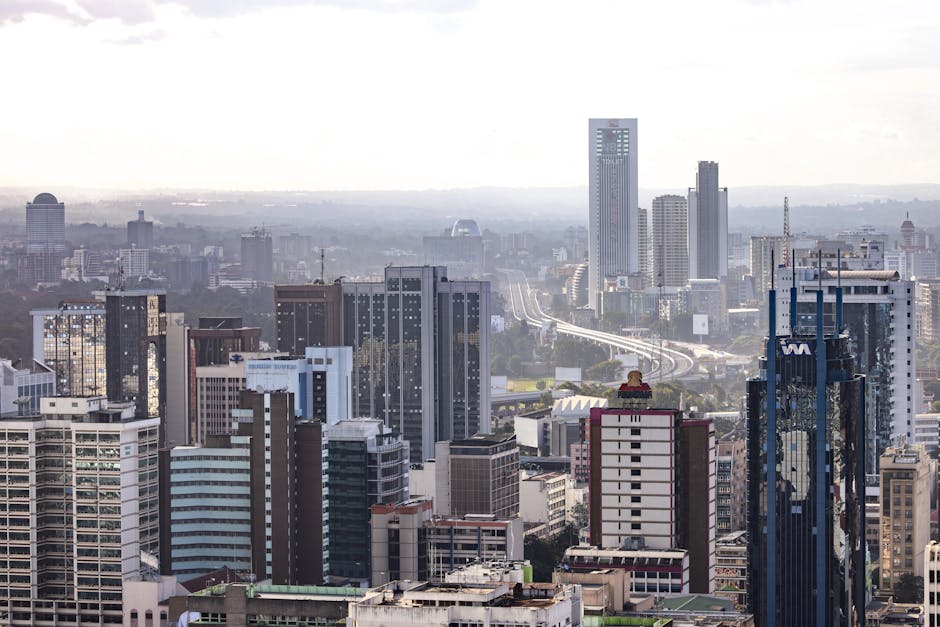
Explore Nairobi's architectural evolution from colonial-era landmarks to iconic Brutalist skyscrapers on this historic self-guided walking route.
 Easy
EasyNairobi, Kenya
Discover Nairobi's iconic skyline on this self-guided architecture walk through the CBD’s most famous modernist and Brutalist landmarks.
 Moderate
Gothenburg, Sweden
Discover Gothenburg’s maritime soul on this self-guided walk from the historic Central Station to the scenic riverfront at Stenpiren.
 Easy
EasyKuala Lumpur, Malaysia
Discover the futuristic architecture and lush parklands of KLCC on this photography-focused self-guided walk through Kuala Lumpur's iconic center.
 Moderate
Kuala Lumpur, Malaysia
Discover Kuala Lumpur's rainforest heart on this self-guided walk through the Bukit Nanas canopy, historic markets, and iconic green spaces.
 Easy
EasyKuala Lumpur, Malaysia
Explore the vibrant colors, scents, and diverse spiritual landmarks of Kuala Lumpur's Little India on this sensory self-guided audio walk.
 Moderate
Kuala Lumpur, Malaysia
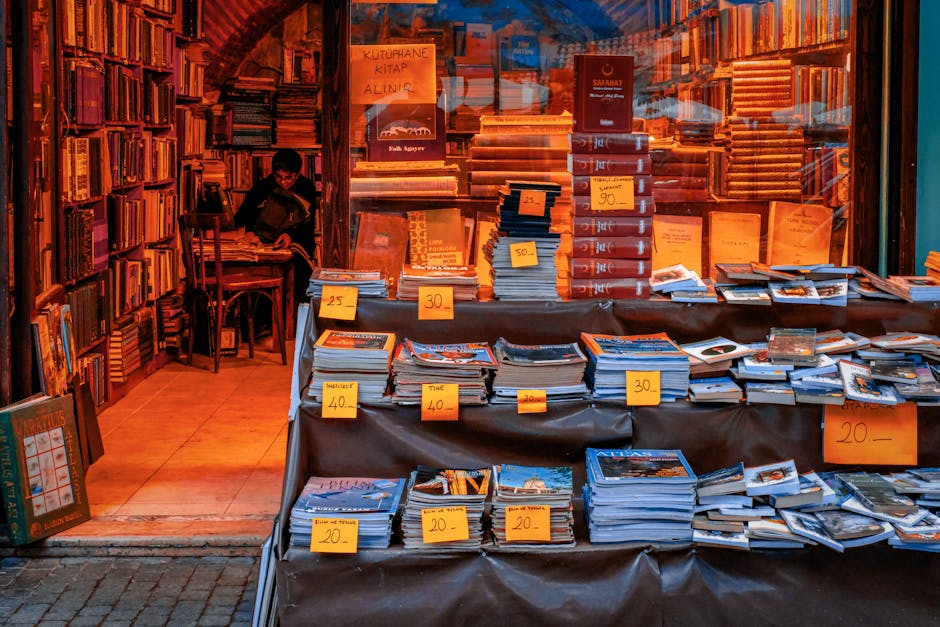
Explore Kuala Lumpur’s most iconic bookstores and creative hubs on this half-day self-guided literary adventure.