Self-guided audio tour in Kuala Lumpur
Start Free on iPhone
Start free on iPhone to unlock this self-guided walking tour in Kuala Lumpur. Hear all the stories that make it amazing, walk at your own pace, and begin whenever you want.
Your Private Tour Guide
Kuala Lumpur is a city of startling contrasts, where glass-and-steel skyscrapers rise directly out of the lush greenery of a tropical rainforest. This self-guided walk, focused on the Bukit Nanas area and its surrounding natural pockets, offers a unique way to experience the 'Green Heart' of Malaysia's capital. While most visitors see the city from the back of a car, this walking route invites you to discover the hidden connections between KL’s historic markets, colonial-era architecture, and its primary rainforest reserves at your own pace. The journey begins at the vibrant Central Market and the bustling alleys of Chinatown, providing a cultural foundation before transitioning into the architectural grandeur of Merdeka Square. From there, the trail leads you toward the base of Bukit Nanas, home to the KL Forest Eco Park. This is the centerpiece of your exploration: a genuine rainforest located right in the city center. As you traverse the canopy walk, you will be suspended 200 meters above the forest floor, offering a bird's-eye view of the ancient trees juxtaposed against the soaring Menara KL (KL Tower). Beyond the rainforest canopy, the route extends to the manicured beauty of the Perdana Botanical Gardens and the iconic greenery surrounding the Petronas Twin Towers. Photography enthusiasts will find endless inspiration in the mix of Neo-Gothic school buildings, modernist mosques, and the vibrant red lanterns of the Thean Hou Temple. This audio walk is designed for those who want to see the city's lungs and understand how nature continues to thrive in one of Southeast Asia's most dynamic urban environments. Whether you are looking for a peaceful morning stroll or a photography-heavy adventure, this route captures the essence of Kuala Lumpur’s natural and architectural heritage without the constraints of a traditional walking tour Kuala Lumpur.
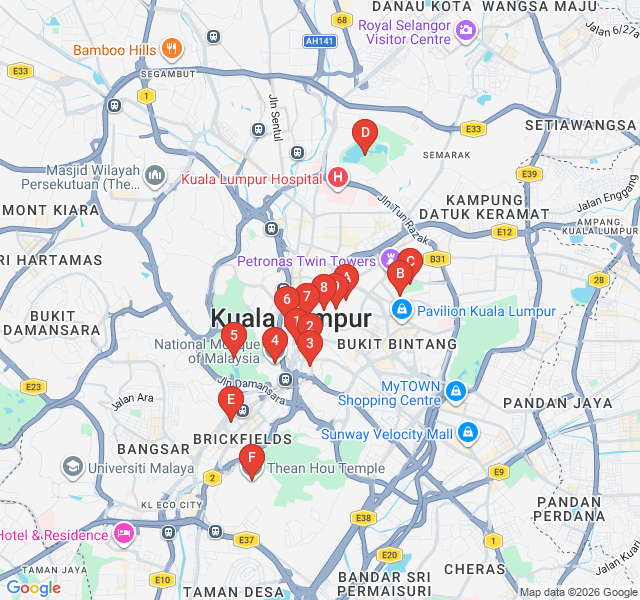
Numbers indicate the order of stops on the tour.
Start your journey at Central Market, an Art Deco landmark that dates back to 1888. Originally a wet market, the current building was completed in 1937 and stands as a testament to Kuala Lumpur’s early commercial history. As you explore the exterior, notice the pastel blue facade and the traditional motifs. This site serves as a cultural hub where Malaysia's Malay, Chinese, and Indian heritages intersect. It’s the perfect place to observe the city's evolution from a tin-mining outpost to a sophisticated capital before we head deeper into the heritage core.
Just a short walk away is Petaling Street, the heart of Kuala Lumpur’s original Chinatown. Marked by a grand green-roofed archway, this area is a sensory explosion of sights, sounds, and scents. While it is famous today for its bustling street market, its history is rooted in the resilient community that built KL. Look up past the stalls to see the older shophouse architecture that still peeks through. The energy here represents the 'hustle' of the city, providing a sharp contrast to the quiet forest trails we will visit later.
Tucked away behind Petaling Street is Kwai Chai Hong, a beautifully restored alleyway that breathes life into the 1960s golden era of Chinatown. This 'Ghost Writer Lane' features interactive murals depicting the daily lives of early Chinese settlers. It is a prime example of urban rejuvenation, where neglected backlanes have been transformed into cultural corridors. Take a moment to appreciate the bridge and the traditional architecture, which offers a nostalgic glimpse into the city's social fabric before the era of skyscrapers.
As we move toward the greener side of the city, we find the National Mosque, or Masjid Negara. Completed in 1965, its bold, modernist design was a departure from traditional onion-shaped domes. Instead, it features a 16-pointed star-shaped concrete roof, symbolizing the unity of Malaysia’s states and the five pillars of Islam. The surrounding reflecting pools and gardens offer a sense of tranquility. The architecture here reflects the optimistic spirit of a newly independent nation, blending modern lines with traditional Islamic motifs.
Welcome to the city's oldest public park, formerly known as Lake Gardens. Established in the 1880s, this 220-acre sanctuary is the 'green lungs' of Kuala Lumpur. As you wander through, you'll encounter a diverse collection of tropical flora, from giant bamboo stands to rare fruit trees. The garden provides a vital habitat for local birdlife and a peaceful escape for residents. It represents the colonial-era vision of a 'Garden City,' a legacy that continues to define KL’s urban planning today.
Merdeka Square, or Independence Square, is the historical heart of Malaysia. It was here, in 1957, that the Union Jack was lowered and the Malayan flag was raised for the first time. Surrounding the square are magnificent colonial buildings, most notably the Sultan Abdul Samad Building with its copper domes and clock tower. The vast manicured lawn was once a cricket pitch for the British. This stop highlights the transition from colonial rule to sovereignty, set against a backdrop of some of the city's most photographed architecture.
Standing on the corner of Jalan Tun H.S. Lee, Wisma Lee Rubber is a classic example of Inter-war Art Deco architecture. Built in 1930 for the Lee Rubber Company, it was once one of the tallest buildings in the city. Notice the geometric patterns and the vertical emphasis of the windows. During World War II, it was used by the Japanese military police, adding a somber layer to its history. Today, it remains a sturdy reminder of the city's early 20th-century economic boom driven by the rubber industry.
Perched on the side of Bukit Nanas, St. John's Institution is one of the most beautiful schools in Malaysia. Founded in 1904, its distinctive red-and-white brickwork and Grecian-Spanish influences make it an architectural standout. This Neo-Gothic masterpiece has educated many of the country's leaders. Its location on the hill was strategic, providing a breezy and elevated environment for students. It marks our transition from the paved streets of the city center to the forested slopes of the eco-park.
You are now at the entrance of the KL Forest Eco Park, formerly known as the Bukit Nanas Forest Reserve. Gazetted in 1906, this is one of the oldest permanent forest reserves in Malaysia. It is a surviving patch of tropical lowland dipterocarp forest, right in the middle of a metropolis. As you enter, the temperature drops and the sounds of traffic are replaced by the buzzing of cicadas. This park is a precious remnant of the ancient ecosystem that covered the entire peninsula long before the city existed.
Rising from the peak of Bukit Nanas is the KL Tower (Menara KL). While it serves as a telecommunications hub, it was designed with a philosophy of 'human search for perfection,' incorporating Persian architectural elements and Muqarnas vaulting. Because it sits on a hill, its antenna reaches an altitude higher than the Petronas Twin Towers. The tower and the forest reserve at its base represent a unique symbiosis of technology and nature, ensuring that the development of the tower preserved the surrounding greenery.
Moving toward the modern KLCC district, we encounter Aquaria. While indoors, this oceanarium continues our nature theme by showcasing the aquatic ecosystems of Malaysia, from highland rivers to the deep sea. It features a 90-meter transparent tunnel where sand tiger sharks and giant stingrays swim overhead. It serves as an educational bridge, reminding us that Malaysia’s biodiversity extends far beyond its forests and into the rich coral reefs and waterways that surround the peninsula.
Designed by the renowned Brazilian landscape architect Roberto Burle Marx, KLCC Park is a 50-acre masterpiece of urban greenery. It was specifically designed to provide a touch of nature to the Petronas Twin Towers. The park features over 1,900 indigenous trees and palms, a man-made lake with fountains, and a public wading pool. Burle Marx intended for the park to 'leave a world a little more beautiful' than he found it, creating a structured, artistic version of the wild rainforest we explored earlier.
Located further north, Titiwangsa Lake Gardens offers one of the most iconic views of the Kuala Lumpur skyline reflected in the water. The park was built around a former tin mine, showing how industrial scars can be healed by nature. It is a favorite spot for locals to cycle and jog. From here, you can see the National Theatre (Istana Budaya) and the Eye on Malaysia. It provides a wider perspective of the city, emphasizing the vast scale of KL’s commitment to public green spaces.
The Bamboo Walk, located near the Orchid Garden, is a hidden gem that feels like a scene from a Zen painting. Tall, swaying bamboo stalks create a natural tunnel, filtering the sunlight and creating a rhythmic rustling sound in the wind. This specific variety of bamboo is not just decorative; it is a symbol of strength and flexibility in many Asian cultures. This short, peaceful path is one of the most tranquil spots in the city, perfect for a moment of reflection before our final stop.
Our journey concludes at the Thean Hou Temple, one of the largest and oldest Buddhist temples in Southeast Asia. Perched atop Robson Heights, this six-tiered temple is dedicated to the Goddess Thean Hou (The Heavenly Mother). It is a stunning fusion of modern architectural techniques and traditional Chinese design, featuring intricate carvings, majestic pillars, and thousands of red lanterns. From the upper decks, you can look back across the city you’ve just traversed, seeing the green patches of Bukit Nanas and the Lake Gardens amidst the urban sprawl.
Start Free on iPhone
Explore “Bukit Nanas: The Rainforest Canopy Walk” with your very own Private Tour Guide with Zigway. Start free on iPhone, skip the large group and the fixed routes, and hear the city come alive as you go.
Your Private Tour Guide
Don't miss the good stuff
Explore Freely
 Easy
EasyKuala Lumpur, Malaysia
Discover the futuristic architecture and lush parklands of KLCC on this photography-focused self-guided walk through Kuala Lumpur's iconic center.
 Easy
EasyKuala Lumpur, Malaysia
Explore the vibrant colors, scents, and diverse spiritual landmarks of Kuala Lumpur's Little India on this sensory self-guided audio walk.
 Moderate
Kuala Lumpur, Malaysia
Explore Kuala Lumpur’s most iconic bookstores and creative hubs on this half-day self-guided literary adventure.
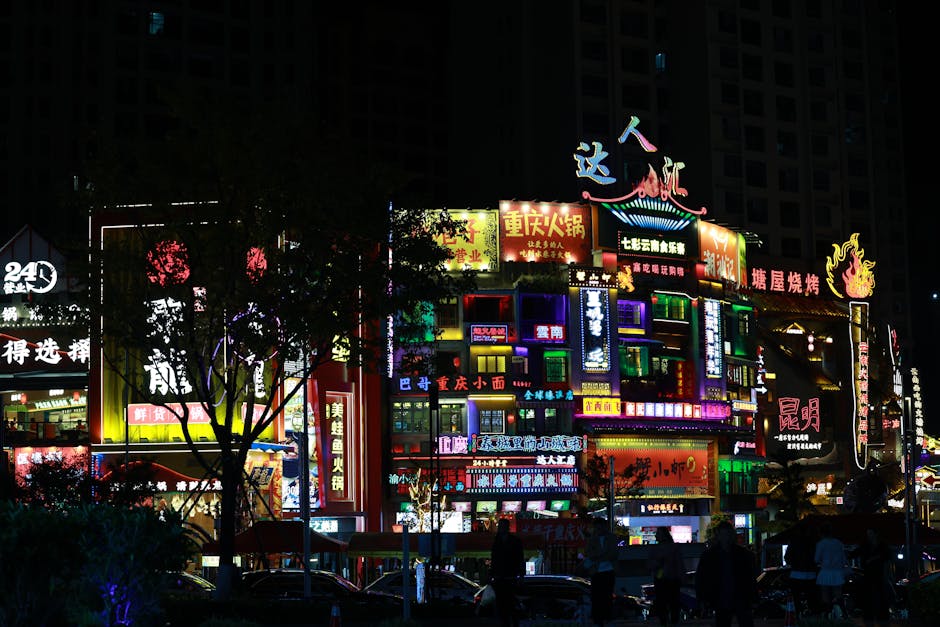 Easy
EasyKuala Lumpur, Malaysia
Explore Kuala Lumpur’s neon heart on this self-guided walk through night markets, luxury malls, and iconic nightlife hubs.
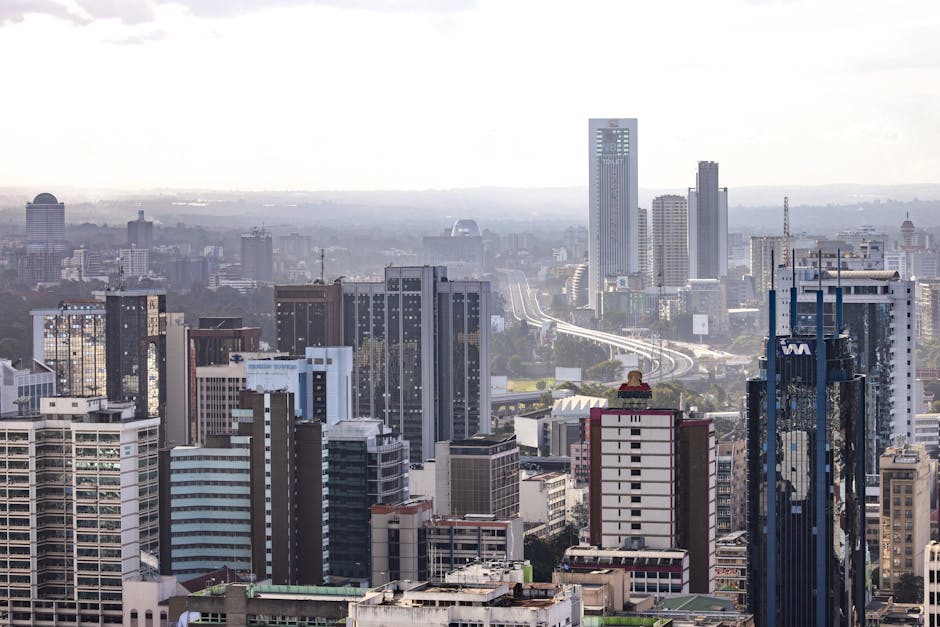 Moderate
Nairobi, Kenya
Discover Nairobi's lush side on this self-guided walk through botanical gardens, historic memorials, and vibrant local markets.
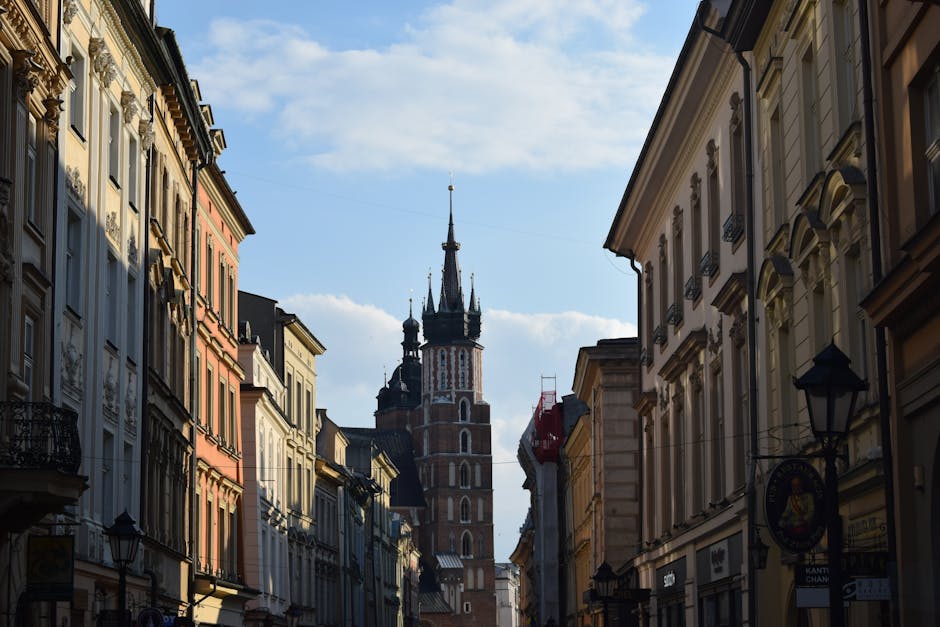 Moderate
Krakow, Poland
Discover Krakow’s stunning skyline and riverside charm on this self-guided audio walk through scenic viewpoints and historic mounds.
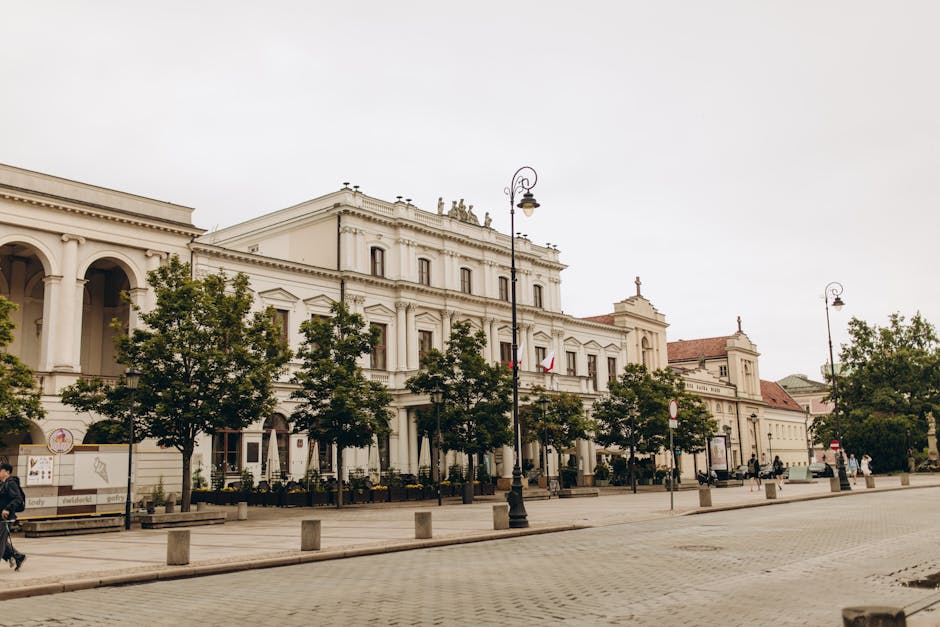 Easy
EasyWarsaw, Poland
Discover Warsaw's intellectual heart through historic campuses, peaceful parks, and the stunning rooftop gardens of the University Library.
 Easy
EasyNairobi, Kenya
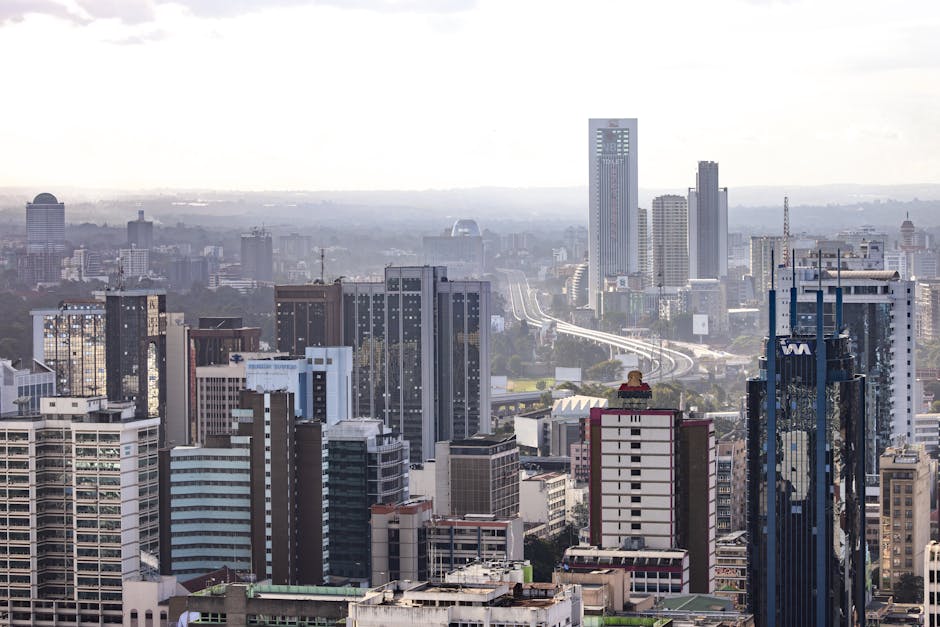
Discover Nairobi's iconic skyline on this self-guided architecture walk through the CBD’s most famous modernist and Brutalist landmarks.
 Easy
EasyGeorge Town, Malaysia
Explore the vibrant colors, sacred temples, and aromatic spice stalls of George Town’s historic Little India district on this sensory audio walk.
 Moderate
George Town, Malaysia
Explore George Town's creative pulse on this self-guided walk through vibrant art depots, heritage streets, and urban archaeological parks.
 Easy
EasyGeorge Town, Malaysia
Discover the vibrant nightlife of George Town, from legendary hawker stalls to hidden cocktail bars and historic lanes.
 Easy
EasyGeorge Town, Malaysia
Explore George Town's historic floating villages on this self-guided stroll through 19th-century clan jetties and stilt-house communities.