Self-guided audio tour in Malacca
Start Free on iPhone
Start free on iPhone to unlock this self-guided walking tour in Malacca. Hear all the stories that make it amazing, walk at your own pace, and begin whenever you want.
Your Private Tour Guide
Step back into the golden age of the Straits Settlements with this self-guided walk along Jalan Tun Tan Cheng Lock, historically known as Heeren Street. While the nearby Jonker Street buzzed with the noise of trade and markets, Heeren Street was the exclusive enclave of the Peranakan elite, earning it the nickname "Millionaires' Row." This neighborhood stroll invites you to admire the architectural transition from simple 17th-century shophouses to the grand, opulent mansions of the 19th century. As you explore independently, you will discover the unique fusion of Chinese, Malay, and European influences that define Baba-Nyonya culture. This walking route highlights the incredible wealth generated by the rubber and tin industries, reflected in the intricate wood carvings, imported Victorian tiles, and sprawling internal courtyards of these narrow but exceptionally deep homes. This audio walk is perfect for those who want to escape the crowds and delve into the private lives of Malacca’s merchant princes. You will encounter beautifully preserved ancestral homes and clan associations that still serve as pillars of the community today. Whether you are a fan of colonial architecture or cultural history, this walking tour Malacca provides a window into a world of silk, spices, and status. Discover the legacy of the Straits Chinese at your own pace, from the political milestones of Tun Tan Cheng Lock to the shimmering gold of the Jewelry Museum. This walking tour Malacca offers a sophisticated look at the city's UNESCO World Heritage status through its most prestigious residential street.
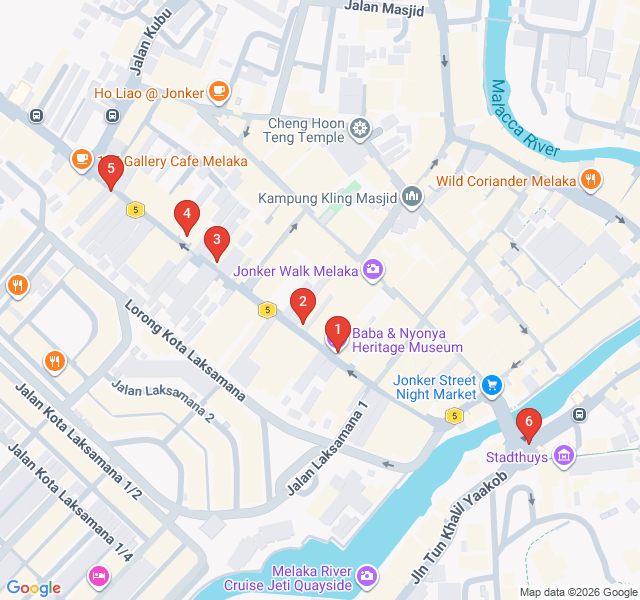
Numbers indicate the order of stops on the tour.
Begin your self-guided adventure at the Baba & Nyonya Heritage Museum. This is not just a museum; it is a combination of three terrace lots that belonged to the Chan family since 1861. Notice the striking hand-painted tiles and the elaborate dark wood doors. The interior reflects the immense wealth of the Peranakan 'Babas' (men) and 'Nyonyas' (women), featuring a mix of Chinese furniture and Dutch-influenced architectural details. The house is famous for its internal courtyards, designed to collect rainwater and provide natural ventilation—a necessity in the tropical heat. As you stand outside, imagine the palanquins and early motorcars that once arrived here for lavish dinner parties.
A short walk brings you to Malaqa House, a building that showcases the typical 'long house' layout of Heeren Street. These homes could be over 60 meters deep but were taxed based on their narrow street frontage, leading to their unique shape. Inside, you will find an eclectic collection of antiques that tell the story of Malacca's maritime trade. Look for the 'air wells' that break up the long corridors, allowing light to reach the center of the home. This site emphasizes the transition of Malacca from a Dutch colonial outpost to a thriving British-era commercial hub.
The Straits Chinese Jewelry Museum is housed in a building that was once the home of a wealthy Baba. Peranakan culture is famous for its love of 'Intan' (diamond) jewelry and gold-threaded embroidery. This museum displays the intricate hairpins, 'kerosang' (brooches), and beaded slippers that were essential status symbols for a Nyonya bride. The craftsmanship often blended Chinese motifs like phoenixes and peonies with European techniques. The opulence of the jewelry kept here reflects the peak of the rubber boom when Malacca's merchants were among the wealthiest individuals in Southeast Asia.
Next, pause at the Eng Choon Association. Unlike the private homes you've seen, this is a clan house for immigrants from the Eng Choon district in Fujian, China. The architecture here is more traditional Chinese, featuring a heavily ornamented roof and stone lions guarding the entrance. Clan associations were vital for new arrivals, providing networking, housing, and financial support. The presence of such a grand association on the prestigious Heeren Street shows that the merchant class didn't just build private wealth; they also invested heavily in community institutions that preserved their Hokkien heritage and cultural identity.
This stop is the ancestral home of Tun Tan Cheng Lock, one of Malaysia's founding fathers and the first president of the MCA (Malaysian Chinese Association). The house remains a private residence for his descendants, but its facade is a testament to his influence. He was a champion of the Straits Chinese community and played a pivotal role in the negotiations for Malaysian independence from Britain. The house is a classic example of the 'Neo-Classical' influence on Peranakan architecture, featuring tall shutters and a blend of Eastern and Western decorative elements that mirrored Tan Cheng Lock's own multicultural education and political outlook.
Concluding your neighborhood stroll is No. 8 Heeren Street. This building is a meticulously restored 18th-century shophouse, providing a contrast to the grander mansions earlier on the route. It represents the earlier, more modest Dutch-era architecture before the 19th-century boom. The restoration project here was a landmark effort in Malacca's conservation history, showing how lime plaster, timber beams, and traditional roof tiles can be preserved. It serves as a reminder that before it was 'Millionaires' Row,' this street was a place of humble trade and early colonial life. Take a moment to appreciate the quiet atmosphere here, just a block away from the bustling river.
Start Free on iPhone
Explore “Opulence of Heeren Street: Peranakan Merchant Life” with your very own Private Tour Guide with Zigway. Start free on iPhone, skip the large group and the fixed routes, and hear the city come alive as you go.
Your Private Tour Guide
Don't miss the good stuff
Explore Freely
 Moderate
Malacca, Malaysia
Discover the European heart of Melaka on this self-guided walk through Portuguese ruins, Dutch landmarks, and historic squares at your own pace.
 Easy
EasyMalacca, Malaysia
Explore the soul of Old Melaka on this self-guided walk through workshops of master craftsmen and centuries-old vanishing traditions.
 Easy
EasyMalacca, Malaysia
Discover the legends of the spice trade and sunken treasures on this self-guided maritime walk through Malacca’s historic Quayside.
 Easy
EasyMalacca, Malaysia
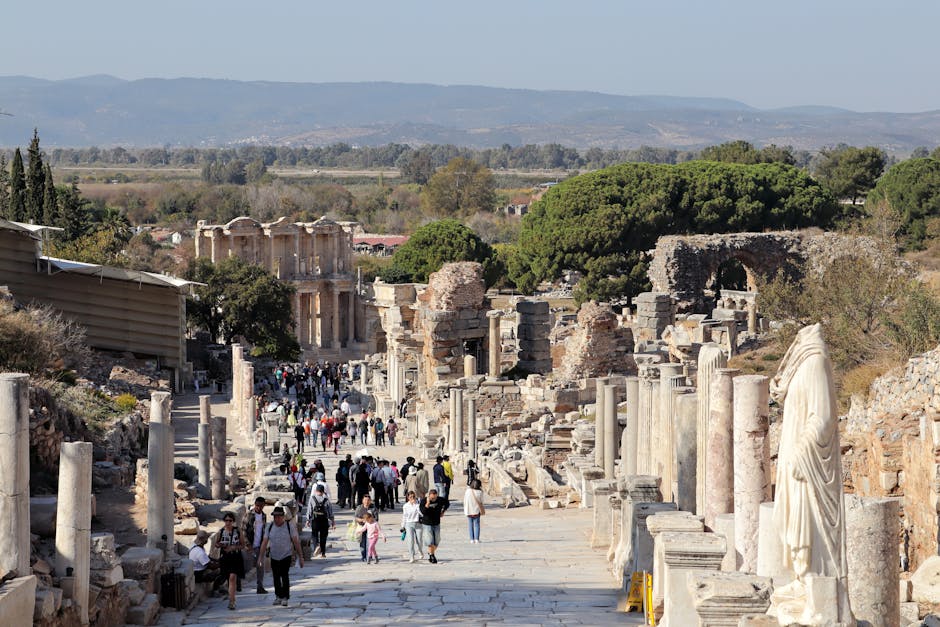
Explore Malaysia's oldest houses of worship on a single street. A self-guided stroll through Malacca's multicultural history and religious harmony.
 Easy
EasyNairobi, Kenya
Explore Nairobi's architectural evolution from colonial-era landmarks to iconic Brutalist skyscrapers on this historic self-guided walking route.
 Easy
EasyNairobi, Kenya
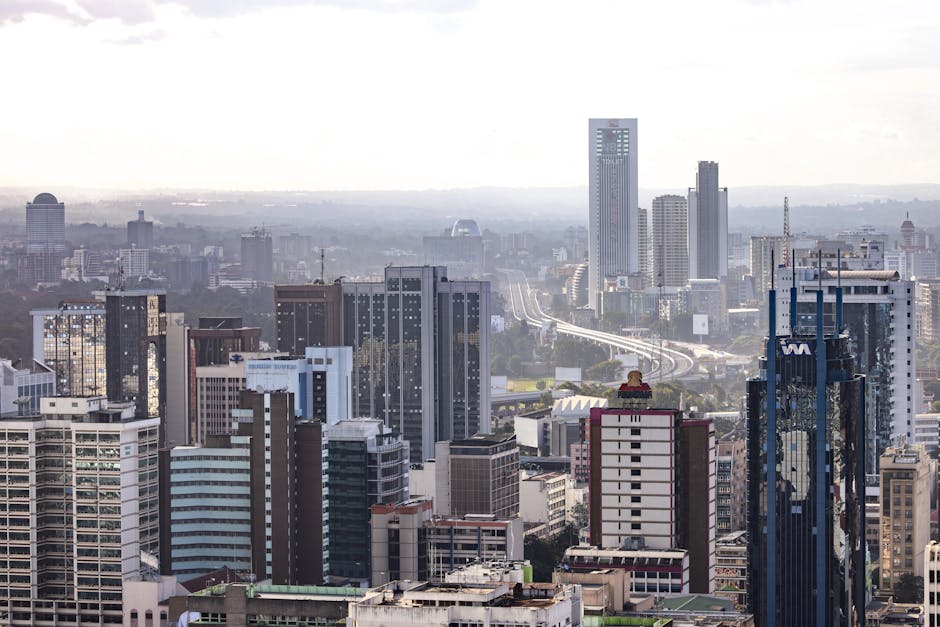
Discover Nairobi's iconic skyline on this self-guided architecture walk through the CBD’s most famous modernist and Brutalist landmarks.
 Easy
EasySalzburg, Austria
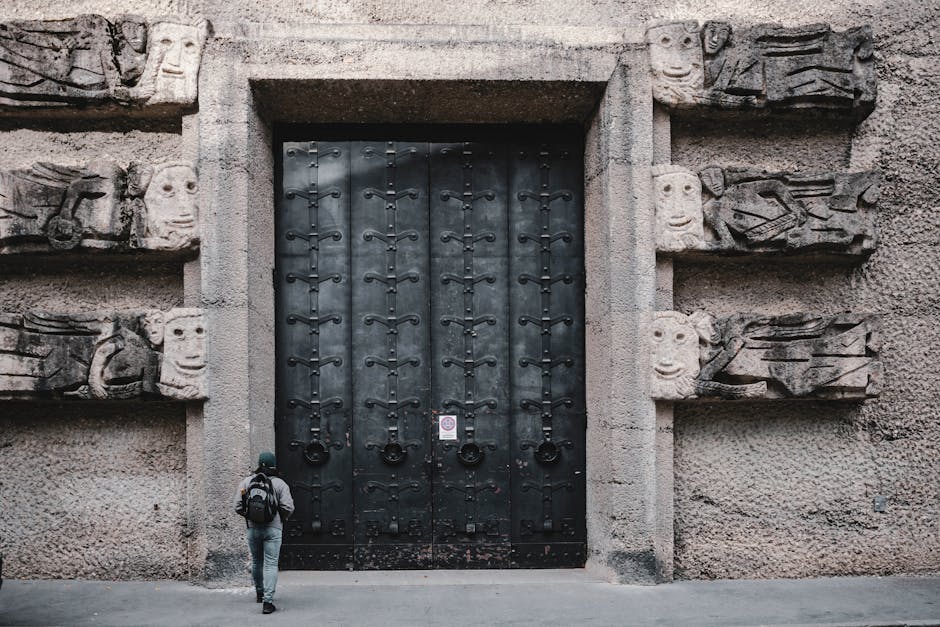
Discover the 'Rome of the North' on this self-guided walk through the Baroque squares and monumental legacy of Salzburg’s Prince-Archbishops.
 Easy
EasyGothenburg, Sweden
Discover Gothenburg’s 17th-century Dutch foundations, historic canals, and military fortifications on this self-guided architectural walk.
 Easy
EasyKuala Lumpur, Malaysia
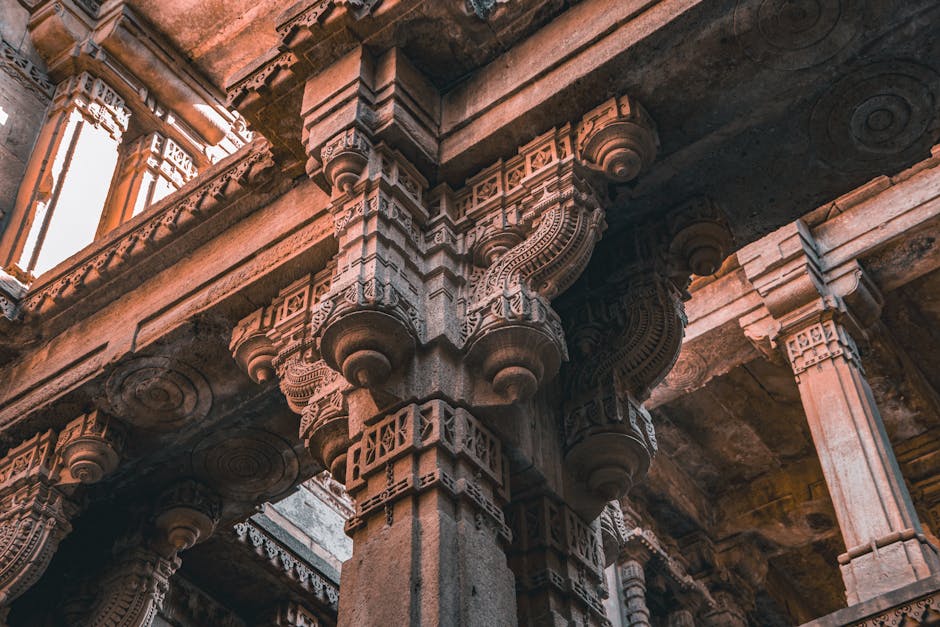
Discover the futuristic architecture and lush parklands of KLCC on this photography-focused self-guided walk through Kuala Lumpur's iconic center.
 Moderate
Kuala Lumpur, Malaysia
Discover Kuala Lumpur's rainforest heart on this self-guided walk through the Bukit Nanas canopy, historic markets, and iconic green spaces.
 Easy
EasyKuala Lumpur, Malaysia
Explore the vibrant colors, scents, and diverse spiritual landmarks of Kuala Lumpur's Little India on this sensory self-guided audio walk.
 Moderate
Kuala Lumpur, Malaysia
Explore Kuala Lumpur’s most iconic bookstores and creative hubs on this half-day self-guided literary adventure.