Self-guided audio tour in Madrid
Start Free on iPhone
Start free on iPhone to unlock this self-guided walking tour in Madrid. Hear all the stories that make it amazing, walk at your own pace, and begin whenever you want.
Your Private Tour Guide
Step into the vibrant, kitsch, and emotionally charged world of Spain’s most celebrated filmmaker with this self-guided walk through Almodóvar’s Madrid. For over four decades, Pedro Almodóvar has used the Spanish capital not just as a backdrop, but as a living, breathing character in his cinematic masterpieces. This walking route invites you to explore the streets that defined 'La Movida Madrileña'—the counter-cultural movement that exploded after the end of the Franco dictatorship—and see the city through the director's unique lens. From the neon-lit facades of historic cinemas to the dramatic heights of urban viaducts, you will discover the real-life inspirations behind films like 'Women on the Verge of a Nervous Breakdown,' 'High Heels,' and 'The Flower of My Secret.' Your journey begins in the heart of the Barrio de las Letras at the iconic Villa Rosa, a flamenco temple that served as a pivotal setting in 'High Heels.' As you navigate the winding streets of the Centro district, you’ll encounter the Cine Doré, the stunning Art Nouveau home of the Spanish Film Institute, which features prominently in 'Pain and Glory.' The route then moves toward the historic core, visiting the quiet Plaza del Cordón and the imposing Viaducto de Segovia, a site of high drama in Almodóvar’s earlier works. You will also visit the Centro Cultural Conde Duque, the site of one of the most famous scenes in Spanish cinema history involving a summer night and a garden hose. Finally, the walk concludes near the Retiro Park at the elegant Calle de Montalbán, the street where Almodóvar’s most famous characters lived their frantic, colorful lives. This neighborhood stroll is more than just a tour of filming locations; it is an exploration of Madrid’s transition from a grey past to a technicolor present. Whether you are a die-hard cinephile or a first-time visitor, this audio walk offers a deep dive into the soul of a city that is as passionate, complex, and stylish as an Almodóvar protagonist. Prepare to see the 'walking tour Madrid' experience through a lens of melodrama, humor, and avant-garde art.
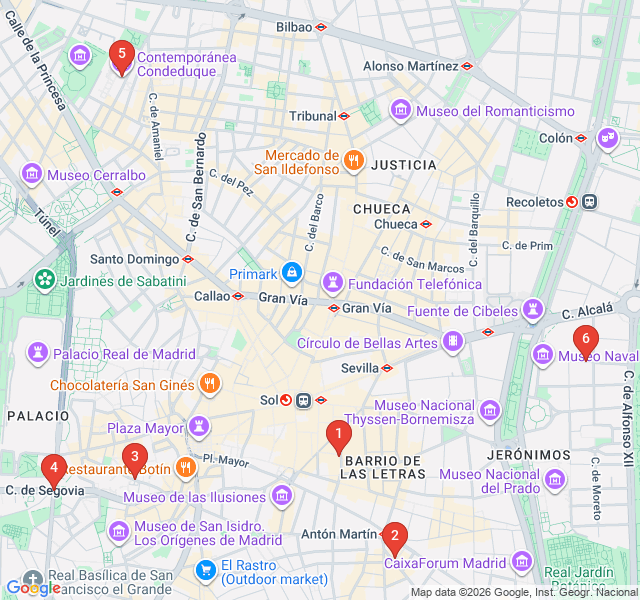
Numbers indicate the order of stops on the tour.
Welcome to the start of your cinematic journey at Villa Rosa, located in the lively Plaza de Santa Ana. Founded in 1911, this 'cathedral of flamenco' is famous for its stunning hand-painted tile facade depicting Andalusian landscapes. In Pedro Almodóvar’s 1991 film 'High Heels' (Tacones Lejanos), this is where the character Becky del Páramo performs. The director chose this location for its authentic, old-world Madrid charm and its connection to the traditional arts. As you look at the tiles, imagine the transition Madrid made from the traditionalism of the early 20th century to the wild freedom of the 1980s. Villa Rosa stands as a bridge between those two worlds, much like Almodóvar's own work which often blends Spanish folklore with modern melodrama.
You are now standing before the Cine Doré, a masterpiece of Art Nouveau architecture and the official screening room of the Filmoteca Española. With its striking orange facade and classical columns, it is one of the most beautiful buildings in Madrid. Almodóvar has a deep personal and professional connection to this space. It appears in 'Talk to Her' (Hable con Ella) and most significantly in 'Pain and Glory' (Dolor y Gloria), where the protagonist, a film director, attends a screening of his restored work. The cinema represents Almodóvar’s love letter to the medium of film itself. If you have time, check the schedule; it remains one of the best places in the city to watch classic and independent cinema at an affordable price.
Tucked away in the historic 'Madrid de los Austrias,' Plaza del Cordón offers a quieter, more intimate glimpse into the city. This square features in 'The Flower of My Secret' (La Flor de Mi Secreto), where the protagonist Leo Macías lives. The architecture here is typical of the 17th-century Hapsburg era, with its austere brickwork and iron balconies. Almodóvar used this location to ground his characters in a sense of history and loneliness. The contrast between the vibrant, modern lives of his characters and the ancient, silent walls of this plaza creates the emotional tension he is famous for. It is a perfect spot to appreciate the 'castizo' or traditional soul of Madrid that survives amidst the bustle of the modern capital.
The Viaducto de Segovia is one of the most dramatic architectural features in Madrid, spanning the Calle de Segovia to connect the Royal Palace area with the Vistillas. This site is a recurring motif in Almodóvar’s filmography, appearing in 'Matador' and 'I’m So Excited' (Los Amantes Pasajeros). Its towering height and stark concrete lines offer a sense of vertigo and urban drama. Historically, it was known as a site for suicides, a dark history that Almodóvar acknowledges by using it as a place where characters face life-altering decisions. Standing here, you get a breathtaking view of the Almudena Cathedral and the Casa de Campo park, capturing the grand scale of the city that Almodóvar has called home since the 1960s.
This massive pink-hued building was once a military barracks and is now a vibrant cultural center. It is the setting for one of the most iconic scenes in Spanish cinema. In 'Law of Desire' (La Ley del Deseo), the character Tina, played by Carmen Maura, asks a street cleaner to douse her with water from his hose on a sweltering Madrid night, crying out 'Rígueme!' (Spray me!). This scene captured the liberation and sensory intensity of post-dictatorship Madrid. The building itself is a fine example of 18th-century Baroque architecture. Today, it hosts exhibitions, concerts, and a municipal library, continuing its legacy as a cornerstone of Madrid’s intellectual and artistic life.
Our walk ends on the elegant Calle de Montalbán, located near the Cibeles fountain and the Retiro Park. While the interior of Pepa’s penthouse in 'Women on the Verge of a Nervous Breakdown' (Mujeres al Borde de un Ataque de Nervios) was a studio set, the address and the iconic terrace view of the Metropolis building were inspired by this very street. This area represents the sophisticated, bourgeois Madrid that Almodóvar often parodies or celebrates. The terrace from the movie, filled with gazpacho and escaped pets, became a symbol of the colorful chaos of modern life. From here, you are perfectly positioned to explore the nearby Prado Museum or relax in the Retiro Park, ending your cinematic journey in the heart of Madrid’s cultural triangle.
Start Free on iPhone
Explore “Almodóvar’s Madrid: A Cinematic Trail” with your very own Private Tour Guide with Zigway. Start free on iPhone, skip the large group and the fixed routes, and hear the city come alive as you go.
Your Private Tour Guide
Don't miss the good stuff
Explore Freely
 Easy
EasyMadrid, Spain
Explore Madrid's 'Landscape of Light' on this self-guided walk through the world-renowned Golden Triangle of Art, from Cibeles to the Reina Sofía.
 Moderate
Madrid, Spain
Explore Madrid's most diverse neighborhood on this self-guided walk through street art, historic markets, and multicultural squares.
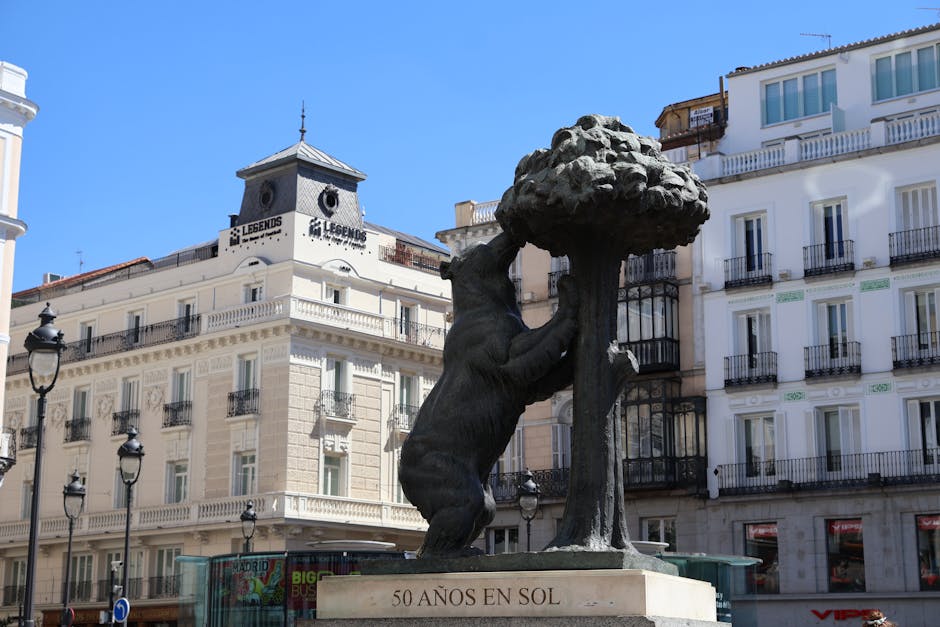 Easy
EasyMadrid, Spain
Explore the royal legacy and medieval alleys of Madrid's historic Habsburg district on this immersive self-guided walk through the city's heart.
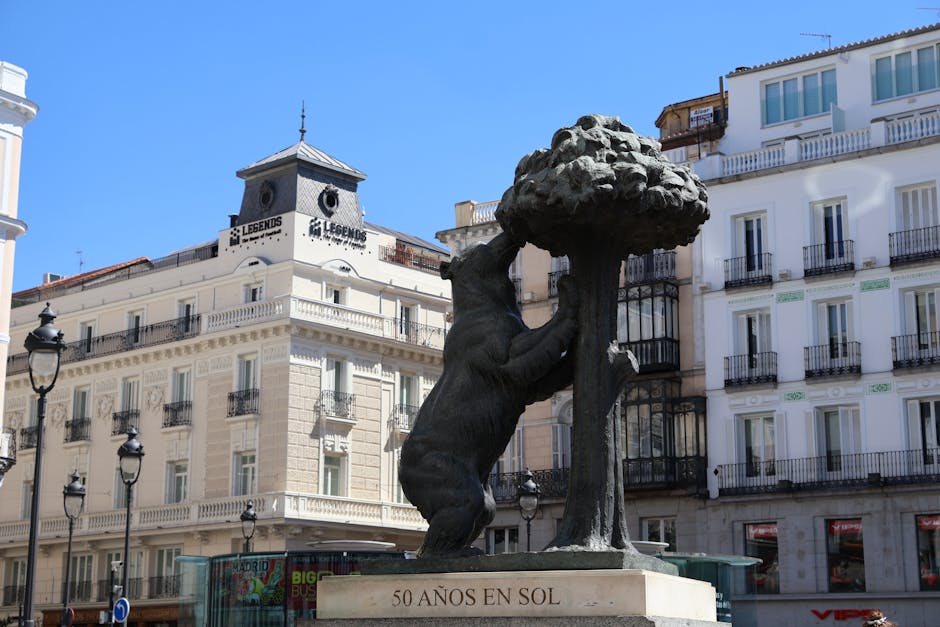 Easy
EasyMadrid, Spain
Discover the rebellious spirit of Malasaña on this self-guided walk through Madrid's best street art, historic squares, and counter-culture hubs.
 Moderate
Vienna, Austria
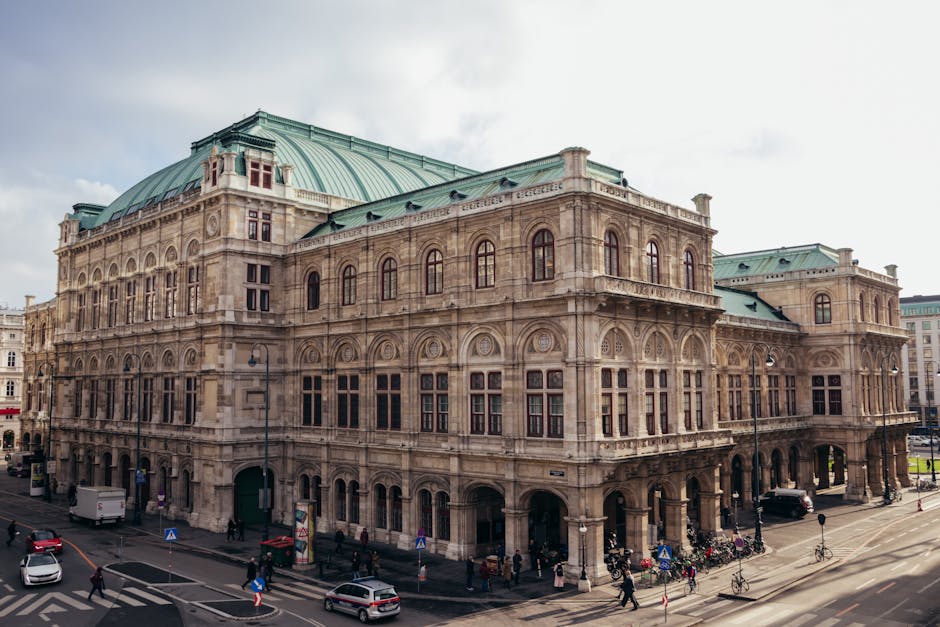
Discover the noir world of The Third Man and Cold War Vienna on this atmospheric self-guided audio walk through the historic Innere Stadt.
 Moderate
Gdansk, Poland
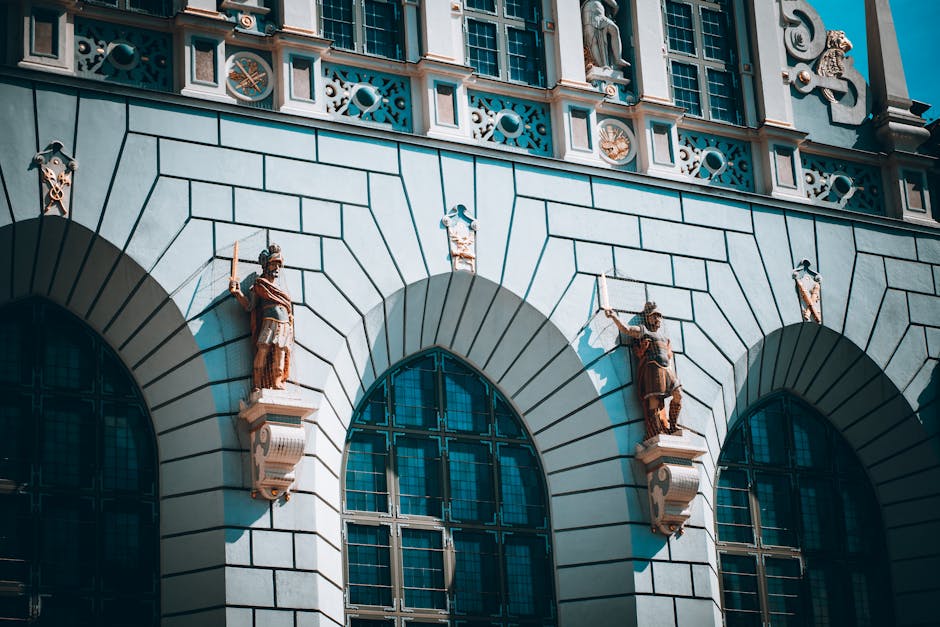
Discover Zaspa, a massive open-air gallery where grey housing blocks are transformed by over 60 monumental murals. Explore at your own pace.
 Moderate
Warsaw, Poland
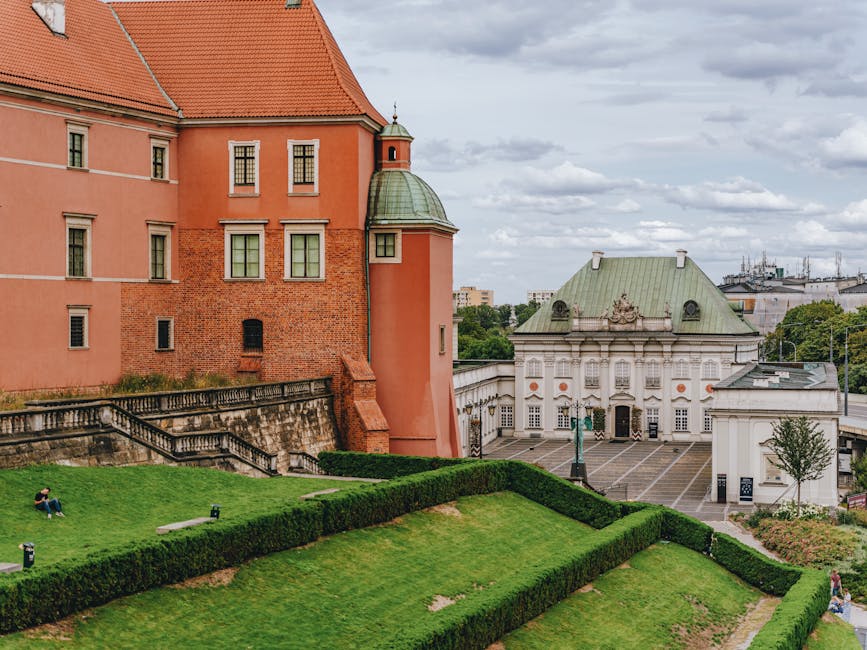
Explore the resilient spirit of Warsaw's Muranów district on this self-guided walk through the history and landmarks of the former Jewish Ghetto.
 Moderate
Gothenburg, Sweden
Discover Gothenburg’s maritime soul on this self-guided walk from the historic Central Station to the scenic riverfront at Stenpiren.
 Moderate
Barcelona, Spain
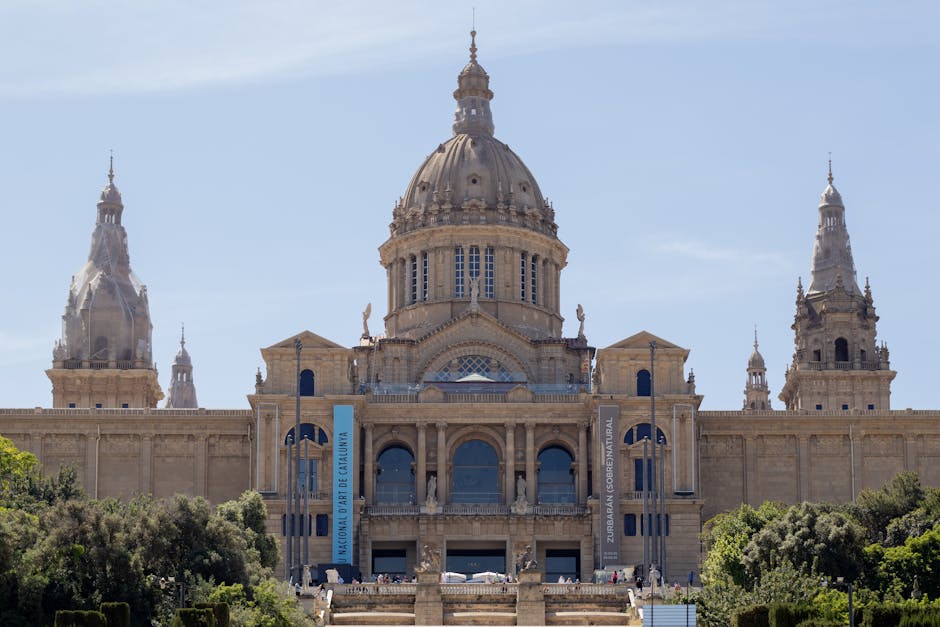
Explore the elegant 'village' of Sarrià, where Gothic monasteries and Gaudí's hidden gems meet charming local markets and narrow streets.
 Moderate
Barcelona, Spain
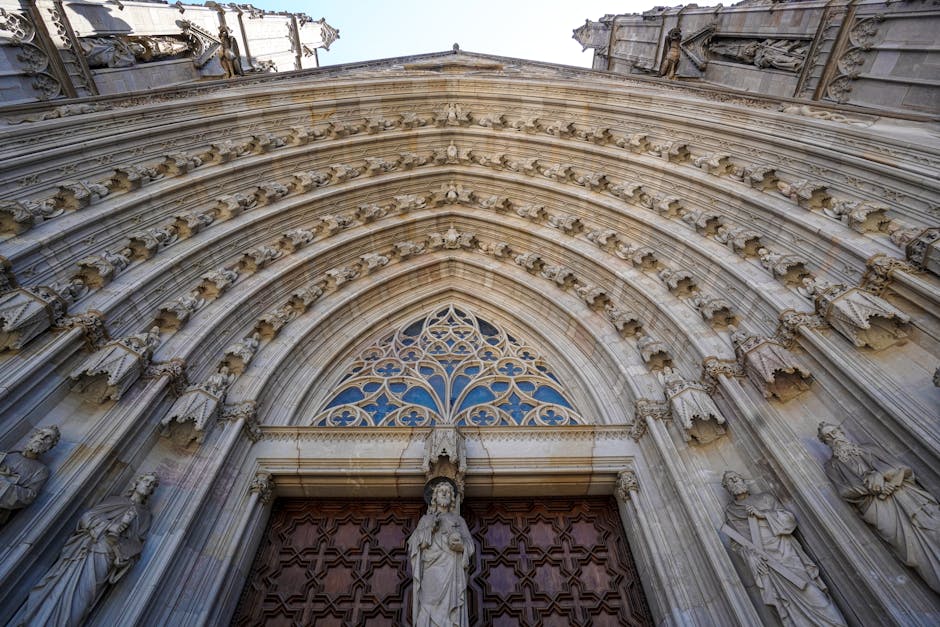
Discover the revolutionary history and haunting scars of the Spanish Civil War on this self-guided walk through Barcelona's historic streets.
 Easy
EasyBarcelona, Spain
Discover the architectural wonders of Barcelona's Golden Square on this self-guided stroll through Eixample's most luxurious Modernista streets.
 Challenging
Barcelona, Spain
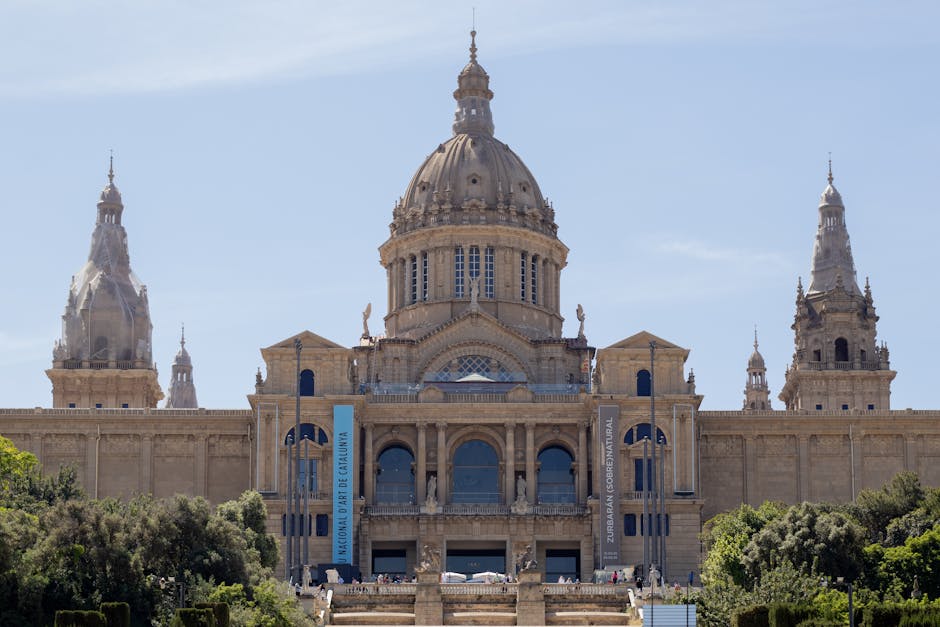
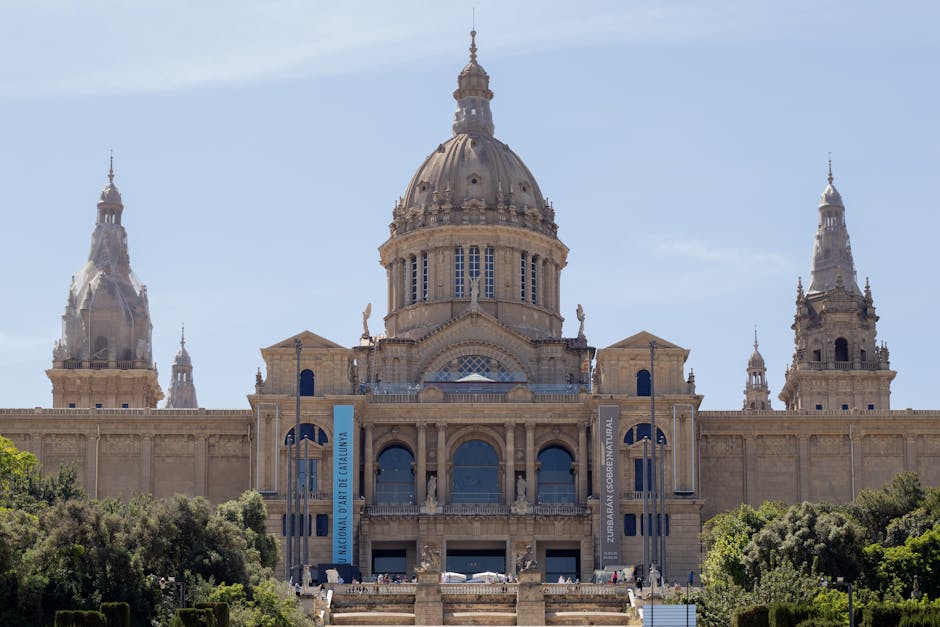
Explore Montjuïc’s lush gardens, historic fortress, and iconic Olympic venues on this scenic self-guided walk with panoramic Mediterranean views.